

Commentary
Judy Dempsey
{
  "authors": [
    "Judy Dempsey"
  ],
  "type": "other",
  "centerAffiliationAll": "dc",
  "centers": [
    "Carnegie Endowment for International Peace",
    "Carnegie Europe"
  ],
  "collections": [],
  "englishNewsletterAll": "ctw",
  "nonEnglishNewsletterAll": "",
  "primaryCenter": "Carnegie Europe",
  "programAffiliation": "EP",
  "programs": [
    "Europe"
  ],
  "projects": [],
  "regions": [
    "Europe",
    "Iran"
  ],
  "topics": [
    "EU",
    "Democracy"
  ]
}
Source: Getty
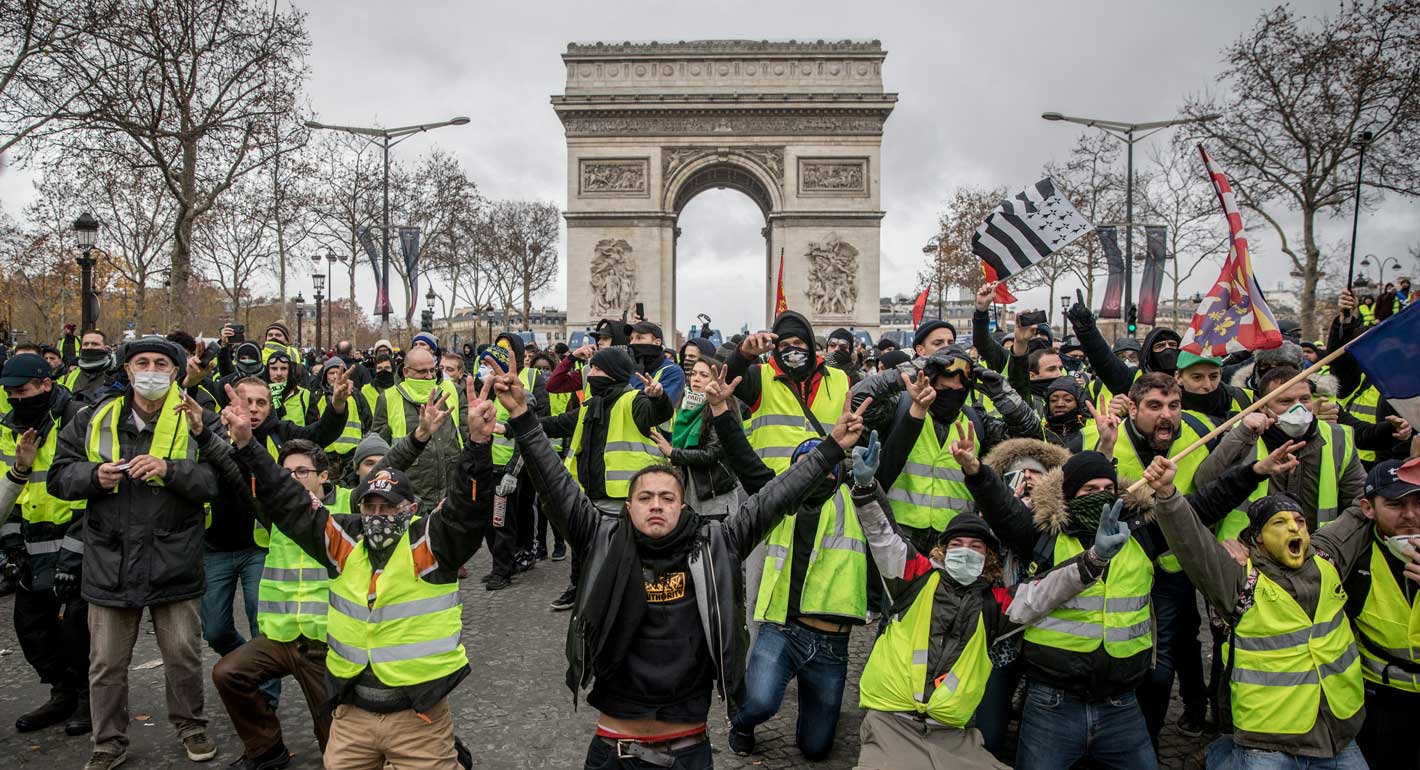
Does the yellow vest movement represent an inflection point for the future of Europe?
Source: WorldAffairs
The three-month-old yellow vest movement in France is the largest protest the country has seen in decades. While protesters hail from diverse backgrounds, what they do share is a deep resentment towards both their government and their nation’s elites. And here the French are not alone. The Italian and British governments have also been feeling the backlash as yellow vest-inspired protests continue to spread. Does the yellow vest movement represent an inflection point for the future of Europe? Carnegie Europe’s Judy Dempsey and New York University’s Stephane Gerson share their insights with WorldAffairs Co-host Ray Suarez.

Nonresident Senior Fellow, Carnegie Europe
Judy Dempsey is a nonresident senior fellow at Carnegie Europe
Recent Work
Judy Dempsey
Judy Dempsey

As the U.S. stumbles in its war with Iran, we are likely to see an acceleration of its disengagement from the region.

Michael Young

Middle Eastern states should welcome an accelerated U.S. disengagement from their region.
Michael Young

In an interview, former ambassador Charles Freeman assesses the Trump administration’s war against Iran.
Michael Young

Morocco and Algeria, each in its own way, are having to navigate the global economic fallout of the U.S.-Israeli military campaign against Iran.

Yasmine Zarhloule
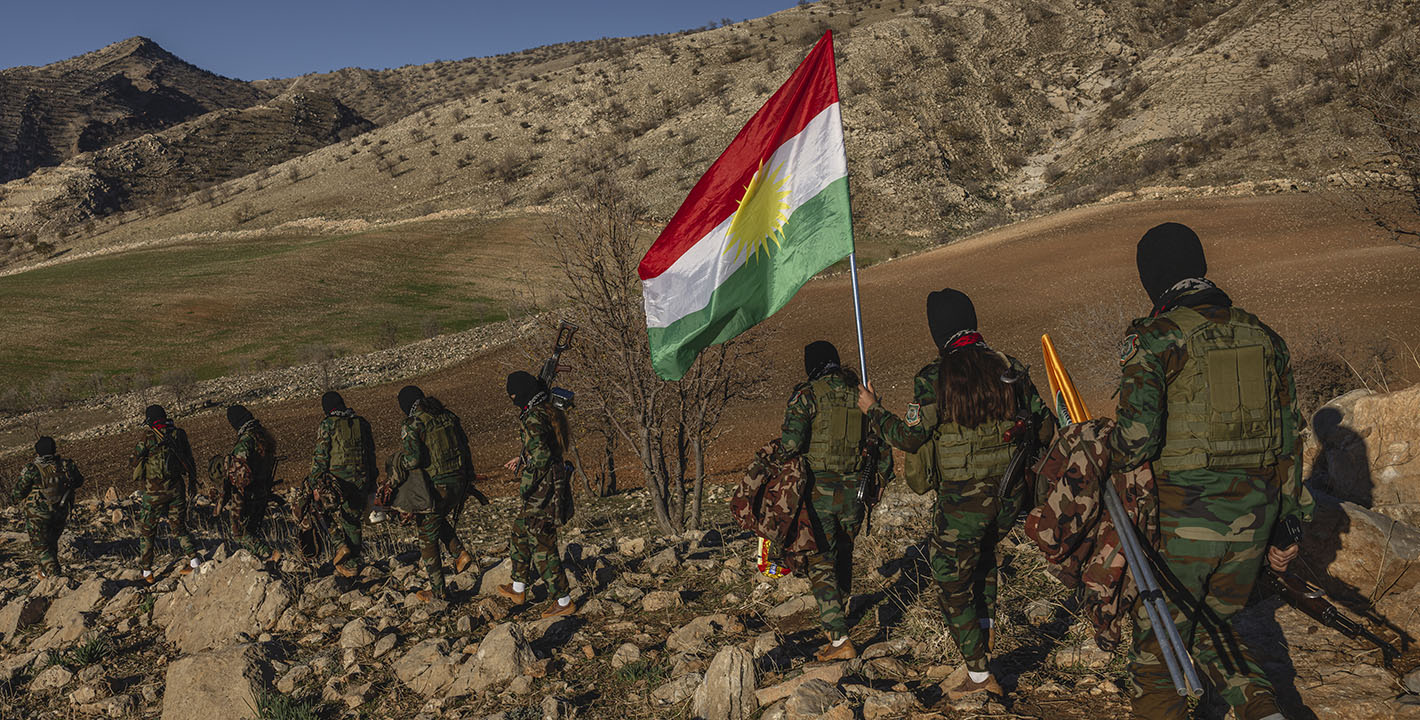
Following its deal with the United States, Iran may act against Iraq-based dissidents.
Wladimir van Wilgenburg