

Article
Morocco and Algeria, each in its own way, are having to navigate the global economic fallout of the U.S.-Israeli military campaign against Iran.
Yasmine Zarhloule
{
  "authors": [
    "Raluca Csernatoni",
    "Bruno Oliveira Martins"
  ],
  "type": "other",
  "centerAffiliationAll": "dc",
  "centers": [
    "Carnegie Endowment for International Peace",
    "Carnegie Europe"
  ],
  "collections": [
    "Transatlantic Cooperation"
  ],
  "englishNewsletterAll": "ctw",
  "nonEnglishNewsletterAll": "",
  "primaryCenter": "Carnegie Europe",
  "programAffiliation": "EP",
  "programs": [
    "Europe"
  ],
  "projects": [],
  "regions": [
    "Europe",
    "Western Europe",
    "Iran"
  ],
  "topics": [
    "Security"
  ]
}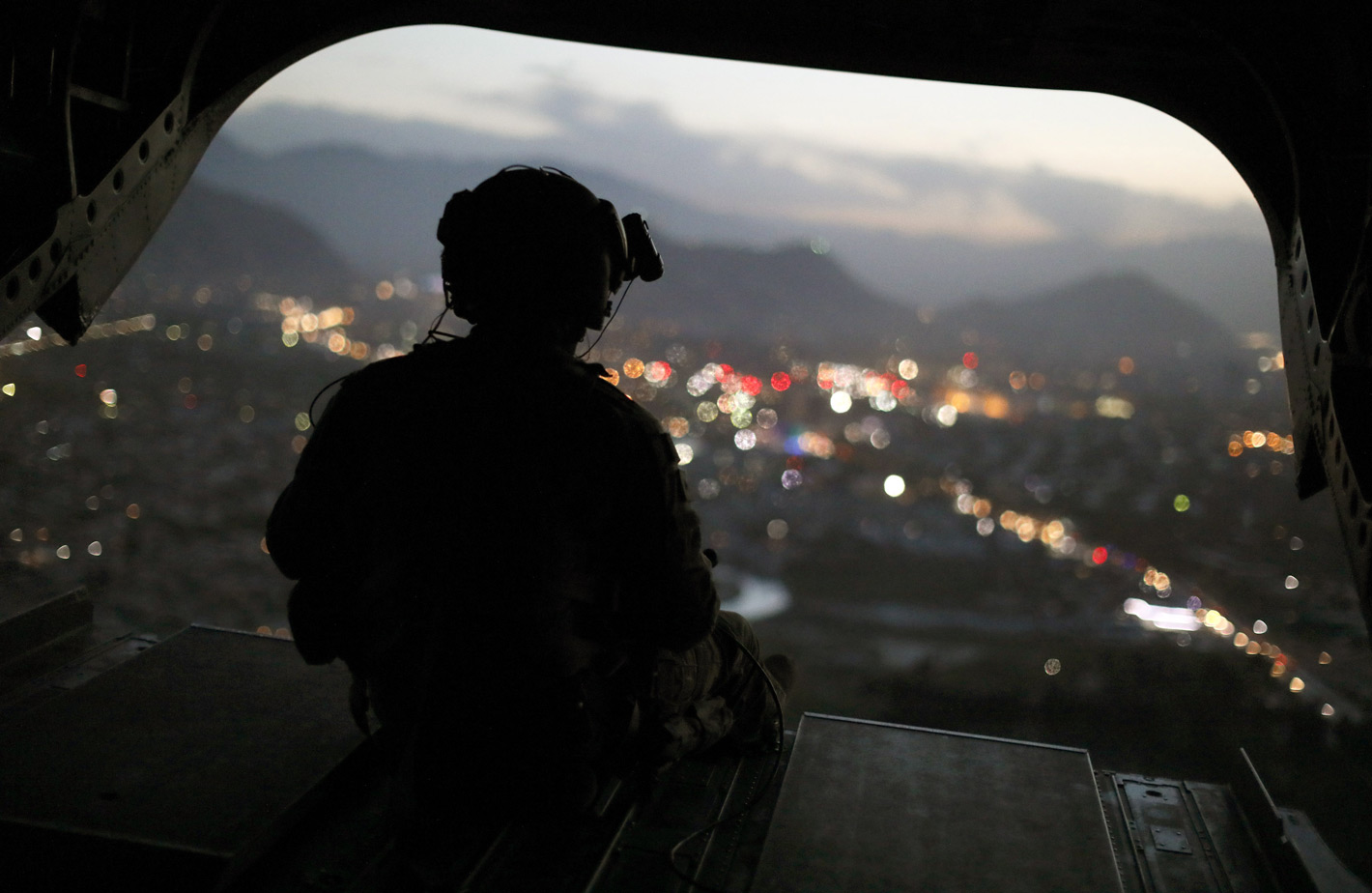
Source: Getty
The European Defense Fund holds the potential to fundamentally challenge the nature of the EU as a peace project.
Source: Peace Research Institute Oslo
The recently-launched European Defence Fund (EDF) is a ground-breaking investment in the areas of security and defence and holds the potential to fundamentally challenge the nature of the European Union (EU) as a peace project.
Proponents of the EDF frame the initiative as crucial to European security in an age of increasing political instability and rapid technological change. As such, the EDF is framed as a much-needed catalyst for scaling up the EU’s defence by conferring strategic autonomy to Europe, and overhauling a lagging European Defence Technological and Industrial Base.
To achieve these goals, the EDF stresses the need to optimise strategic value for money by funding cutting-edge research and innovation and by fostering the development of interoperable defence capabilities. However, the EDF also raises important questions about EU’s political priorities, output legitimacy, and security and defence governance.
This policy brief was originally published by the Peace Research Institute in Oslo (PRIO).

Fellow, Carnegie Europe
Raluca Csernatoni is a fellow at Carnegie Europe, where she specializes on European security and defense, as well as emerging disruptive technologies.
Bruno Oliveira Martins
Bruno Oliveira Martins is a senior researcher at the Peace Research Institute Oslo in Norway.
Carnegie does not take institutional positions on public policy issues; the views represented herein are those of the author(s) and do not necessarily reflect the views of Carnegie, its staff, or its trustees.

Morocco and Algeria, each in its own way, are having to navigate the global economic fallout of the U.S.-Israeli military campaign against Iran.

Yasmine Zarhloule
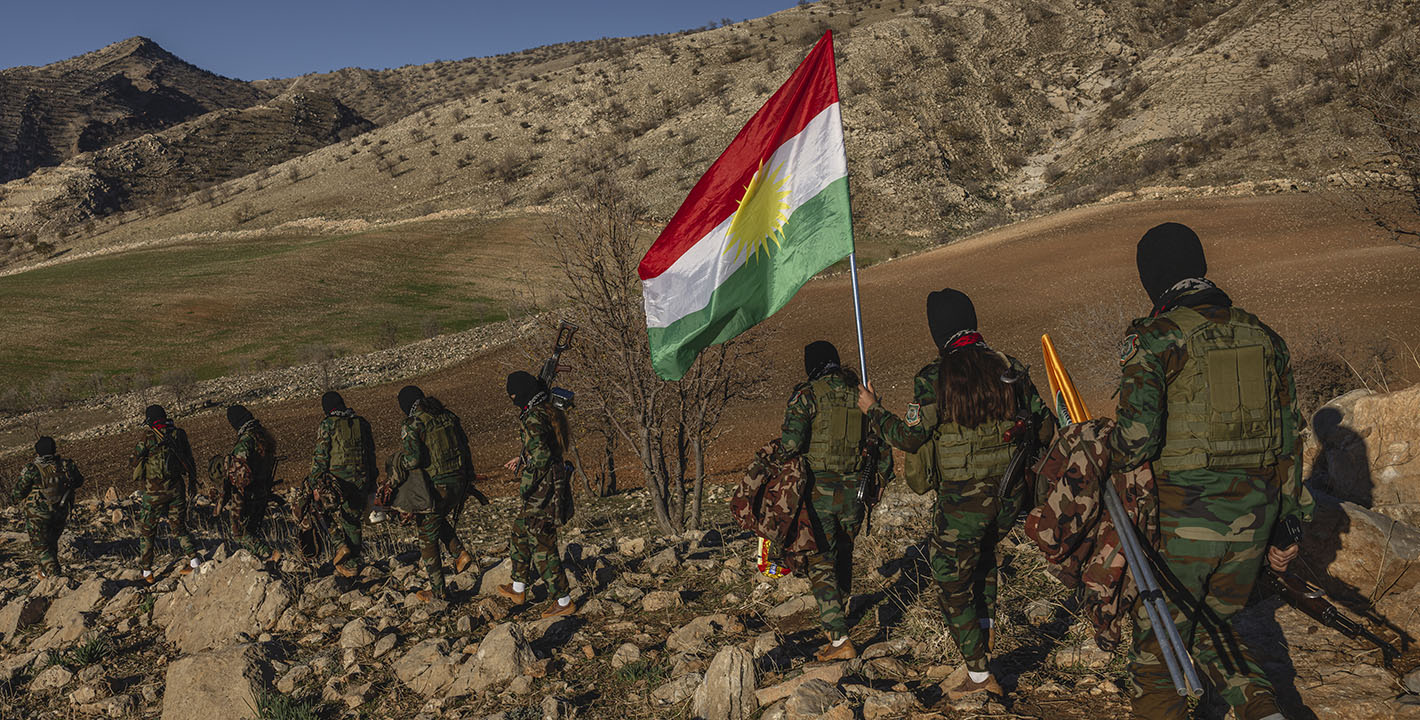
Following its deal with the United States, Iran may act against Iraq-based dissidents.
Wladimir van Wilgenburg
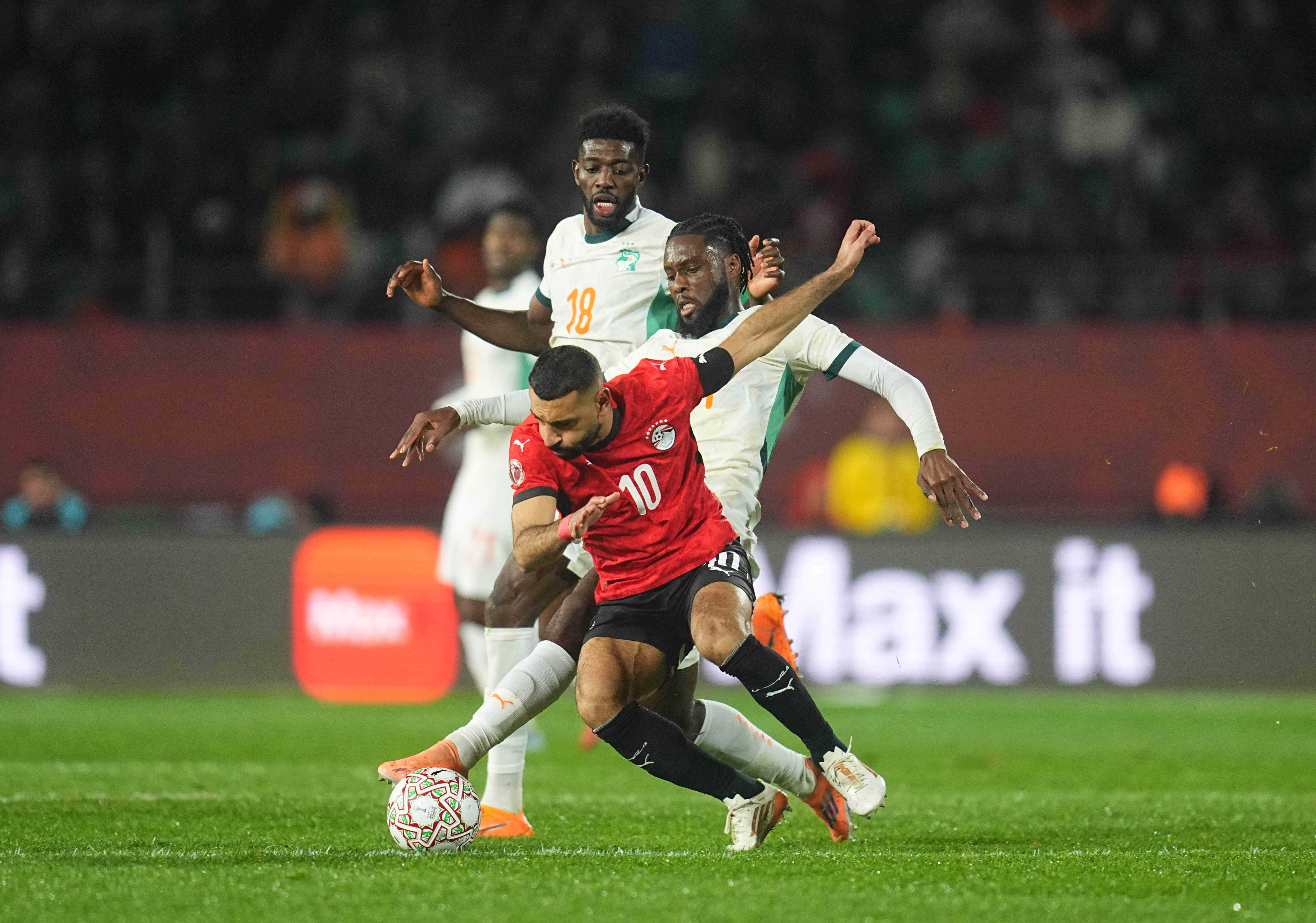
This will be the region’s most representative tournament, amid broad changes in its footballing landscape.

Issam Kayssi
In an interview, Marc Lynch discusses his new book decrying the post-1990 U.S.-dominated order in the Middle East.

Michael Young

Because perpetual conflict enhances control, offers economic benefits, and allows leaders to ignore popular preferences.

Angie Omar