

Article
Suyash Rai, Anirudh Burman
{
  "authors": [
    "Anirudh Burman"
  ],
  "type": "legacyinthemedia",
  "centerAffiliationAll": "",
  "centers": [
    "Carnegie Endowment for International Peace",
    "Carnegie India"
  ],
  "collections": [],
  "englishNewsletterAll": "",
  "nonEnglishNewsletterAll": "",
  "primaryCenter": "Carnegie India",
  "programAffiliation": "",
  "programs": [],
  "projects": [
    "Political Economy"
  ],
  "regions": [
    "India"
  ],
  "topics": [
    "Economy"
  ]
}
Source: Getty
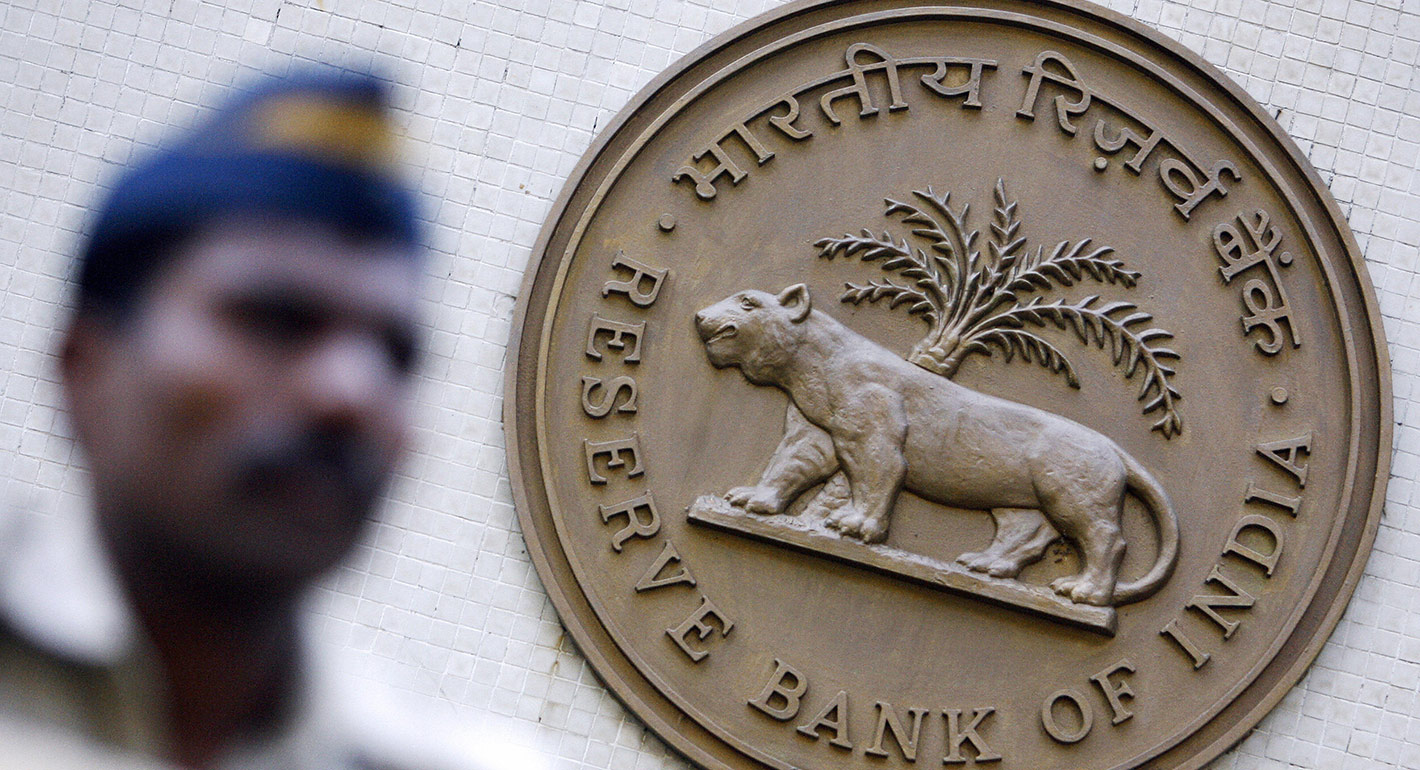
The Supreme Court’s recent decision striking down the RBI’s February 2018 circular on bad loans highlights something significant about the state machinery—the extent to which it can be a source of risk for private businesses.
Source: Print
The Supreme Court’s recent decision striking down the RBI’s February 2018 circular on bad loans highlights something significant about the state machinery — the extent to which it can be a source of risk for private businesses.
In that sense, the ruling provides an immediate relief to promoters in the power sector — mainly because the petitions challenging the RBI circular were primarily filed by power sector companies — from being dragged to insolvency courts under the Narendra Modi government’s 2016 legislation, the Insolvency and Bankruptcy Code (IBC).

Former Associate Research Director and Fellow, Carnegie India
Anirudh Burman was an associate research director and fellow at Carnegie India. He works on key issues relating to public institutions, public administration, the administrative and regulatory state, and state capacity.
Recent Work
Suyash Rai, Anirudh Burman
Anirudh Burman

The armed forces champion a form of capitalism that is generating revenue, but its reliance on rent faces diminishing returns, leaving the country with massive sunk costs and deferred returns, deepening dependency on external borrowing.

Yezid Sayigh
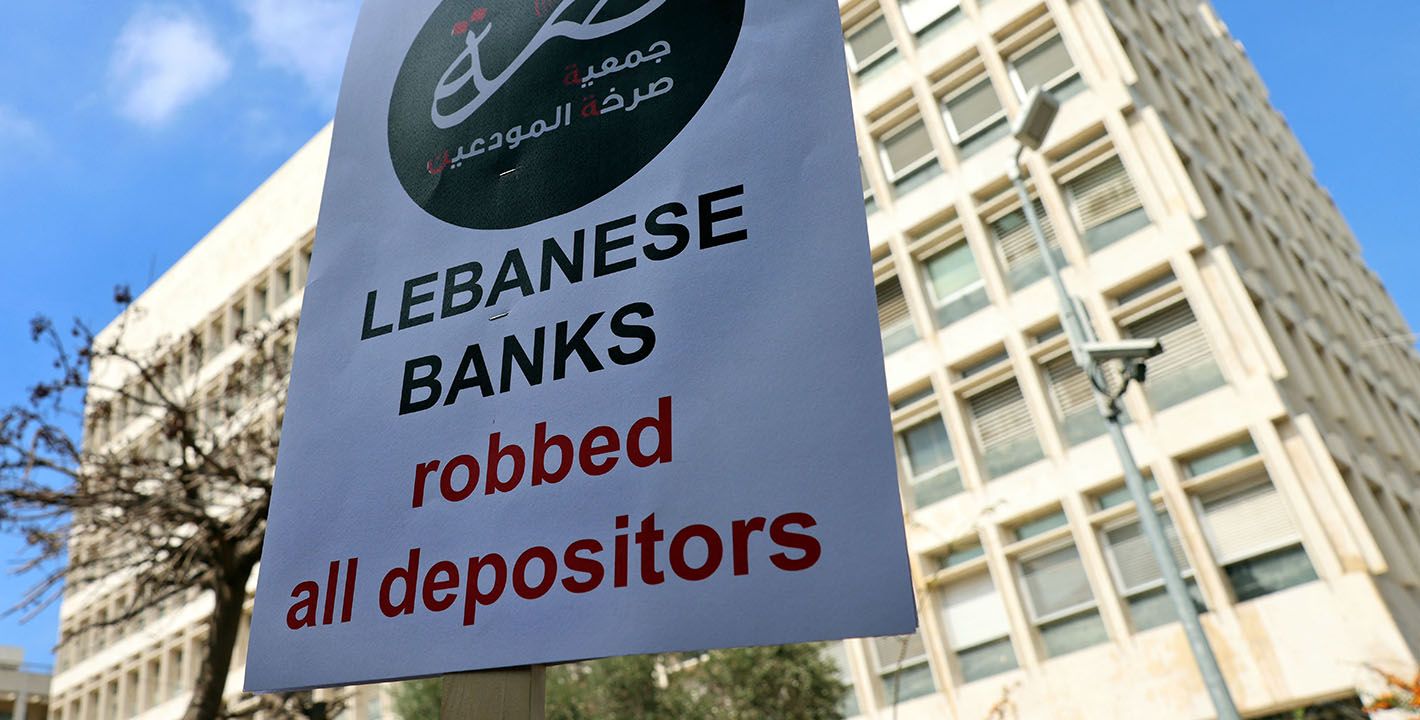
In an interview, Ishac Diwan looks at the merits and flaws in the draft legislation distributing losses from the financial collapse.

Michael Young
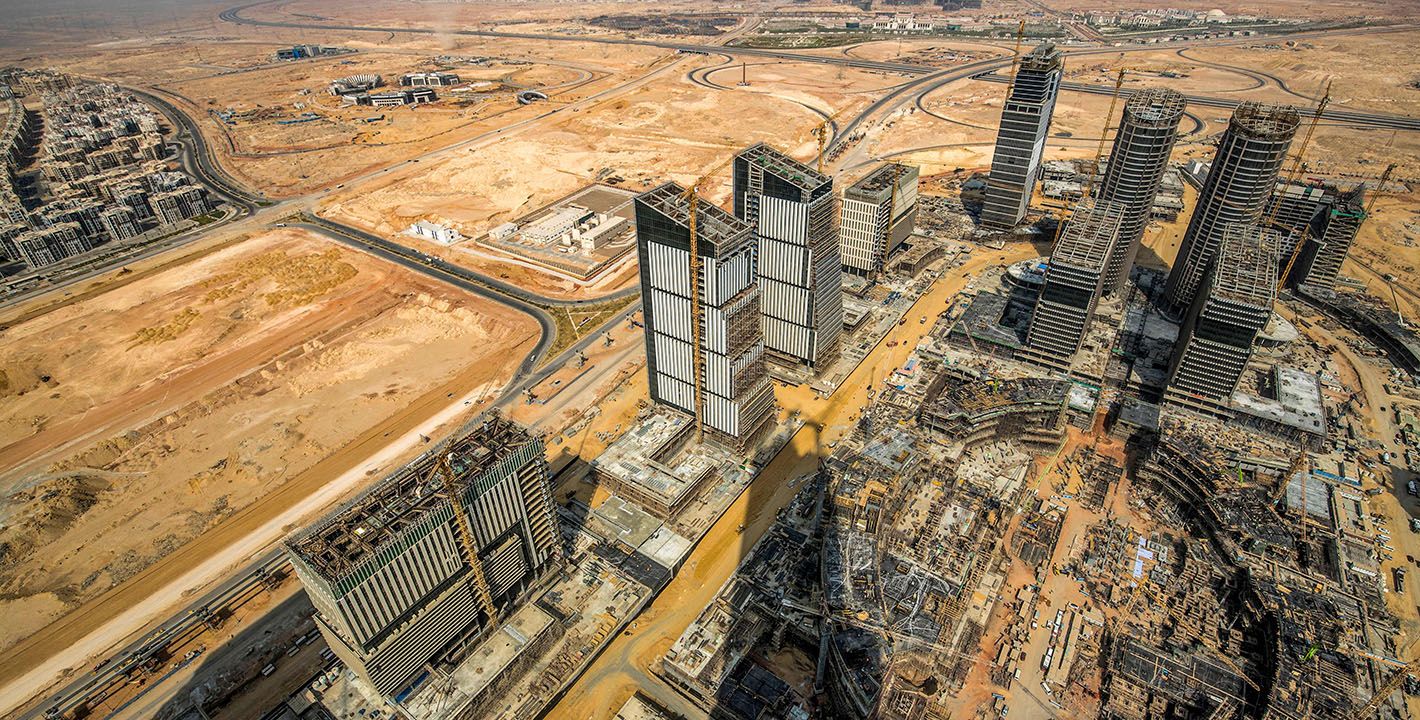
Mustaqbal Misr has expanded its portfolio with remarkable speed, but a lack of transparency remains.
Yezid Sayigh
Arab diaspora business communities in Egypt often mirror the same systemic challenges facing Egyptian businesses.

Nur Arafeh, Yezid Sayigh, Qaboul al-Absi, …
Largely characterized thus far by a single-minded focus on extractivism, Riyadh must commit to greater equitability in its approach to investment and development deals with Sudan, Ethiopia, and Eritrea.
Hesham Alghannam