

Report
- +9
Richard Youngs, Erik Jones, Dan Baer, …
{
  "authors": [
    "Richard Youngs"
  ],
  "type": "other",
  "centerAffiliationAll": "dc",
  "centers": [
    "Carnegie Endowment for International Peace",
    "Carnegie Europe"
  ],
  "collections": [],
  "englishNewsletterAll": "ctw",
  "nonEnglishNewsletterAll": "",
  "primaryCenter": "Carnegie Europe",
  "programAffiliation": "EP",
  "programs": [
    "Europe",
    "Democracy, Conflict, and Governance"
  ],
  "projects": [
    "Reshaping European Democracy"
  ],
  "regions": [
    "Europe",
    "Eastern Europe",
    "Western Europe",
    "Iran"
  ],
  "topics": [
    "EU",
    "Democracy",
    "Political Reform"
  ]
}
Source: Getty
Debates about the state of democracy are at the forefront of European politics. Carnegie’s Reshaping European Democracy project assesses the underlying challenges to democratic processes and the prospects for political renewal across the EU.
Reflecting widespread concern over current political trends in Europe, just over a year ago Carnegie launched a project on Reshaping European Democracy. Under the rubric of this project, we assembled a team of experts and asked them to examine a range of critical political issues in Europe, resulting in sixteen articles on different dimensions of European democracy—relating to challenges at the EU, national, and local levels. As debates about the state of democracy intensify even further, those articles have been collected here.
It is an opportune moment to shine a spotlight on democracy, as so much attention has been focused on the May 2019 European Parliament elections. While countless articles home in on these elections’ winners and losers, and the shifts in party blocs inside the parliament, this collection recognizes that these movements are conditioned by a set of deeper-rooted trends and dilemmas. Ephemeral punditry and polling sit atop deeper and more conceptual questions about the future of European democracy that merit more sustained consideration.
The Reshaping European Democracy project has several aims. With so many books, articles, op-eds, and speeches rather breathlessly despairing that European democracy is in terminal decline, in free fall toward wholesale deconsolidation and a return to authoritarian fascism, it’s important to ask whether a more sober sense of proportion might be needed. This project certainly does not downplay the poor state of European democracy. Yet it also examines whether there are more positive developments afoot across Europe that have been somewhat brushed aside in the standard recent analyses. Most deeply, Europeans should be concerned not simply with whether particular parties are rising or falling, but whether healthy renewal is occurring in the way citizens understand and engage with democratic processes.
A sense of proportion and nuance additionally invites readers to question the widespread tendency in recent years to treat democratic erosion in Europe as essentially inseparable from rising nationalism, Euroskepticism, and any number of other ills shaking the continent’s core liberal edifice. Even if all these phenomena are interrelated and of much concern, they are not all coeval with democratic regression. In this sense, the issues pertinent to democratic quality need to be separated out and made the subject of a discrete program of research—rather than unthinkingly conflated with a whole range of other trends.
It is also time to move the analytical dial a few degrees away from the relentless focus on populism. This theme has come to overshadow and often distort debates about democratic quality. Populism is part of the equation of European democracy, but only one part. Much of what is labeled as European populism has little to do directly with democratic quality; conversely, many (indeed, probably most) of the challenges facing democracy today have little to do with populism. Yet while there are events held and articles written every day on the rise of populism, there is much less debate around the more essential and underlying issue of democratic quality in Europe. The Reshaping European Democracy project offers a corrective to this imbalance by presenting a holistic picture of European democracy.
Understandably, analysts and practitioners tend to focus on one bit of the democracy puzzle. Some are concerned with parties and party systems, invariably immersed in their own national party politics; some monitor EU-level mechanisms relating to the rule of law; some concentrate on the micro-mechanics of deliberative forums; and others are preoccupied with digital issues. This project has aimed to cover all of these different elements and explore the linkages between them, in the conviction that these connections are essential for a truly composite understanding of trends in European democracy.
The articles that follow draw from the expertise of a core team of experts on a number of themes, including democratic trends within member states, the European Parliament elections, new participative initiatives, digital democracy, and the democratic impact of EU policies. This wide array of reflections can help inform debates, as the ebb and flow of democratic quality becomes increasingly important for Europe’s future.
The Reshaping European Democracy project is an initiative of Carnegie’s Democracy, Conflict, and Governance Program and Carnegie Europe that aims to analyze, debate, and help improve the state of European democracy via a series of regular publications and events. Since 2018, the project follows two main streams of activities: It produces a series of evidence-based assessments, prepared by a core team of Carnegie fellows and independent experts based in different countries across Europe, and, together with European Movement International, it regularly convenes a wider European Democracy Group of experts and officials to debate issues related to democracy, with an eye to improving democracy in the European Union.
The Reshaping European Democracy project receives the support of the William and Flora Hewlett Foundation and the University of Warwick.

Senior Fellow, Democracy, Conflict, and Governance Program
Richard Youngs is a senior fellow in the Democracy, Conflict, and Governance Program, based at Carnegie Europe. He works on EU foreign policy and on issues of international democracy.
Recent Work

Richard Youngs, Erik Jones, Dan Baer, …

Richard Youngs, Thomas Carothers
Carnegie does not take institutional positions on public policy issues; the views represented herein are those of the author(s) and do not necessarily reflect the views of Carnegie, its staff, or its trustees.

Morocco and Algeria, each in its own way, are having to navigate the global economic fallout of the U.S.-Israeli military campaign against Iran.

Yasmine Zarhloule
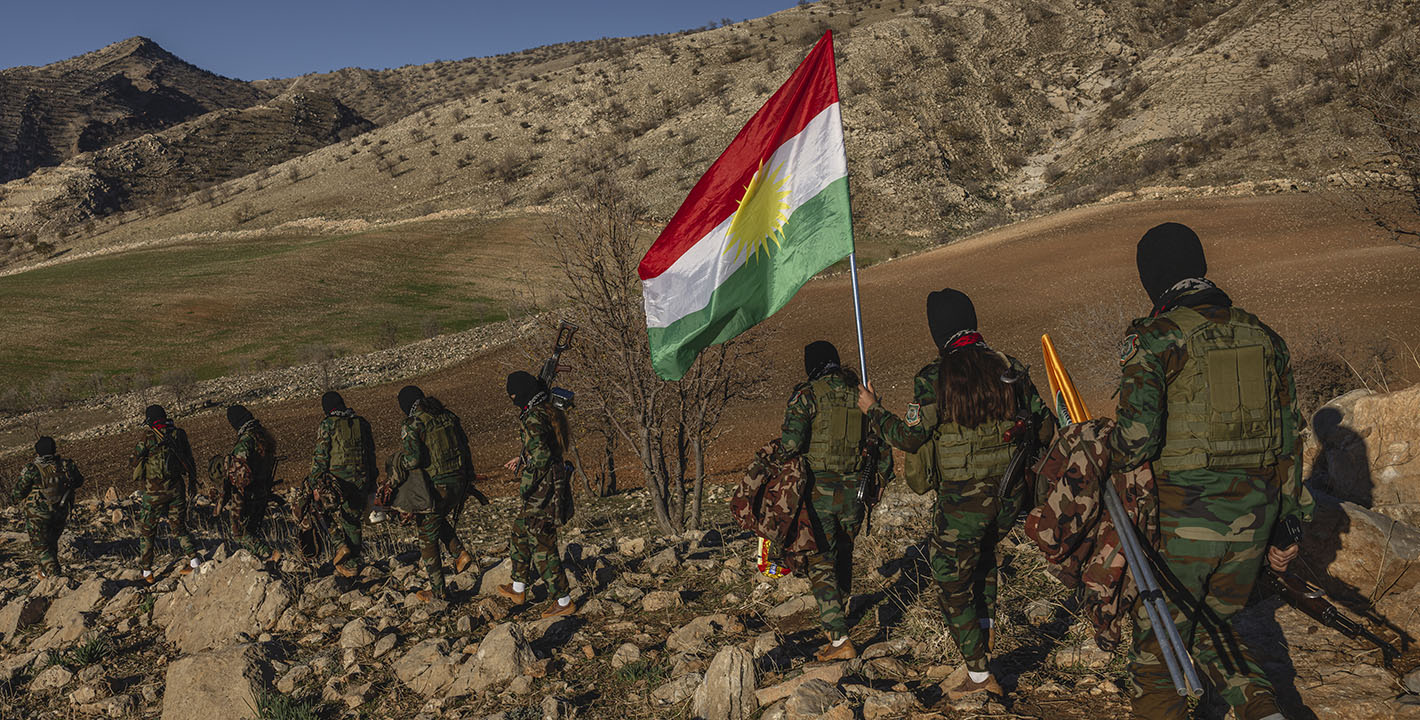
Following its deal with the United States, Iran may act against Iraq-based dissidents.
Wladimir van Wilgenburg
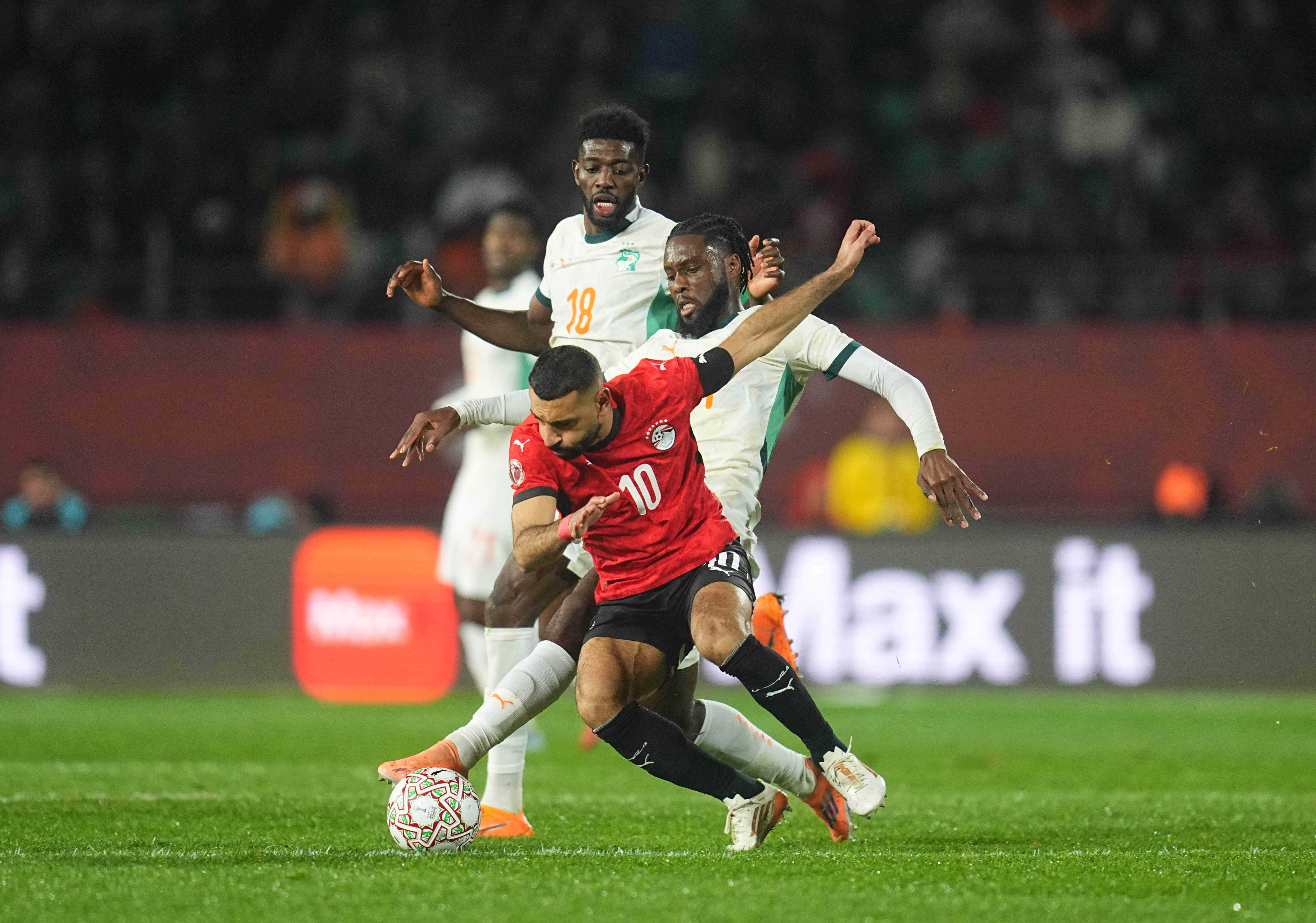
This will be the region’s most representative tournament, amid broad changes in its footballing landscape.

Issam Kayssi
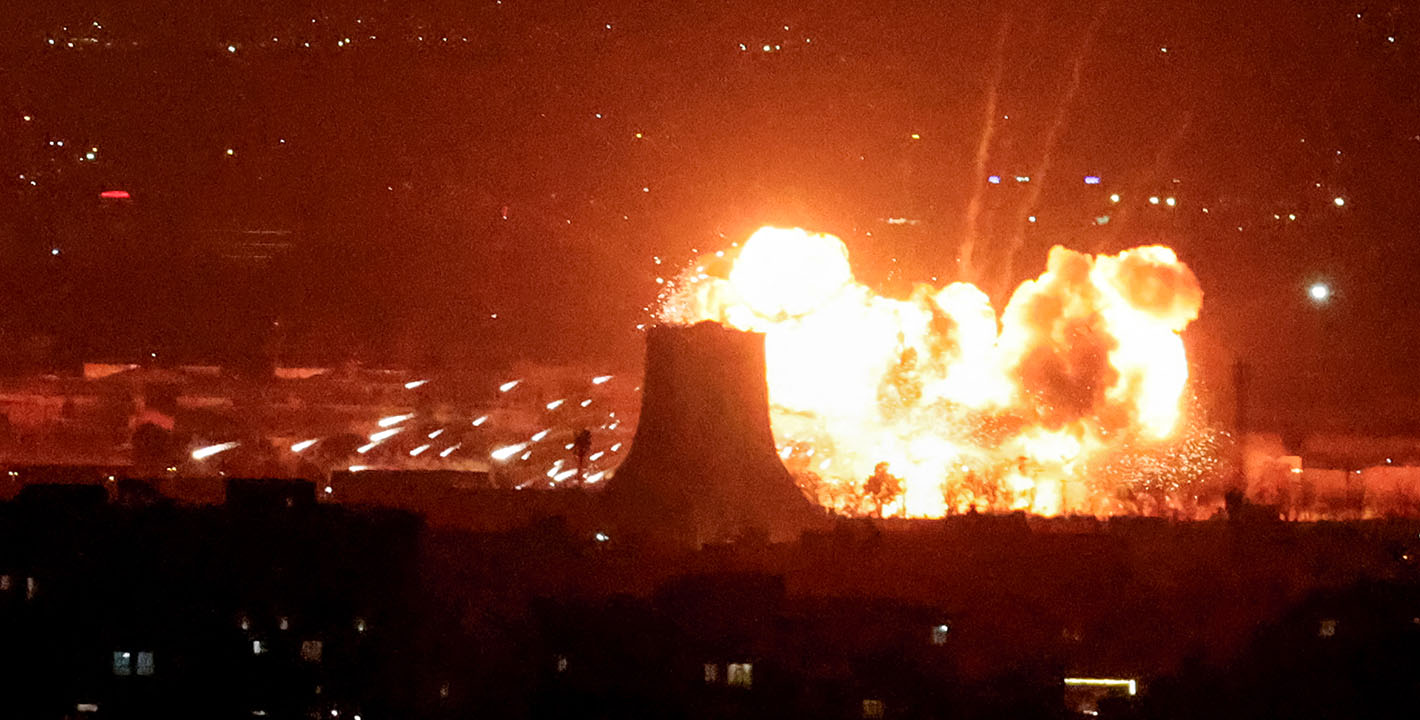
In an interview, Marc Lynch discusses his new book decrying the post-1990 U.S.-dominated order in the Middle East.

Michael Young
Because perpetual conflict enhances control, offers economic benefits, and allows leaders to ignore popular preferences.

Angie Omar