

Q&A
Steve Feldstein, Dara Massicot
{
  "authors": [
    "Steve Feldstein"
  ],
  "type": "legacyinthemedia",
  "centerAffiliationAll": "dc",
  "centers": [
    "Carnegie Endowment for International Peace"
  ],
  "collections": [],
  "englishNewsletterAll": "democracy",
  "nonEnglishNewsletterAll": "",
  "primaryCenter": "Carnegie Endowment for International Peace",
  "programAffiliation": "DCG",
  "programs": [
    "Democracy, Conflict, and Governance"
  ],
  "projects": [],
  "regions": [
    "North America",
    "United States",
    "Middle East",
    "United Arab Emirates"
  ],
  "topics": [
    "Global Governance",
    "Technology"
  ]
}
Source: Getty
As digital surveillance abuse challenges national security, what can national and foreign governments do to curb this breach of privacy?
Source: World Politics Review
Earlier this year, Reuters broke a stunning story. It disclosed that intelligence services from the United Arab Emirates had hired ex-U.S. operatives from the National Security Agency to hack into the iPhones of Emirati citizens in order to access their personal phone numbers, emails, passwords and even follow their location. The operation, code-named “Project Raven,” was supposed to track Islamic State cells. But Reuters uncovered a much more sinister pattern of surveillance. Under the guise of national security, Raven contractors broke into the personal communications of scores of human rights activists, civil society leaders and investigative journalists, both in the United Arab Emirates and in the United States, including American citizens.
One of the targets was Emirati activist Ahmed Mansoor, a public critic of the UAE’s human rights record; in 2015, he won the Martin Ennals Award for Human Rights Defenders, considered by some the Nobel Prize for human rights. Using an advanced surveillance tool named “Karma,” Raven operatives downloaded troves of material from Mansoor’s personal computer—email screenshots, private phone numbers, personal photos. The Emirati government then used this material to convict Mansoor in a secret 2017 trial, nominally for “damaging the country’s unity” after taking photos of a prisoner he visited in an Emirati jail, and sentenced him to 10 years in solitary confinement.
This article was originally published by the World Politics Review.

Senior Fellow, Democracy, Conflict, and Governance Program
Steve Feldstein is a senior fellow at the Carnegie Endowment for International Peace in the Democracy, Conflict, and Governance Program. His research focuses on technology, national security, the global context for democracy, and U.S. foreign policy.
Recent Work

Steve Feldstein, Dara Massicot

Jon Bateman, Steve Feldstein
Carnegie does not take institutional positions on public policy issues; the views represented herein are those of the author(s) and do not necessarily reflect the views of Carnegie, its staff, or its trustees.
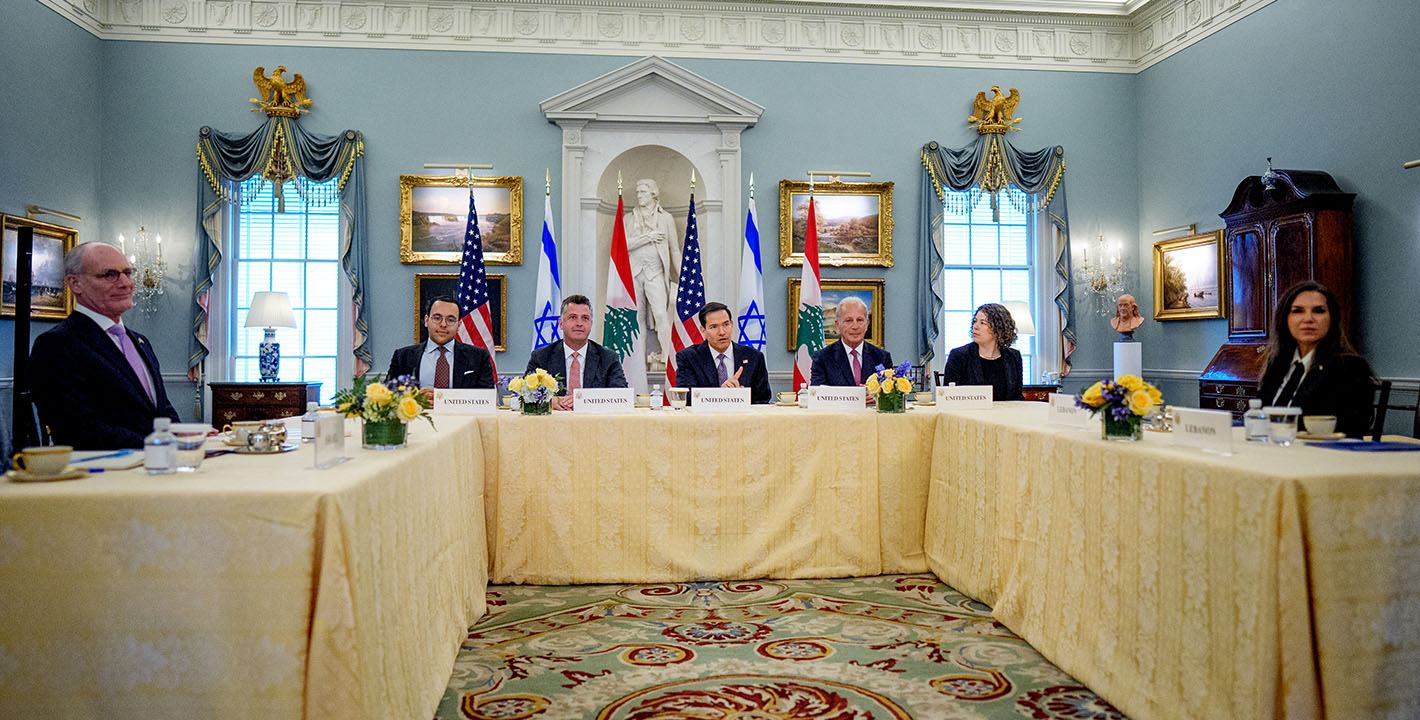
Beirut’s desire to break free from Iranian hegemony may push it into a situation where it has to accept Israel’s hegemony.

Michael Young
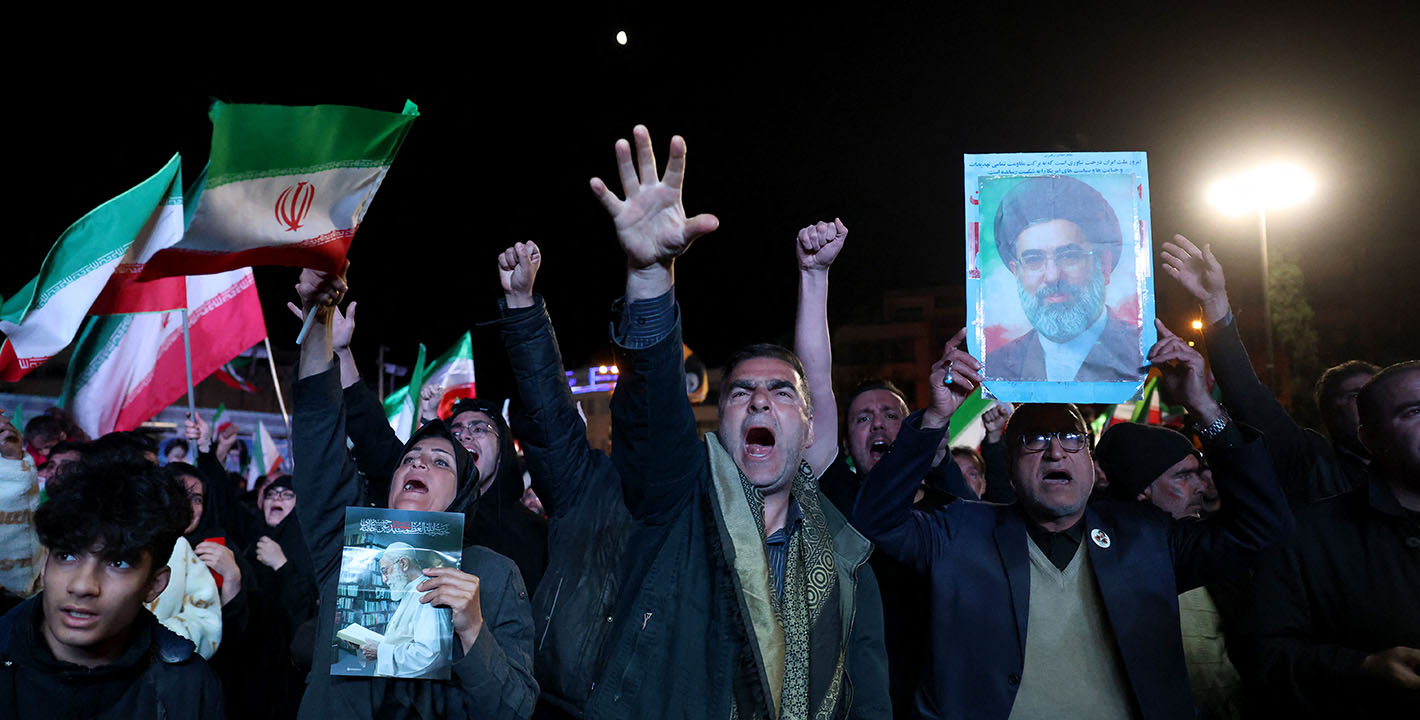
Spot analysis from Carnegie scholars on events relating to the Middle East and North Africa.
Michael Young
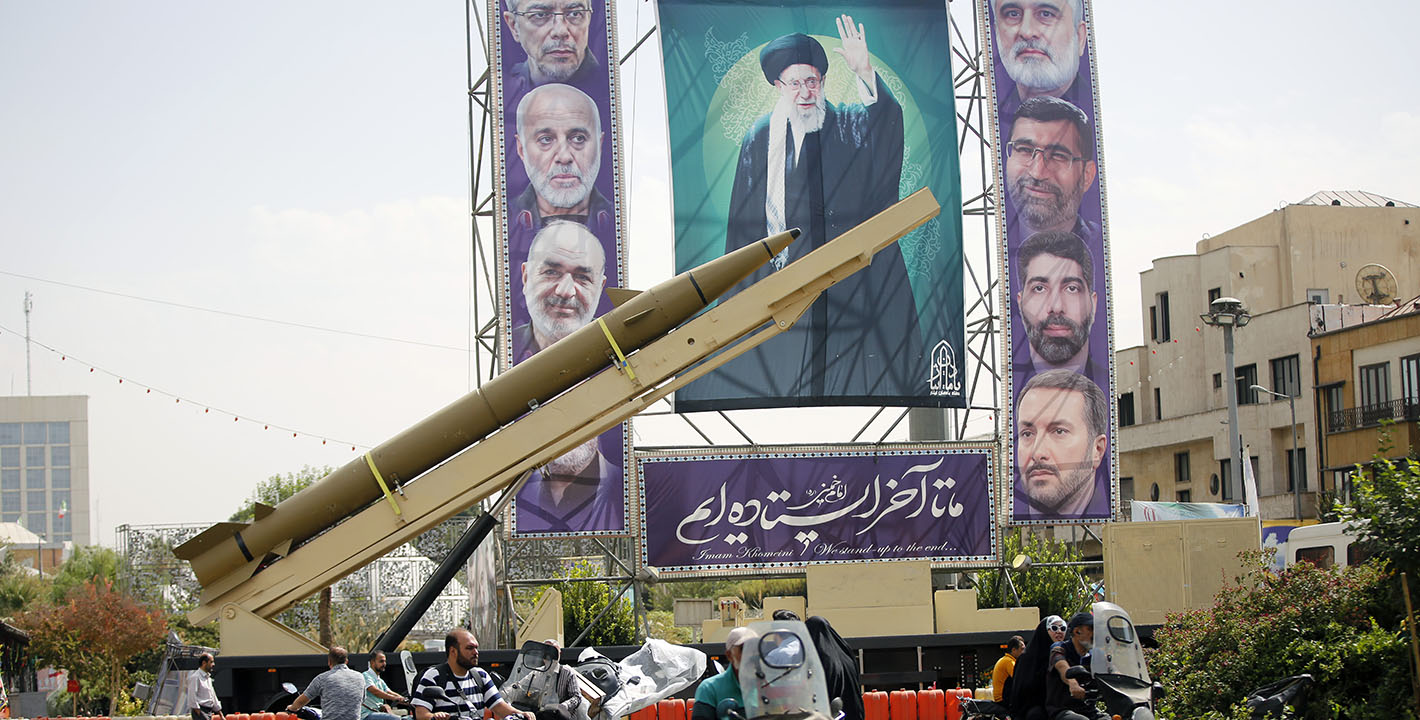
In an interview, Hamidreza Azizi discusses how Tehran has adapted in real time to the conflict with the United States and Israel.
Michael Young
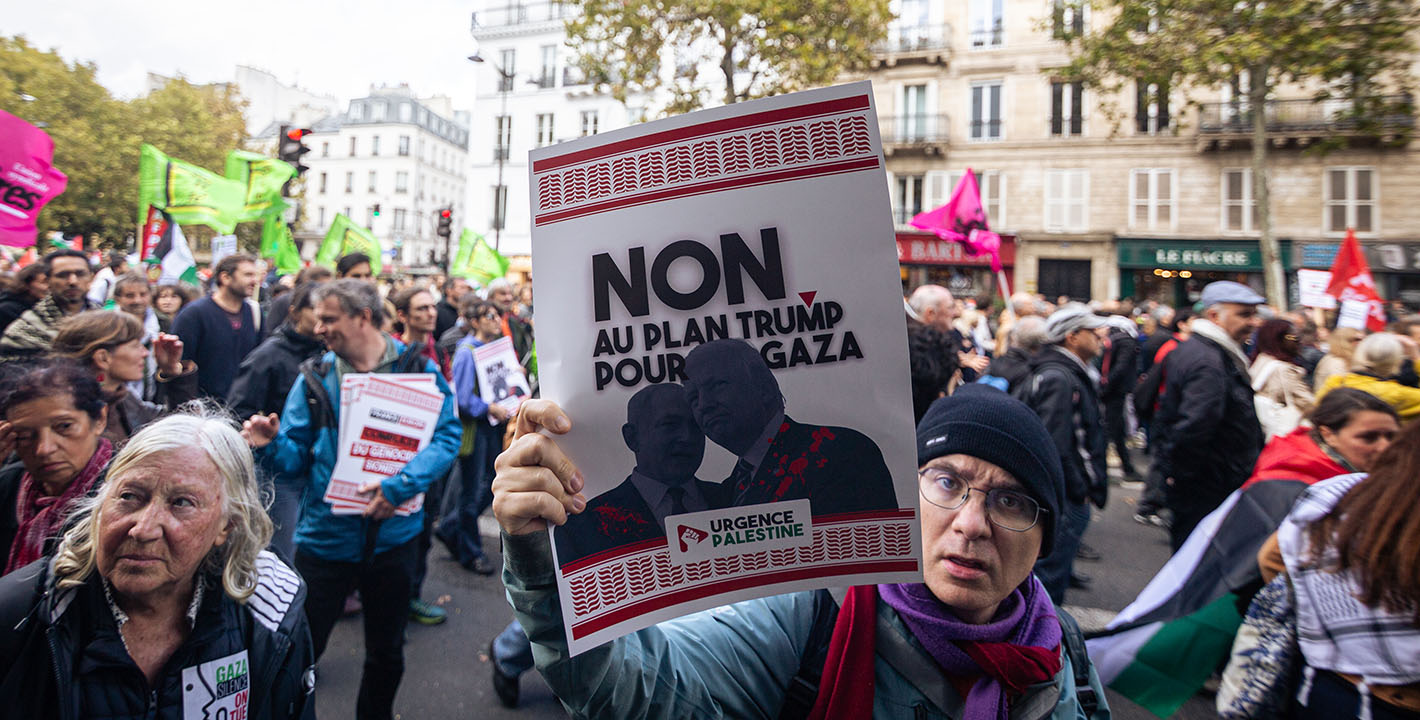
The simple conclusion is that the scheme will bring neither peace nor prosperity, but will institutionalize devastation.

Nathan J. Brown

In an interview, Roger Diwan discusses where the global economy may be going in the third week of the U.S.-Israeli war with Iran.
Nur Arafeh