

Commentary
H. A. Hellyer
{
  "authors": [
    "H. A. Hellyer"
  ],
  "type": "legacyinthemedia",
  "centerAffiliationAll": "dc",
  "centers": [
    "Carnegie Endowment for International Peace",
    "Malcolm H. Kerr Carnegie Middle East Center"
  ],
  "collections": [],
  "englishNewsletterAll": "menaTransitions",
  "nonEnglishNewsletterAll": "",
  "primaryCenter": "Carnegie Endowment for International Peace",
  "programAffiliation": "MEP",
  "programs": [
    "Middle East"
  ],
  "projects": [],
  "regions": [],
  "topics": [
    "Political Reform",
    "Religion"
  ]
}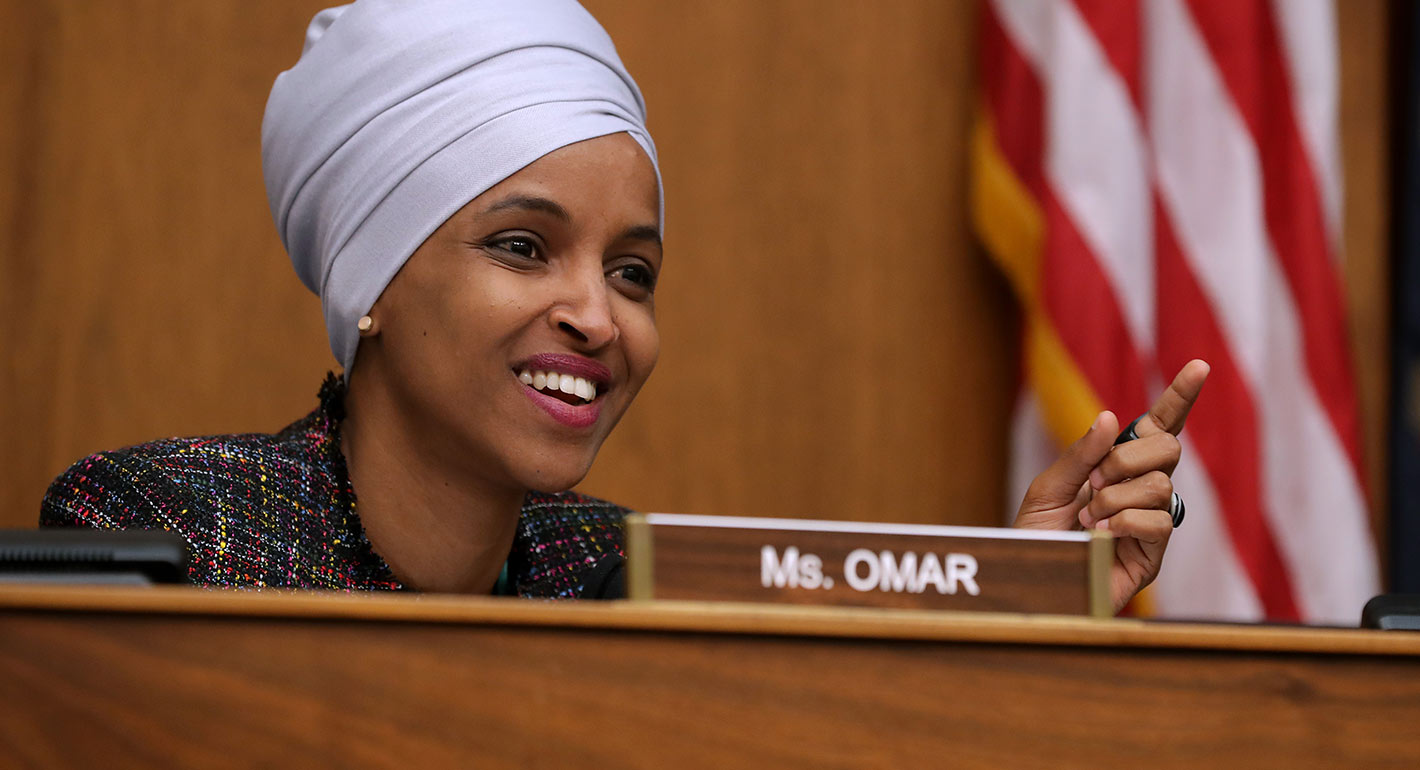
Source: Getty
There are a number of questions that should be asked about what assumptions lie behind questions asked of visibly Muslim westerners–not only in public life, but more generally in society, too.
Source: National
At a recent public event in Washington DC, Ilhan Omar, a US Congresswoman from Minnesota, had a harsh rebuttal to a question about female genital mutilation. The questioner wanted Ms Omar to condemn FGM.
Ms Omar, quite appropriately, pointed out that implicit in the question was an assumption about her record on the issue, and about Muslims in public life more generally. Beyond FGM, there are a number of questions that should be asked about what assumptions lie behind our questions to visibly Muslim westerners – not only in public life, but more generally in our society, too.
Former Nonresident Scholar, Middle East Program
Dr. H.A. Hellyer was a nonresident scholar at the Carnegie Endowment for International Peace. He serves as a senior associate fellow at the Royal United Services Institute for Defence and Security Studies in London, and as a Cambridge University fellow.
Recent Work
H. A. Hellyer
H. A. Hellyer
Carnegie does not take institutional positions on public policy issues; the views represented herein are those of the author(s) and do not necessarily reflect the views of Carnegie, its staff, or its trustees.
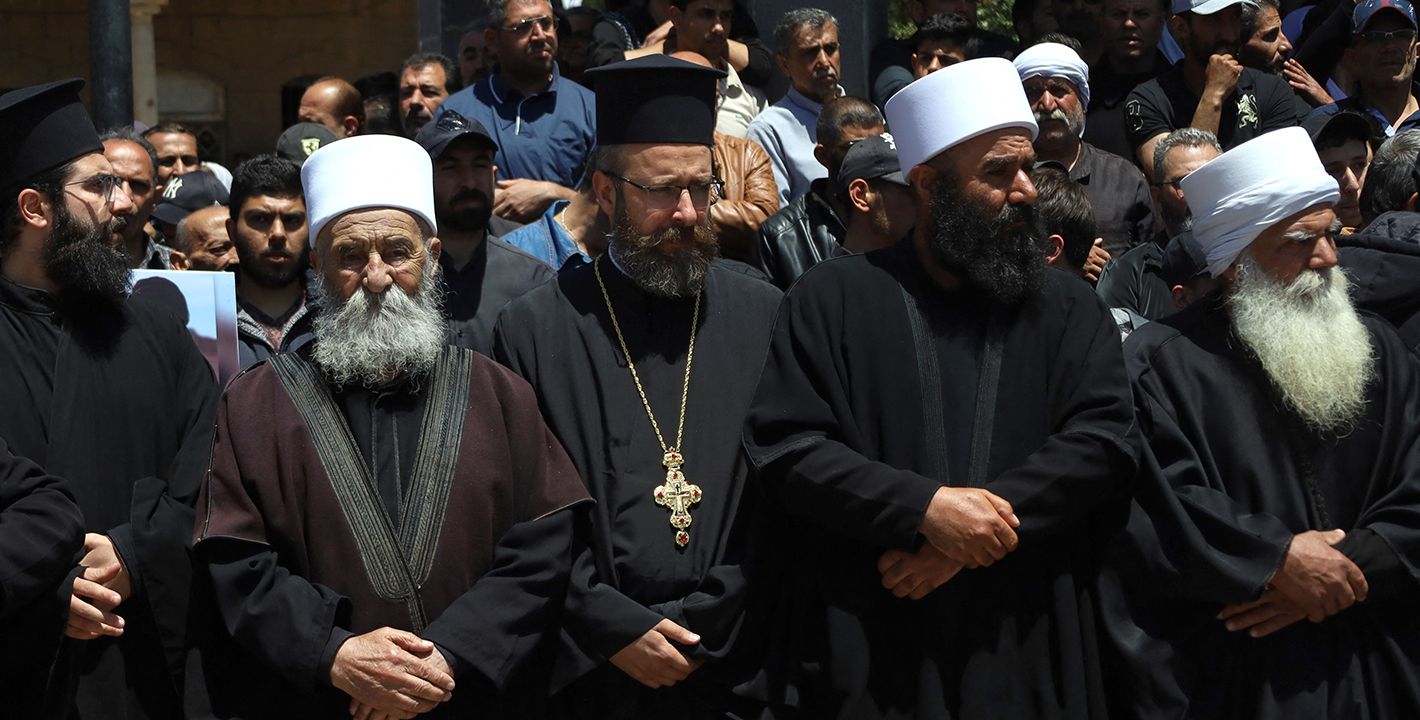
In an interview, Peter Harling discusses the fate of religious communities in the Syrian transformation.

Michael Young
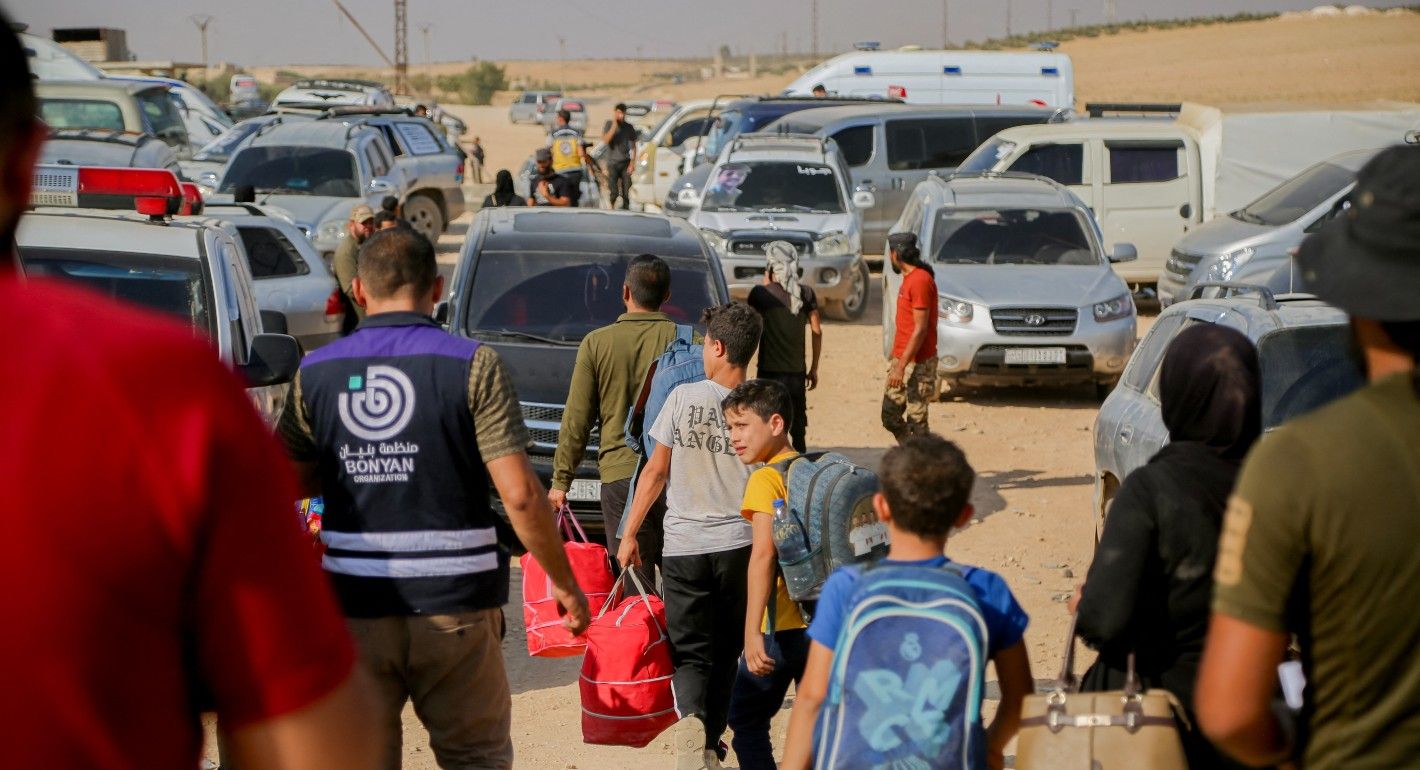
A humanitarian crisis in Lebanon deepens, and Syrian refugees face a perilous choice: remain in a war-torn environment or return to Syria where they risk encountering significant dangers and discrimination. There are significant challenges and risks to their search for safety in Syria.
Haid Haid
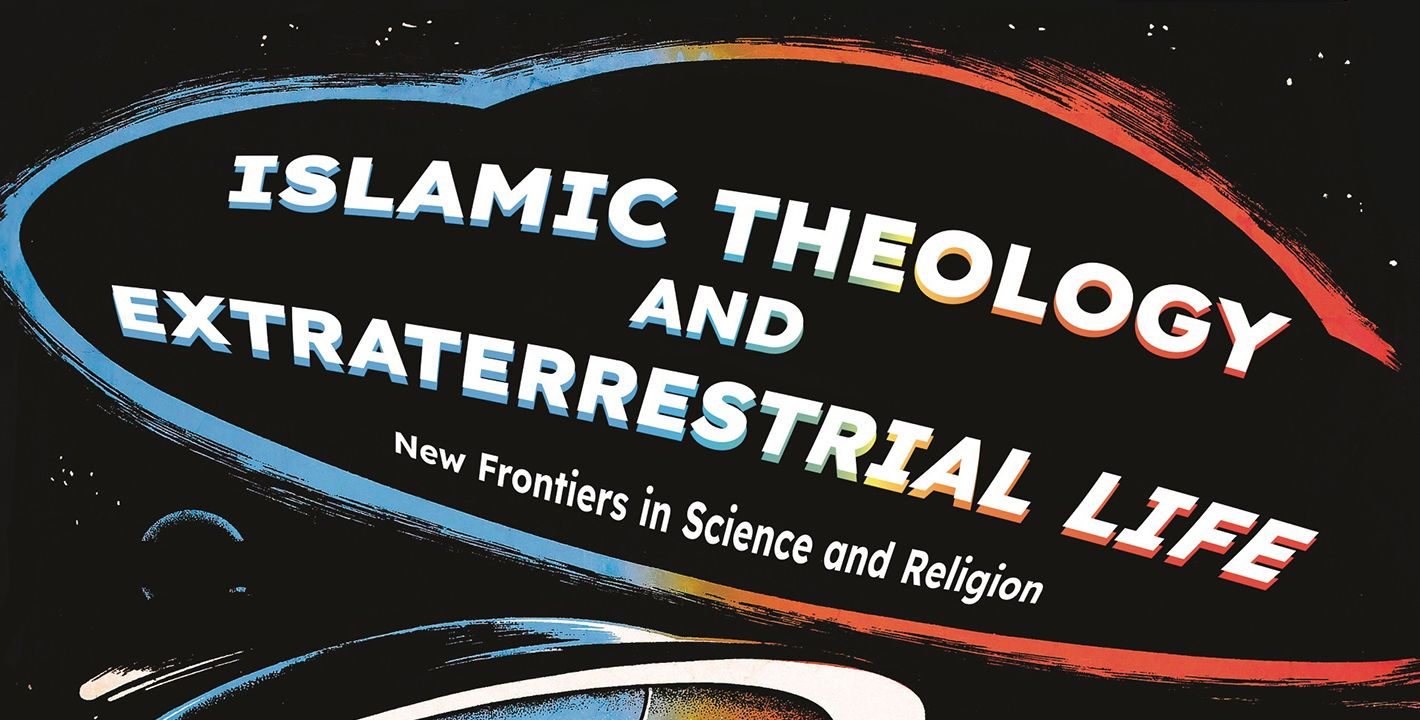
In an interview, Shoaib Ahmed Malik discusses his coedited book on Islam and extraterrestrial life.
Rayyan Al-Shawaf
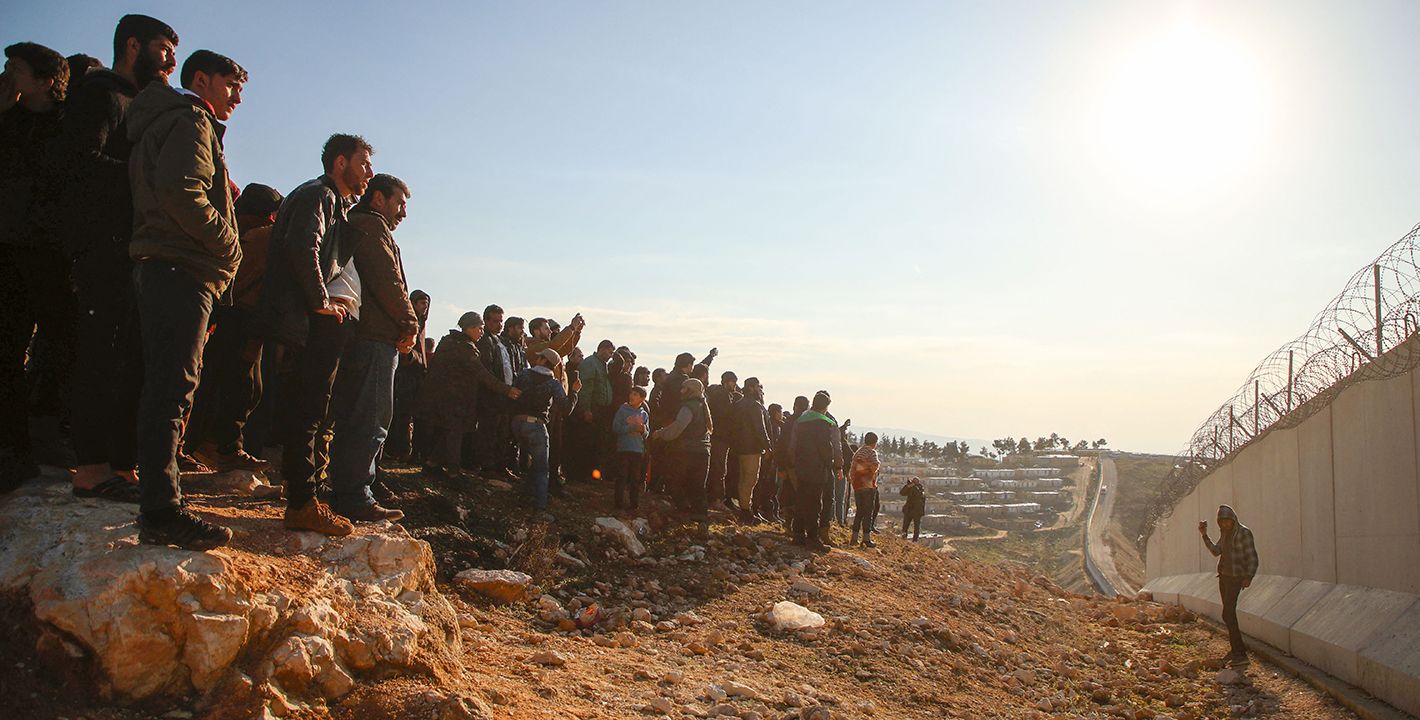
In Syria’s border regions, changes in demographics, economics, and security mean that an inter-Syrian peace process will require consensus among main regional powers that Syria must remain united, that no one side can be victorious, and that perennial instability threatens the region.


Kheder Khaddour, Armenak Tokmajyan
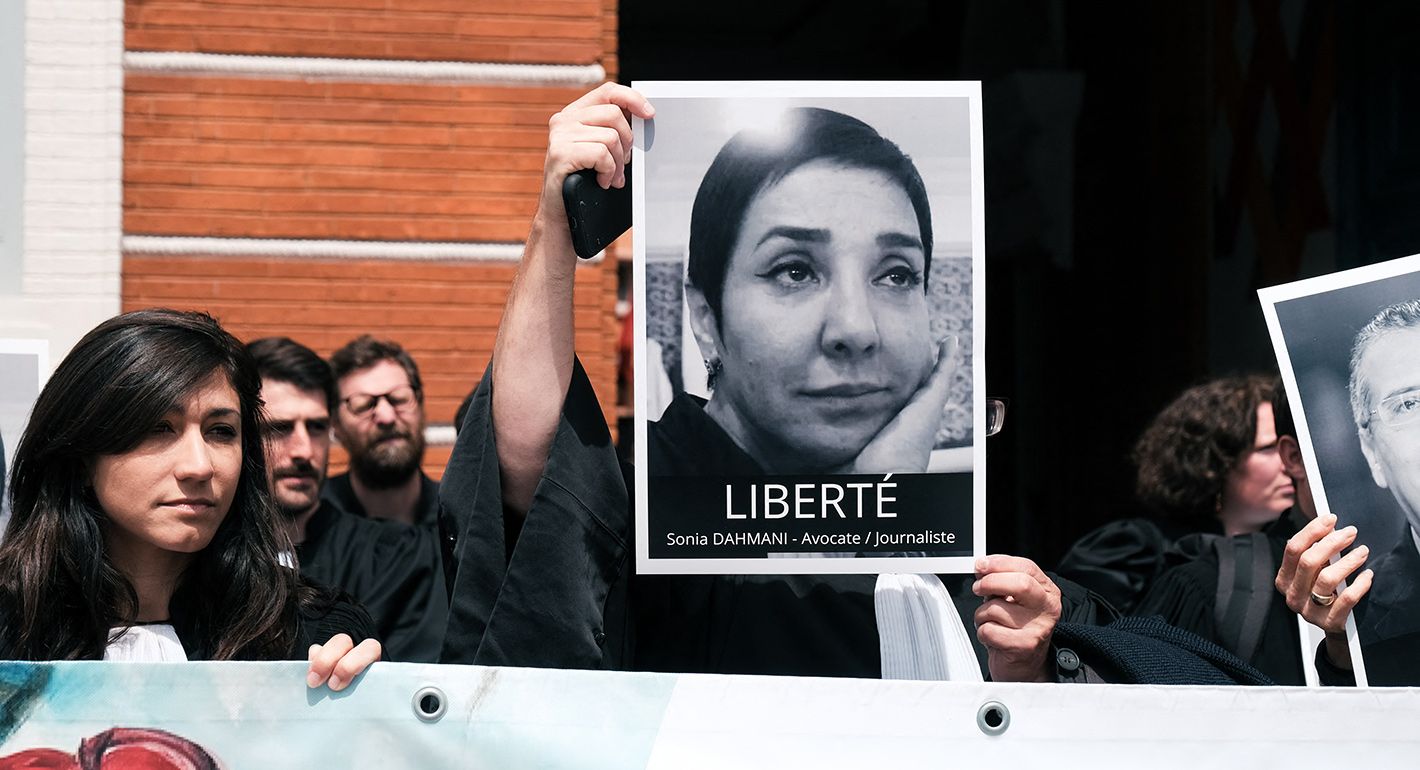
For many in the society, the post-Ben Ali years were mainly about successive economic crises and political instability.
Jasmine Khelil