

Commentary
In an interview, Marc Lynch discusses his new book decrying the post-1990 U.S.-dominated order in the Middle East.
Michael Young
{
  "authors": [
    "Mareena Robinson Snowden"
  ],
  "type": "other",
  "centerAffiliationAll": "dc",
  "centers": [
    "Carnegie Endowment for International Peace"
  ],
  "collections": [
    "Korean Peninsula"
  ],
  "englishNewsletterAll": "ctw",
  "nonEnglishNewsletterAll": "",
  "primaryCenter": "Carnegie Endowment for International Peace",
  "programAffiliation": "NPP",
  "programs": [
    "Nuclear Policy"
  ],
  "projects": [],
  "regions": [
    "East Asia",
    "North Korea"
  ],
  "topics": [
    "Nuclear Policy",
    "Arms Control"
  ]
}
Source: Getty
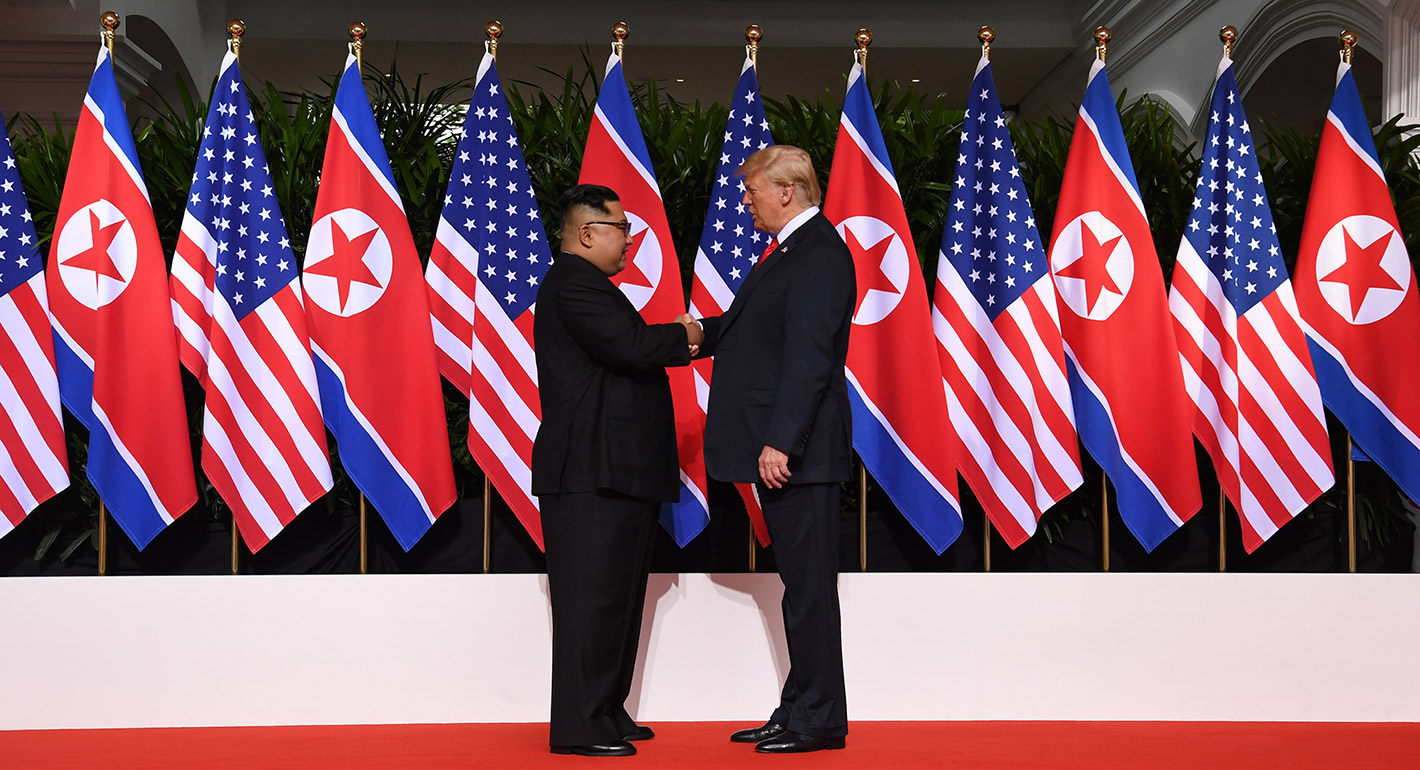
Implementing an agreement on the denuclearization of North Korea will require a creatively designed verification scheme. The probabilistic approach to verification could be a solution to the need to design a credible, implementable agreement to which the United States and North Korea could agree.
Source: Arms Control Today
Although U.S.-North Korean talks have stalled, North Korean leader Kim Jong Un has abided by an apparent moratorium on nuclear testing, keeping alive hopes that an agreement can be reached to denuclearize North Korea. Implementing such an agreement with North Korea, if one can be negotiated, would constitute an unprecedented challenge for the international community.
Verifying such an agreement would require building a monitoring regime that goes well beyond traditional international safeguards and bilateral arms control approaches while accommodating legitimate North Korean concerns over intrusiveness, which would practically preclude “anytime, anywhere” inspections. Creativity will be needed to design a verification scheme to which the United States and North Korea could agree and that could be implemented in affordable and practical ways and that politicians would deem credible.
The full version of this article is available in the September 2019 edition of Arms Control Today.
Former Stanton Nuclear Security Fellow, Nuclear Policy Program
Mareena Robinson Snowden was a Stanton nuclear security fellow with the Nuclear Policy Program at the Carnegie Endowment for International Peace.
Carnegie does not take institutional positions on public policy issues; the views represented herein are those of the author(s) and do not necessarily reflect the views of Carnegie, its staff, or its trustees.
In an interview, Marc Lynch discusses his new book decrying the post-1990 U.S.-dominated order in the Middle East.

Michael Young
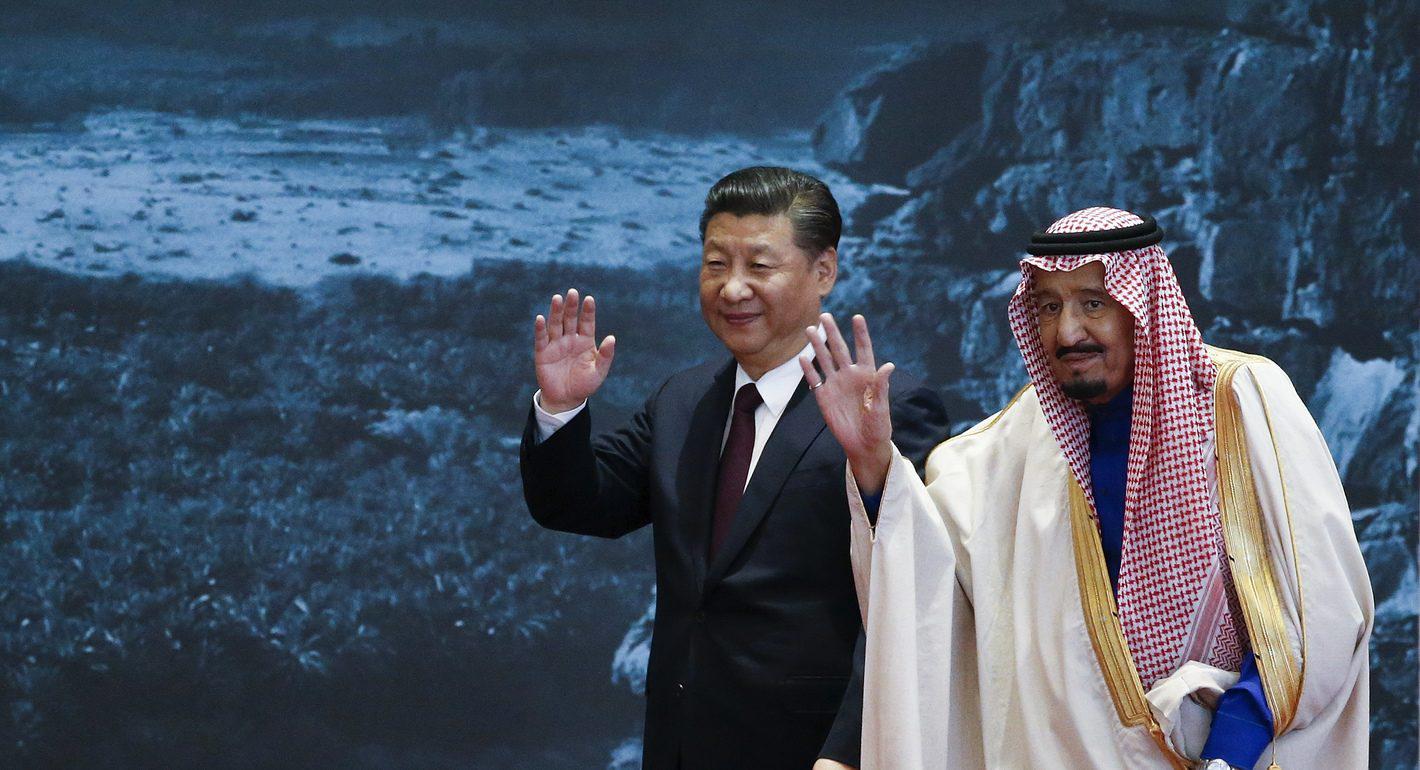
The advantage that China has over other global powers, especially America, is that its foreign policy is closely aligned with those of many of the Middle Eastern countries.


Jin Liangxiang, Maha Yahya, Hesham Alghannam
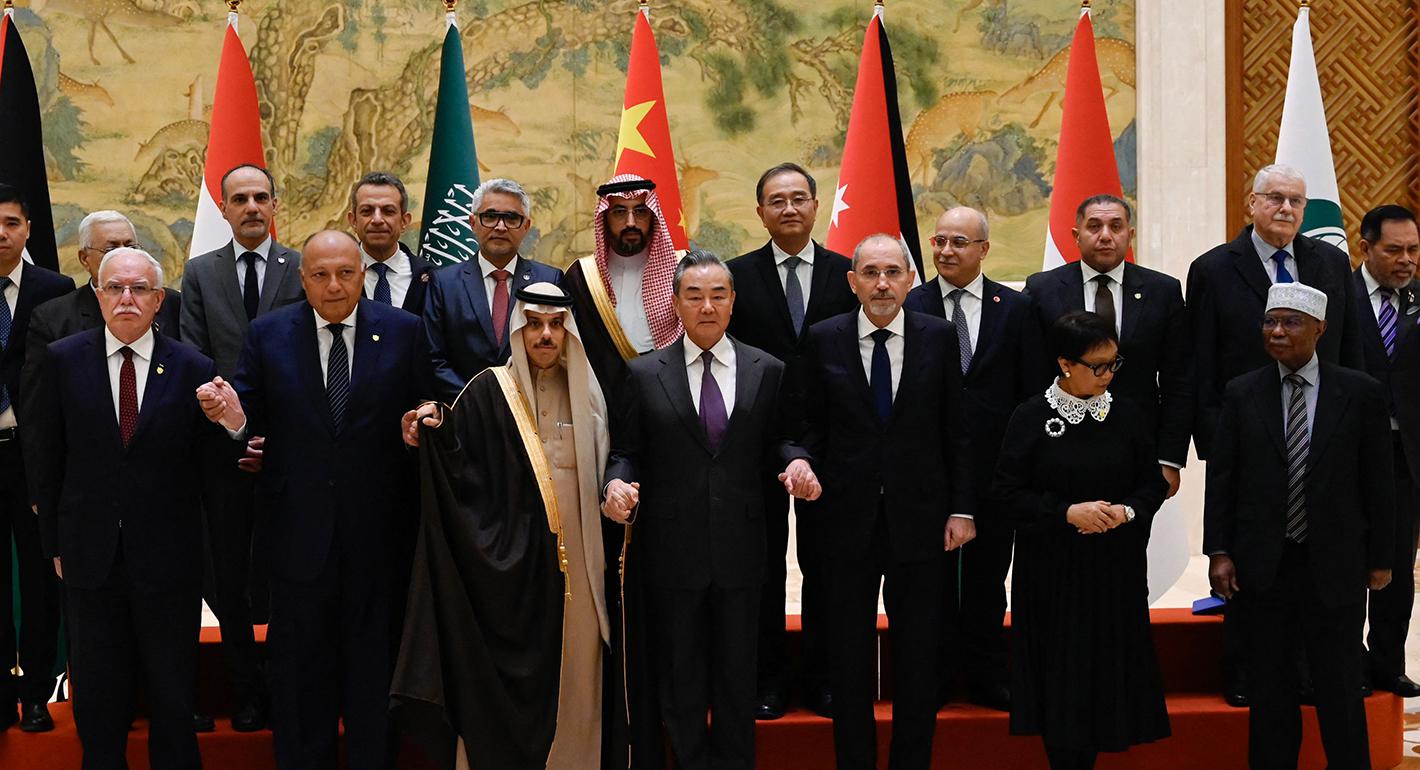
To create an environment more conducive to cooperation and development, U.S. and Chinese efforts should seek the endorsement of neighboring countries and regional organizations. Otherwise, regional and geopolitical rivalries will remain barriers.
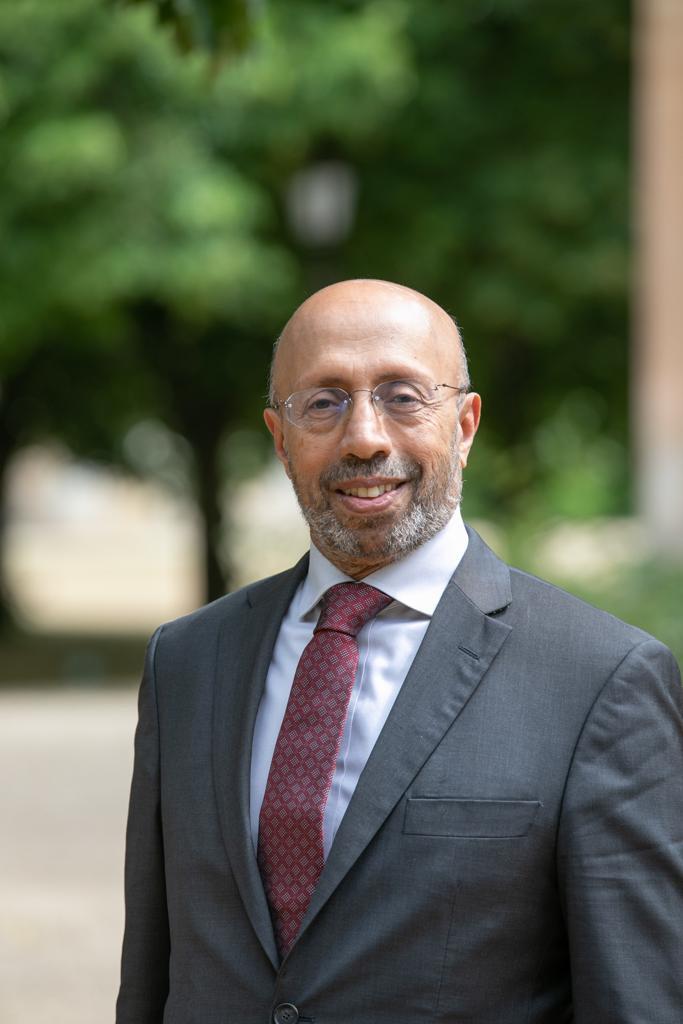
Abdullah Baabood

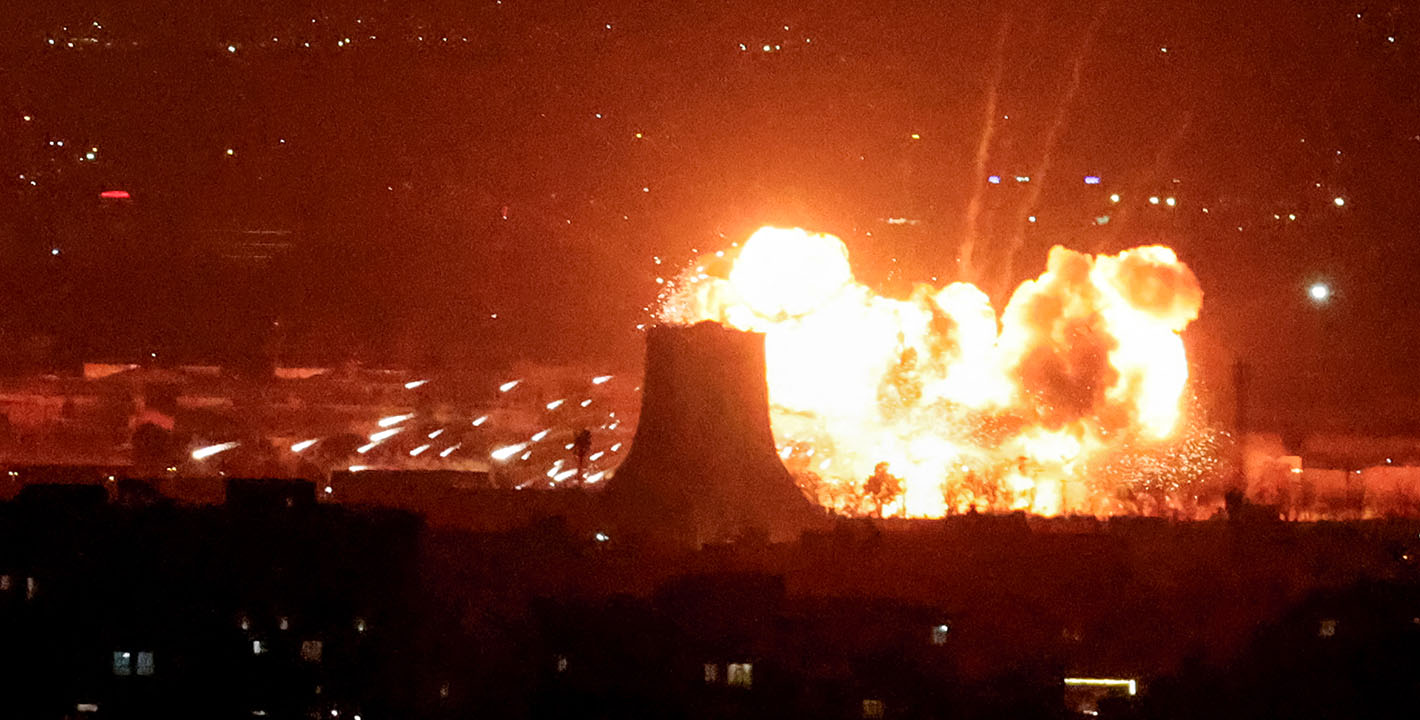
Scholars from Carnegie’s global network comment on how the ongoing conflict between Israelis and Palestinians is affecting their areas of interest, and what the implications of this may be.


Maha Yahya, Rosa Balfour, Judy Dempsey, …
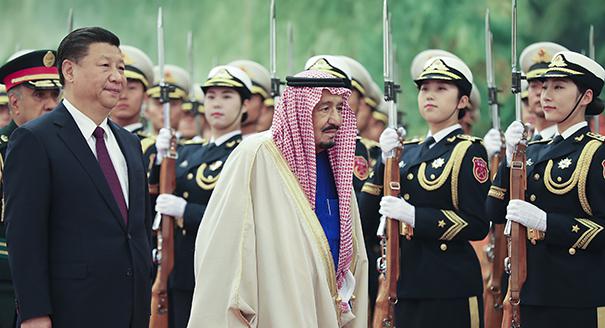
In an interview, Abdullah Baabood discusses Beijing’s evolving role in the Gulf region, where its priority is stability.
Michael Young