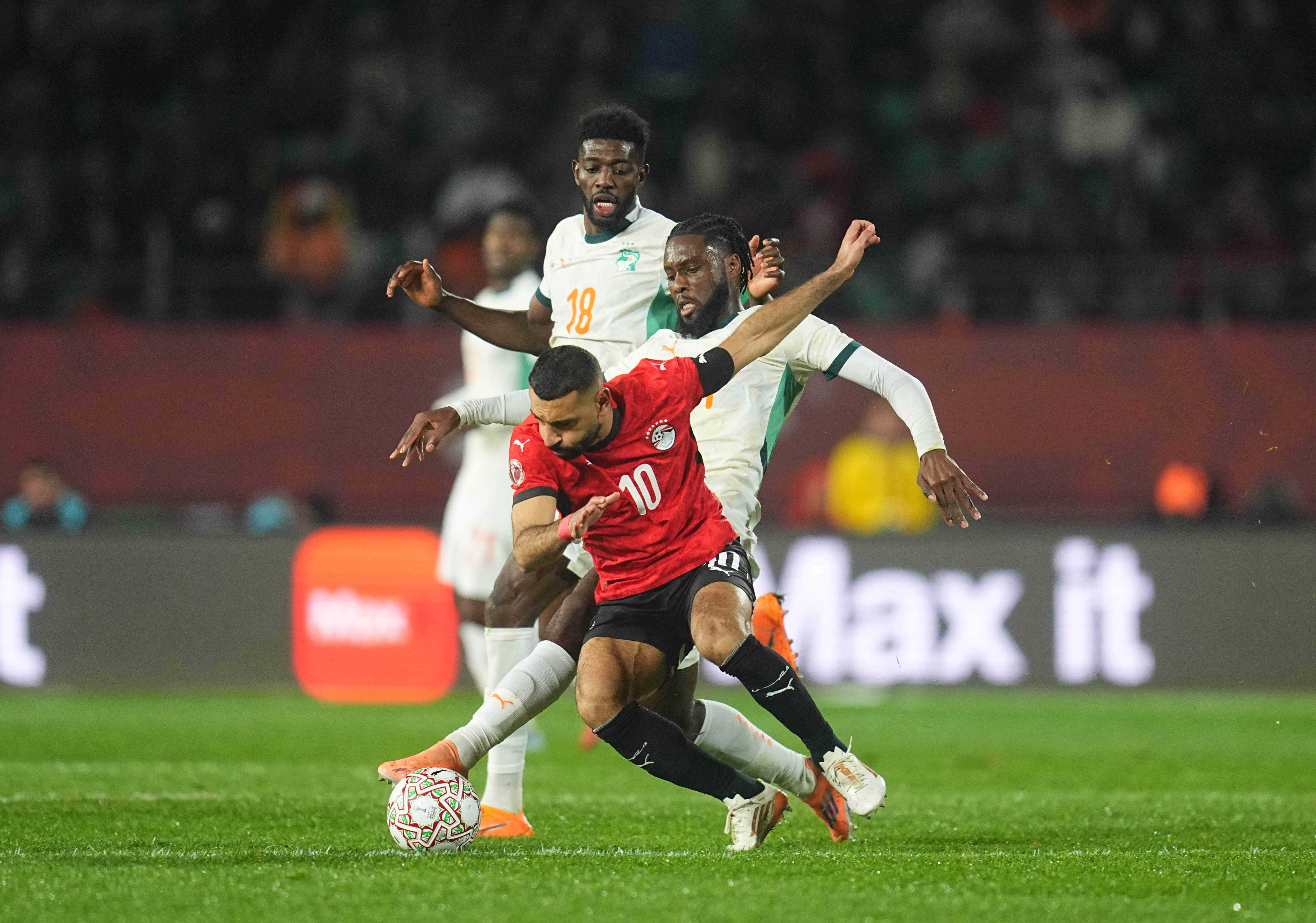
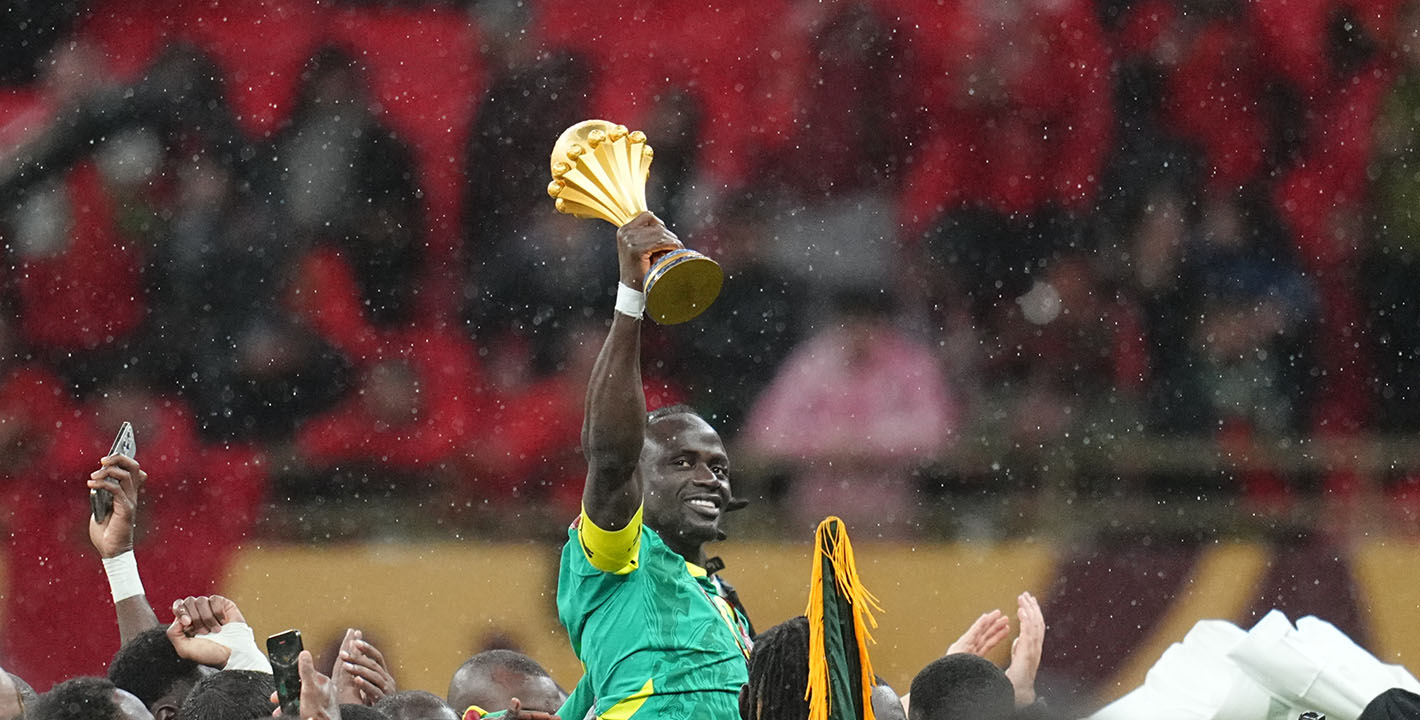
The recent African Cup of Nations tournament in Morocco touched on issues that largely transcended the sport.
Issam Kayssi, Yasmine Zarhloule
{
"authors": [
"The Working Group On Egypt"
],
"type": "other",
"centerAffiliationAll": "dc",
"centers": [
"Carnegie Endowment for International Peace"
],
"collections": [
"Arab Awakening"
],
"englishNewsletterAll": "menaTransitions",
"nonEnglishNewsletterAll": "",
"primaryCenter": "Carnegie Endowment for International Peace",
"programAffiliation": "MEP",
"programs": [
"Middle East"
],
"projects": [],
"regions": [
"North Africa",
"Egypt"
],
"topics": [
"Political Reform",
"Democracy"
]
}Source: Getty
A call on U.S. government officials to restate clearly the United States’ support for peaceful protests in Egypt.
September 25, 2019
As members of the Working Group on Egypt (a bipartisan group of foreign affairs experts formed in 2010), we call on U.S. government officials to restate clearly the United States’ support for peaceful protests in Egypt. Authorities there have arrested more than 1,400 people after peaceful anti-corruption protests broke out in 14 Egyptian provinces on September 20 and 21.
More protests are possible in the coming days and weeks. In Egypt, President Trump’s statements after meeting with President Abdel Fattah al-Sisi on September 23 are being interpreted as giving Sisi a green light to use force against demonstrators and to engage in a broader crackdown.
We ask U.S. officials in the executive and legislative branches to make clear that the United States continues to stand for the following principles regarding demonstrations in Egypt, just as it has done recently regarding protests in Russia, Hong Kong, Iran, and Sudan:
Robert Kagan (co-chair)
Michele Dunne (co-chair)
Reuel Gerecht
Amy Hawthorne
Neil Hicks
Thomas Hill
Sarah Margon
Stephen McInerney
Andrew Miller
Tamara Wittes
Ken Wollack
The Working Group On Egypt
Carnegie does not take institutional positions on public policy issues; the views represented herein are those of the author(s) and do not necessarily reflect the views of Carnegie, its staff, or its trustees.
The recent African Cup of Nations tournament in Morocco touched on issues that largely transcended the sport.
Issam Kayssi, Yasmine Zarhloule
The UN Support Mission in the country should reassess its approach so that consensus between the warring parties becomes the eventual goal, rather than a procedural matter that dogs the negotiating process at every turn.
Soraya Rahem
Mustaqbal Misr has expanded its portfolio with remarkable speed, but a lack of transparency remains.
Yezid Sayigh
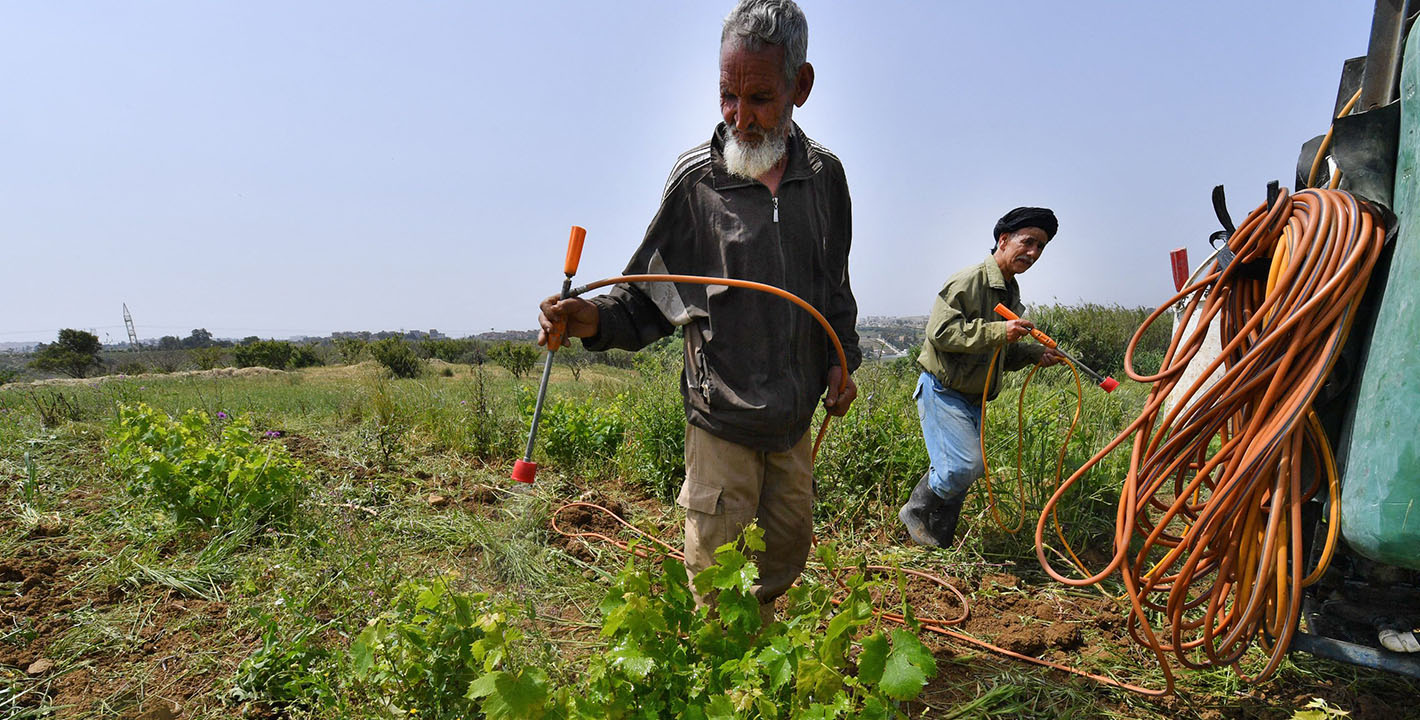
The burden of environmental degradation is felt not only through physical labor but also emotional and social loss.
Yasmine Zarhloule, Ella Williams
For the traditionally nomadic Amazigh pastoralists in the Draa-Tafilalet region, environmental change has exacerbated long-standing inequities, forcing the community to adapt, which has laid bare the blind spots of state-centered climate policy frameworks.
Yasmine Zarhloule, Ella Williams