

Paper
Christopher S. Chivvis, Rohan Mukherjee, Milan Vaishnav
{
  "authors": [
    "Milan Vaishnav"
  ],
  "type": "legacyinthemedia",
  "centerAffiliationAll": "dc",
  "centers": [
    "Carnegie Endowment for International Peace"
  ],
  "collections": [],
  "englishNewsletterAll": "ctw",
  "nonEnglishNewsletterAll": "",
  "primaryCenter": "Carnegie Endowment for International Peace",
  "programAffiliation": "SAP",
  "programs": [
    "South Asia"
  ],
  "projects": [],
  "regions": [
    "South Asia",
    "India"
  ],
  "topics": [
    "Political Reform"
  ]
}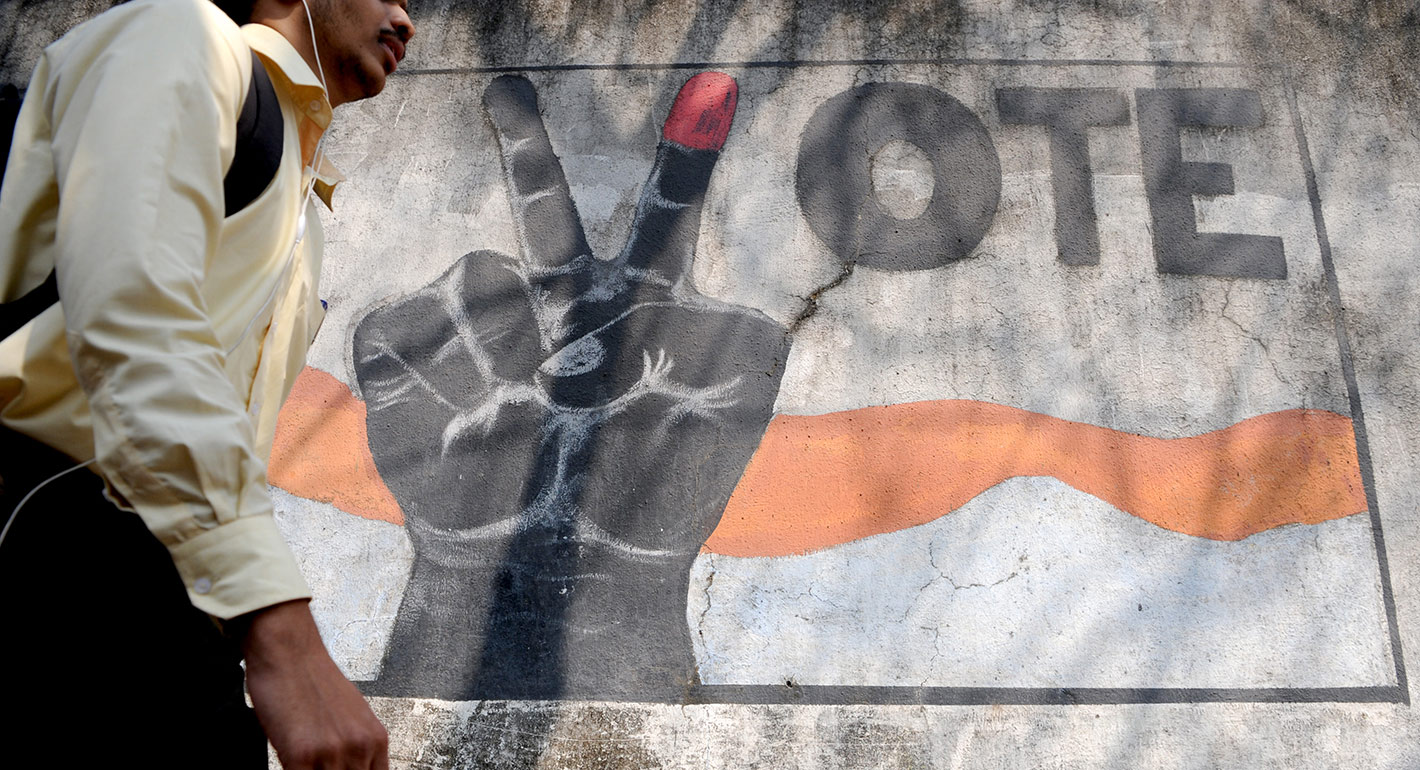
Source: Getty
The BJP is preparing for a third term. The Congress is still reeling from its loss of 2014.
Source: Hindustan Times
“Watershed” or “realigning” elections signal a structural break in a country’s political dynamics and the marking of a new era of political competition. They herald a shifting political geography, destruction of old political bedfellows, and the construction of new ones. The 1980 US presidential election that created a generation of white, working class “Reagan Democrats” is an archetypal example.
Realigning elections are difficult to discern ex ante; their impact on the party system is typically only apparent with the benefit of hindsight. The Bharatiya Janata Party (BJP)’s 2019 election triumph leaves no doubt that 2014 was the harbinger of a new era in Indian politics rather than an aberrant black swan. Watershed elections typically prompt soul-searching by the opposition and a sense of complacency among the victorious. In India, one party has conducted a thorough post-election evaluation, dissecting the reasons for its under-performance and establishing new systems to deliver better outcomes. Ironically, this party is the victor, not the vanquished.
If one had to summarise the state of national-level politics in one sentence, it would be this: One hundred days into its second term, the BJP is focused on securing a third mandate in 2024 while the Congress is still reeling from the debacle of 2014. “Keep striving hard to win all that you’ve lost. Win over your opponents and focus on winning 2024 election from now on,” Prime Minister Narendra Modi told BJP legislators in early August, even before the dust had settled on the 2019 race.
Indeed, the BJP is troubled by its underwhelming performance in southern India, outside of Karnataka and the four seats it snatched in Telangana. In Andhra Pradesh, the BJP’s vote share plummeted below one percent. In Kerala, the BJP failed to make much of a dent. And this too in the wake of the Sabarimala affair, which the party hoped would galvanise Hindu voters. Rather than dithering, the party has set the wheels in motion on a new “southern strategy” it hopes will pay dividends in 2024. At present, turning the south saffron sounds like a pipe dream. Talk of the BJP winning 18 seats in West Bengal and 40% of the vote once sounded outlandish too — and, yet, here we are.
While political scientists debate the factors that fuelled the BJP’s 2019 victory, there is no dispute that the party — backed by the Sangh Parivar — succeeded in convincing voters that any temporary succour the state may have brought, from a gas connection to regular electricity, is thanks to one man and one man alone. To propagate the government’s work, the party is strengthening its coordination with the Rashtriya Swayamsevak Sangh (RSS). As first reported in this paper, the latter will appoint sangathan mantris in every district to foster closer grassroots linkages between the RSS and its political affiliate.
The contrast with the Congress could not be starker. Like generals obsessed with fighting the last war, irritated Congress leaders regularly dismissed talk of India’s de facto presidential elections. They insisted that India was a parliamentary system in which the alliance that earned a majority would later decide who to name as their prime ministerial face. In retrospect, a fight between the most popular politician in India and a question mark was never much of a match at all.
In Rahul Gandhi’s abrupt departure, the Congress had a golden opportunity to publicly commit to a revolution from within. By insisting that Sonia Gandhi reclaim the presidency, Congress bosses have suffocated any such hopes. This is not a judgment on the Gandhi matriarch’s political mettle. Rather, it is an acknowledgment that the Congress is trapped by its defining feature: The supremacy of the dynasty has held the party together in the past, but it also limits its future rebirth.
In the battle of ideas, the BJP has also cornered the Congress. As Suhas Palshikar has noted, the BJP’s ideological hegemony is built on the twin planks of nationalism and a new welfarism. There are appear to be fewer takers for the brand of Nehruvian secularism the Congress has long advanced; the Congress opportunism and the BJP’s attempts to equate secularism with “minority appeasement” have dealt it a harsh blow. There may be a silent majority in favour of secularism, but not in the way it’s been practiced. Furthermore, the BJP has succeeded in saturating the pro-welfare space the Congress once occupied by dressing up old Congress schemes with advertising that would make Madison Avenue blush. The Congress can only gnash its teeth and accuse the BJP of pilfering its ideas.
In the short term, that leaves the sinking economy as the grounds on which the Congress can best mount a sustained attack. An underwhelming budget, troubling global headwinds, and the BJP’s half-hearted policy response have left the ruling party vulnerable. The government can invalidate 86% of currency overnight, strike terror camps in Pakistani territory, and undo Jammu and Kashmir’s constitutional status within hours. And, yet, it cannot make the case for labour reform or disinvestment? The failure to enact audacious reform can no longer be chalked up to political resistance — it is a concerted choice. The Congress could try to outflank the BJP by rebranding itself as the progenitor of liberal reforms, as the party of PV Narasimha Rao and the 1991 opening. This, too, is a choice. Alas, it is not one the Congress is likely to make.
This article was originally published by the Hindustan Times.

Director and Senior Fellow, South Asia Program
Milan Vaishnav is a senior fellow and director of the South Asia Program and the host of the Grand Tamasha podcast at the Carnegie Endowment for International Peace. His primary research focus is the political economy of India, and he examines issues such as corruption and governance, state capacity, federalism, and electoral behavior. He also conducts research on the Indian diaspora.
Recent Work

Christopher S. Chivvis, Rohan Mukherjee, Milan Vaishnav



Sophia Besch, Eric Ciaramella, Steve Feldstein, …
Carnegie does not take institutional positions on public policy issues; the views represented herein are those of the author(s) and do not necessarily reflect the views of Carnegie, its staff, or its trustees.
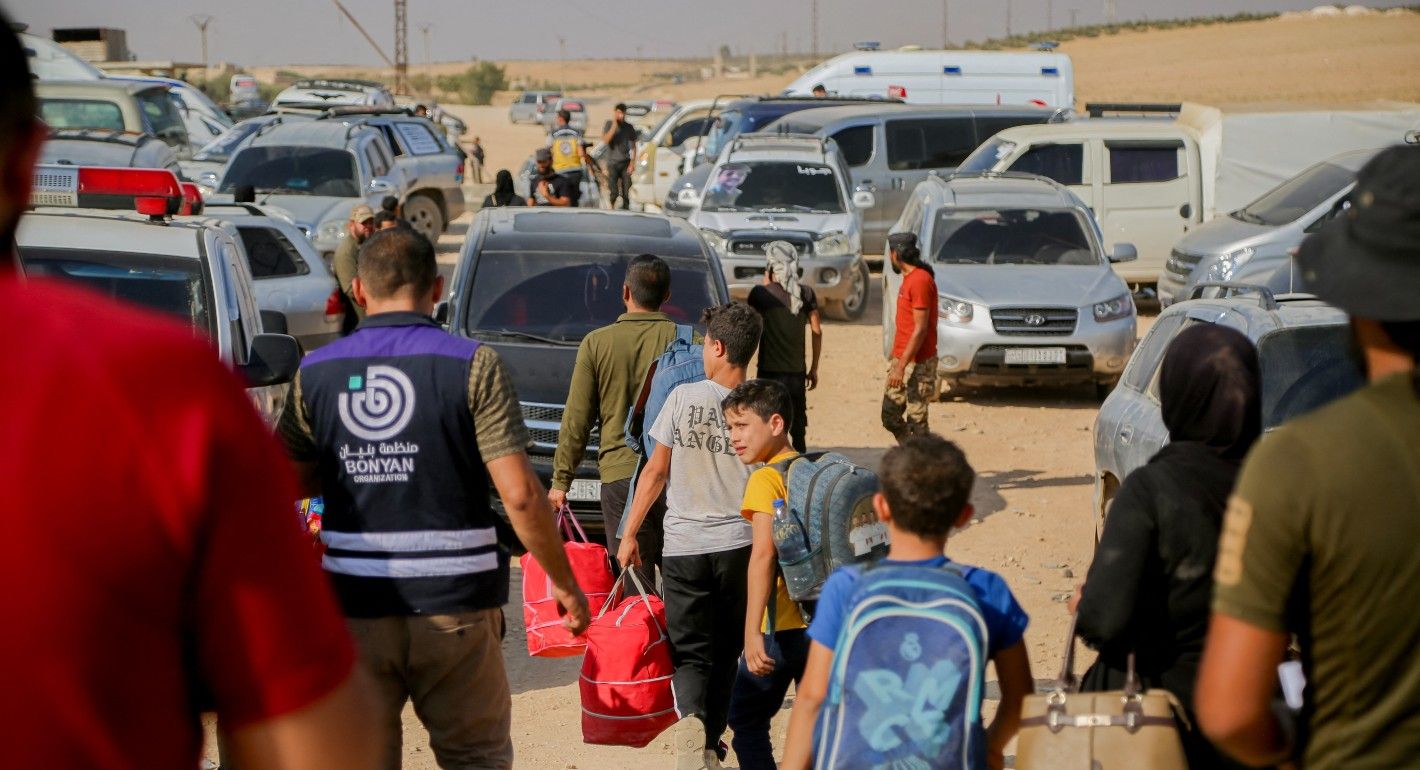
A humanitarian crisis in Lebanon deepens, and Syrian refugees face a perilous choice: remain in a war-torn environment or return to Syria where they risk encountering significant dangers and discrimination. There are significant challenges and risks to their search for safety in Syria.
Haid Haid
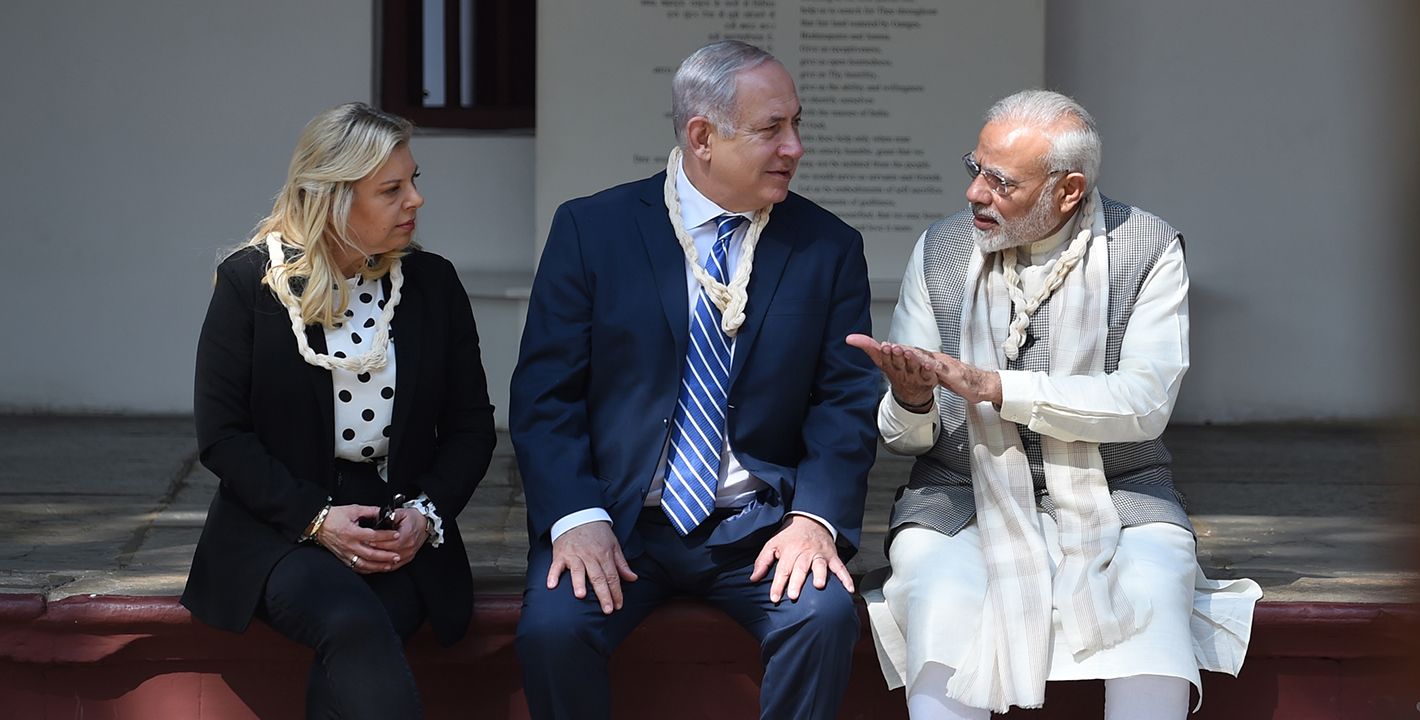
In an interview, Abhinav Pandya discusses the multiple facets of India’s ties with the Middle East.

Armenak Tokmajyan
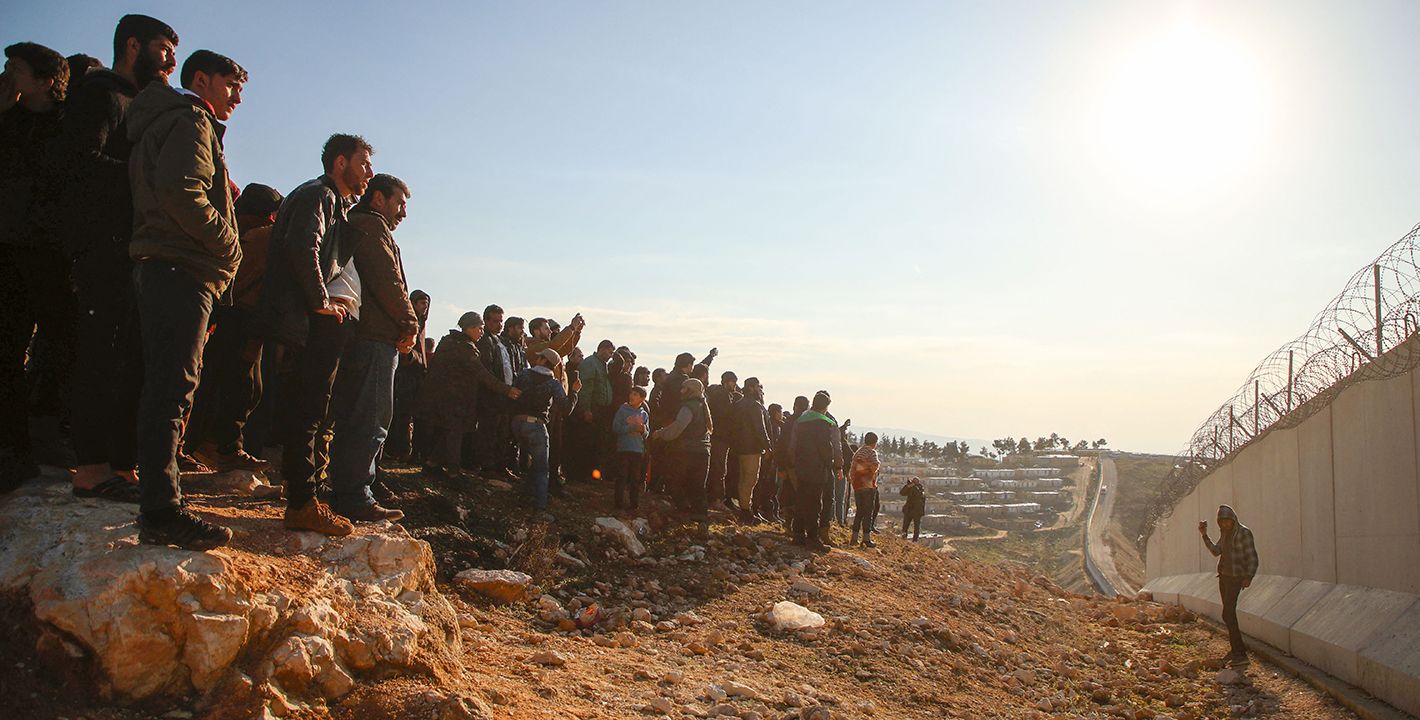
In Syria’s border regions, changes in demographics, economics, and security mean that an inter-Syrian peace process will require consensus among main regional powers that Syria must remain united, that no one side can be victorious, and that perennial instability threatens the region.
Kheder Khaddour, Armenak Tokmajyan
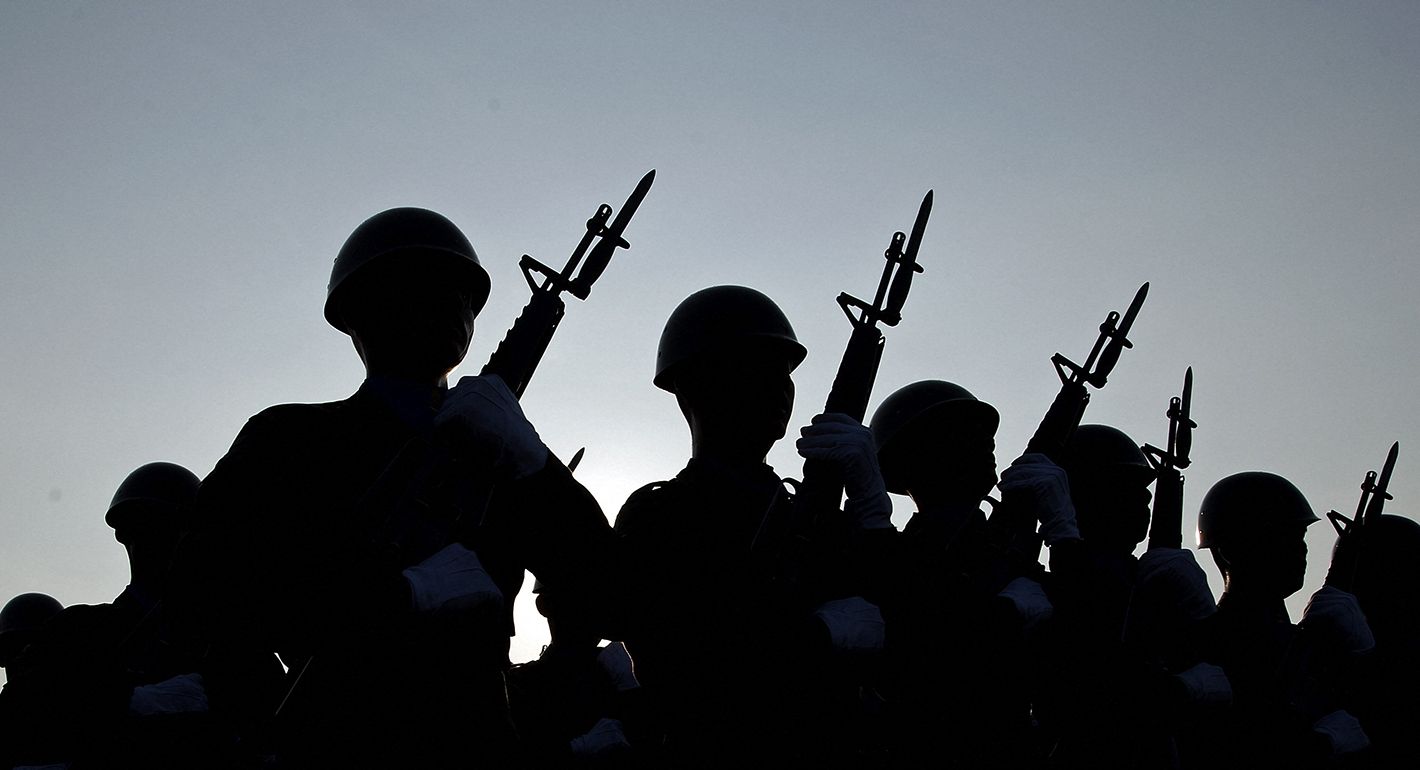
The interaction of national armed forces and private business sectors offers a useful lens for viewing the politics of numerous countries of the so-called Global South. A rising trend of military political activism—often accompanied by military commercial activity—underlines the importance of drivers and outcomes in these relationships.

Yezid Sayigh, Hamza Meddeb
For many in the society, the post-Ben Ali years were mainly about successive economic crises and political instability.
Jasmine Khelil