

Article
- +1
Rudra Chaudhuri, Tejas Bharadwaj, Konark Bhandari, …
{
  "authors": [
    "Shruti Sharma"
  ],
  "type": "legacyinthemedia",
  "centerAffiliationAll": "",
  "centers": [
    "Carnegie Endowment for International Peace",
    "Carnegie India"
  ],
  "collections": [],
  "englishNewsletterAll": "",
  "nonEnglishNewsletterAll": "",
  "primaryCenter": "Carnegie India",
  "programAffiliation": "",
  "programs": [],
  "projects": [
    "Technology and Society"
  ],
  "regions": [
    "South Asia",
    "India"
  ],
  "topics": [
    "Technology"
  ]
}
Source: Getty
The IndiGen Genome Project, launched in April 2019, is a government-funded exercise that sequenced more than a thousand individuals from diverse ethnicities to create a genome database for India.
Source: Print
For the first time ever, we have a gene database just for Indians.
The IndiGen Genome Project, launched in April this year, is a government-funded exercise that sequenced more than a thousand individuals from diverse ethnicities to create a genome database for India.
Since most of the globally available genetic tests have been developed using data of Caucasian populations, this indigenous genetic mapping exercise might improve our ability to diagnose, prevent, and treat diseases specific to the Indian population.
But is India, which will see the Personal Data Protection Bill being tabled in Parliament this winter session, ready?

Former Associate Director, Fellow, and Chief Coordinator, Global Technology Summit, Technology and Society Program
Shruti Sharma was an associate director and a fellow with the Technology and Society Program at Carnegie India, where she is currently working on exploring the challenges and opportunities in leveraging biotechnology to improve public health capacity in India. Additionally, she is the Chief Coordinator of Carnegie India's Global Technology Summit.
Recent Work



Rudra Chaudhuri, Tejas Bharadwaj, Konark Bhandari, …
Shruti Sharma
Carnegie does not take institutional positions on public policy issues; the views represented herein are those of the author(s) and do not necessarily reflect the views of Carnegie, its staff, or its trustees.

Huawei pushed hard to enter the Egyptian data centers market, until the Americans made a better offer.

Angie Omar
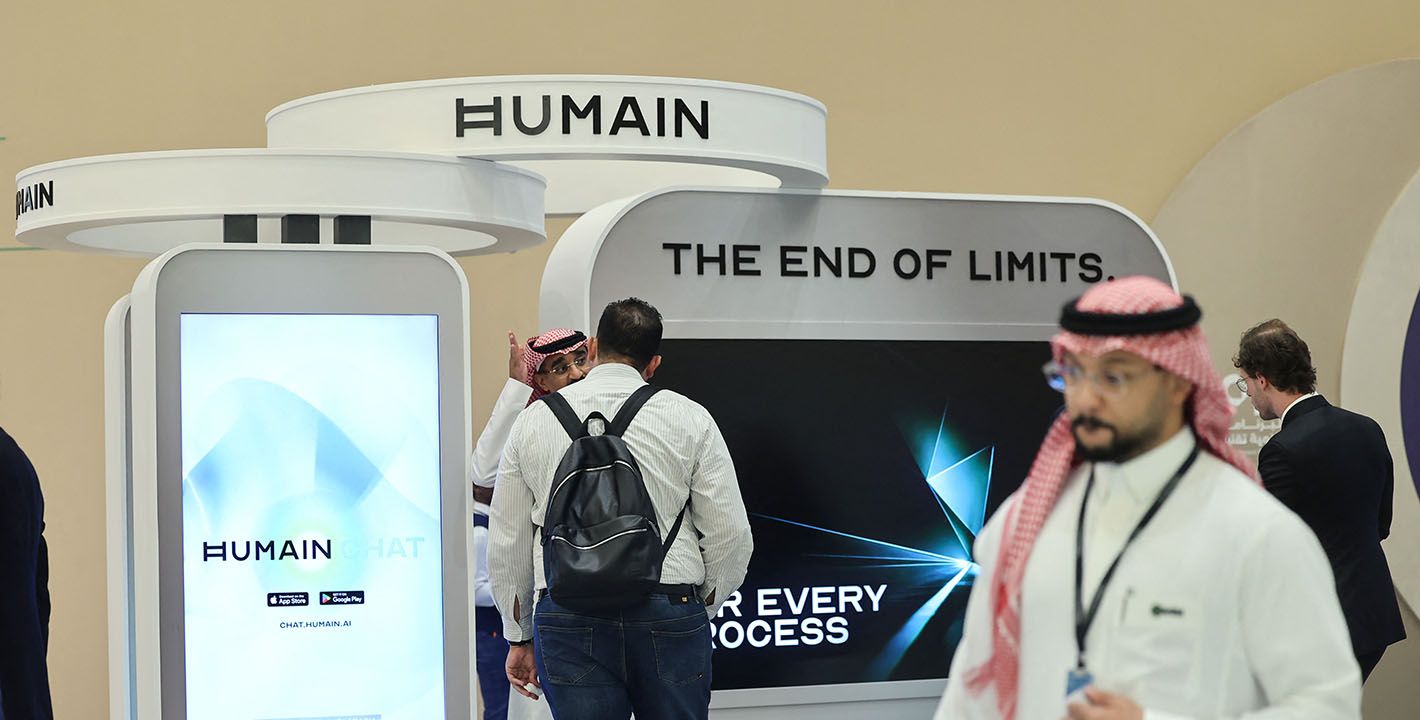
The GCC states’ use of Artificial Intelligence will generate much leverage over the global digital infrastructure and climate talks.

Camille Ammoun
Uneven investment in the technology will widen regional inequalities in the Middle East and North Africa.

Nur Arafeh
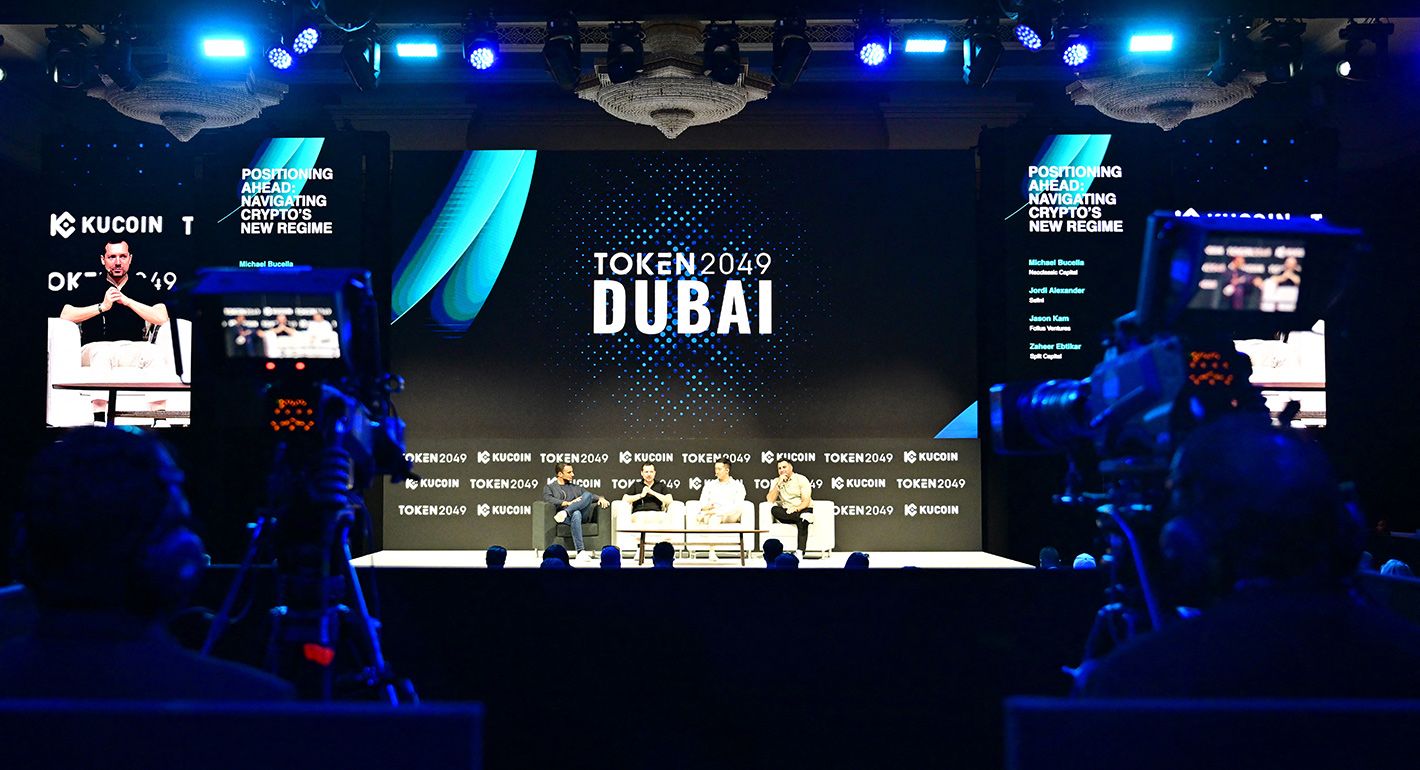
The GCC states are, to varying degrees, opening up to digital finance. This is part of an effort to diversify their economies and wean themselves off U.S.-dominated monetary systems.
Ala’a Kolkaila

In an interview, Abhinav Pandya discusses the multiple facets of India’s ties with the Middle East.

Armenak Tokmajyan