

Other
François Godement, Ashley J. Tellis
{
  "authors": [
    "François Godement"
  ],
  "type": "other",
  "centerAffiliationAll": "dc",
  "centers": [
    "Carnegie Endowment for International Peace"
  ],
  "collections": [],
  "englishNewsletterAll": "asia",
  "nonEnglishNewsletterAll": "",
  "primaryCenter": "Carnegie Endowment for International Peace",
  "programAffiliation": "AP",
  "programs": [
    "Asia"
  ],
  "projects": [],
  "regions": [],
  "topics": [
    "Global Governance"
  ]
}
Source: Getty
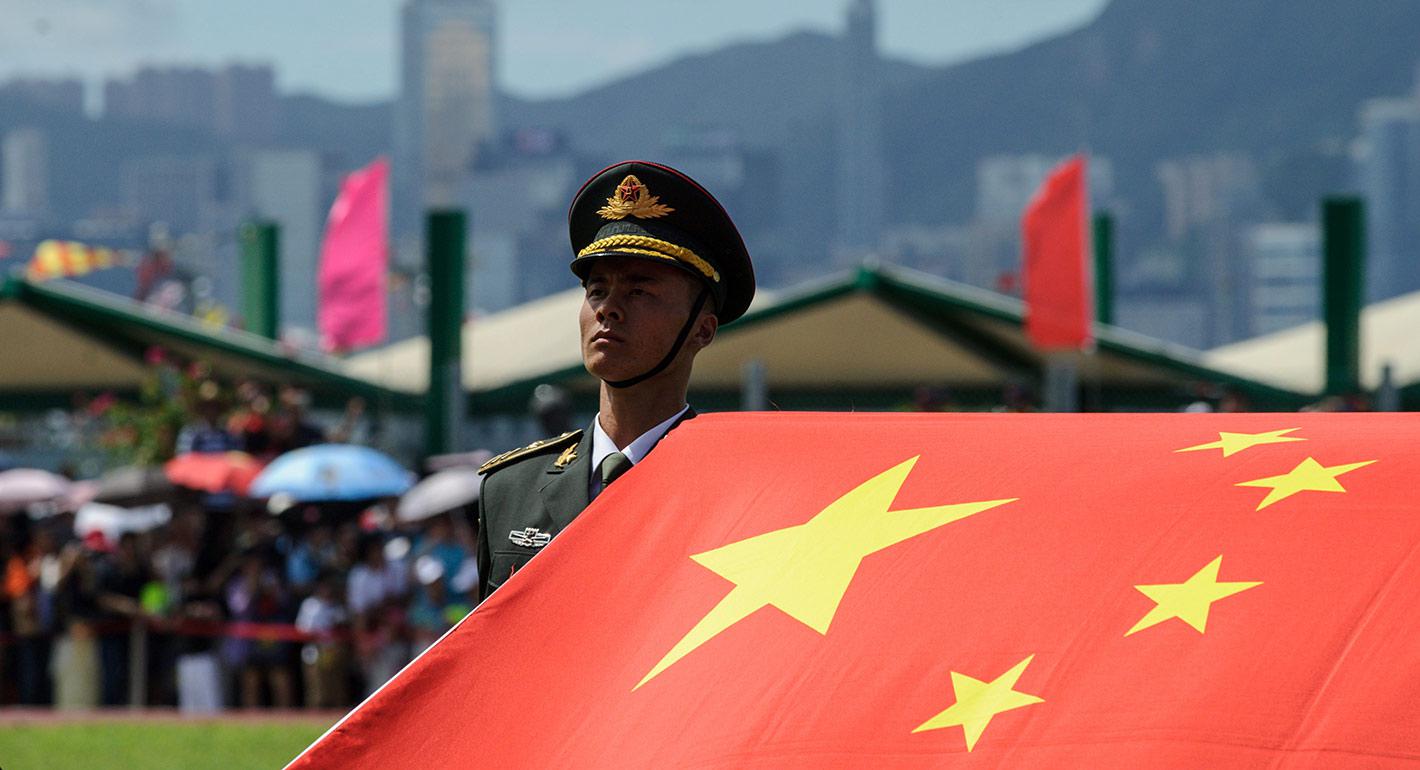
What China seeks is a nonintrusive, low-cost international order built on two very contrasting pillars: national sovereignty as an absolute principle, and the free flow of goods and services for as long as China’s exceptional status as a nominal developing economy is maintained.
Source: The National Bureau of Asian Research
China has moved over time from a global alliance with the Soviet Union, followed by a short-lived revolutionary stance, to a path of integration with most international institutions and rules. But that course has abated as the country has gained wealth and power. With Xi Jinping’s ascent, China has set aside its long-standing reservations and defensive stance and begun to directly contest the liberal world order through the promotion of Chinese alternatives presented as “complementary,” with a strong preference for bilateral deals with other nation-states. China is more interested in hollowing out the international order than in a revisionist upheaval, and it also rides the trend of self-doubt and isolationism in several democracies. Mutual interest is the operative factor, often coinciding with the lure of financial gains for partners. China’s approach remains pragmatic, emphasizing diversified participation in multilateral institutions. What China seeks is a nonintrusive, low-cost international order built on two very contrasting pillars: national sovereignty as an absolute principle, and the free flow of goods and services for as long as China’s exceptional status as a nominal developing economy is maintained.

Former Nonresident Senior Fellow, Asia Program
Godement, an expert on Chinese and East Asian strategic and international affairs, was a nonresident senior fellow in the Asia Program at the Carnegie Endowment for International Peace.
Recent Work
François Godement, Ashley J. Tellis
François Godement, Abigaël Vasselier
Carnegie does not take institutional positions on public policy issues; the views represented herein are those of the author(s) and do not necessarily reflect the views of Carnegie, its staff, or its trustees.
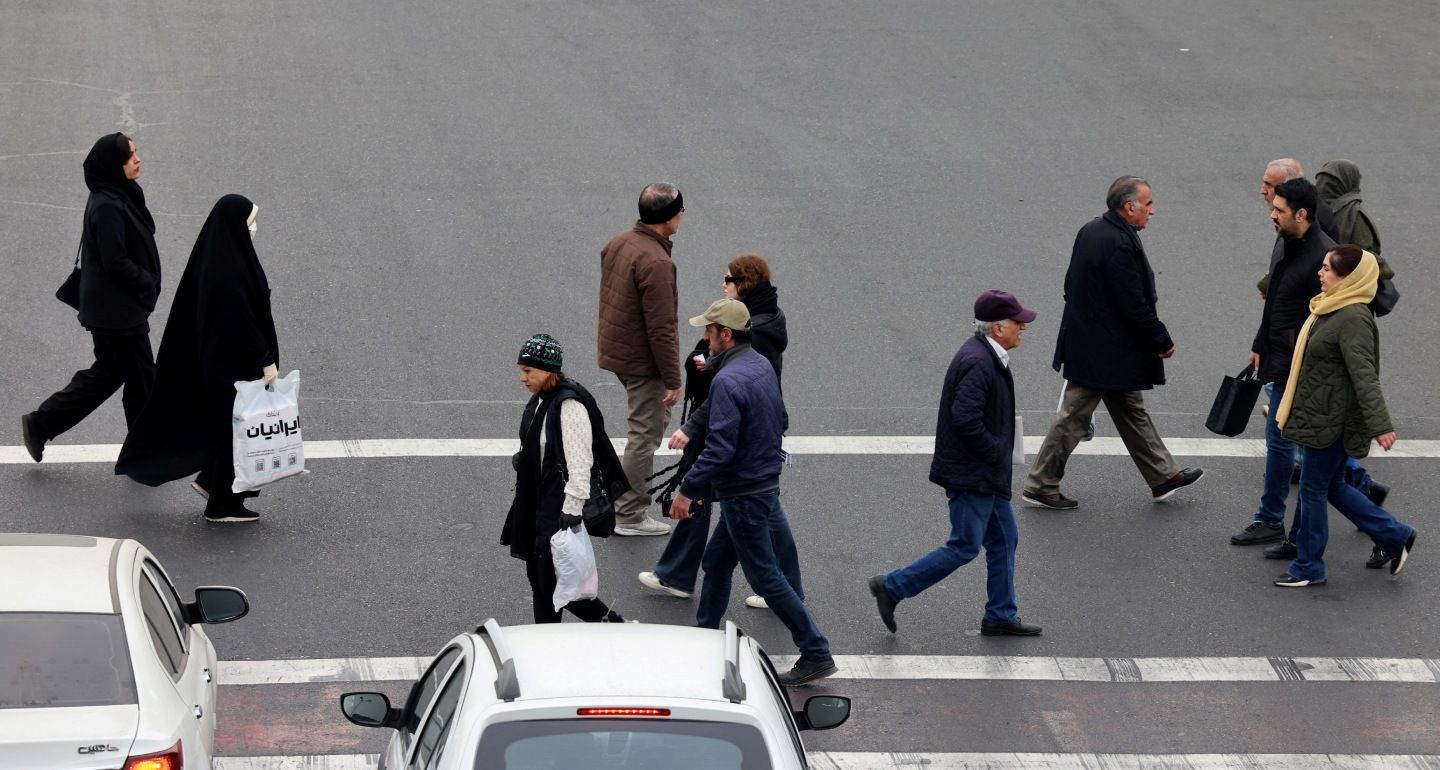
Baku may allow radical nationalists to publicly discuss “reunification” with Azeri Iranians, but the president and key officials prefer not to comment publicly on the protests in Iran.

Bashir Kitachaev

A humanitarian crisis in Lebanon deepens, and Syrian refugees face a perilous choice: remain in a war-torn environment or return to Syria where they risk encountering significant dangers and discrimination. There are significant challenges and risks to their search for safety in Syria.
Haid Haid

A major war with Iran is by no means inevitable. But the killing of Gen. Qassem Soleimani is a roll of the dice that just might take us there.

Aaron David Miller
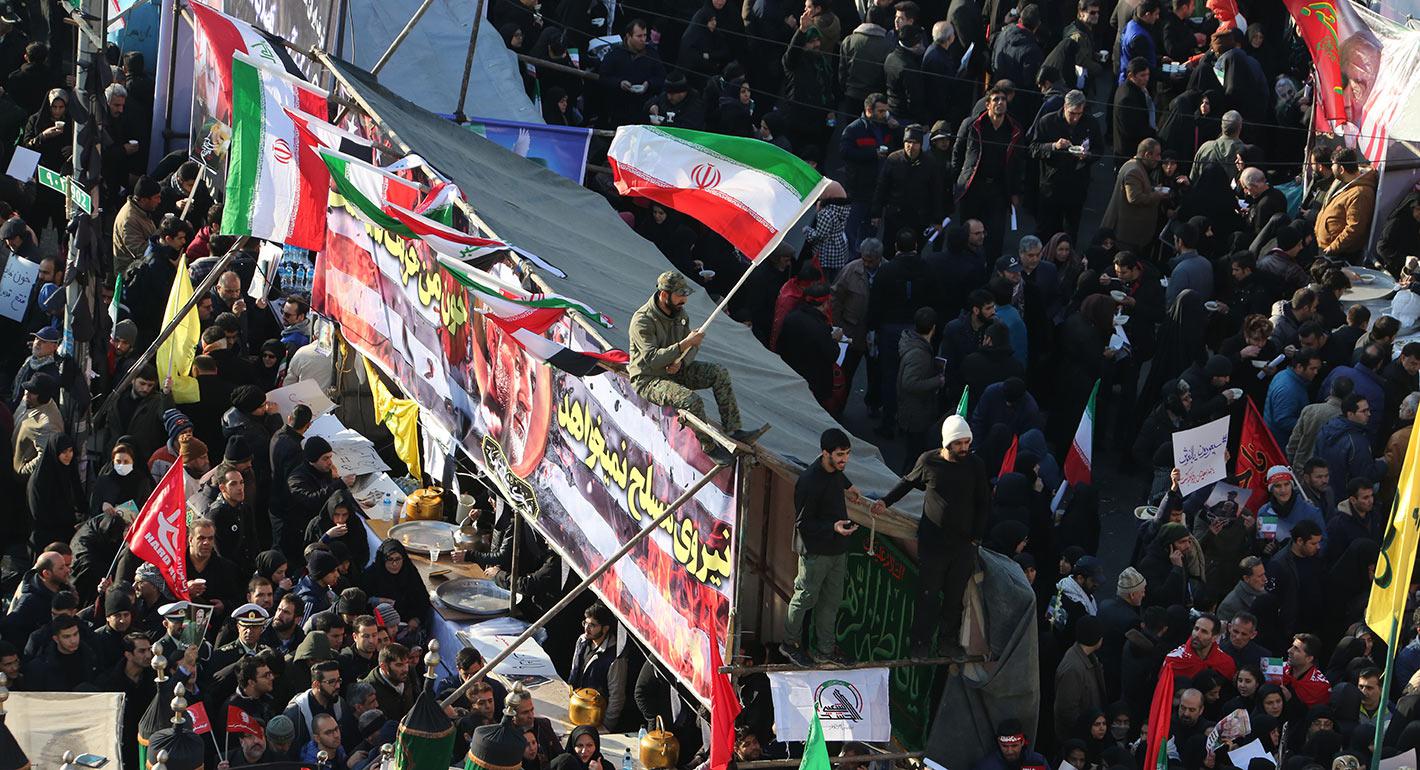
Soleimani was respected and feared, seen as either the evil mastermind behind policies of death and destruction or the genius architect of Iran’s expansionist policies.

Kim Ghattas
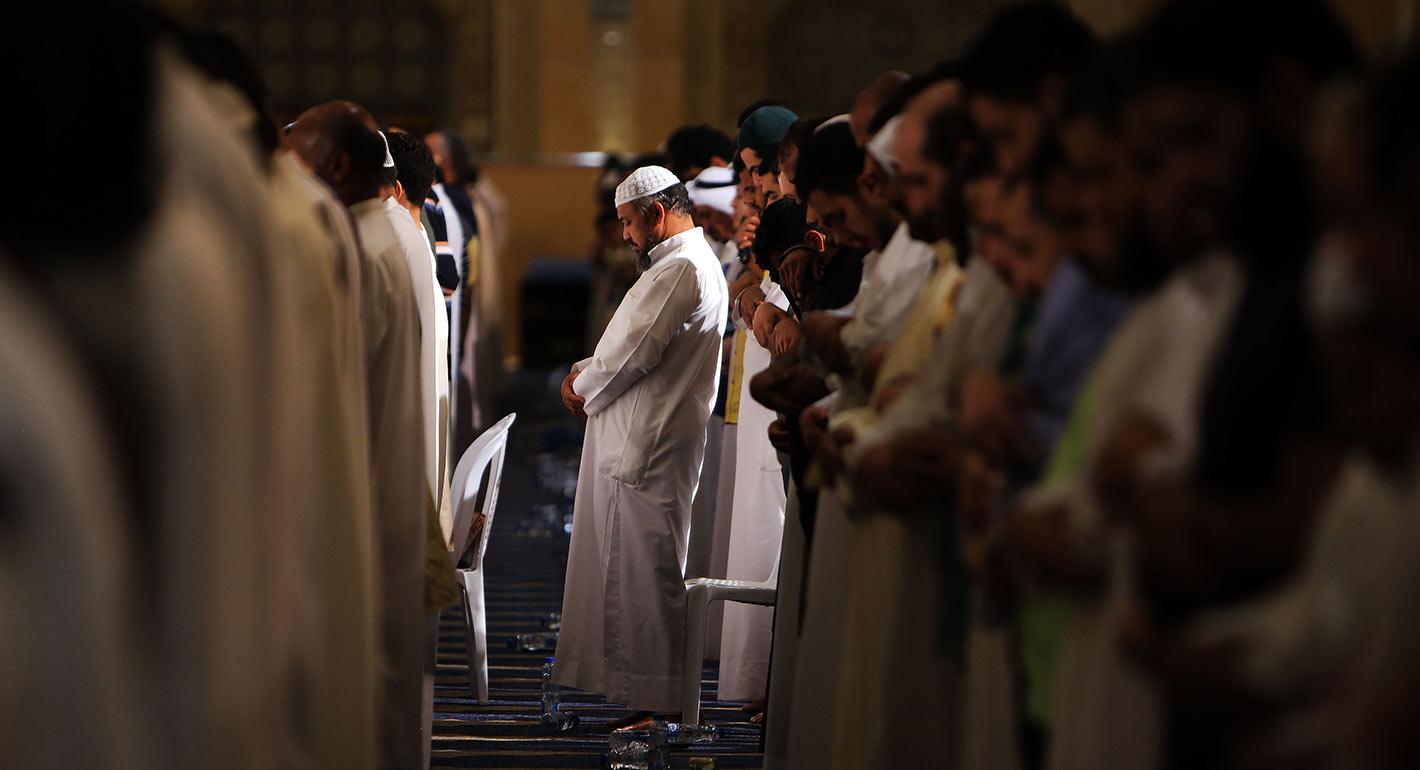
The representation of religion in mainstream media often leaves a great deal to be desired. When it comes to Islam, it is often abysmal.
H. A. Hellyer