

Commentary
Ulrich Kühn
{
  "authors": [
    "Ulrich Kühn"
  ],
  "type": "other",
  "centerAffiliationAll": "dc",
  "centers": [
    "Carnegie Endowment for International Peace"
  ],
  "collections": [],
  "englishNewsletterAll": "ctw",
  "nonEnglishNewsletterAll": "",
  "primaryCenter": "Carnegie Endowment for International Peace",
  "programAffiliation": "NPP",
  "programs": [
    "Nuclear Policy"
  ],
  "projects": [],
  "regions": [
    "Western Europe"
  ],
  "topics": [
    "Nuclear Policy",
    "Arms Control"
  ]
}
Source: Getty
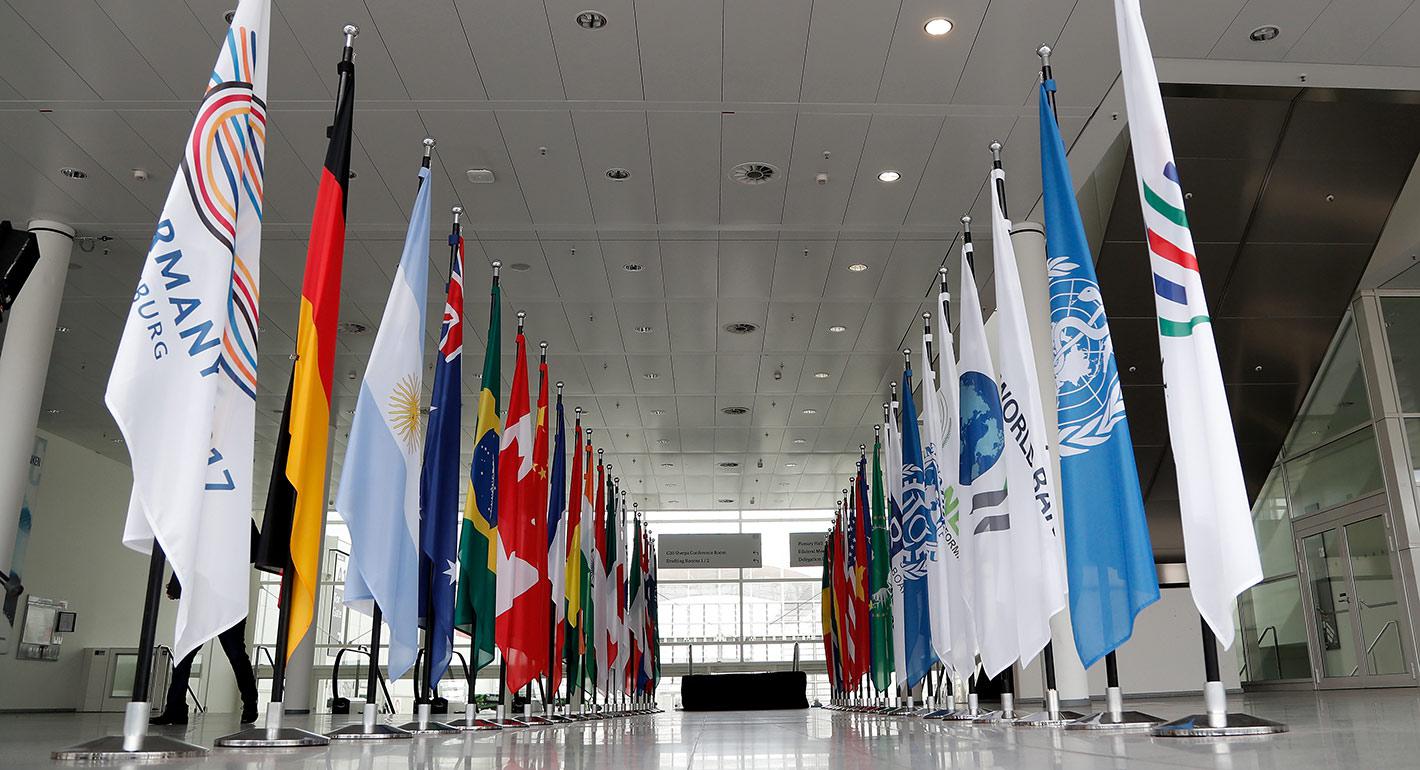
The current confrontation between NATO and Russia stems from a long stagnation and then final crisis in the realm of arms control.
Source: Nomos
Thirty years after the fall of the Berlin Wall, America and Russia have again returned to conflict. But this renewed confrontation did not come out of the blue. Rather, it was preceded by a long period of stagnation and a final crisis in the realm of arms control. In particular, the agreements of cooperative arms control in Europe eroded after the turn of the millennium. Why did that neatly established network of security agreements collapse? In this volume, Ulrich Kühn traces the rise and fall of cooperative arms control in Europe from the early Helsinki days to the Russian annexation of the Crimea in 2014. Applying a multi-theory approach in order to assess the foreign and security policies of the United States and Russia, the author not only answers who is to blame for the sorry state of arms control, but he also uncovers a regime complex that has so far remained unknown and that spans across various organisations and institutions.

Nonresident Scholar, Nuclear Policy Program
Ulrich Kühn is a nonresident scholar at the Carnegie Endowment for International Peace, and the head of the arms control and emerging technologies program at the Institute for Peace Research and Security Policy at the University of Hamburg.
Recent Work
Ulrich Kühn
Ulrich Kühn
Carnegie does not take institutional positions on public policy issues; the views represented herein are those of the author(s) and do not necessarily reflect the views of Carnegie, its staff, or its trustees.

In an interview, Marc Lynch discusses his new book decrying the post-1990 U.S.-dominated order in the Middle East.

Michael Young
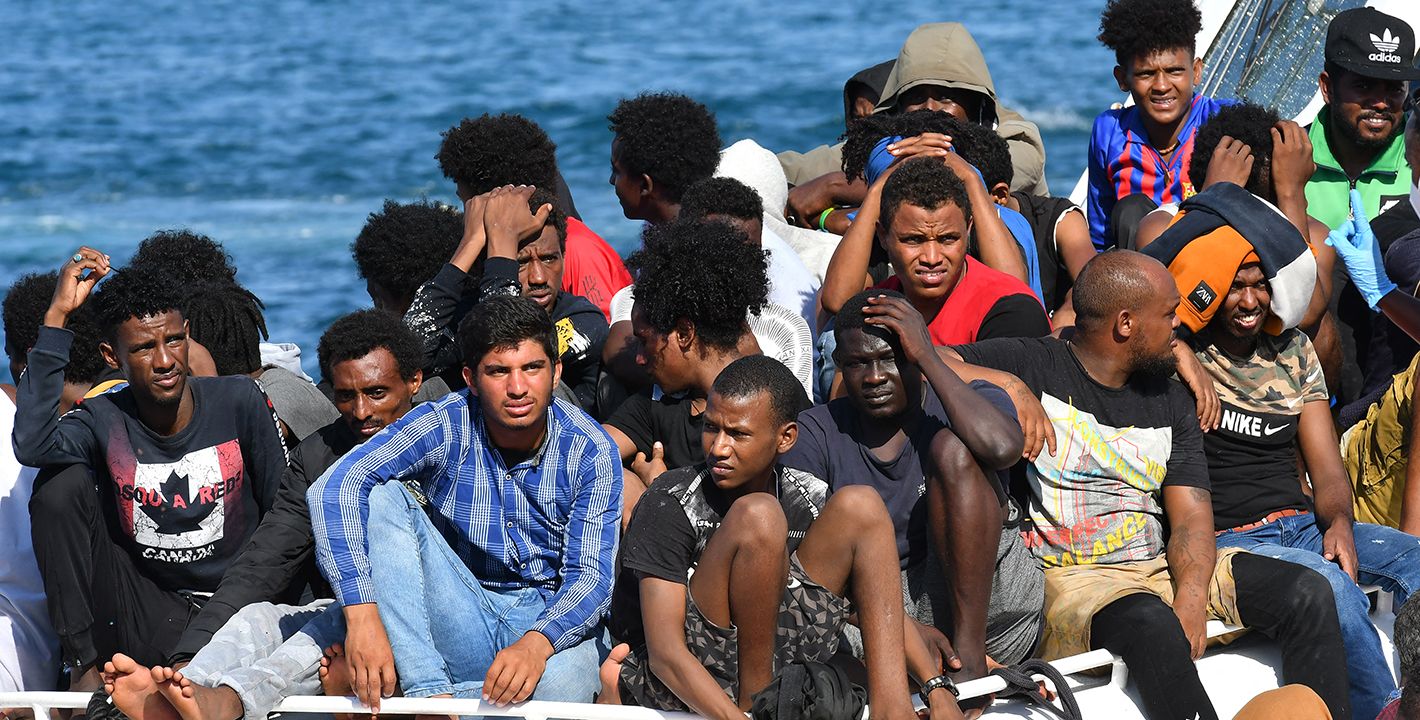
In an interview, Yasmine Zarhloule discusses irregular migration to Europe and the shortcomings of a securitization policy.
Rayyan Al-Shawaf
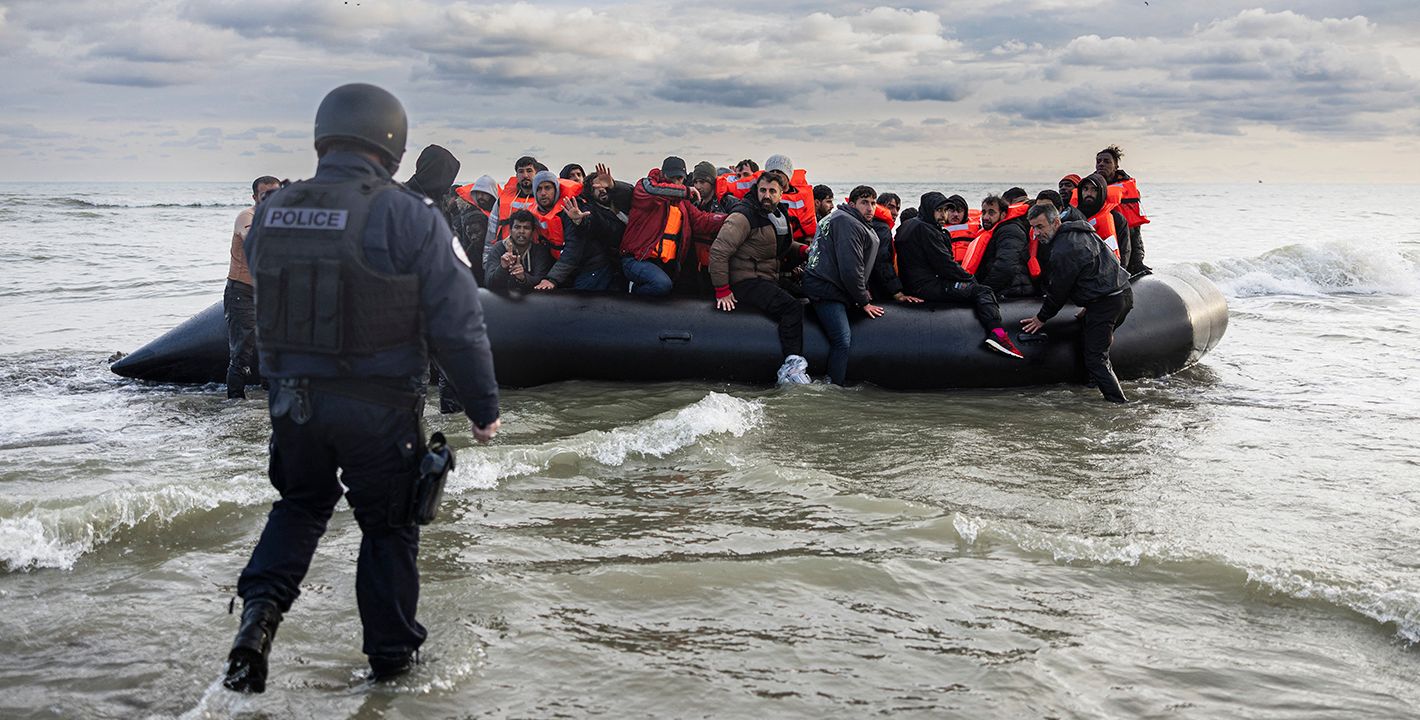
The EU has responded to unwanted arrivals with ever-stricter security measures, an approach that has both led to increased human rights violations and failed to stem the migratory tide.

Yasmine Zarhloule
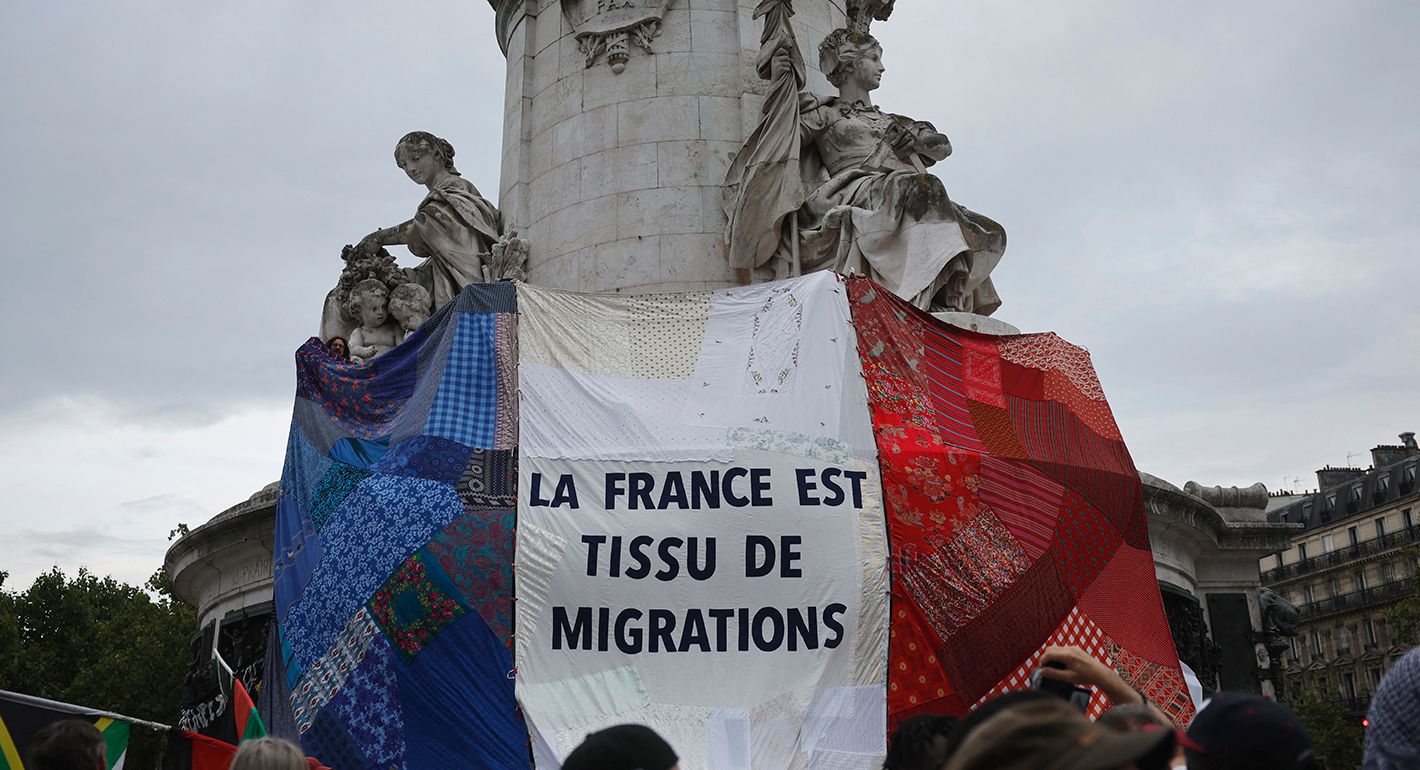
Nevertheless, recent European and parliamentary elections have fed an increasing struggle over belonging.
Yasmine Zarhloule
What happens in the Middle East will not be contained there, so the European Union should prepare for this by reaffirming its values.
H. A. Hellyer