

Commentary
Michael Young
{
  "authors": [
    "Michael Young"
  ],
  "type": "legacyinthemedia",
  "centerAffiliationAll": "dc",
  "centers": [
    "Carnegie Endowment for International Peace",
    "Malcolm H. Kerr Carnegie Middle East Center"
  ],
  "collections": [
    "Coronavirus"
  ],
  "englishNewsletterAll": "menaTransitions",
  "nonEnglishNewsletterAll": "",
  "primaryCenter": "Malcolm H. Kerr Carnegie Middle East Center",
  "programAffiliation": "MEP",
  "programs": [
    "Middle East"
  ],
  "projects": [],
  "regions": [
    "Levant",
    "Lebanon",
    "Middle East"
  ],
  "topics": [
    "Political Reform"
  ]
}
Source: Getty
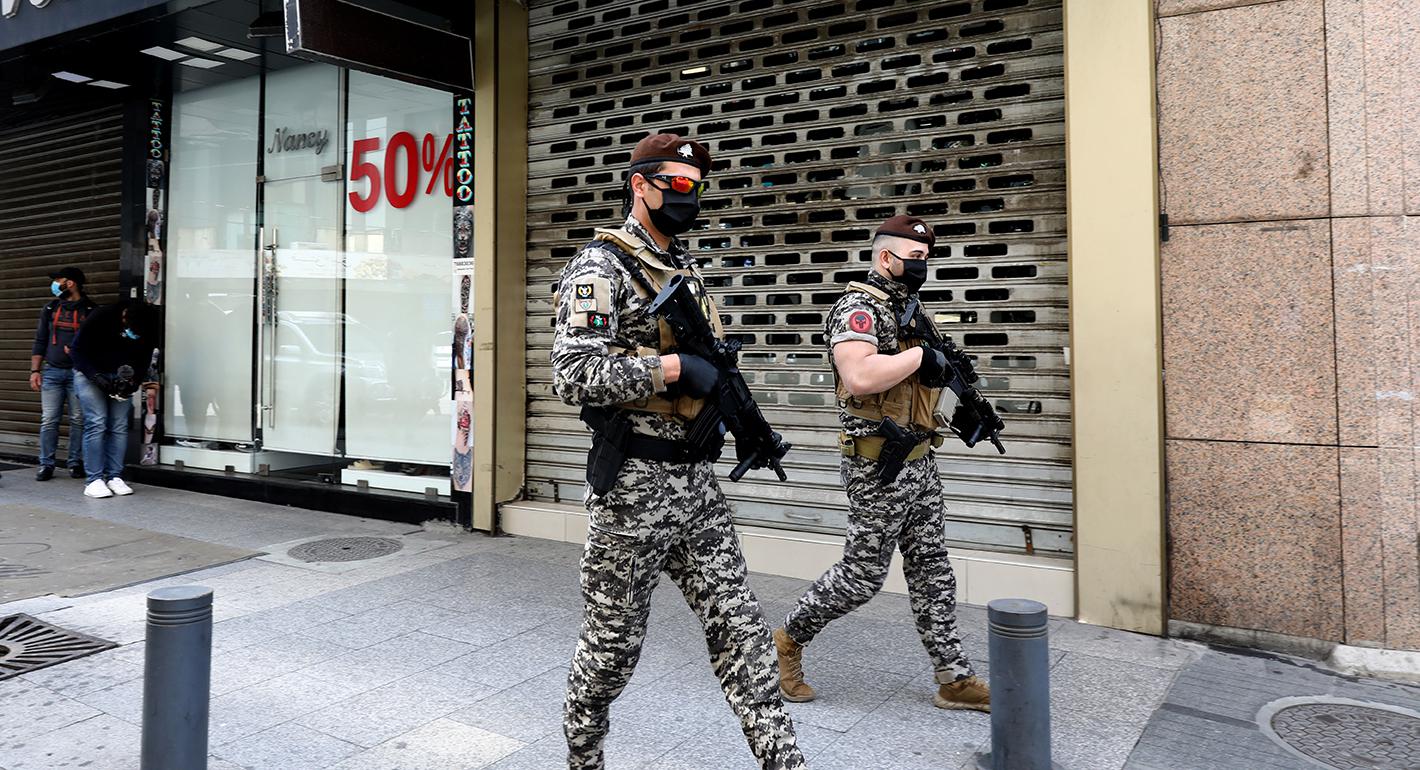
As the Lebanese lock down, Beirut is being forced to realise how unsustainable its political and economic choices have been.
Source: The National
Lebanon is a country that has received little attention during the Covid-19 crisis. As of Monday, the country officially had over 250 coronavirus cases, with four confirmed fatalities. People in Beirut estimate the real number of infections to be four to five times that number, and the government’s decision to deploy the army to prevent people from violating quarantine rules reinforces that view.
For now, the disease still appears to be under control. However, the fear is that if things were to get out of hand, the public health system would be overwhelmed. What makes Lebanon more vulnerable than many other places is that the country is going through a major economic crisis. The state is bankrupt and its ability to withstand a long lockdown, or to import material to address the health emergency, is limited.

Editor, Diwan, Senior Editor, Malcolm H. Kerr Carnegie Middle East Center
Michael Young is the editor of Diwan and a senior editor at the Malcolm H. Kerr Carnegie Middle East Center.
Recent Work
Michael Young
Michael Young
Carnegie does not take institutional positions on public policy issues; the views represented herein are those of the author(s) and do not necessarily reflect the views of Carnegie, its staff, or its trustees.

Huawei pushed hard to enter the Egyptian data centers market, until the Americans made a better offer.

Angie Omar

The accord represents a pivotal moment in the region to avert a security vacuum in the Gulf.


Azeema Cheema, Mohanad Hage Ali
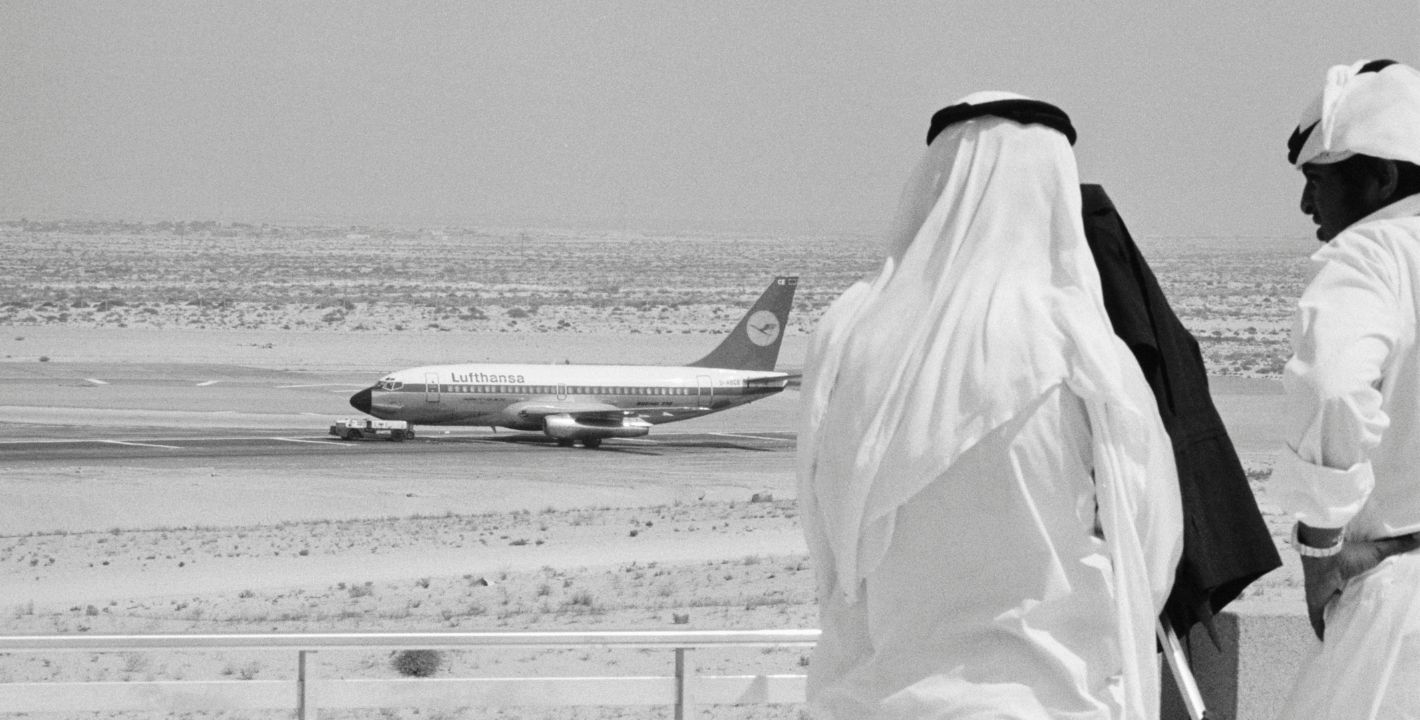
In an interview, Jason Burke discusses his sweeping account of the “revolutionists” who so shaped the 1970s and early 1980s.
Michael Young
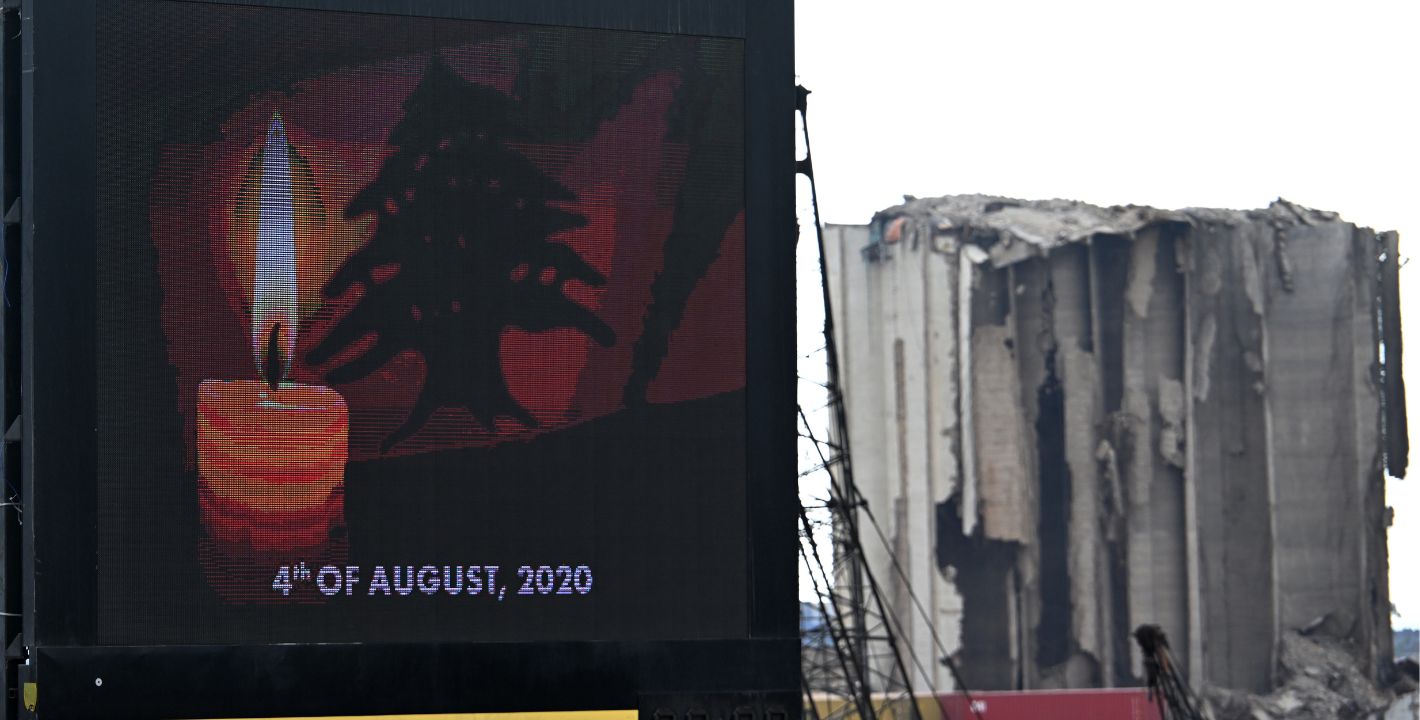
Lying at the heart of Lebanon’s dysfunction is an inability to secure accountability and institutional legitimacy.

Maha Yahya
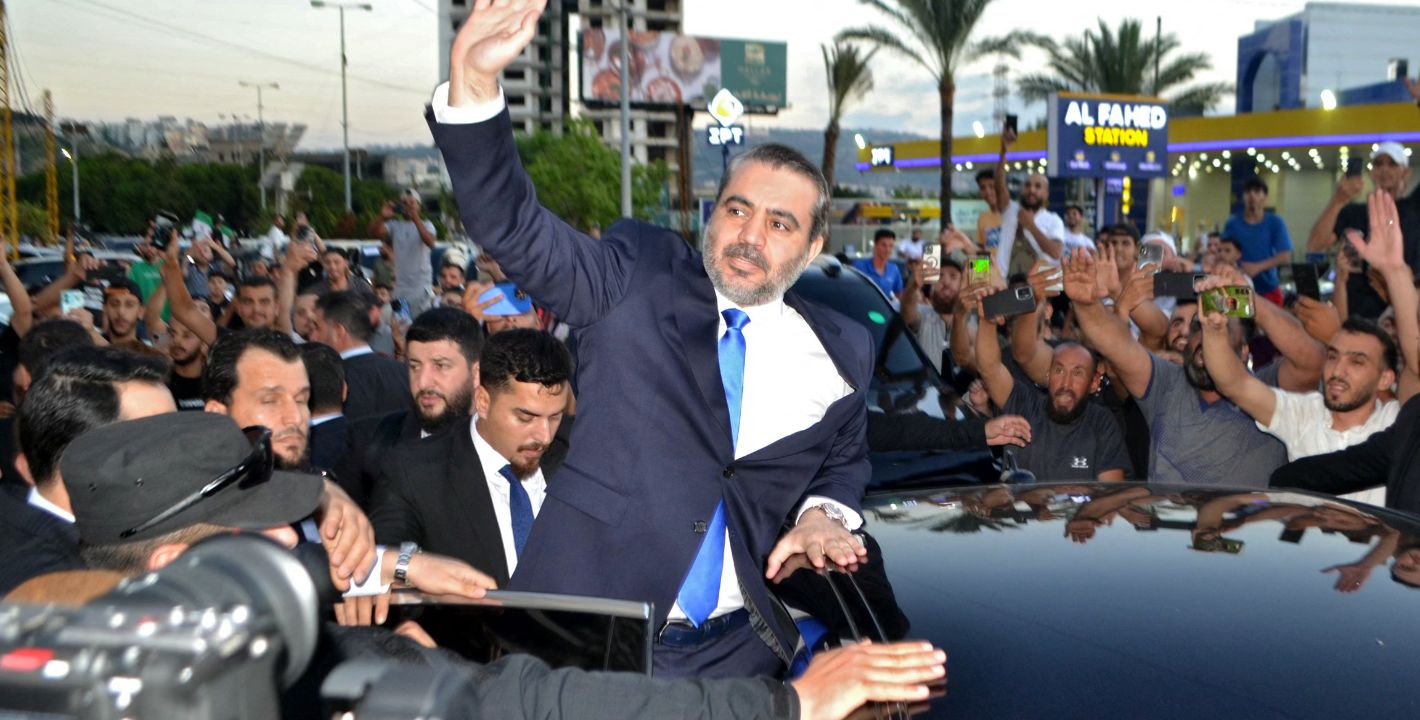
In an interview, Sohaib Jawhar analyzes the profound changes in the ties between the neighboring countries.
Michael Young