

Article
Suyash Rai, Anirudh Burman
{
  "authors": [
    "Suyash Rai"
  ],
  "type": "legacyinthemedia",
  "centerAffiliationAll": "",
  "centers": [
    "Carnegie Endowment for International Peace",
    "Carnegie India"
  ],
  "collections": [],
  "englishNewsletterAll": "",
  "nonEnglishNewsletterAll": "",
  "primaryCenter": "Carnegie India",
  "programAffiliation": "",
  "programs": [],
  "projects": [
    "Political Economy"
  ],
  "regions": [
    "South Asia",
    "India"
  ],
  "topics": [
    "Economy"
  ]
}
Source: Getty
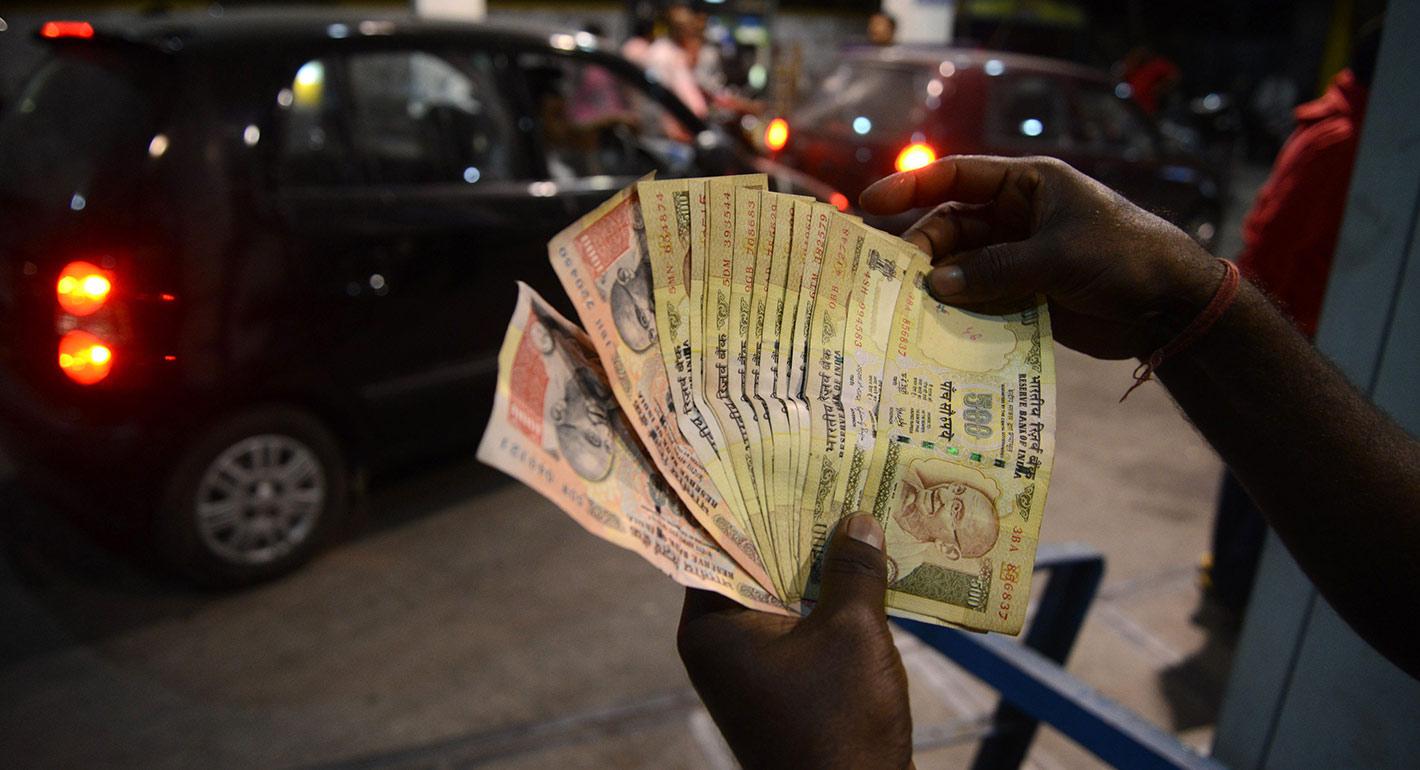
Prime Minister Narendra Modi’s speech on May 12 had two central messages: India will have to learn to live with the coronavirus disease (COVID-19), and India must pivot towards economic recovery.
Source: Hindustan Times
Prime Minister Narendra Modi’s speech on May 12 had two central messages: India will have to learn to live with the coronavirus disease (Covid-19), and India must pivot towards economic recovery.
The recovery strategy will be pursued through a package of fiscal and monetary measures and a reforms package. In some ways, this is an intensification of existing efforts. Since 2017, consumption expenditure financed by the government has grown rapidly — at an average real rate of 10.6%. Big reforms — the Goods and Services Tax (GST), insolvency reform, inflation targeting — have been implemented. India’s rank in the Ease of Doing Business index has improved from 130 in 2016 to 63 in 2019.
This article was originally published by the Hindustan Times.
Former Fellow, Carnegie India
Suyash Rai was a fellow at Carnegie India. His research focuses on the political economy of economic reforms, and the performance of public institutions in India.
Recent Work

Suyash Rai, Anirudh Burman


Shruti Sharma, Suyash Rai, Konark Bhandari, …
Carnegie does not take institutional positions on public policy issues; the views represented herein are those of the author(s) and do not necessarily reflect the views of Carnegie, its staff, or its trustees.

The armed forces champion a form of capitalism that is generating revenue, but its reliance on rent faces diminishing returns, leaving the country with massive sunk costs and deferred returns, deepening dependency on external borrowing.

Yezid Sayigh
In an interview, Ishac Diwan looks at the merits and flaws in the draft legislation distributing losses from the financial collapse.

Michael Young
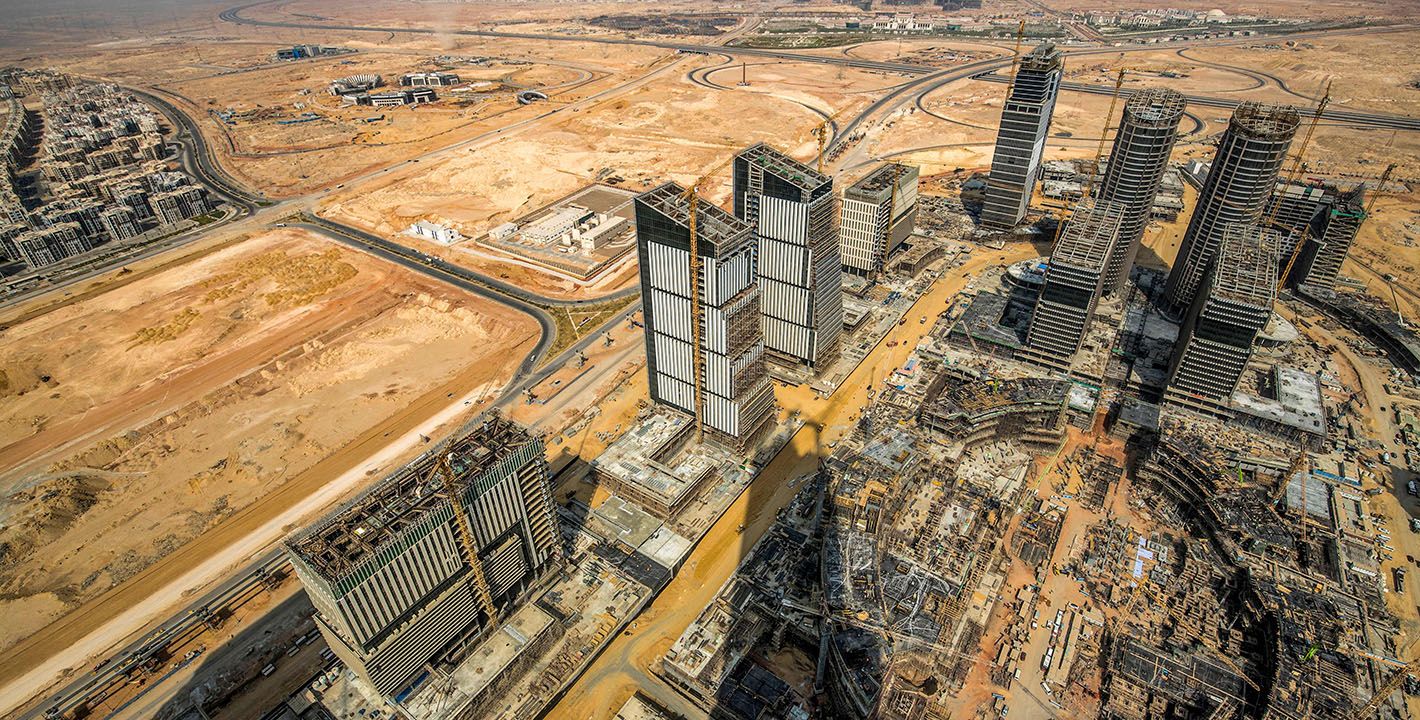
Mustaqbal Misr has expanded its portfolio with remarkable speed, but a lack of transparency remains.
Yezid Sayigh
Arab diaspora business communities in Egypt often mirror the same systemic challenges facing Egyptian businesses.

Nur Arafeh, Yezid Sayigh, Qaboul al-Absi, …

Largely characterized thus far by a single-minded focus on extractivism, Riyadh must commit to greater equitability in its approach to investment and development deals with Sudan, Ethiopia, and Eritrea.

Hesham Alghannam