

Other
François Godement, Ashley J. Tellis
{
  "authors": [
    "François Godement"
  ],
  "type": "legacyinthemedia",
  "centerAffiliationAll": "dc",
  "centers": [
    "Carnegie Endowment for International Peace"
  ],
  "collections": [],
  "englishNewsletterAll": "asia",
  "nonEnglishNewsletterAll": "",
  "primaryCenter": "Carnegie Endowment for International Peace",
  "programAffiliation": "AP",
  "programs": [
    "Asia"
  ],
  "projects": [],
  "regions": [
    "East Asia",
    "China"
  ],
  "topics": []
}
Source: Getty
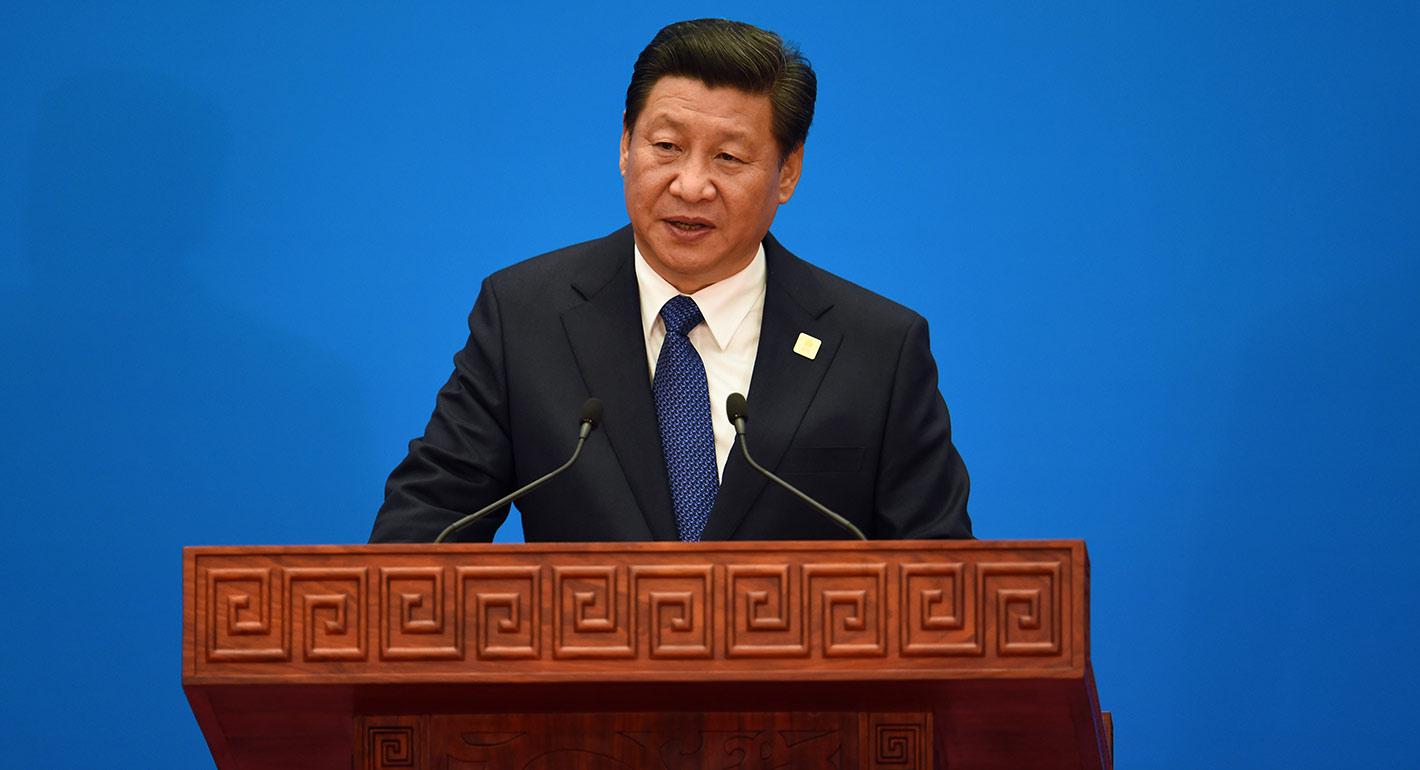
Not enough commentary has focused on the extraordinary diversity of China’s international posture these days.
Source: Institut Montaigne
Not enough commentary has focused on the extraordinary diversity of China’s international posture these days. Within the same fortnight, Xi Jinping has announced at the World Health Organization a USD 2 billion contribution towards recovery from Covid-19, targeted at developing countries, and a host of medical initiatives in Africa. Liu He, the chief Chinese trade negotiator, held a call with his American counterparts where he reiterated his commitment to implementing the Phase One trade deal for 2020. Wang Yi, China’s Foreign affairs Minister, talks about the need to avoid a Cold War with the United States. Liu has separately committed to holding talks in earnest with the EU, in order to arrive at a long-sought Bilateral Investment Agreement.
Meanwhile, China’s spring session of the National People’s Congress (NPC) is setting a 6,6% increase in the defense budget, at a moment when other central budget expenditures are set to decrease. The rise in military spending is set to exceed, possibly by far, the country’s economic growth in 2020, for which no target is published this year. Even more tellingly, the NPC is to immediately write a national security law for Hong Kong, where the official goal is now "long-term peace and stability", terms previously used for Tibet and Xinjiang. The adjective "peaceful" is dropped from the mention of Taiwan’s reunification with the mainland.
The new Chinese posture alternates hardline decisions and expressions – think "wolf warrior diplomacy" for the latter – with tailored initiatives, and consensual but vague commitments on some issues. Is this merely obfuscation, or is there a logic at work in this sharply divided international posture? Certainly, the new brand of public diplomacy under Xi Jinping has made ample use of lies. The most egregious case used to be Xi’s assurance to Barack Obama in 2015 that China would not "militarize" the South China Sea. It will now have to be replaced by the coming endgame in Hong Kong, where in a series of well-choreographed moves, China has done away with the commitment to uphold "One country, two systems" until 2047. Officially nesting China’s security organs inside Hong Kong, affirming the precedence of its Central Liaison Office over the Basic Law, and leaving the Special Administrative Region’s (SAR) "government" the mere task of transposing the future law into the region’s legal system ends the existence of Hong Kong as an autonomous entity. In the 1930s, an expression took hold: treaties were not worth more than the paper that they were written on. This is now the fate of the 1984 Sino-British Joint Declaration.
This article was originally published by Institut Montaigne.

Former Nonresident Senior Fellow, Asia Program
Godement, an expert on Chinese and East Asian strategic and international affairs, was a nonresident senior fellow in the Asia Program at the Carnegie Endowment for International Peace.
Recent Work
François Godement, Ashley J. Tellis

François Godement, Abigaël Vasselier

Huawei pushed hard to enter the Egyptian data centers market, until the Americans made a better offer.

Angie Omar

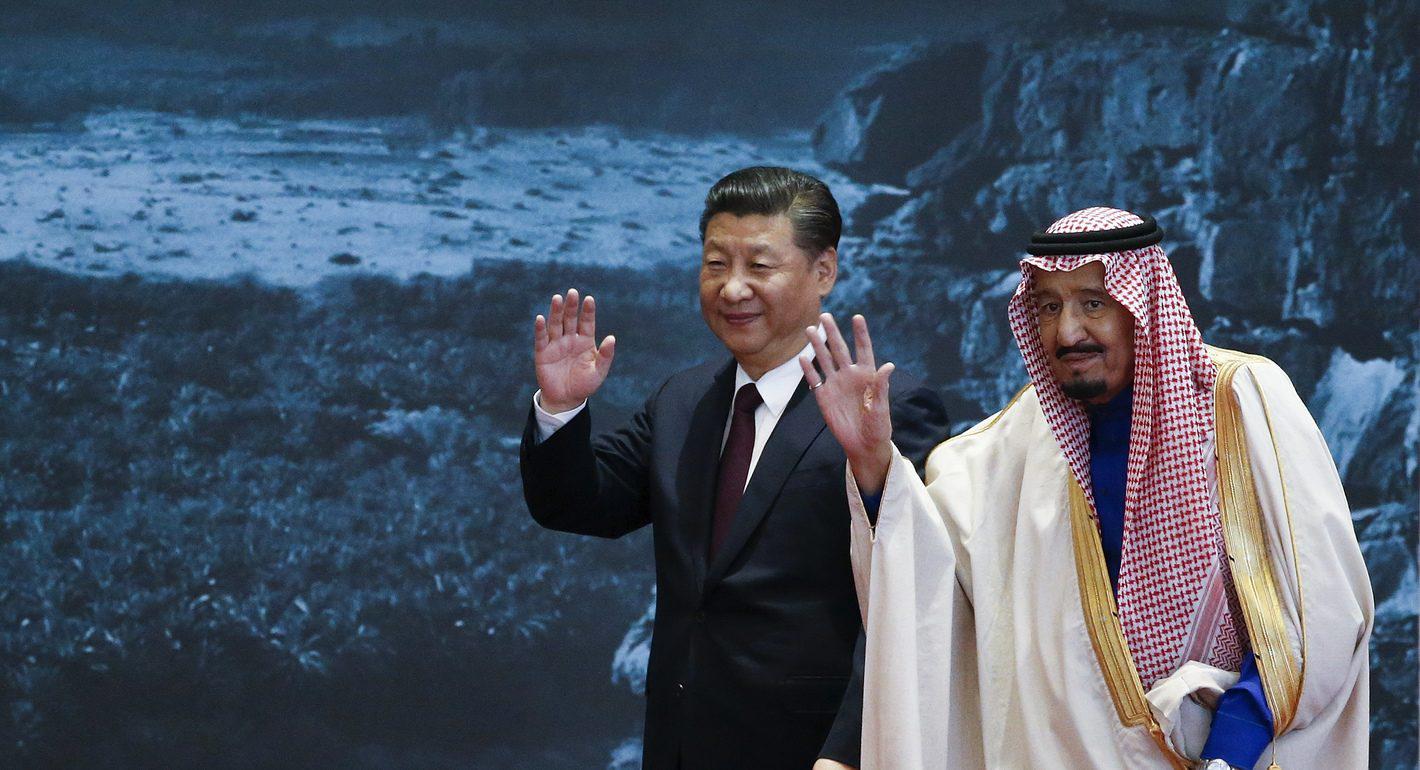
China has aligned its cooperation model with Saudi Arabia’s own priorities, most notably since the kingdom unveiled its Vision 2030. Although China announced the Belt and Road Initiative in 2013, the big push in relations happened only after the ascendance of King Salman to the throne in 2015 and Riyadh’s push for Beijing to meet Saudi needs.

Hesham Alghannam

The Gulf Cooperation Council has shifted its energy export focus to Asia, particularly India and China. This is part of a broader shift as GCC members look to expand their geopolitical alliances away from the West.

Alexandre Kateb
The advantage that China has over other global powers, especially America, is that its foreign policy is closely aligned with those of many of the Middle Eastern countries.

Jin Liangxiang, Maha Yahya, Hesham Alghannam
To create an environment more conducive to cooperation and development, U.S. and Chinese efforts should seek the endorsement of neighboring countries and regional organizations. Otherwise, regional and geopolitical rivalries will remain barriers.
Abdullah Baabood