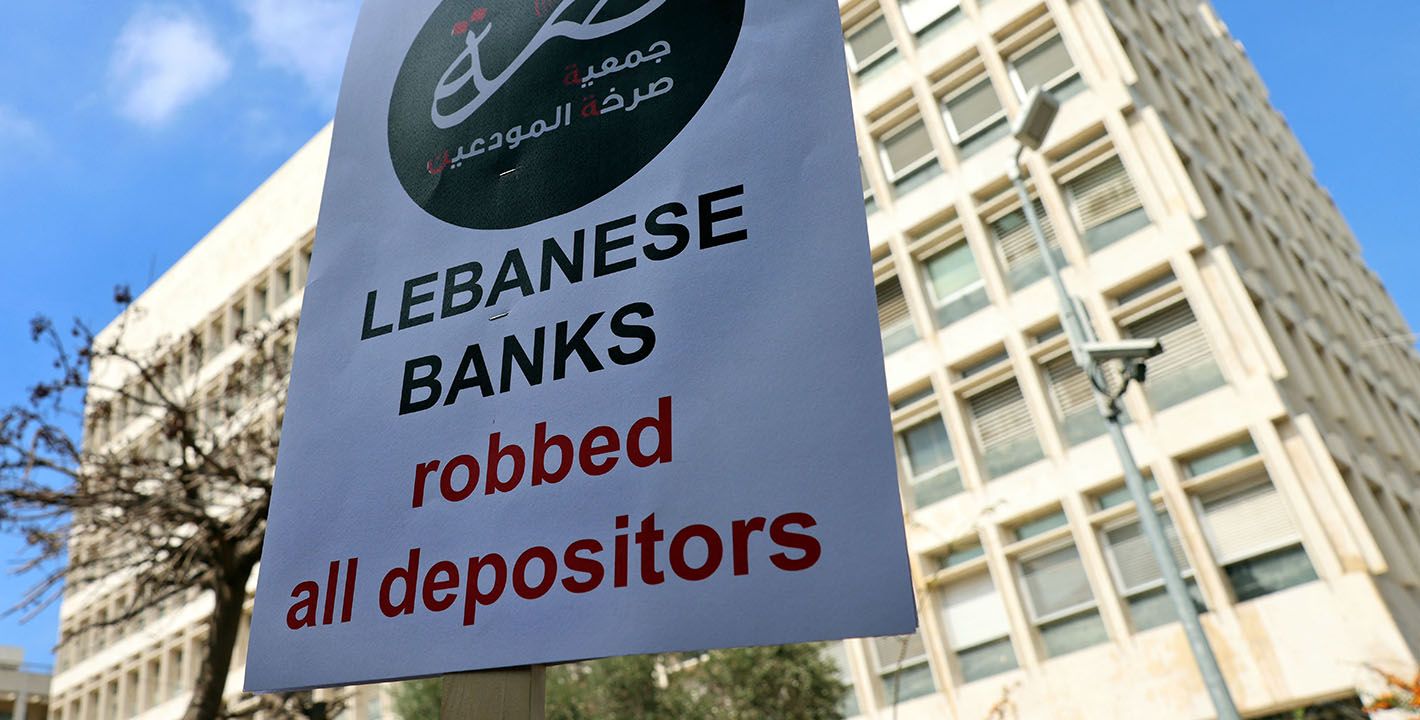


In an interview, Ishac Diwan looks at the merits and flaws in the draft legislation distributing losses from the financial collapse.
Michael Young
{
"authors": [
"K.P. Krishnan",
"Anirudh Burman"
],
"type": "legacyinthemedia",
"centerAffiliationAll": "",
"centers": [
"Carnegie Endowment for International Peace",
"Carnegie India"
],
"collections": [],
"englishNewsletterAll": "",
"nonEnglishNewsletterAll": "",
"primaryCenter": "Carnegie India",
"programAffiliation": "",
"programs": [],
"projects": [
"Political Economy"
],
"regions": [
"South Asia",
"India"
],
"topics": [
"Economy"
]
}Source: Getty
Prime Minister (PM) Narendra Modi recently announced that India must become Atmanirbhar (self-reliant).
Source: Hindustan Times
Prime Minister (PM) Narendra Modi recently announced that India must become Atmanirbhar (self-reliant). One aspect of this could be that India will remove barriers within its internal markets to truly become a single market. It will remove the hurdles to efficiency improvements and become more competitive. The Goods and Services Tax (GST) was a step in this direction. Recent decisions to remove hurdles in inter-state agricultural trade are also similar. For agricultural and industrial products, as well as capital, India is increasingly becoming a single market. The creation of a barrier-free domestic market is also an intent reflected in Article 301 of the Constitution.
The article is co-authored with Suyash Rai, a fellow at Carnegie India.
This article was originally published by the Hindustan Times.
K.P. Krishnan
K.P. Krishnan is the secretary of the Ministry of Skill Development and Entrepreneurship of the Government of India.
Former Associate Research Director and Fellow, Carnegie India
Anirudh Burman was an associate research director and fellow at Carnegie India. He works on key issues relating to public institutions, public administration, the administrative and regulatory state, and state capacity.
Carnegie does not take institutional positions on public policy issues; the views represented herein are those of the author(s) and do not necessarily reflect the views of Carnegie, its staff, or its trustees.
In an interview, Ishac Diwan looks at the merits and flaws in the draft legislation distributing losses from the financial collapse.
Michael Young
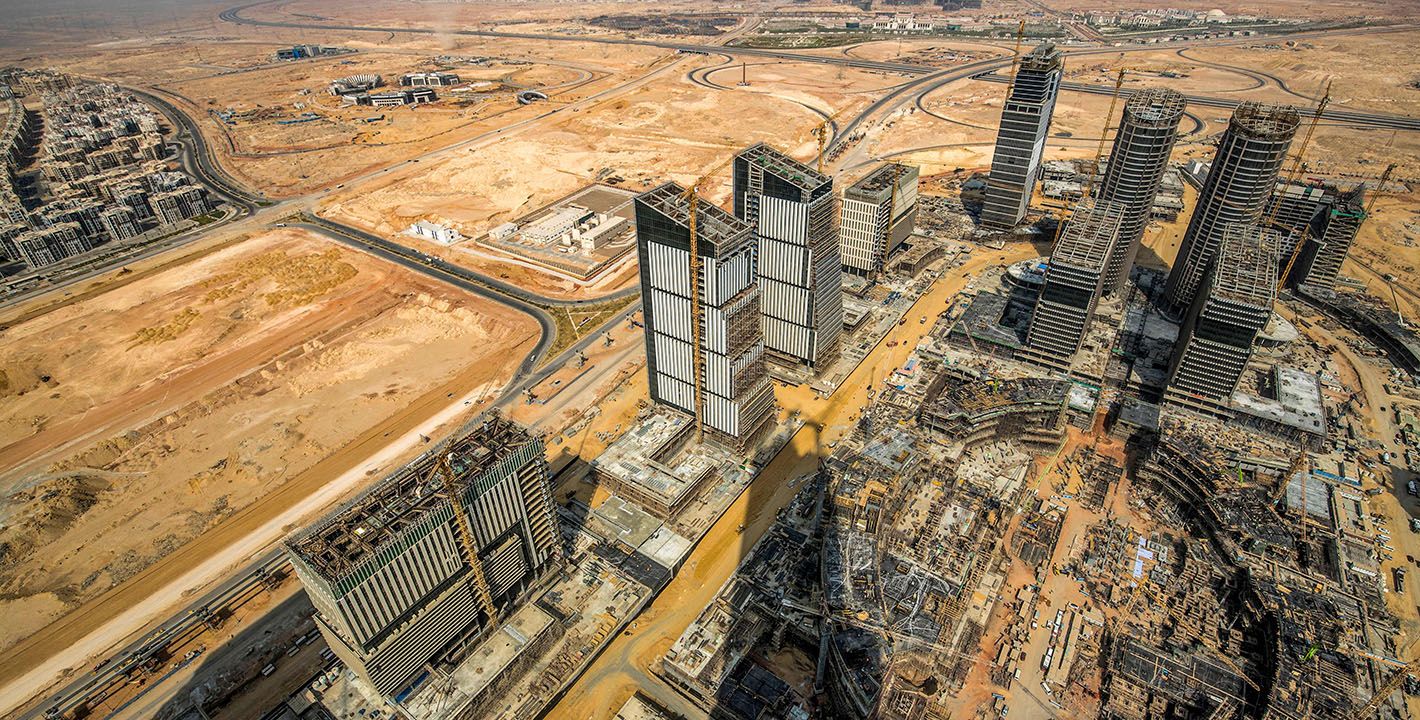
Mustaqbal Misr has expanded its portfolio with remarkable speed, but a lack of transparency remains.
Yezid Sayigh
Arab diaspora business communities in Egypt often mirror the same systemic challenges facing Egyptian businesses.
Nur Arafeh, Yezid Sayigh, Qaboul al-Absi, …
Largely characterized thus far by a single-minded focus on extractivism, Riyadh must commit to greater equitability in its approach to investment and development deals with Sudan, Ethiopia, and Eritrea.
Hesham Alghannam
Once Israel’s war in the territory is brought to an end, the foundational principles guiding reconstruction should be Palestinian self-determination, local agency, and sovereignty.
Nur Arafeh, Mandy Turner