

Q&A
Jon Bateman, Andy Masley
{
  "authors": [
    "Jon Bateman"
  ],
  "type": "legacyinthemedia",
  "centerAffiliationAll": "dc",
  "centers": [
    "Carnegie Endowment for International Peace"
  ],
  "collections": [],
  "englishNewsletterAll": "ctw",
  "nonEnglishNewsletterAll": "",
  "primaryCenter": "Carnegie Endowment for International Peace",
  "programAffiliation": "TIA",
  "programs": [
    "Technology and International Affairs"
  ],
  "projects": [],
  "regions": [
    "Iran"
  ],
  "topics": [
    "Technology"
  ]
}
Source: Getty
Cyber risk is greater than many had thought, with global aggregation potential—and insurance coverage remains limited and flecked with ambiguities.
Source: Insurer
In 2017, Russia’s military shocked the world by launching the most damaging cyberattack in history, a $10 billion global incident called NotPetya. Insurers felt this shock sharply, and the tremors still reverberate today. NotPetya showed that cyber risk is greater than many had thought, with global aggregation potential—and that insurance coverage remains limited and flecked with ambiguities. Three years later, the industry has not yet overcome these challenges. One of the thorniest unresolved questions is how war exclusions apply to cyber incidents like NotPetya.
Senior Fellow and Co-Director, Technology and International Affairs Program
Jon Bateman is a senior fellow and co-director of the Technology and International Affairs Program at the Carnegie Endowment for International Peace.
Recent Work

Jon Bateman, Andy Masley

Jon Bateman, Steve Feldstein
Carnegie does not take institutional positions on public policy issues; the views represented herein are those of the author(s) and do not necessarily reflect the views of Carnegie, its staff, or its trustees.

As the U.S. stumbles in its war with Iran, we are likely to see an acceleration of its disengagement from the region.

Michael Young

Middle Eastern states should welcome an accelerated U.S. disengagement from their region.
Michael Young

In an interview, former ambassador Charles Freeman assesses the Trump administration’s war against Iran.
Michael Young

Morocco and Algeria, each in its own way, are having to navigate the global economic fallout of the U.S.-Israeli military campaign against Iran.

Yasmine Zarhloule
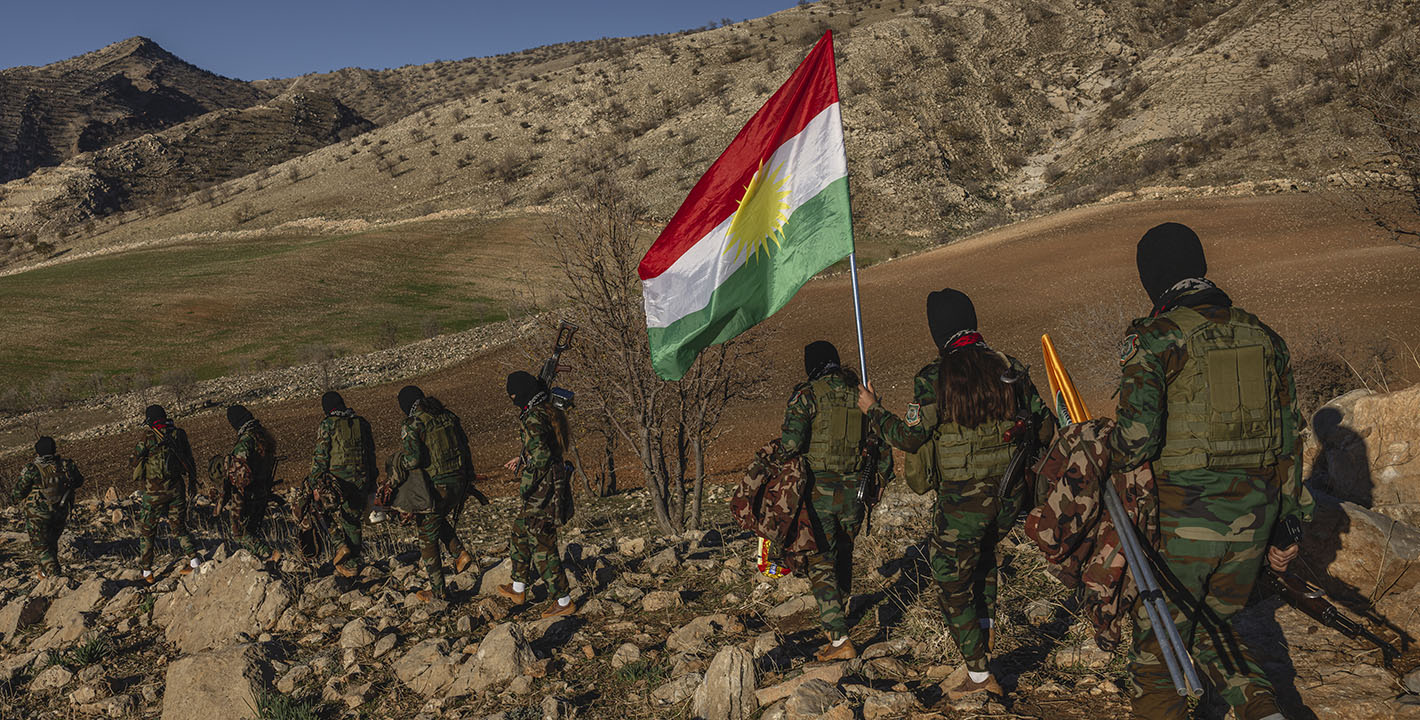
Following its deal with the United States, Iran may act against Iraq-based dissidents.
Wladimir van Wilgenburg