

Commentary
H. A. Hellyer
{
  "authors": [
    "H. A. Hellyer"
  ],
  "type": "legacyinthemedia",
  "centerAffiliationAll": "dc",
  "centers": [
    "Carnegie Endowment for International Peace",
    "Malcolm H. Kerr Carnegie Middle East Center"
  ],
  "collections": [],
  "englishNewsletterAll": "menaTransitions",
  "nonEnglishNewsletterAll": "",
  "primaryCenter": "Carnegie Endowment for International Peace",
  "programAffiliation": "MEP",
  "programs": [
    "Middle East"
  ],
  "projects": [],
  "regions": [
    "Western Europe"
  ],
  "topics": [
    "Political Reform",
    "Religion"
  ]
}
Source: Getty
No community wants to feel it is being engaged with because it is a “problem”—a “difficulty” that has come from “outside.” Rather, they want to be recognized as integral to the society of which they are a part, and given assistance in order to excel—not because the establishment fears them.
Source: Politico
By definition, something that’s “counterproductive” achieves the opposite result from the one that you want to achieve. As I’ve pondered European Council President Charles Michel’s call for the creation of a European institute to train imams, it’s that word — counterproductive — that has come to mind again and again.
There’s nothing untoward, intrinsically speaking, to favor the establishment and development of Muslim institutions of religious authority in Europe. That simply follows an existing pattern for Muslim communities historically and worldwide.
Former Nonresident Scholar, Middle East Program
Dr. H.A. Hellyer was a nonresident scholar at the Carnegie Endowment for International Peace. He serves as a senior associate fellow at the Royal United Services Institute for Defence and Security Studies in London, and as a Cambridge University fellow.
Recent Work
H. A. Hellyer
H. A. Hellyer
Carnegie does not take institutional positions on public policy issues; the views represented herein are those of the author(s) and do not necessarily reflect the views of Carnegie, its staff, or its trustees.
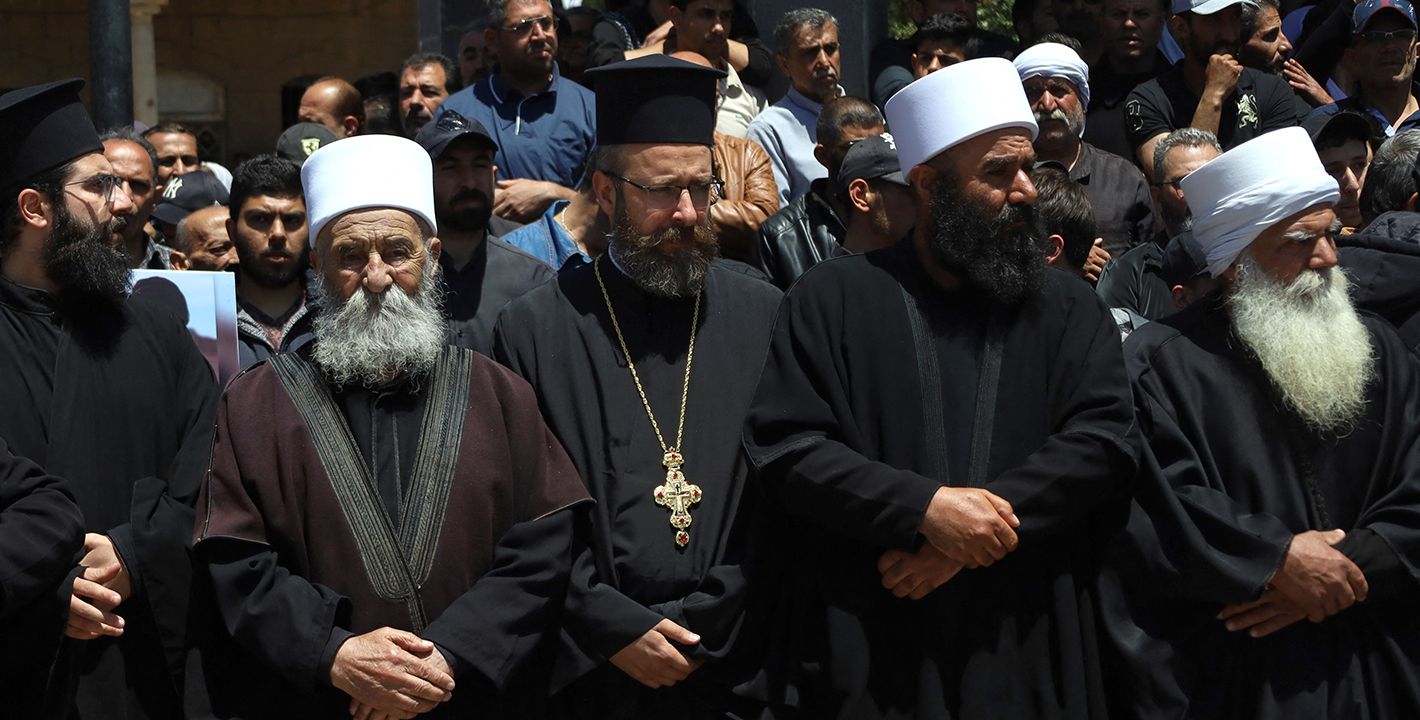
In an interview, Peter Harling discusses the fate of religious communities in the Syrian transformation.

Michael Young
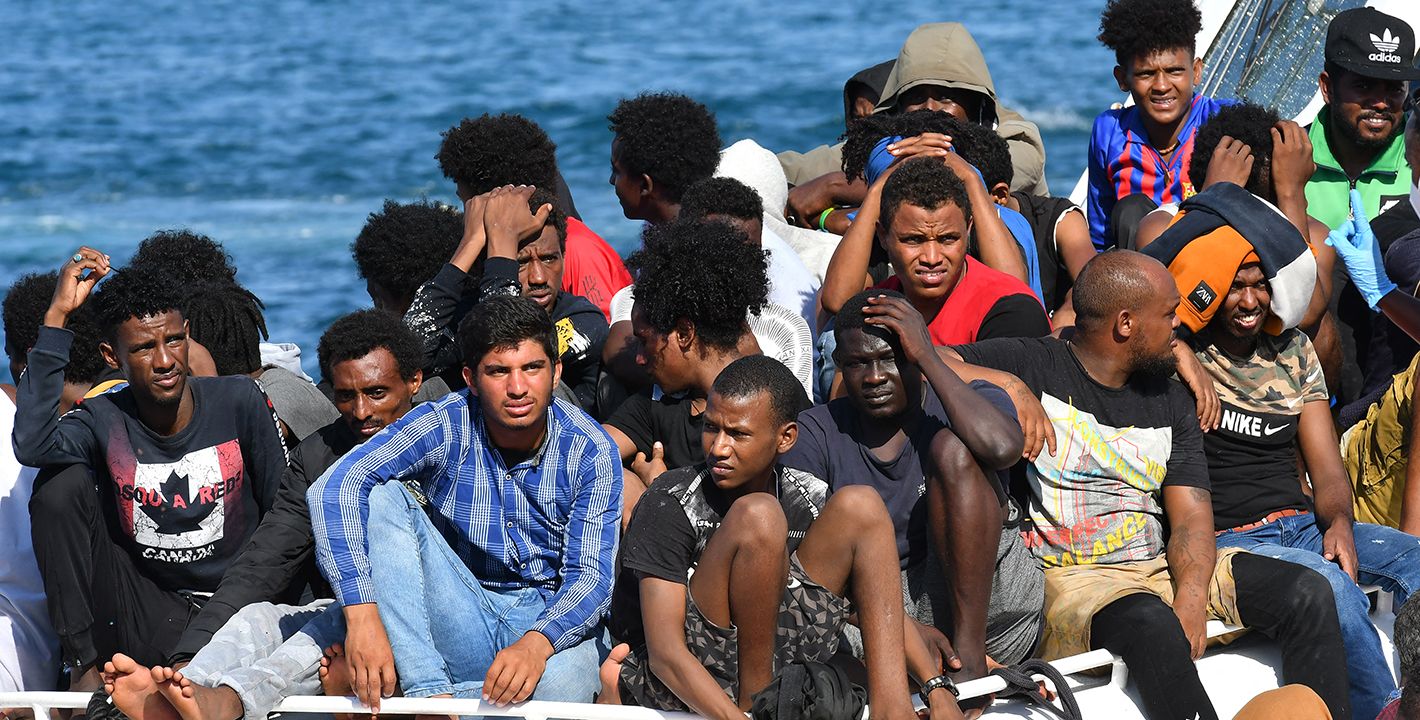
In an interview, Yasmine Zarhloule discusses irregular migration to Europe and the shortcomings of a securitization policy.
Rayyan Al-Shawaf
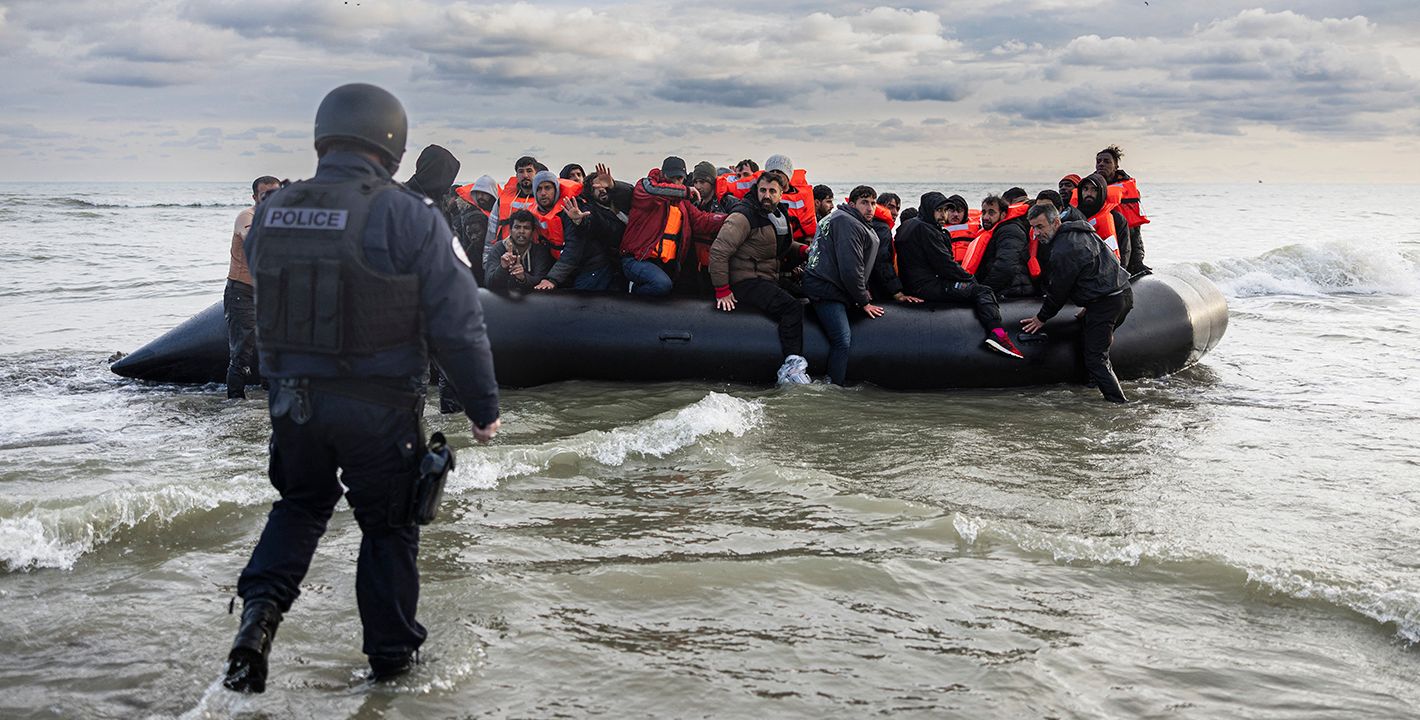
The EU has responded to unwanted arrivals with ever-stricter security measures, an approach that has both led to increased human rights violations and failed to stem the migratory tide.

Yasmine Zarhloule
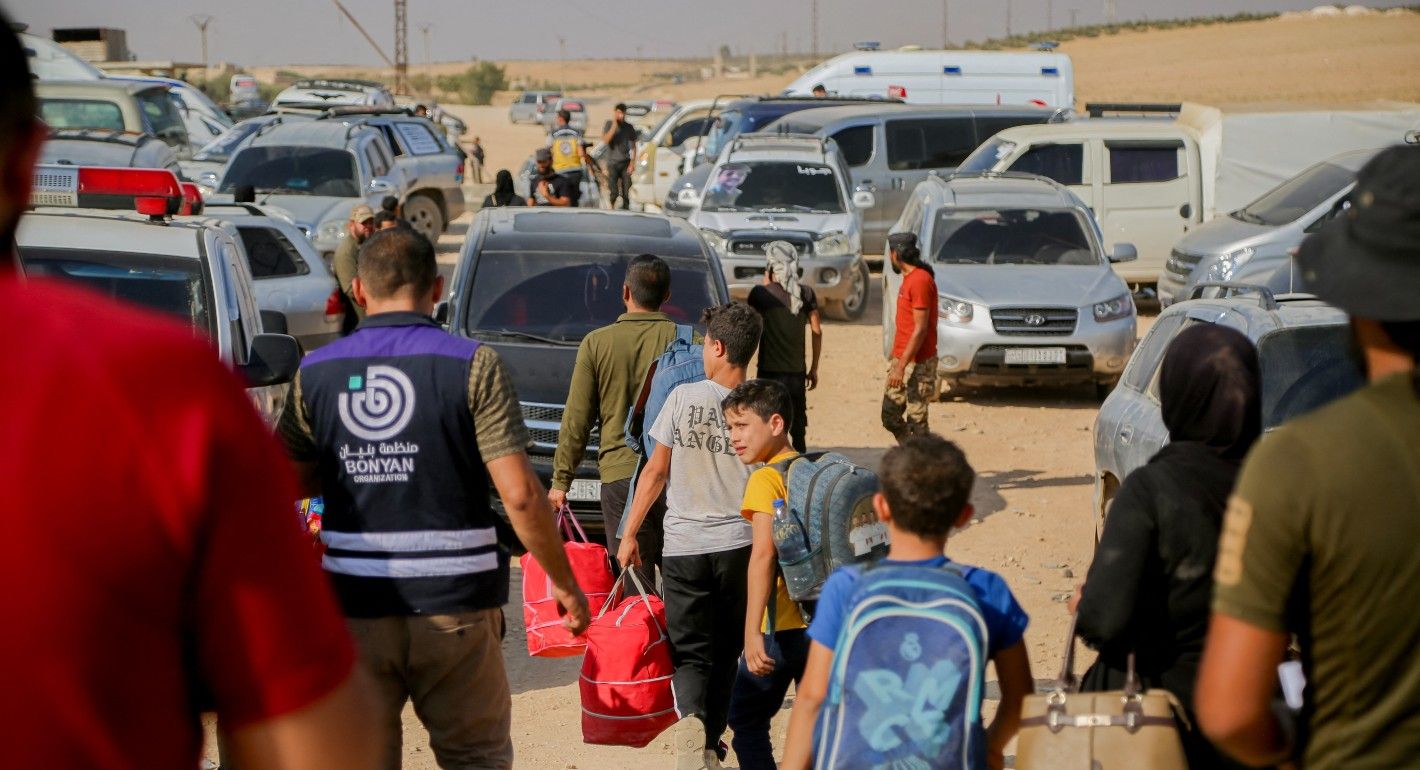
A humanitarian crisis in Lebanon deepens, and Syrian refugees face a perilous choice: remain in a war-torn environment or return to Syria where they risk encountering significant dangers and discrimination. There are significant challenges and risks to their search for safety in Syria.
Haid Haid
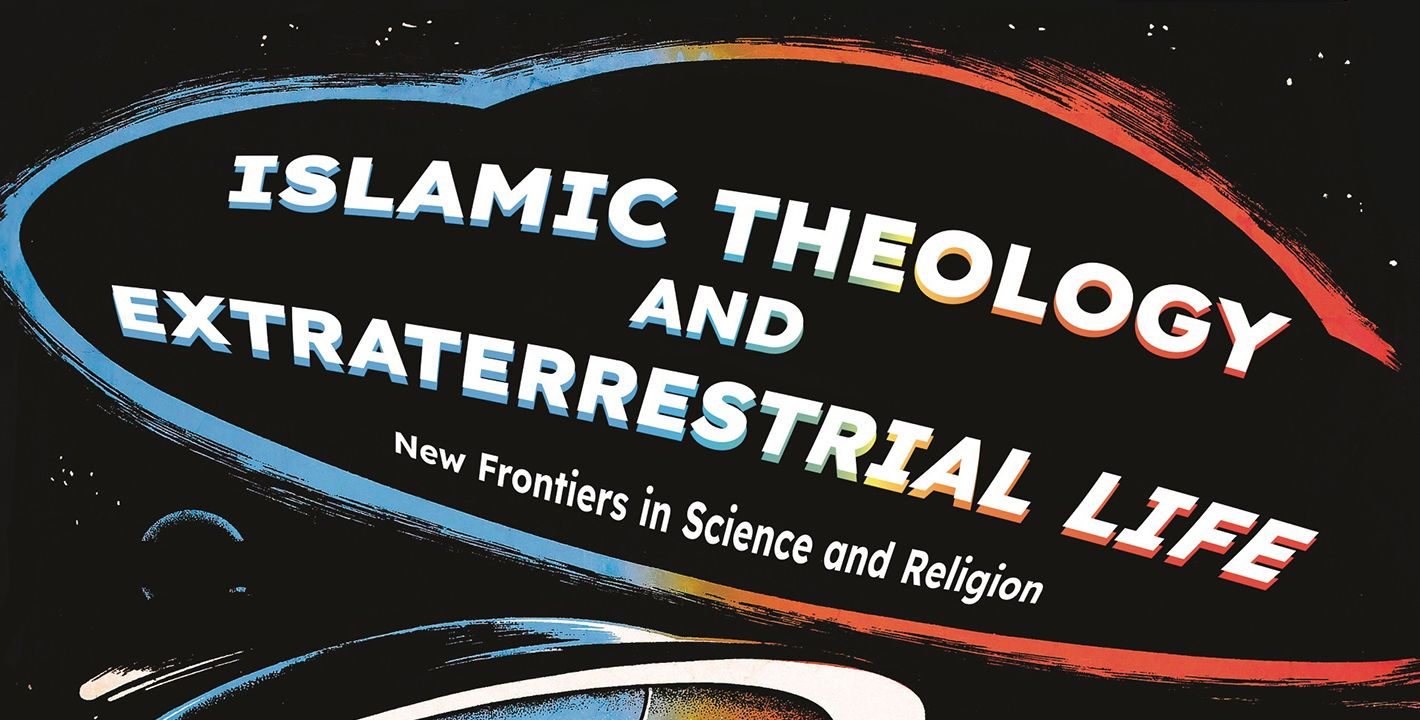
In an interview, Shoaib Ahmed Malik discusses his coedited book on Islam and extraterrestrial life.
Rayyan Al-Shawaf