

Commentary
Ulrich Kühn
{
  "authors": [
    "Ulrich Kühn"
  ],
  "type": "other",
  "centerAffiliationAll": "dc",
  "centers": [
    "Carnegie Endowment for International Peace"
  ],
  "collections": [],
  "englishNewsletterAll": "ctw",
  "nonEnglishNewsletterAll": "",
  "primaryCenter": "Carnegie Endowment for International Peace",
  "programAffiliation": "NPP",
  "programs": [
    "Nuclear Policy"
  ],
  "projects": [],
  "regions": [
    "Russia",
    "Eastern Europe",
    "Western Europe"
  ],
  "topics": [
    "Nuclear Policy"
  ]
}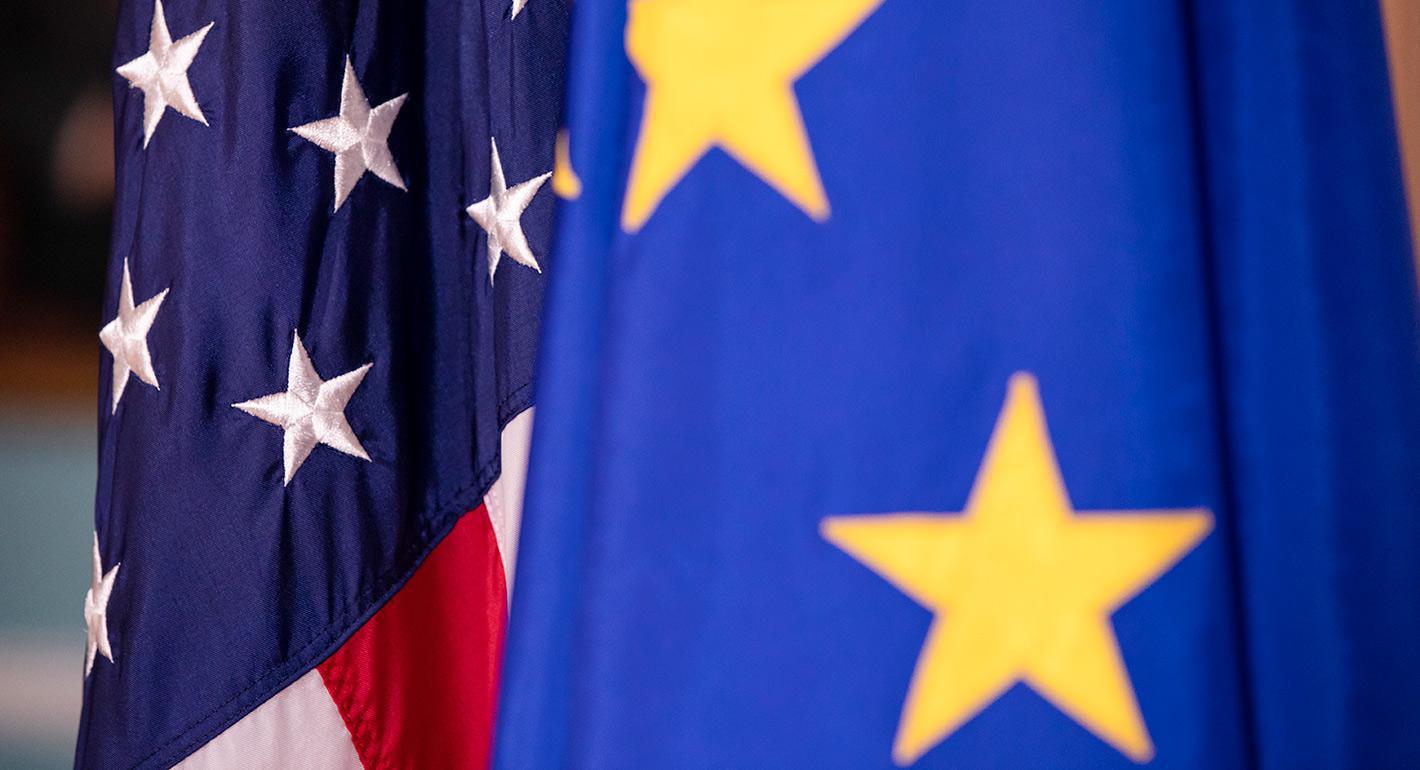
Source: Getty
Nuclear risk reduction efforts in the Euro-Atlantic should begin with the Russian Federation and the United States ensuring they retain what is left of nuclear arms control and transparency.
Source: UNIDIR
Risk of nuclear weapon use—be it deliberate use in an escalating crisis or war, in accordance with circumstances set out in nuclear doctrines, or due to inadvertent events—has grown in the Euro-Atlantic, mainly as a function of the resurgent strategic competition between the Russian Federation and the United States. Asymmetries in risk perceptions and developments in military capabilities are driving real and perceived insecurities. In this tense environment, (mis)interpretation of nuclear doctrines, coupled with poor risk analysis, could become self-fulfilling prophecies. This policy brief discusses sources of political volatility, outlines some of the risk drivers, and suggests measures in support of nuclear risk reduction in the Euro-Atlantic.

Former Nonresident Scholar, Nuclear Policy Program
Ulrich Kühn was a nonresident scholar at the Carnegie Endowment for International Peace, and the head of the arms control and emerging technologies program at the Institute for Peace Research and Security Policy at the University of Hamburg.
Recent Work
Ulrich Kühn
Ulrich Kühn
Carnegie does not take institutional positions on public policy issues; the views represented herein are those of the author(s) and do not necessarily reflect the views of Carnegie, its staff, or its trustees.
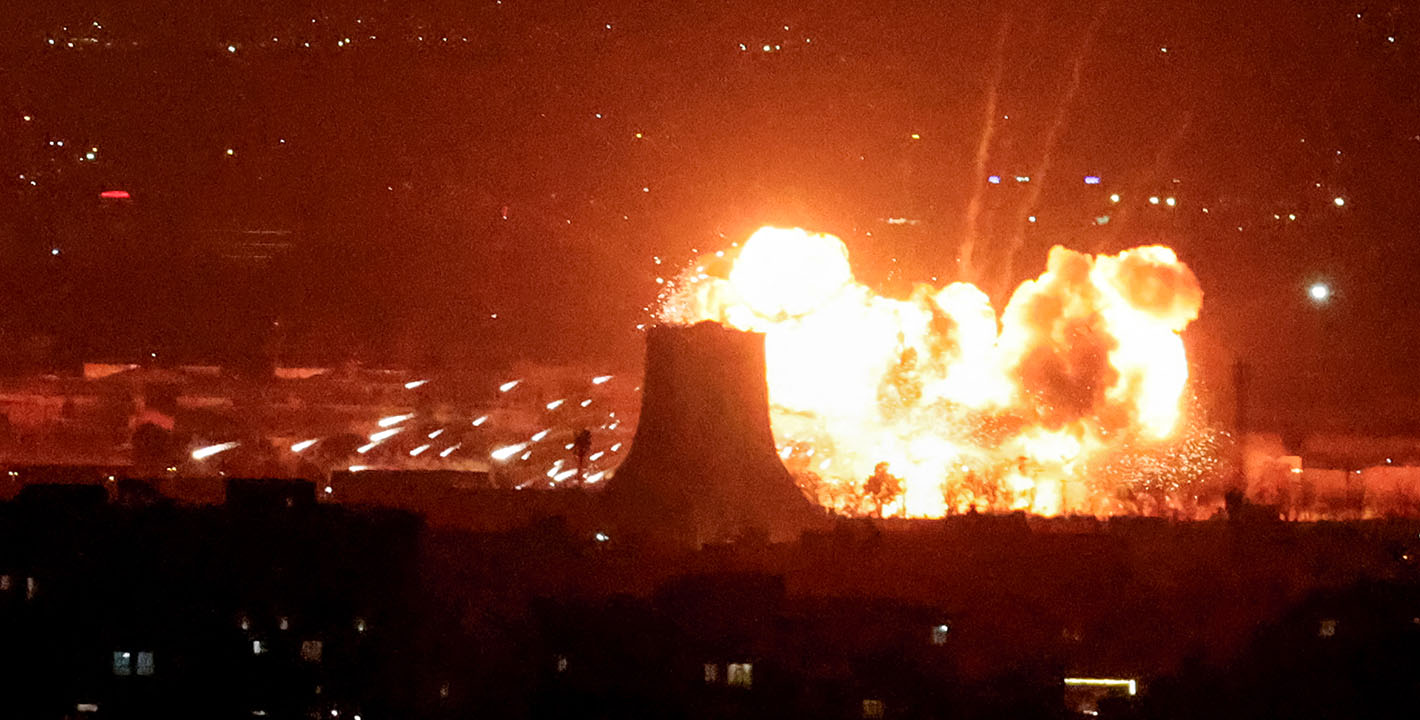
In an interview, Marc Lynch discusses his new book decrying the post-1990 U.S.-dominated order in the Middle East.

Michael Young

The country’s leadership is increasingly uneasy about multiple challenges from the Levant to the South Caucasus.

Armenak Tokmajyan
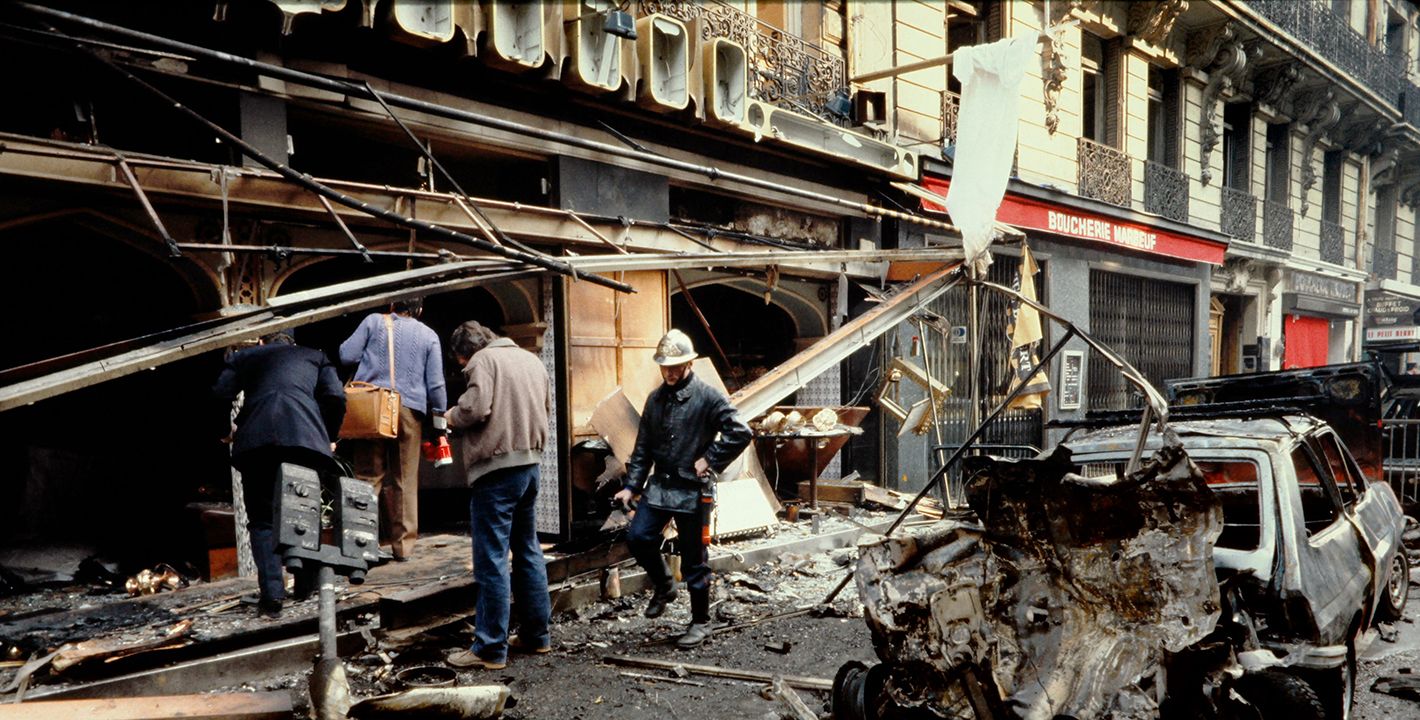
In an interview, Daniela Richterova speaks about her book on Czechoslovakia’s Cold War ties to Palestinian groups and others.
Michael Young
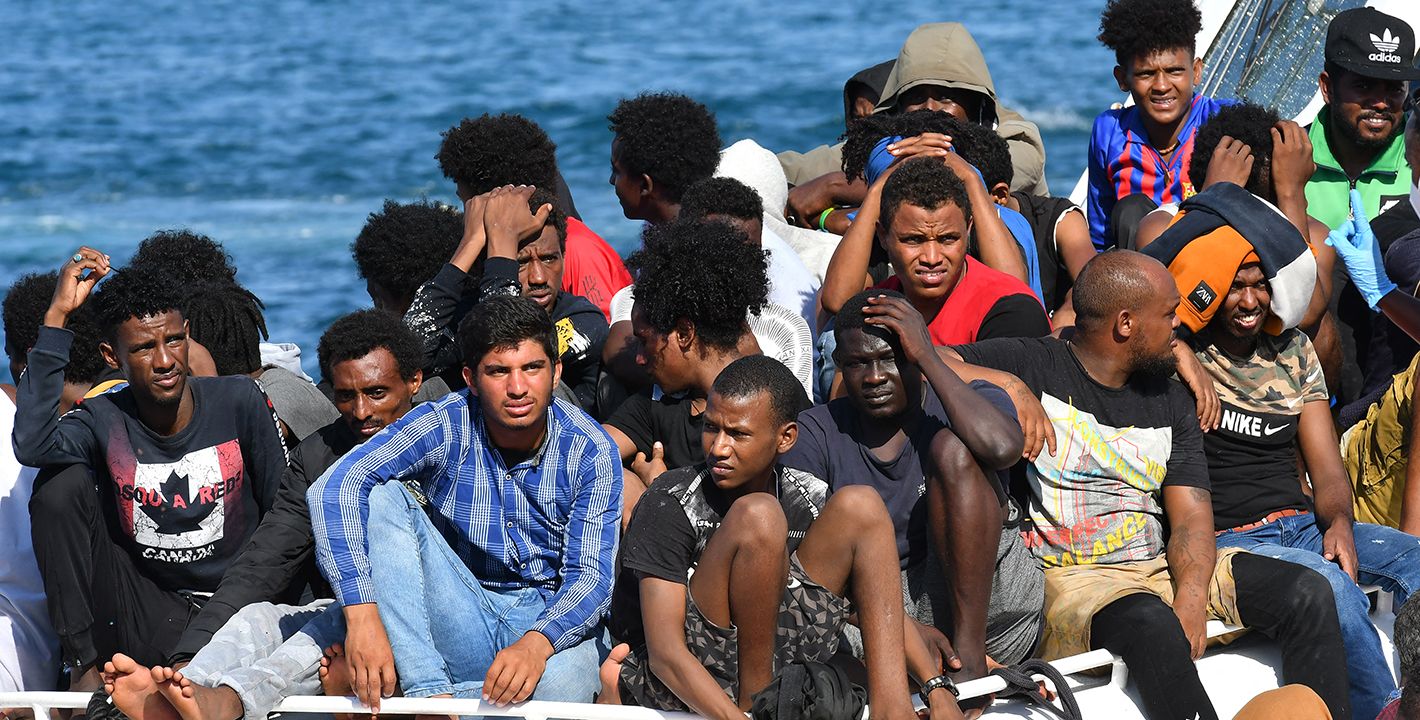
In an interview, Yasmine Zarhloule discusses irregular migration to Europe and the shortcomings of a securitization policy.
Rayyan Al-Shawaf
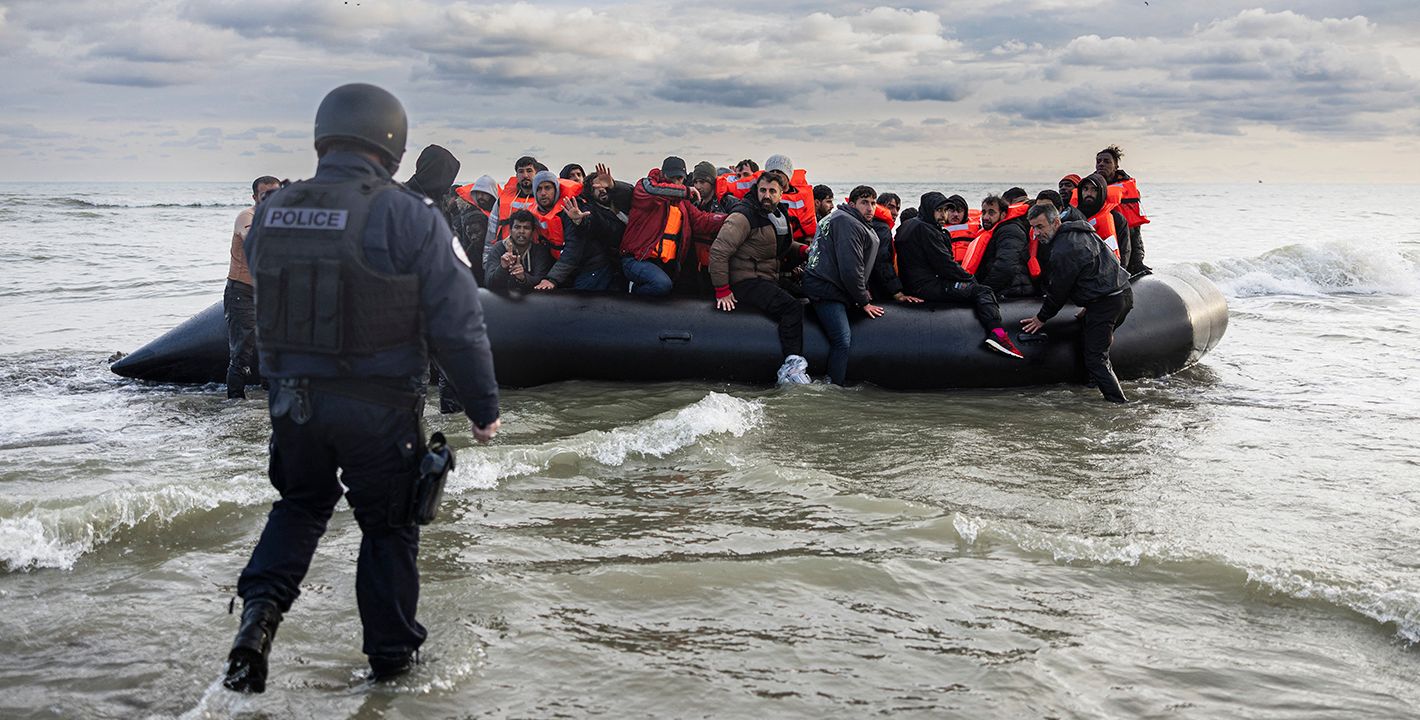
The EU has responded to unwanted arrivals with ever-stricter security measures, an approach that has both led to increased human rights violations and failed to stem the migratory tide.

Yasmine Zarhloule