

Article
Philip Remler
{
  "authors": [
    "Philip Remler"
  ],
  "type": "legacyinthemedia",
  "centerAffiliationAll": "dc",
  "centers": [
    "Carnegie Endowment for International Peace"
  ],
  "collections": [],
  "englishNewsletterAll": "ctw",
  "nonEnglishNewsletterAll": "",
  "primaryCenter": "Carnegie Endowment for International Peace",
  "programAffiliation": "russia",
  "programs": [
    "Russia and Eurasia"
  ],
  "projects": [],
  "regions": [
    "Eastern Europe"
  ],
  "topics": []
}
REQUIRED IMAGE
Over the past decade, the Organization for Security and Co-operation in Europe has been returning to its origins as a Cold War–era conference—a forum where states and blocs can air their frictions and hostilities. If the OSCE’s participating States want it to remain an organization, not a conference, they must take action to secure its executive autonomy.
Nonresident Scholar, Russia and Eurasia Program
Philip Remler is a nonresident scholar at the Carnegie Endowment for International Peace.
Recent Work
Philip Remler
Philip Remler
Carnegie does not take institutional positions on public policy issues; the views represented herein are those of the author(s) and do not necessarily reflect the views of Carnegie, its staff, or its trustees.
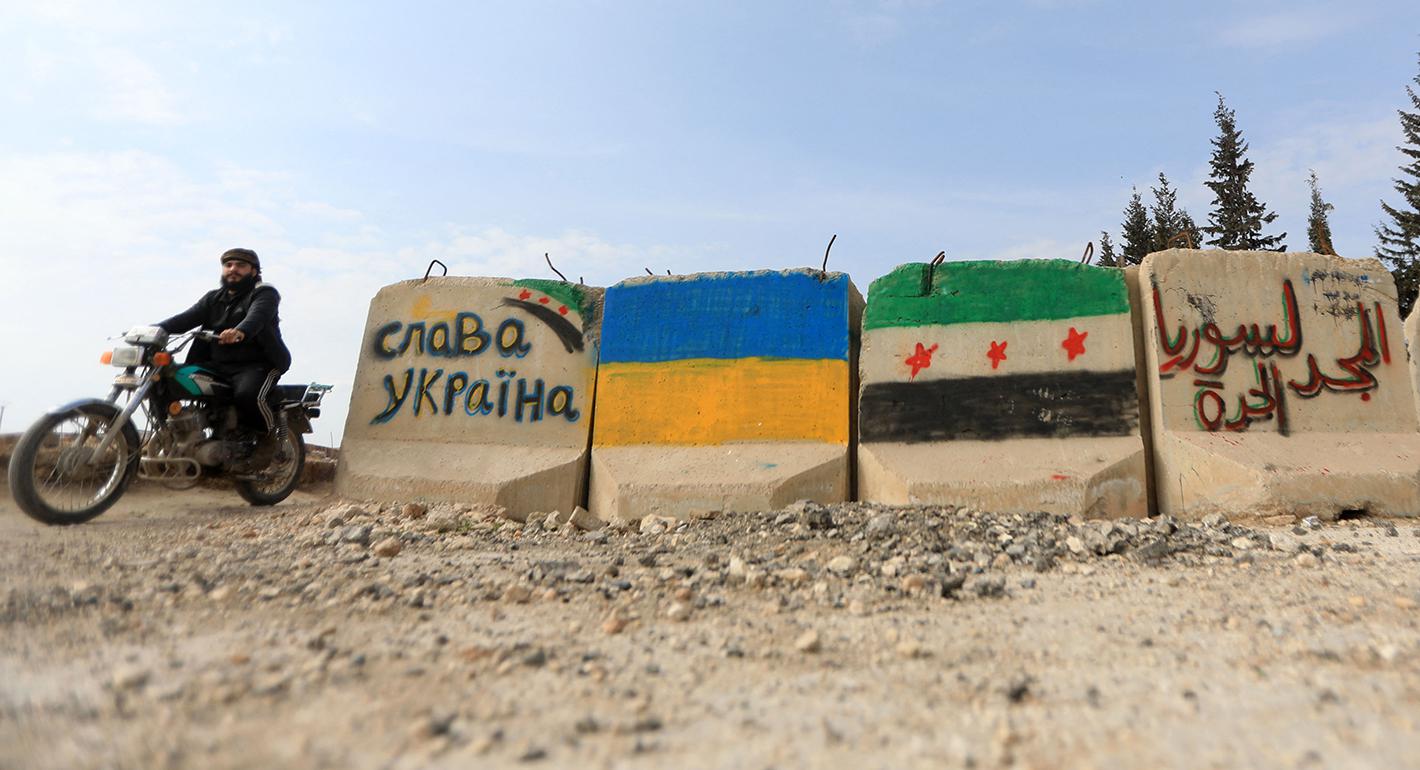
Some of Russia’s war tactics in Ukraine mirror the strategies Moscow has employed in Syria. The international community should apply the lessons learned then to limit devastation and casualties now.

Emma Beals
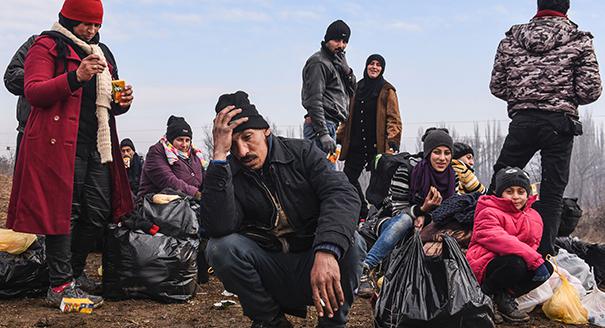
Very different Western reactions to the suffering in Ukraine and the Arab world show that there is a profound rift among cultures.

Michael Young
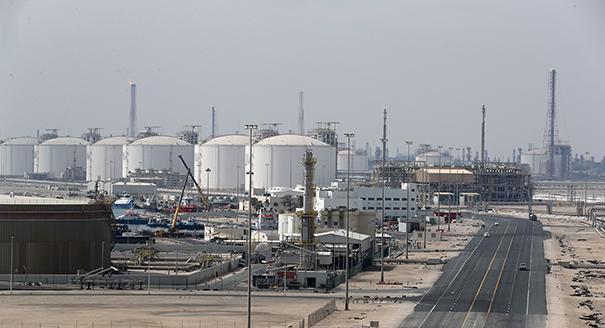
In an interview, Nikolay Kozhanov explains how the Ukraine conflict will affect Middle Eastern hydrocarbons production.
Michael Young

It’s about managing oil prices, bread prices, and strategic partnerships.



Amr Hamzawy, Karim Sadjadpour, Aaron David Miller, …
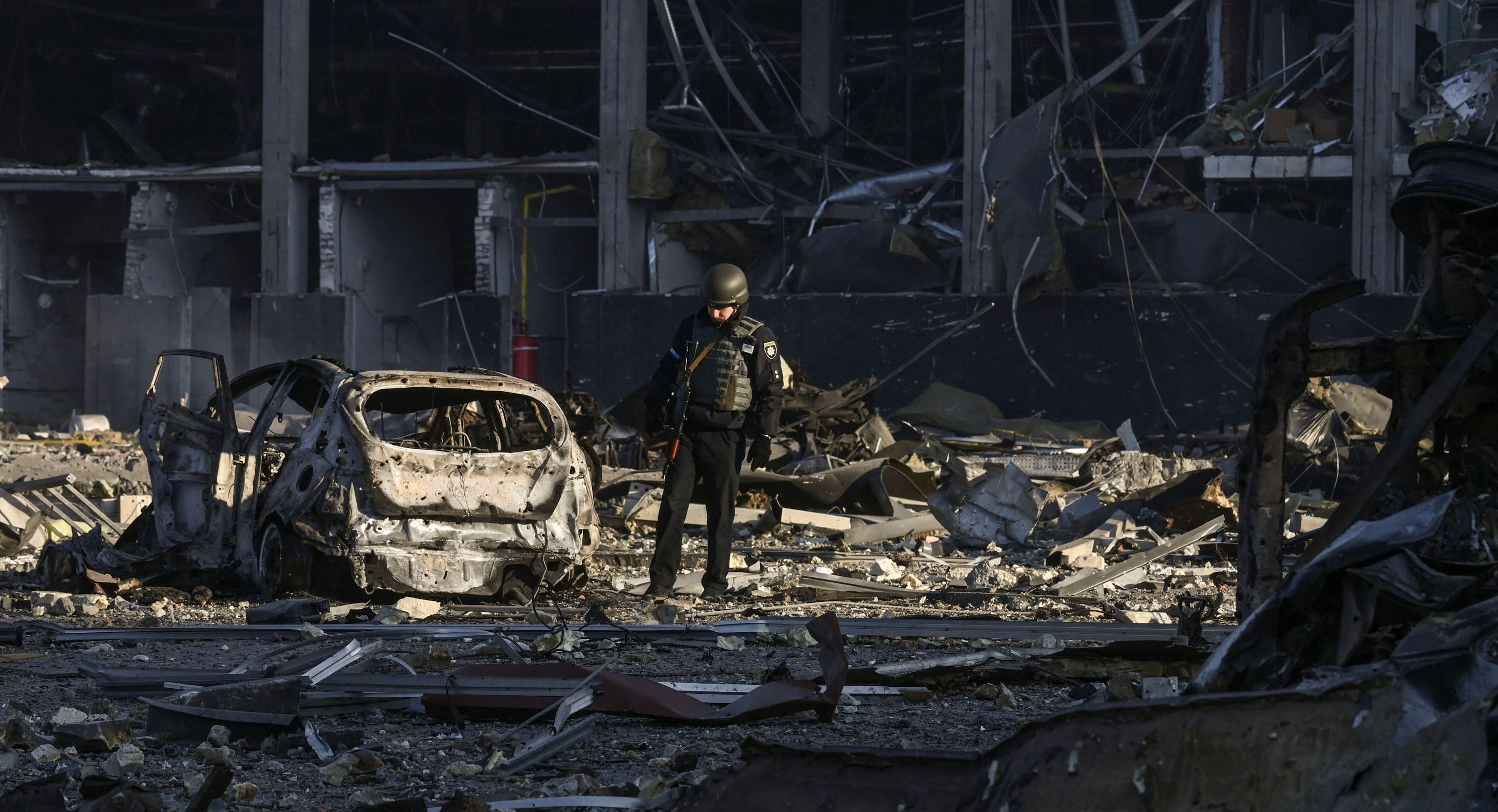
Both events also could force Washington to rethink or revive its Middle East partnerships.
Karim Sadjadpour