

Commentary
By failing to address Palestinian representation, the current process is bound to lead to just another temporary arrangement.
Nathan J. Brown
{
  "authors": [
    "Thomas Carothers",
    "Benjamin Press"
  ],
  "type": "legacyinthemedia",
  "centerAffiliationAll": "dc",
  "centers": [
    "Carnegie Endowment for International Peace"
  ],
  "collections": [
    "Democracy Policy"
  ],
  "englishNewsletterAll": "democracy",
  "nonEnglishNewsletterAll": "",
  "primaryCenter": "Carnegie Endowment for International Peace",
  "programAffiliation": "DCG",
  "programs": [
    "Democracy, Conflict, and Governance"
  ],
  "projects": [],
  "regions": [
    "North America",
    "United States"
  ],
  "topics": [
    "Political Reform",
    "Democracy",
    "Economy",
    "Security"
  ]
}
REQUIRED IMAGE
By heeding lessons from past experience, Washington will have a better chance of crafting policies that fulfill both the administration’s aspiration to upgrade U.S. support for democracy and rights globally alongside its determination to preserve and, in some cases, expand important U.S. security partnerships.

Harvey V. Fineberg Chair for Democracy Studies; Director, Democracy, Conflict, and Governance Program
Thomas Carothers, director of the Carnegie Endowment for International Peace’s Democracy, Conflict, and Governance Program, is a leading expert on comparative democratization and international support for democracy.
Benjamin Press
Former Nonresident Research Analyst, Democracy, Conflict, and Governance Program
Benjamin Press was a nonresident research analyst in the Democracy, Conflict, and Governance Program.
Carnegie does not take institutional positions on public policy issues; the views represented herein are those of the author(s) and do not necessarily reflect the views of Carnegie, its staff, or its trustees.

By failing to address Palestinian representation, the current process is bound to lead to just another temporary arrangement.

Nathan J. Brown

The armed forces champion a form of capitalism that is generating revenue, but its reliance on rent faces diminishing returns, leaving the country with massive sunk costs and deferred returns, deepening dependency on external borrowing.

Yezid Sayigh

Morocco and Algeria, each in its own way, are having to navigate the global economic fallout of the U.S.-Israeli military campaign against Iran.

Yasmine Zarhloule
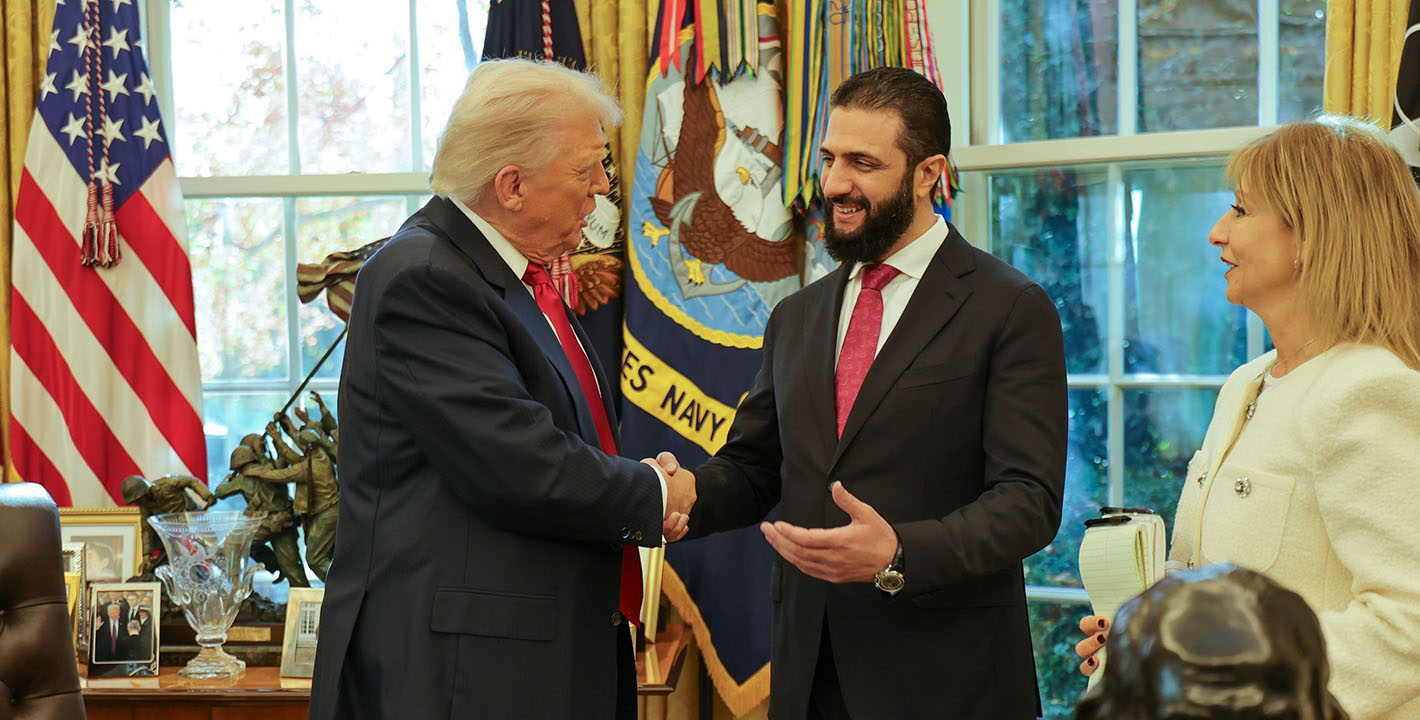
Any move by the United States to make good on Trump’s suggestion that Washington persuade Damascus to confront Hezbollah militarily would have catastrophic consequences.
Kheder Khaddour
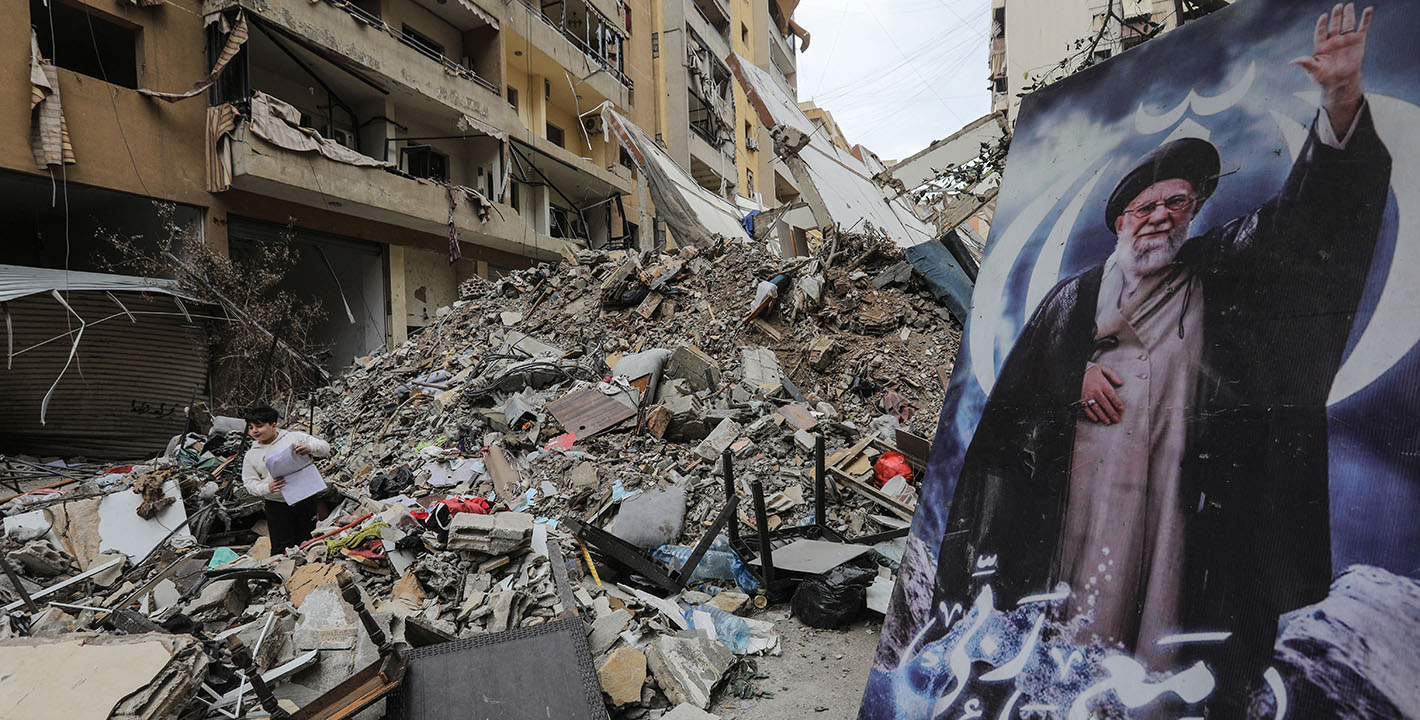
As talks begin between Washington and Tehran, Beirut has an opening to advance a regional plan for the party’s disarmament.

Michael Young