

Paper
Olivia Lazard, Mandi Bissett, James Dyke
{
  "authors": [
    "Olivia Lazard"
  ],
  "type": "legacyinthemedia",
  "centerAffiliationAll": "dc",
  "centers": [
    "Carnegie Endowment for International Peace",
    "Carnegie Europe"
  ],
  "collections": [],
  "englishNewsletterAll": "ctw",
  "nonEnglishNewsletterAll": "",
  "primaryCenter": "Carnegie Europe",
  "programAffiliation": "SCP",
  "programs": [
    "Sustainability, Climate, and Geopolitics",
    "Europe"
  ],
  "projects": [],
  "regions": [
    "Europe",
    "Western Europe",
    "North America",
    "Iran"
  ],
  "topics": [
    "Foreign Policy",
    "EU",
    "Security",
    "Economy",
    "Migration",
    "Climate Change",
    "Global Governance"
  ]
}
REQUIRED IMAGE
The EU has a major role to play in accelerating climate action both at home and abroad. If it fails, the bloc will succumb to supply chain breakdowns and migratory pressures. To avoid this, the EU must advance climate justice and restore trust between developed and developing countries.

Fellow, Carnegie Europe
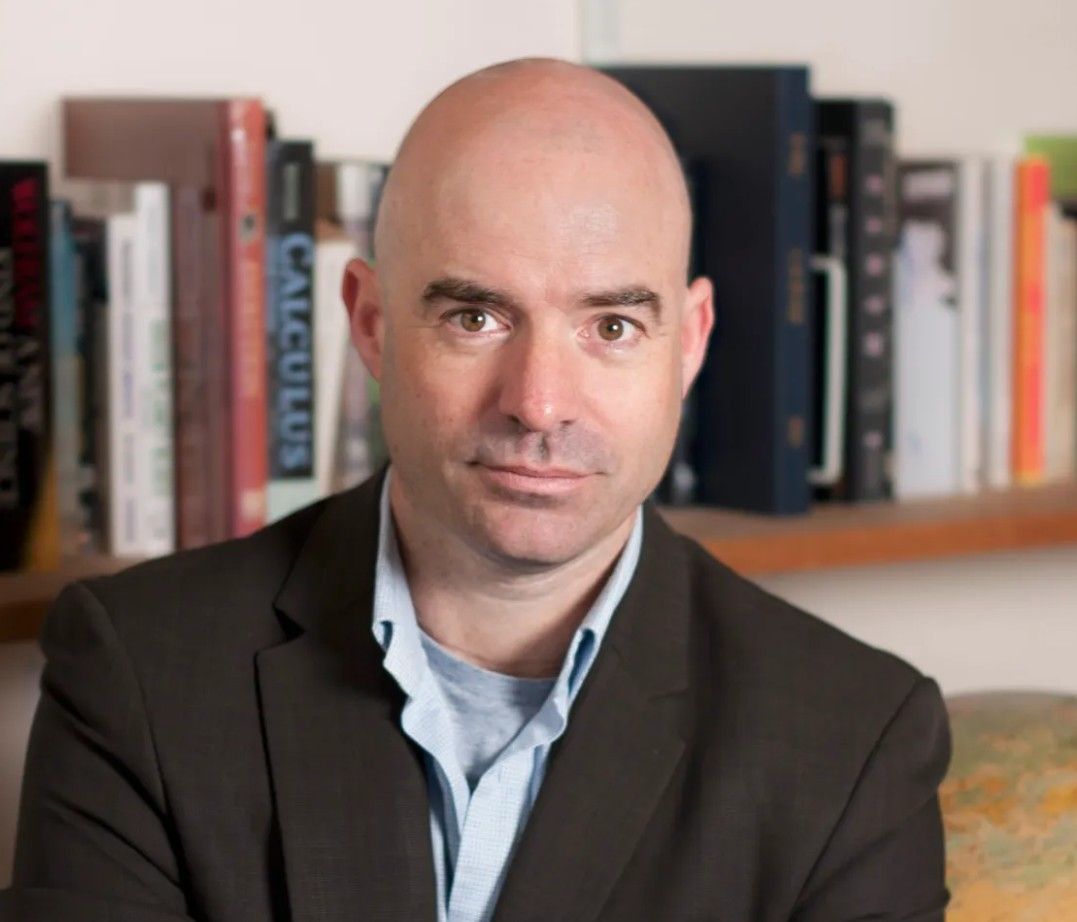
Olivia Lazard was a fellow at Carnegie Europe. Her research focused on the geopolitics of climate, the transition ushered by climate change, and the risks of conflict and fragility associated to climate change and environmental collapse.
Recent Work

Olivia Lazard, Mandi Bissett, James Dyke
Olivia Lazard
Carnegie does not take institutional positions on public policy issues; the views represented herein are those of the author(s) and do not necessarily reflect the views of Carnegie, its staff, or its trustees.

In an interview, Ian Lustick and Eli Clifton discuss their new book on why a prominent ally has so much influence in America.

Michael Young

As the U.S. stumbles in its war with Iran, we are likely to see an acceleration of its disengagement from the region.
Michael Young

Middle Eastern states should welcome an accelerated U.S. disengagement from their region.
Michael Young

In an interview, former ambassador Charles Freeman assesses the Trump administration’s war against Iran.
Michael Young

By failing to address Palestinian representation, the current process is bound to lead to just another temporary arrangement.

Nathan J. Brown