

Commentary
Oliver Stuenkel, Adrian Feinberg
{
  "authors": [
    "Oliver Stuenkel"
  ],
  "type": "commentary",
  "centerAffiliationAll": "dc",
  "centers": [
    "Carnegie Endowment for International Peace"
  ],
  "collections": [],
  "englishNewsletterAll": "democracy",
  "nonEnglishNewsletterAll": "",
  "primaryCenter": "Carnegie Endowment for International Peace",
  "programAffiliation": "DCG",
  "programs": [
    "Democracy, Conflict, and Governance"
  ],
  "projects": [],
  "regions": [
    "North America",
    "South America"
  ],
  "topics": []
}
Source: Getty
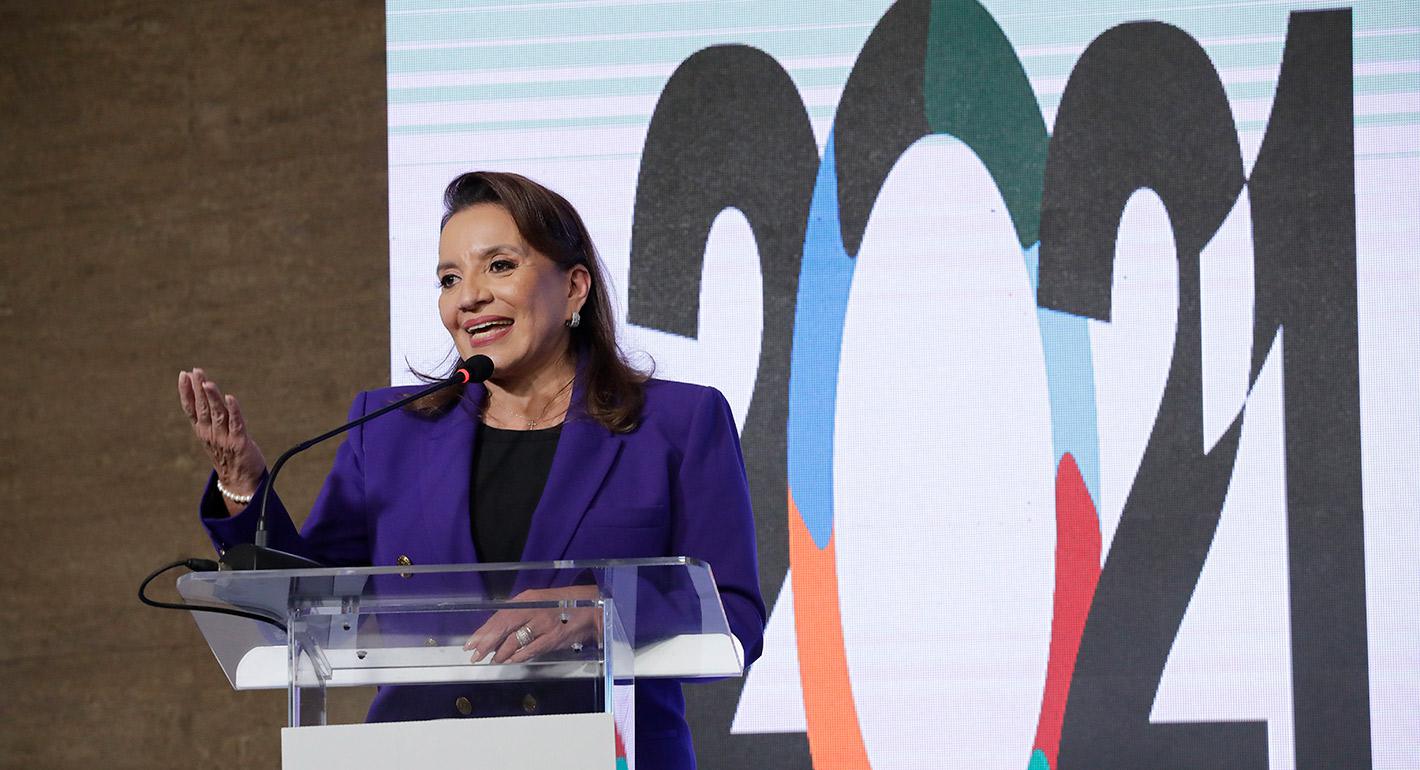
Xiomara Castro faces an uphill battle to deliver change—but she might be the region’s best hope.
Today’s inauguration of new Honduran President Xiomara Castro was supposed to inspire hope in a country blighted by economic collapse, massive emigration, and one of the world’s highest murder rates. Castro’s November 28 landslide win, followed by a quick concession by the incumbent National Party candidate, had been hailed as proof that democracy in one of Latin America’s poorest countries was alive and kicking. But excitement over the country’s first female head of state has dampened considerably as she has faced both a severe political crisis within her own party that risks overshadowing her inauguration and the uphill battles of combating corruption and organized crime.
Castro’s victory was the first time since the country’s democratization in 1982 that a president did not hail from either the Liberal Party or the National Party, which have dominated Honduran politics for forty years. Since 2009, when Castro’s husband, Manuel Zelaya, was ousted in a military coup, the governing National Party had undermined democratic institutions so much, and was so deeply mired in massive corruption and dealings with organized crime, that a peaceful transfer of power was far from certain. More than twenty politicians, mostly from the opposition, were assassinated in pre-election violence. Still, young voters turned out in droves to support Castro and her Liberty and Refoundation (Libre) party. Not being part of the two major parties allowed Castro to convincingly call for change and appealed to voters who had lost faith in the political establishment (even though Castro, as a former first lady, is far from an outsider).
But last week, a political crisis broke out when lawmakers from Castro’s party opposed her decision to hand the presidency of Congress to Luis Redondo of the Savior of Honduras Party (PSH), an allied centrist outfit that had supported her candidacy. The crisis deepened further when members of the Libre party backed another president of Congress—bringing the country to the brink of a constitutional crisis. With numerous lawmakers expelled from the Libre party and PSH support uncertain, Castro’s capacity to appoint officials or to push through key reforms—be it economic policies or measures to fight corruption or organized crime—will be far more limited.
The fact that Castro suffered such a serious setback even before taking office bodes ill for her four-year presidential term and may paralyze many of the ambitious ideas articulated on the campaign trail. Her goal to summon a Constitutional Assembly—a controversial idea her husband had also pursued when president—will almost certainly be out of reach. Considering the urgency to address Honduras’ many problems, voters’ patience with the new government is unlikely to last for very long. A recent poll suggested that nearly 45 percent of voters would support a military coup if corruption remained very high.
Castro’s premature troubles also pose a challenge for international partners and donors, many of whom identified the incoming president as a potential interlocutor in a region blighted by poverty, corruption, and increasingly powerful transnational crime. In addition, many of the region’s democracies are facing their worst crises in decades. Nicaragua’s increasingly authoritarian government is largely isolated in the West due to its systematic human rights abuses, and the U.S. government has downgraded its cooperation with Guatemala after the president fired a well-known anti-graft prosecutor in an apparent effort to protect his allies last year. Washington’s relationship with El Salvador is also going through a crisis after the U.S. government added three Salvadoran senior officials to its corruption sanctions list. This lack of reliable partners has made it difficult for U.S. President Joe Biden’s administration to meaningfully engage the region on issues such as boosting economic development and addressing the migration crisis.
More than two million people are estimated to have left Guatemala, Honduras, and El Salvador—a region known as the Northern Triangle—since 2014, contributing significantly to the situation at the United States’ southern border. Last year, half of the people taken into custody on the migration trail to the United States hailed from Honduras, which turns the small country into a U.S. foreign policy priority. The fact that U.S. Vice President Kamala Harris traveled to Tegucigalpa to attend the inauguration is a clear signal that the United States is keen to establish strong ties with the new Honduran government.
Along with El Salvador, Honduras has also been in the spotlight for its transnational crime and drug trade that deeply pervades state structures. This was perhaps most powerfully symbolized by the March 2021 sentence of Juan Antonio Hernández, brother of Honduras’ outgoing president, to life in U.S. federal prison on charges of state-sponsored drug trafficking. And testimonies by drug traffickers have revealed that this isn’t unique to the Hernández family: politicians or family members tied to three past Honduran presidents have links to transnational crimes—including Yani Rosenthal, head of the Liberal Party who came in third in November’s presidential elections and who spent time in a U.S. prison. These structural realities point to the overwhelming financial firepower of the international drug trade and underline how difficult it will be to bring about meaningful change. While Castro promised reconciliation to avoid alienating key political players whom she may have to work with, she risks creating a climate of impunity by not punishing officials for their past corruption.
In the same way, outside actors’ interests may involve difficult trade-offs. After the 2009 military coup, former U.S. president Barack Obama’s administration decided to support holding fresh presidential elections and started working with the winner, Porfirio Lobo, whose son is currently serving a twenty-four-year sentence for drug trafficking in the United States. Rather than setting a precedent that military coups were not acceptable, Washington was eager to identify an interlocutor with whom it could work with, while several Latin American governments, such as those in Brazil and Argentina, had called for reinstating Zelaya and did not accept the legitimacy of the Lobo administration. Castro has also signaled that she may re-evaluate her country’s relationship with Taiwan, placing Honduras in the ongoing tensions between China and the United States.
While the international community mostly sees Honduras through the context of migration and transnational crime, it is equally important to focus on other aspects of the country’s embattled democracy and human rights situation. While on the campaign trail, Castro had vowed to combat violence against women, LGBTQ people, Indigenous populations, and environmental activists—topics that received little attention by previous governments. (Two well-known Honduran activists have been assassinated this month alone.) Castro also promised to attempt to decriminalize abortion in cases of rape and to improve access to contraceptives, ideas that will generate resistance among conversative Hondurans.
The odds that Castro will move Honduras in the right direction in these numerous issues are slim. More than half of Hondurans are keen to emigrate, and it is unlikely that this reality will change anytime soon. And yet, especially when compared to the previous administration, this new government represents one of the few bright spots in Central America. Castro deserves broad international support as she initiates her presidency.
Senior Fellow, Democracy, Conflict, and Governance Program
Oliver Stuenkel is an associate professor at the School of International Relations at Fundação Getulio Vargas (FGV) in São Paulo, Brazil. He is also a senior fellow affiliated with the Democracy, Conflict, and Governance Program at the Carnegie Endowment for International Peace.
Recent Work
Oliver Stuenkel, Adrian Feinberg
Oliver Stuenkel, Adrian Feinberg
Carnegie does not take institutional positions on public policy issues; the views represented herein are those of the author(s) and do not necessarily reflect the views of Carnegie, its staff, or its trustees.
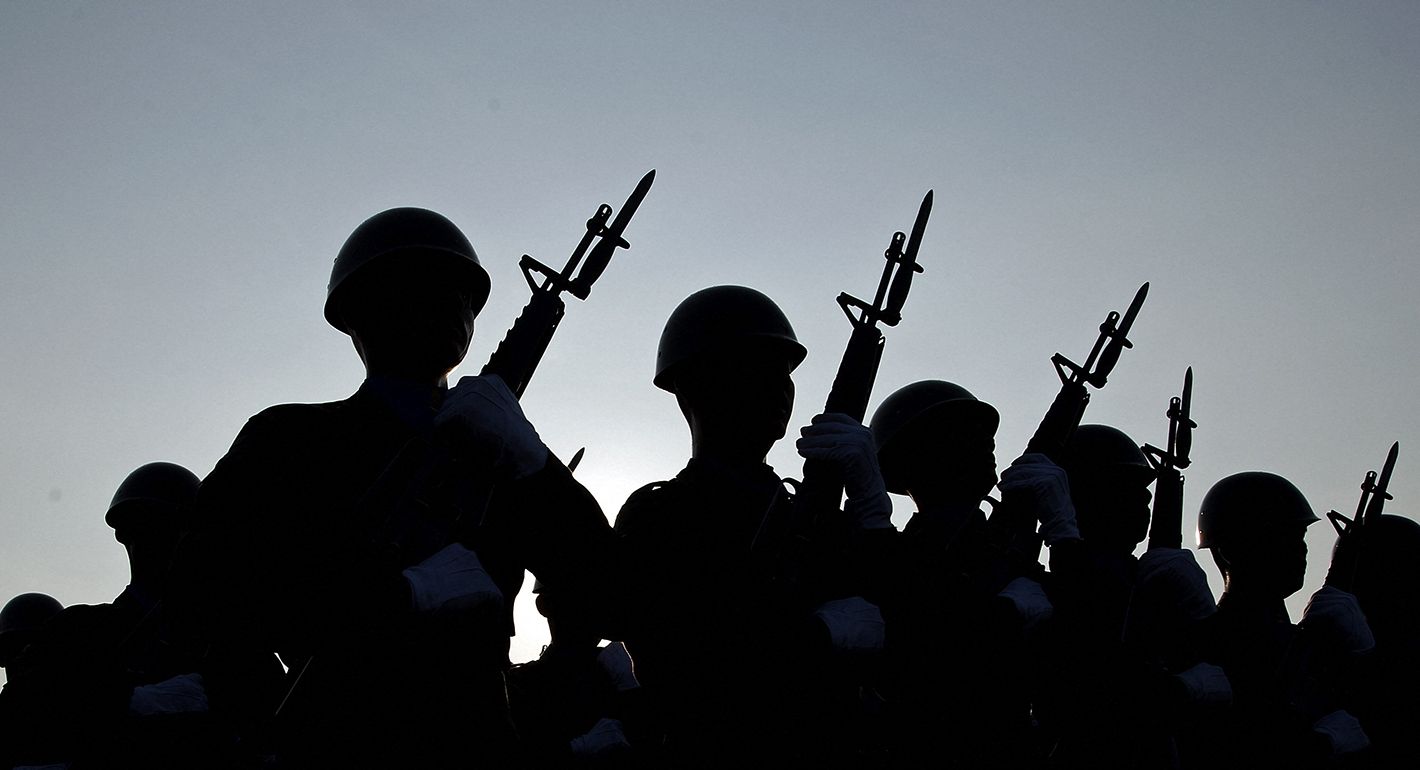
The interaction of national armed forces and private business sectors offers a useful lens for viewing the politics of numerous countries of the so-called Global South. A rising trend of military political activism—often accompanied by military commercial activity—underlines the importance of drivers and outcomes in these relationships.

Yezid Sayigh, Hamza Meddeb
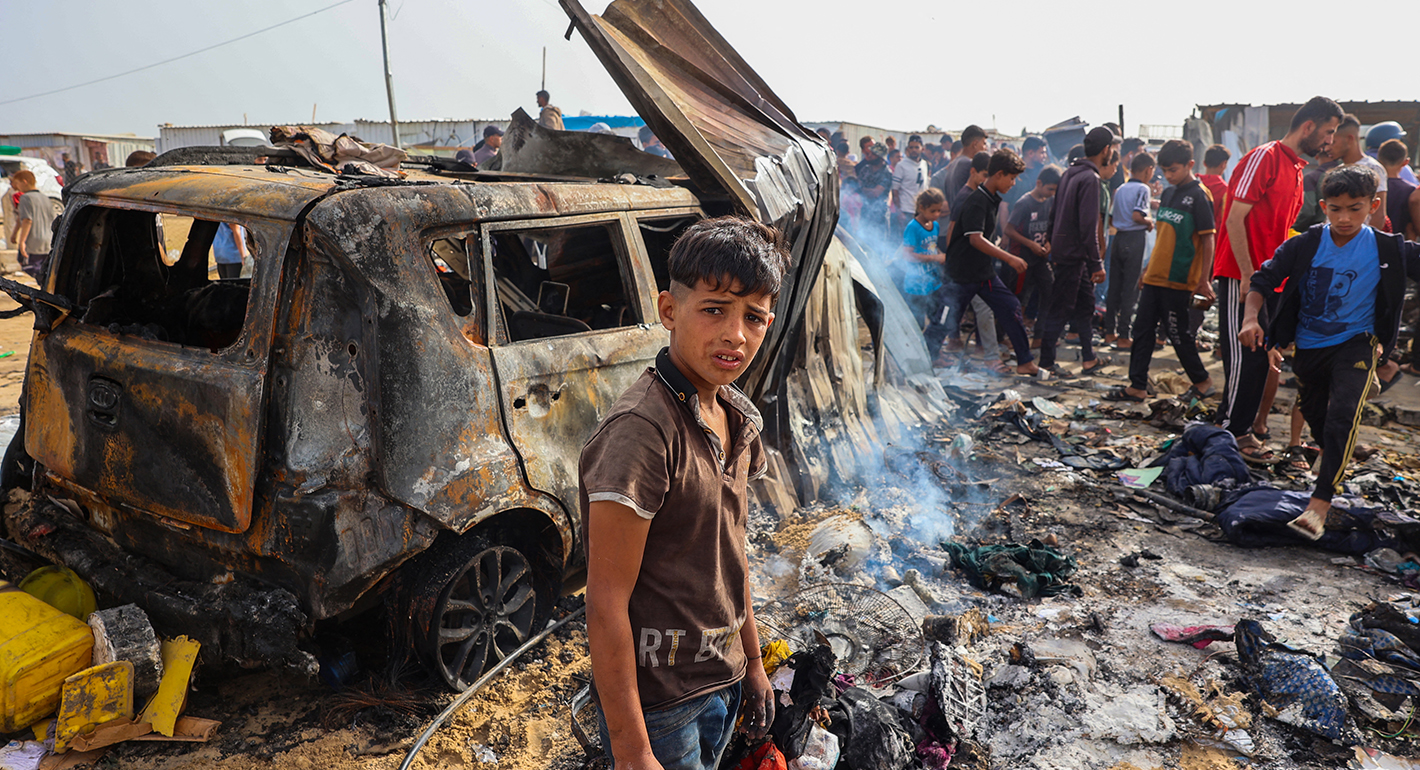
The Biden administration’s plan for the “day after” in Gaza would be disastrous without the promise of Palestinian statehood.
Yezid Sayigh
In an interview, H. A. Hellyer talks about international justice as the ICC prosecutor seeks to pursue Israeli officials.

Michael Young
Antony Blinken took his guitar to Kyiv to lift the spirits of Ukrainians, but Arabs are apparently denied his tunes.
Michael Young
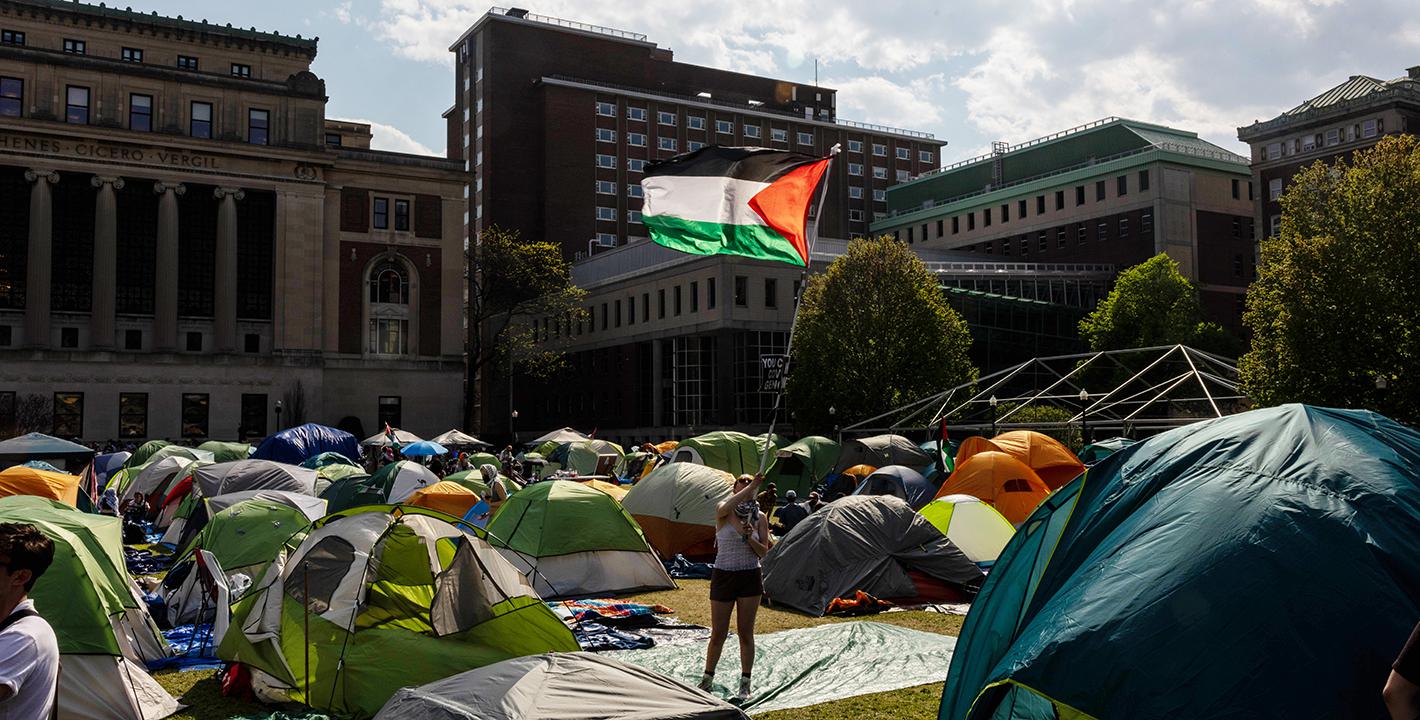
As students around the United States and Europe protest, the relationship of Western elites with Israel is being redefined.
Michael Young