

Paper
Renée DiResta, Rachel Kleinfeld, Margot Treadwell
{
  "authors": [
    "Rachel Kleinfeld"
  ],
  "type": "legacyinthemedia",
  "centerAffiliationAll": "dc",
  "centers": [
    "Carnegie Endowment for International Peace"
  ],
  "collections": [],
  "englishNewsletterAll": "democracy",
  "nonEnglishNewsletterAll": "",
  "primaryCenter": "Carnegie Endowment for International Peace",
  "programAffiliation": "DCG",
  "programs": [
    "Democracy, Conflict, and Governance"
  ],
  "projects": [],
  "regions": [],
  "topics": [
    "Political Reform",
    "Democracy"
  ]
}
REQUIRED IMAGE
A focus today on China and to a lesser extent Russia would be comparable. These are the two countries that are offering alternative models, funding, and military support to other autocrats. But many backsliding democracies are failing for reasons of domestic politics.
Senior Fellow, Democracy, Conflict, and Governance Program
Rachel Kleinfeld is a senior fellow in Carnegie’s Democracy, Conflict, and Governance Program, where she focuses on issues of rule of law, security, and governance in democracies experiencing polarization, violence, and other governance problems.
Recent Work
Renée DiResta, Rachel Kleinfeld, Margot Treadwell
Political Violence Researchers, Rachel Kleinfeld, ed., Dalya Berkowitz, ed.
Carnegie does not take institutional positions on public policy issues; the views represented herein are those of the author(s) and do not necessarily reflect the views of Carnegie, its staff, or its trustees.
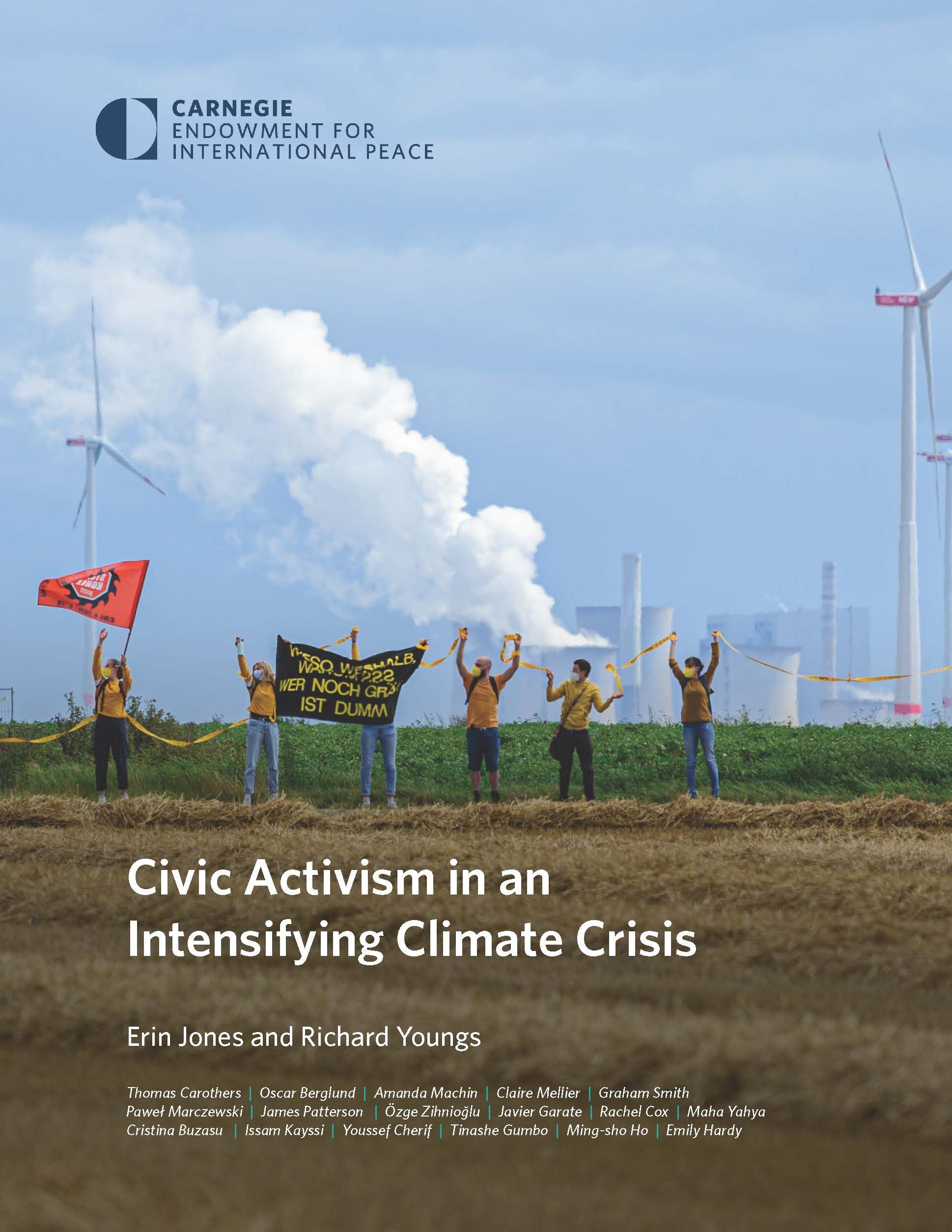
To address the deepening climate crisis, climate activism is employing a wider variety of tactics and aiming at a broader set of goals. In response, the movement faces stronger repression and civic backlash against climate action.

Erin Jones, Richard Youngs
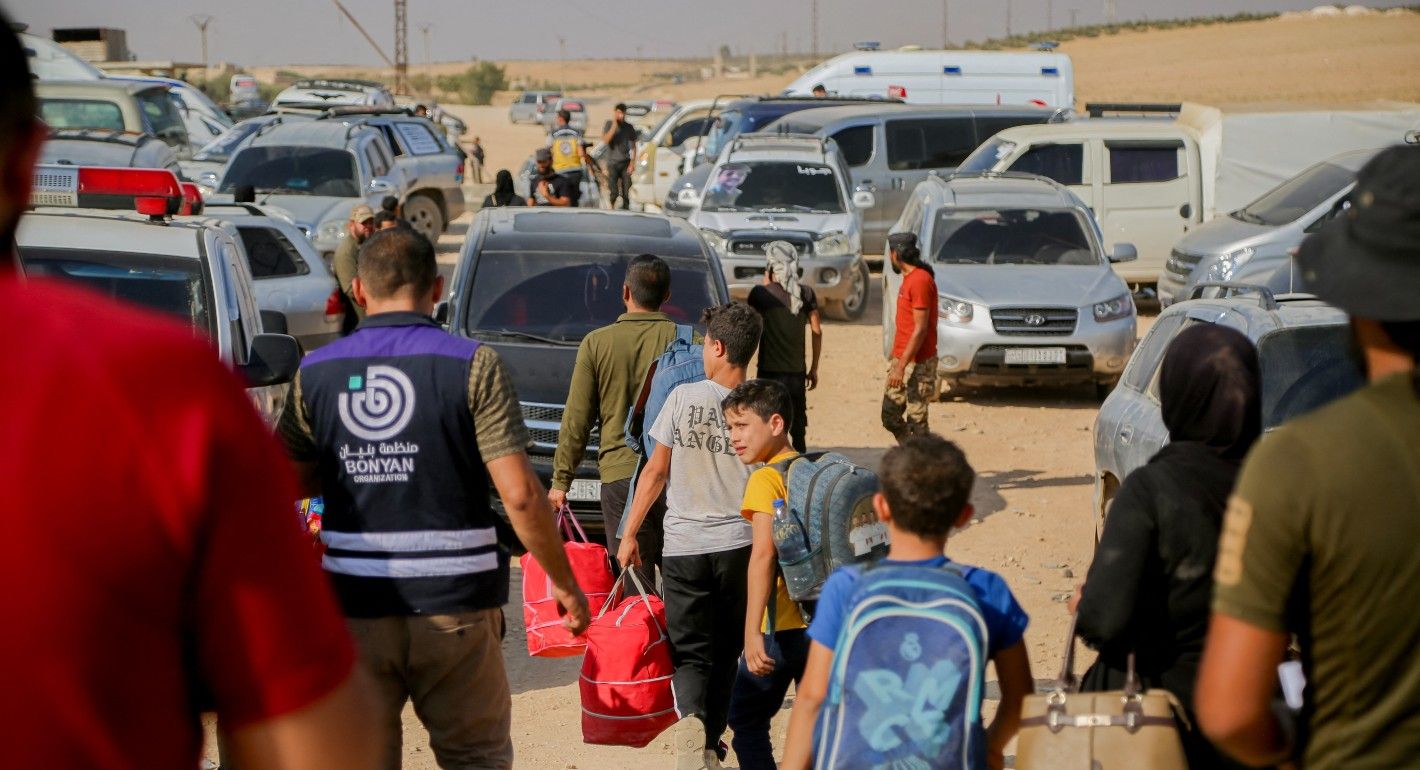
A humanitarian crisis in Lebanon deepens, and Syrian refugees face a perilous choice: remain in a war-torn environment or return to Syria where they risk encountering significant dangers and discrimination. There are significant challenges and risks to their search for safety in Syria.
Haid Haid
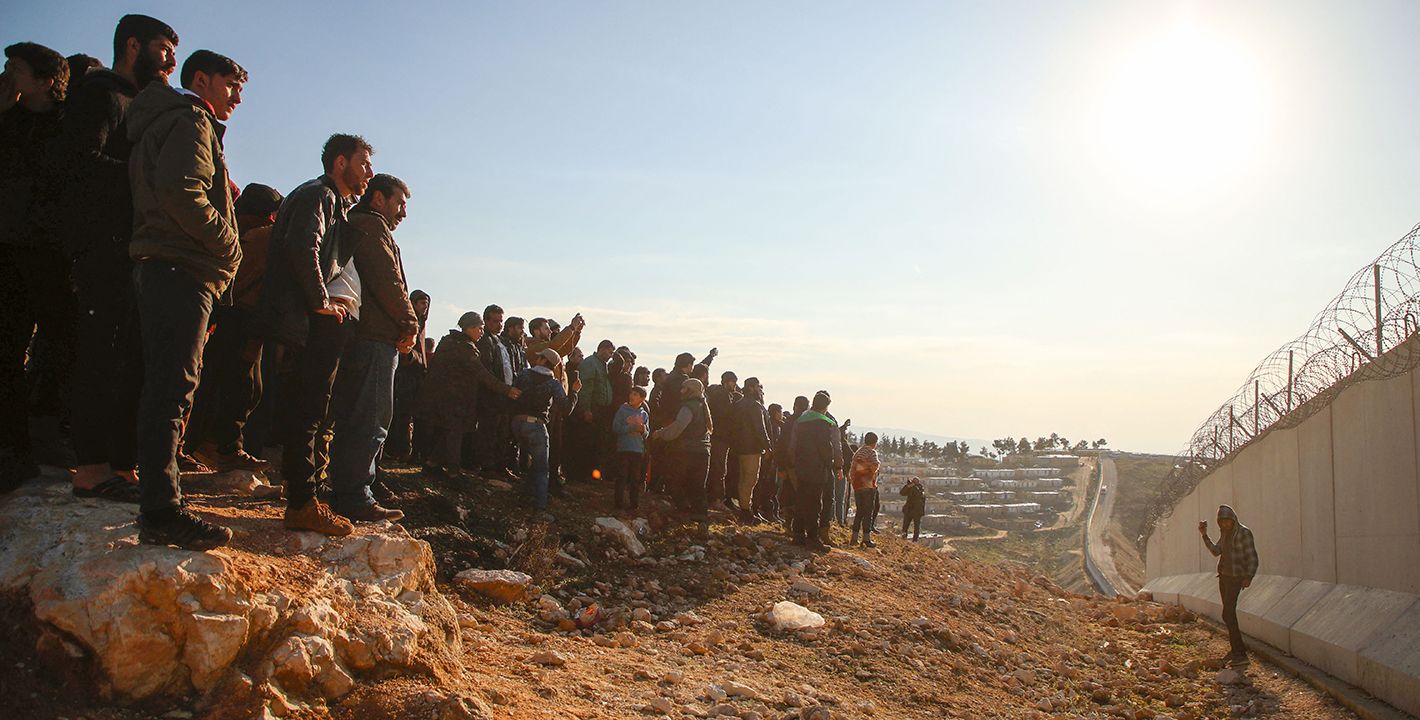
In Syria’s border regions, changes in demographics, economics, and security mean that an inter-Syrian peace process will require consensus among main regional powers that Syria must remain united, that no one side can be victorious, and that perennial instability threatens the region.
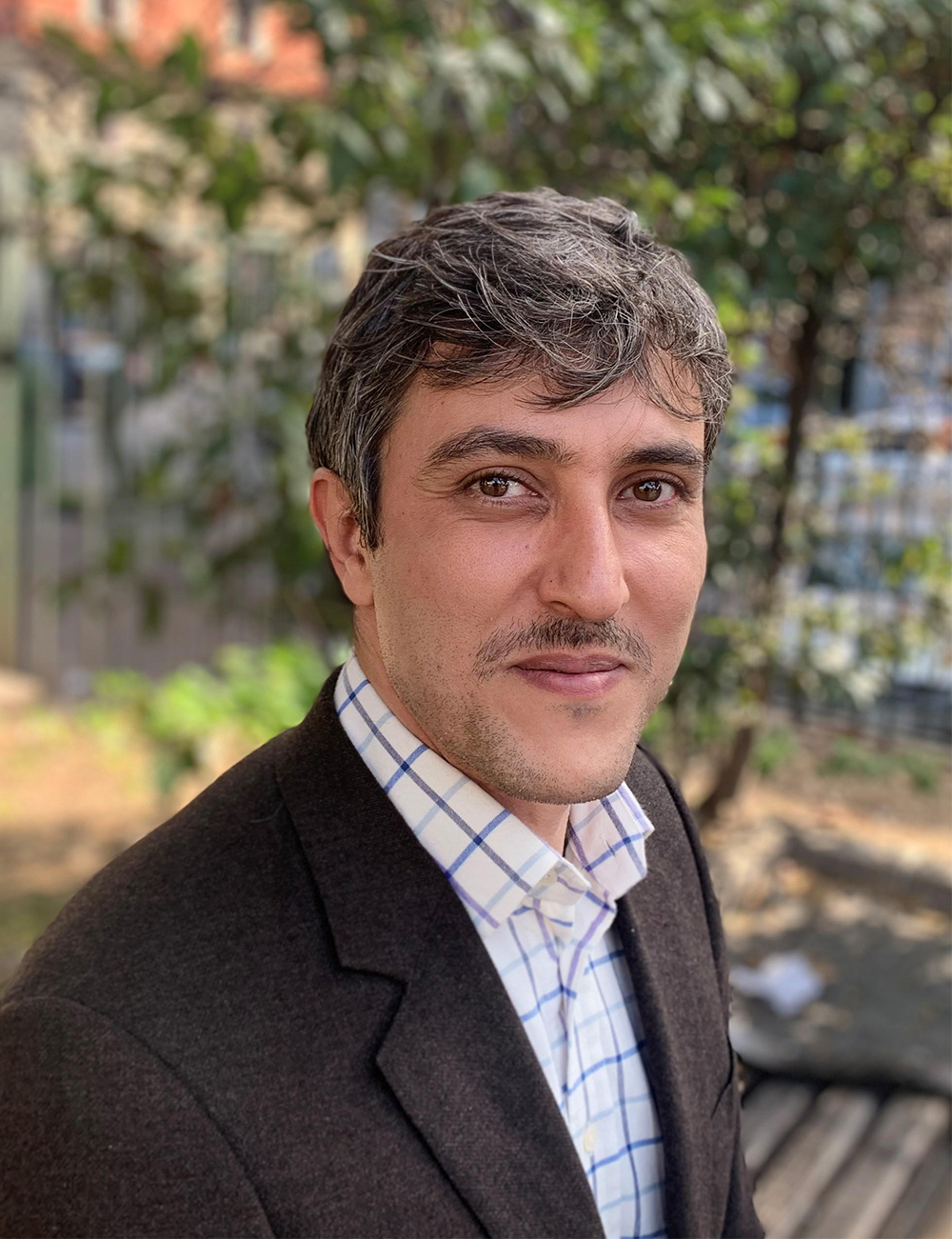

Kheder Khaddour, Armenak Tokmajyan
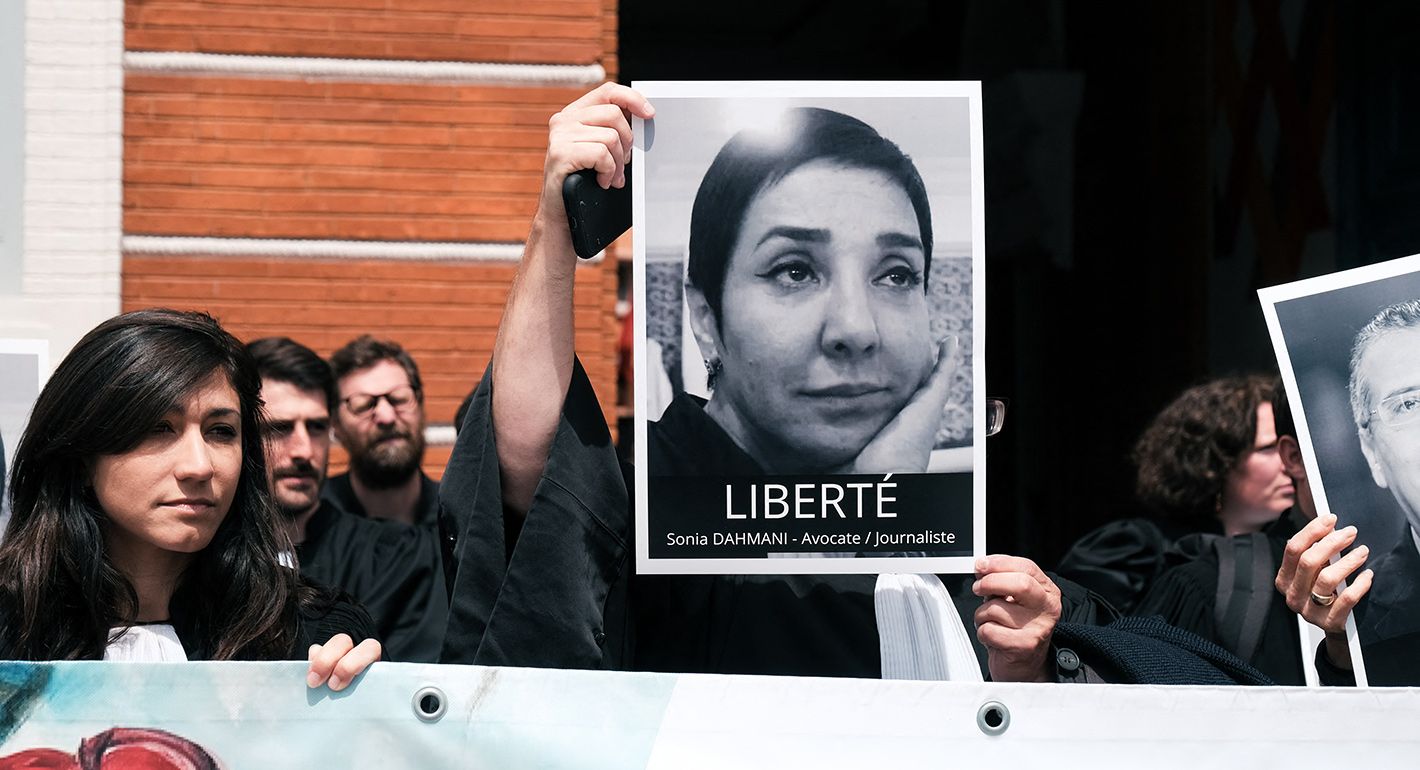
For many in the society, the post-Ben Ali years were mainly about successive economic crises and political instability.
Jasmine Khelil
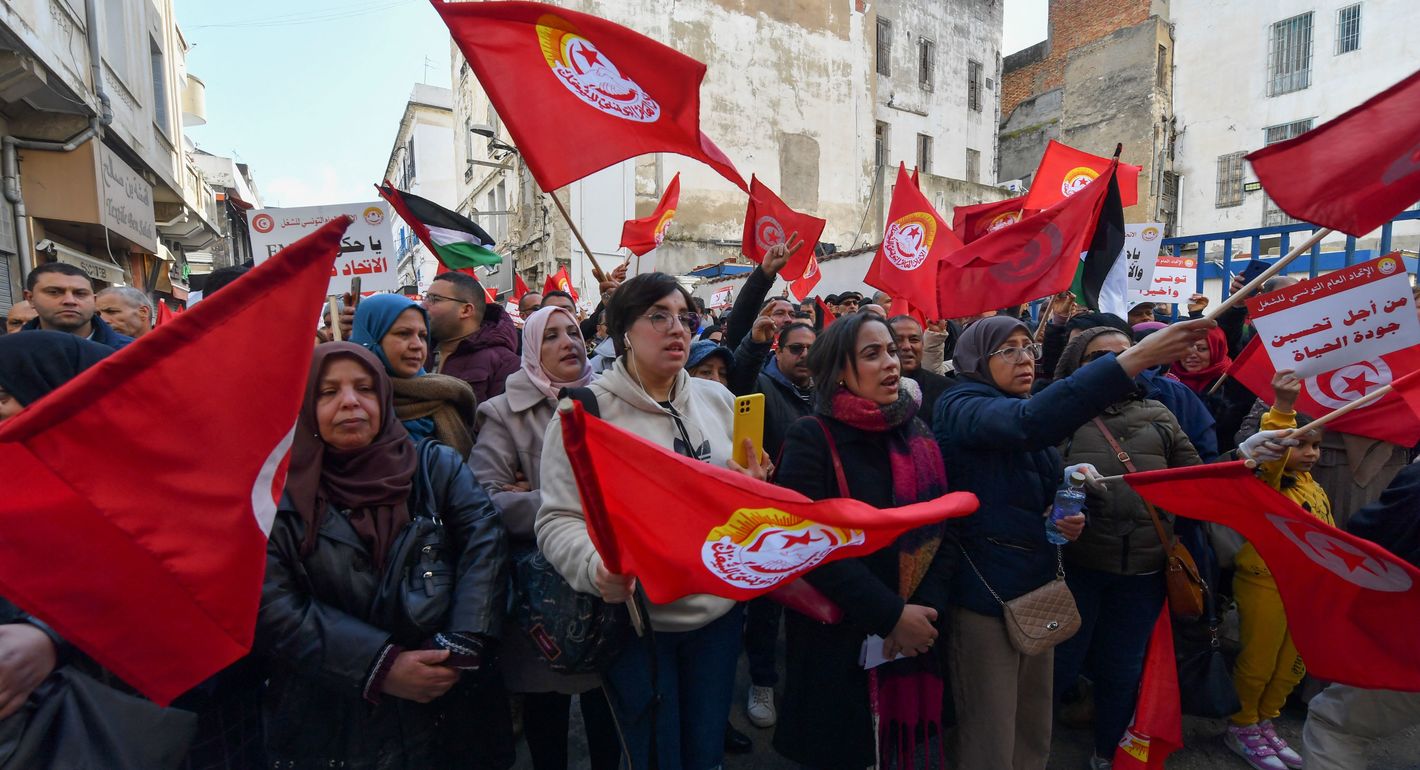
As members, organizers, and leaders, women continue to play an important role in the General Union of Tunisian Workers and advance its political advocacy.
Heba F El-Shazli