

Commentary
Mariano-Florentino (Tino) Cuéllar
{
  "authors": [
    "Mariano-Florentino (Tino) Cuéllar"
  ],
  "type": "legacyinthemedia",
  "centerAffiliationAll": "",
  "centers": [
    "Carnegie Endowment for International Peace"
  ],
  "collections": [],
  "englishNewsletterAll": "",
  "nonEnglishNewsletterAll": "",
  "primaryCenter": "Carnegie Endowment for International Peace",
  "programAffiliation": "",
  "programs": [],
  "projects": [],
  "regions": [
    "United States"
  ],
  "topics": [
    "Political Reform",
    "Foreign Policy"
  ]
}
REQUIRED IMAGE
What no one should ignore is that U.S. states have the power as well as the motivation to both challenge Washington and shape the global policy agenda.
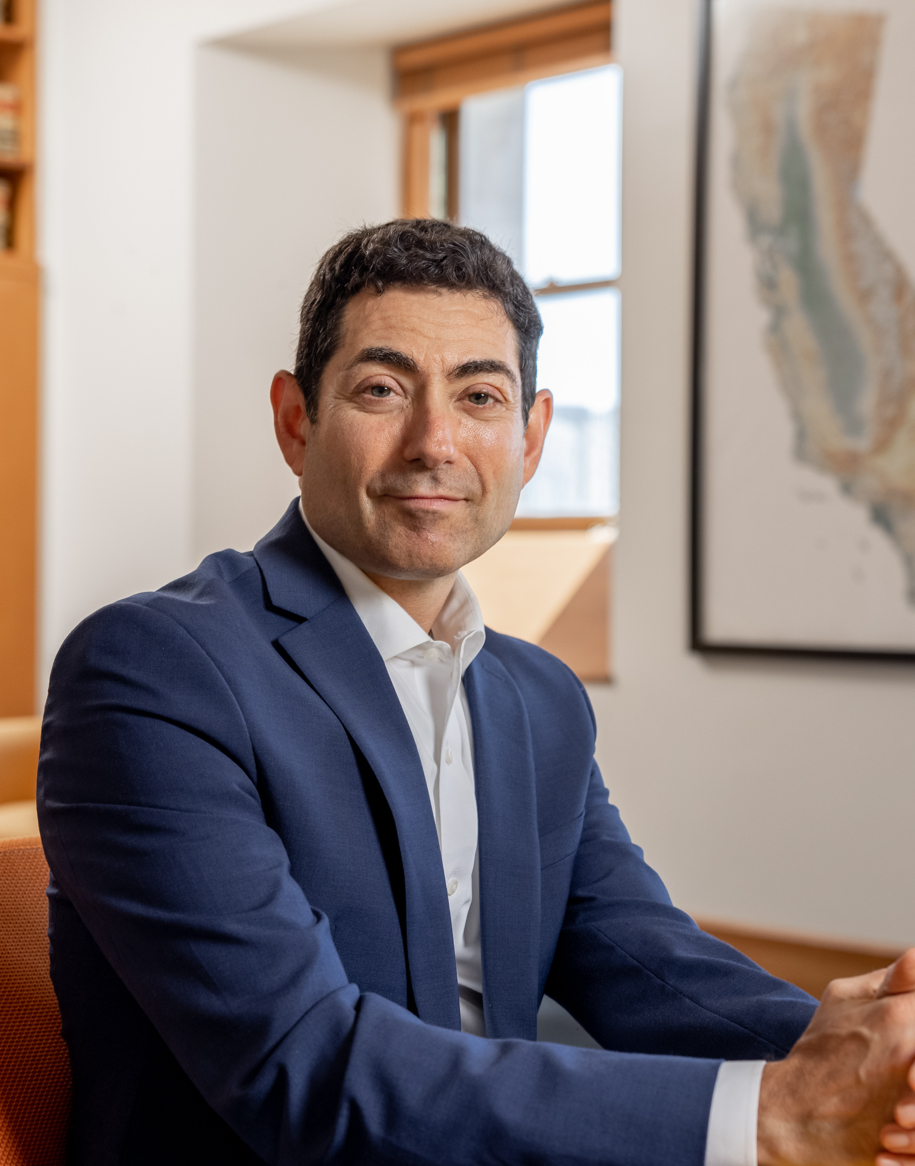
Former Carnegie President (2021-2026)
Mariano-Florentino (Tino) Cuéllar was previously the tenth president of the Carnegie Endowment for International Peace. A former justice of the Supreme Court of California, he has served three U.S. presidential administrations at the White House and in federal agencies, and was the Stanley Morrison Professor at Stanford University, where he held appointments in law, political science, and international affairs and led the university’s Freeman Spogli Institute for International Studies.
Recent Work
Mariano-Florentino (Tino) Cuéllar
Mariano-Florentino (Tino) Cuéllar, Corey Hinderstein, David Relman
Carnegie does not take institutional positions on public policy issues; the views represented herein are those of the author(s) and do not necessarily reflect the views of Carnegie, its staff, or its trustees.

In an interview, Rozina Ali discusses her new book on the rise and manifestations of Islamophobia in the United States.

Michael Young

In an interview, Ian Lustick and Eli Clifton discuss their new book on why a prominent ally has so much influence in America.
Michael Young

As the U.S. stumbles in its war with Iran, we are likely to see an acceleration of its disengagement from the region.
Michael Young

Middle Eastern states should welcome an accelerated U.S. disengagement from their region.
Michael Young

In an interview, former ambassador Charles Freeman assesses the Trump administration’s war against Iran.
Michael Young