

Commentary
Beyond the tragedy of the Armenians, many countries in the region and internationally have a stake in what happens in the territory.
Marc Pierini
test
Source: Washington, DC: Carnegie Endowment for International Peace, 1995
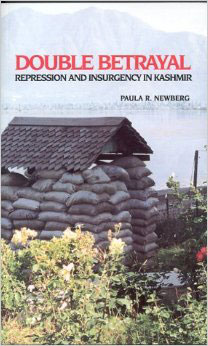
Since 1989, the crisis in Kashmir has become an emblem of post-Cold War conflict. Irredentism and insurgency, coupled with the ambitions of India and Pakistan, have created an atmosphere that threatens regional peace. In varying degrees and different ways, the rights of Kashmiris have been violated by all parties to these conflicts. The author examines the nature of rights abuses since the insurgency began; the ways that the politics of human rights have been manipulated by governments, military forces, and insurgents alike; and the polarizing effects of these policies.
Carnegie does not take institutional positions on public policy issues; the views represented herein are those of the author(s) and do not necessarily reflect the views of Carnegie, its staff, or its trustees.
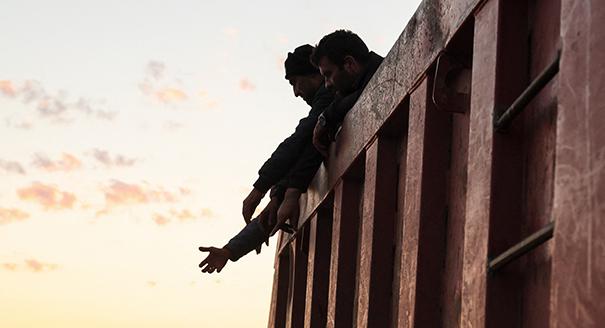
Beyond the tragedy of the Armenians, many countries in the region and internationally have a stake in what happens in the territory.

Marc Pierini
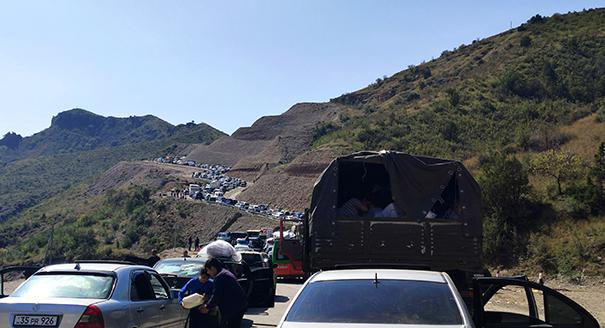
The situation in Nagorno-Karabakh has revived memories of exile and pain in the diaspora community of Lebanon.
Araz Bedross

The Azerbaijani assault in Nagorno-Karabakh in many ways reflects a ruthless strategy that was previously employed in Syria.

Armenak Tokmajyan
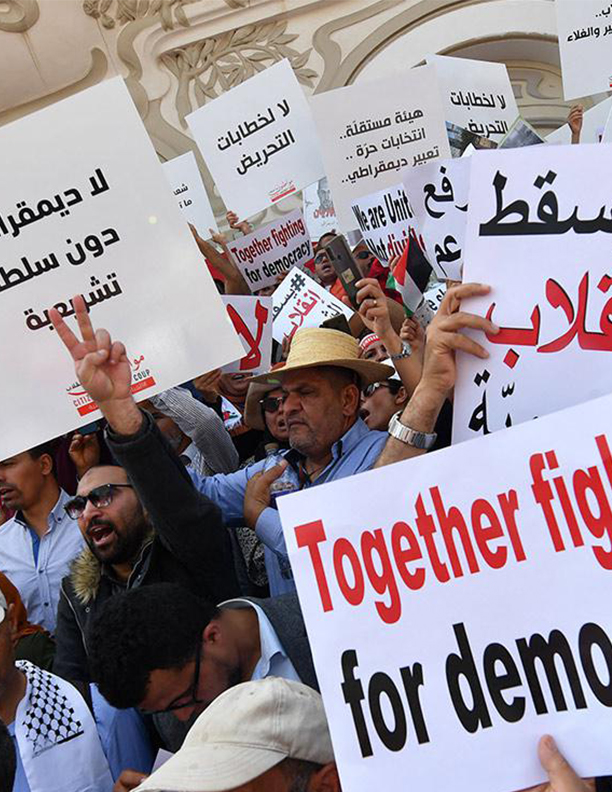
One year ago, Tunisian President Kais Saied’s self-coup put the country’s democratic transition in jeopardy. Carnegie experts examine the key aspects of Tunisia’s stalled transition through a comparative lens, both with other countries’ transitions and Tunisia’s own sectoral changes over time.



Sarah Yerkes, Jennifer McCoy, Paul Stronski, …
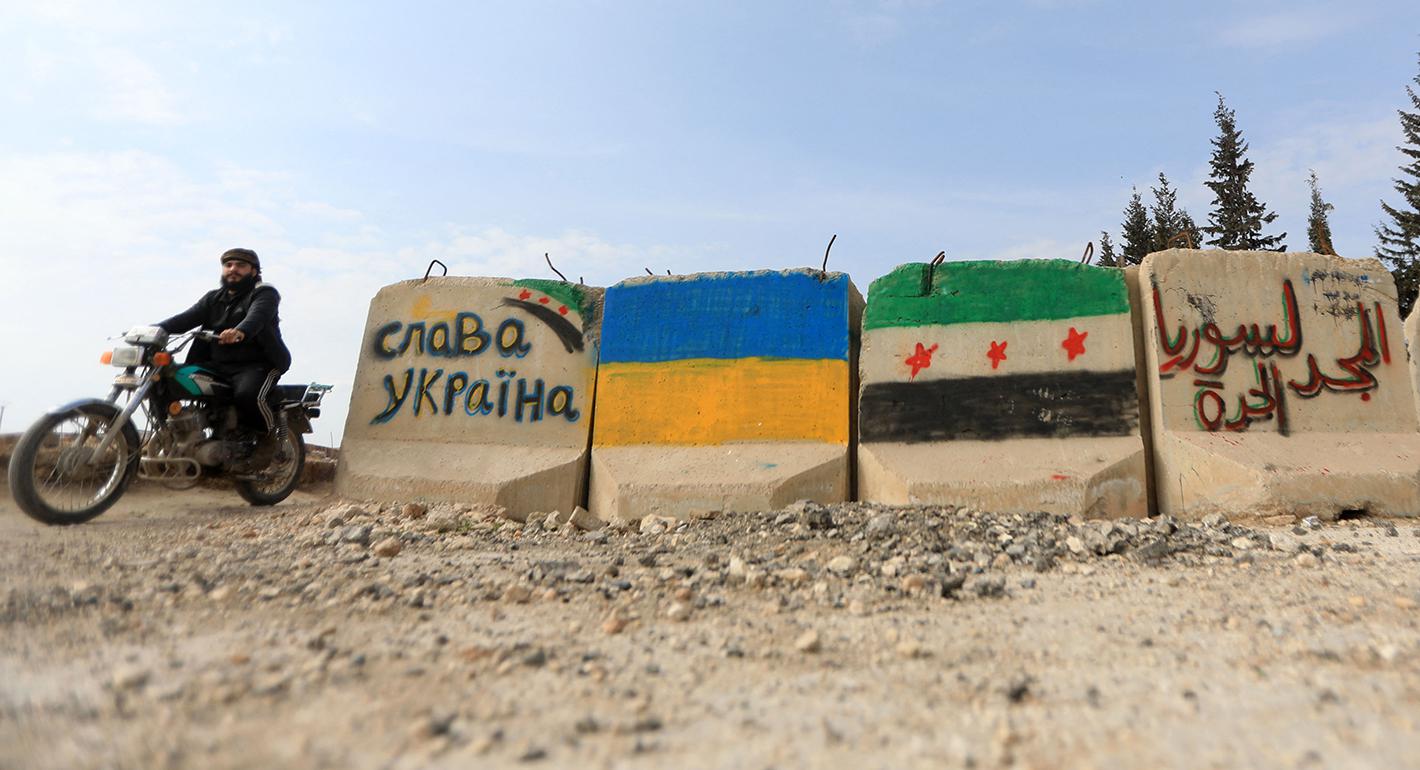
Some of Russia’s war tactics in Ukraine mirror the strategies Moscow has employed in Syria. The international community should apply the lessons learned then to limit devastation and casualties now.

Emma Beals