

Commentary
In an interview, Sergei Melkonian discusses Armenia’s and Azerbaijan’s careful balancing act among the United States, Israel, and Iran.
Armenak Tokmajyan

This book features chapters written by pairs of leading Russian and American scholars, and provides an overall assessment of what has been accomplished and what has failed since the collapse of the Soviet Union.
Source: Washington

Michael McFaul and Nikolai Petrov analyze the Russian elections since 1989 and assess voting behavior. Lilia Shevtsova and Martha Brill Olcott address the question of whether Russia has become a stable pluralist society. Valery Tishkov and Martha Brill Olcott focus on the nature of the Russian nation as well as regional relations. Russia has become a market economy, but what kind of capitalism is being formed? Anders Åslund and Mikhail Dmitriev examine the continuing challenge of economic reform. Sherman Garnett and Dmitri Trenin analyze Russia's relations with its nearest neighbor.
Former Senior Associate, Director, Russian and Eurasian Program
Former Senior Associate, Russia and Eurasia Program and, Co-director, al-Farabi Carnegie Program on Central Asia
Olcott is professor emerita at Colgate University, having taught political science there from 1974 to 2002. Prior to her work at the endowment, Olcott served as a special consultant to former secretary of state Lawrence Eagleburger.
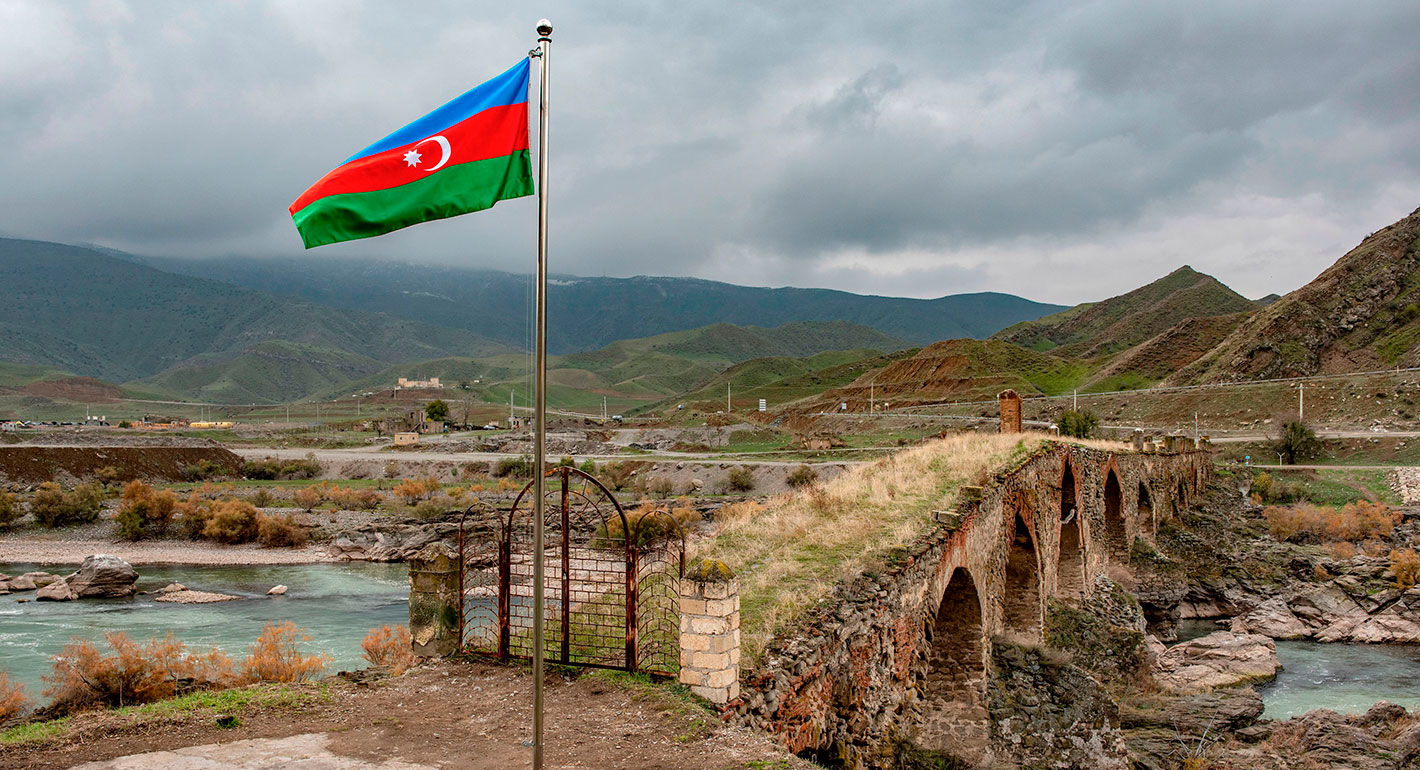
In an interview, Sergei Melkonian discusses Armenia’s and Azerbaijan’s careful balancing act among the United States, Israel, and Iran.

Armenak Tokmajyan

The country’s leadership is increasingly uneasy about multiple challenges from the Levant to the South Caucasus.
Armenak Tokmajyan
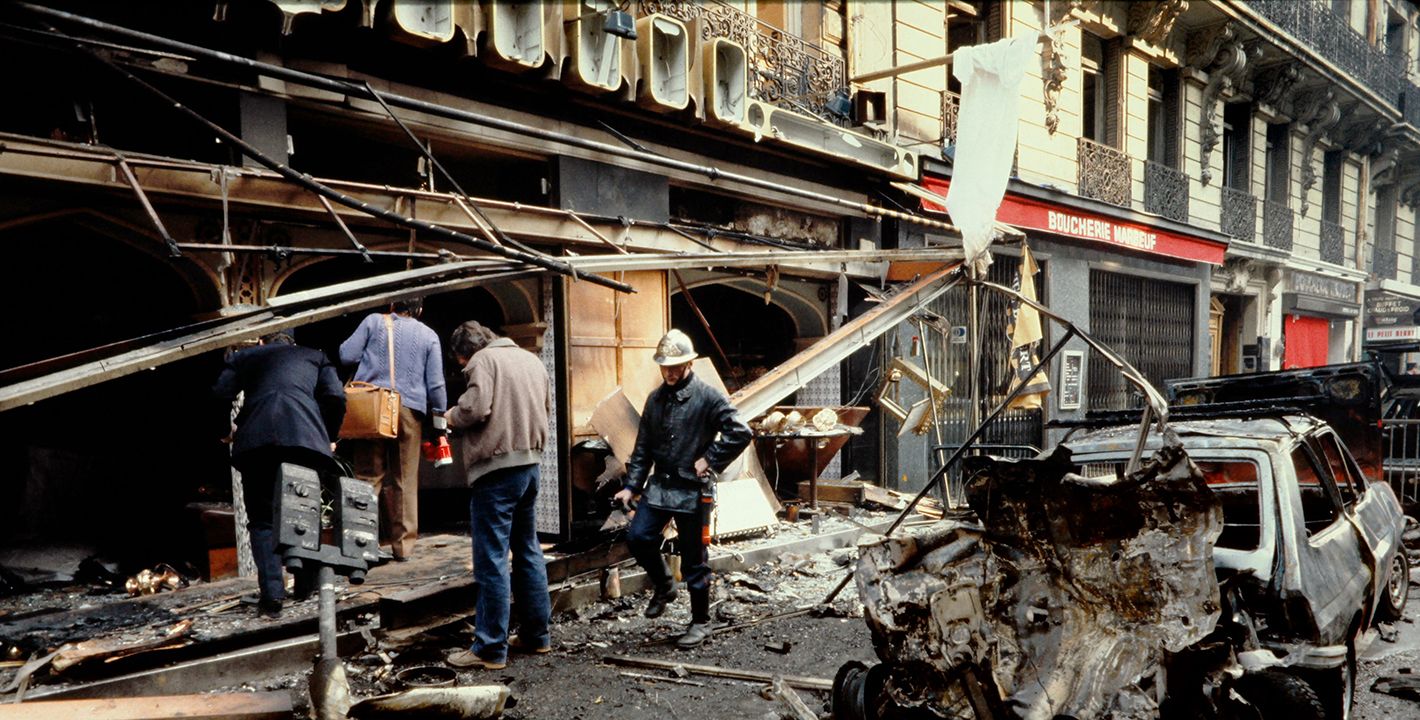
In an interview, Daniela Richterova speaks about her book on Czechoslovakia’s Cold War ties to Palestinian groups and others.

Michael Young
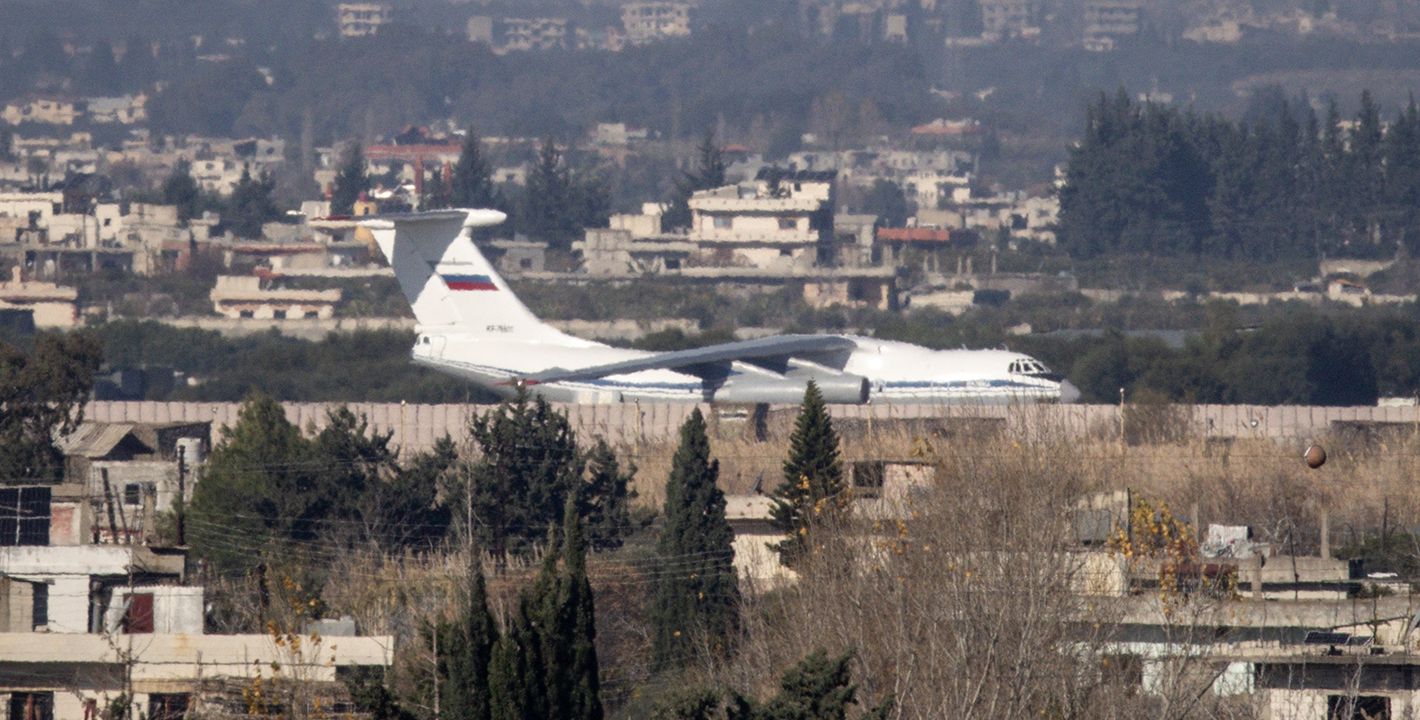
The downfall of the Assad regime represented a setback, but Russia’s primary focus remains Ukraine.
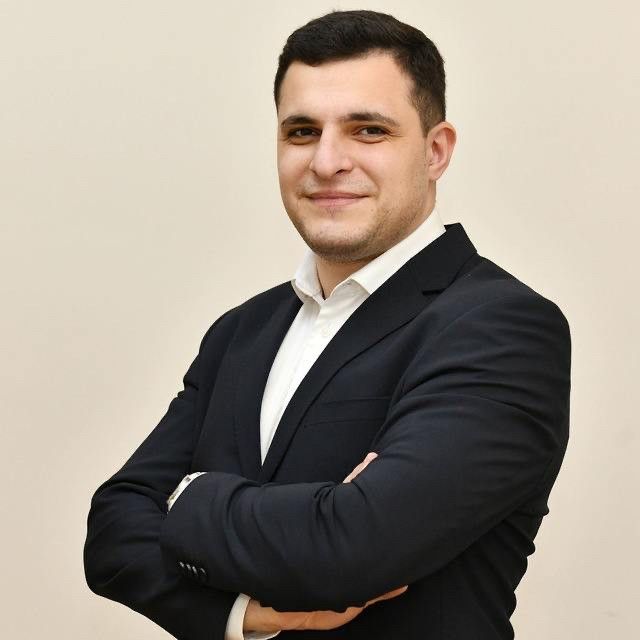
Sergei Melkonian
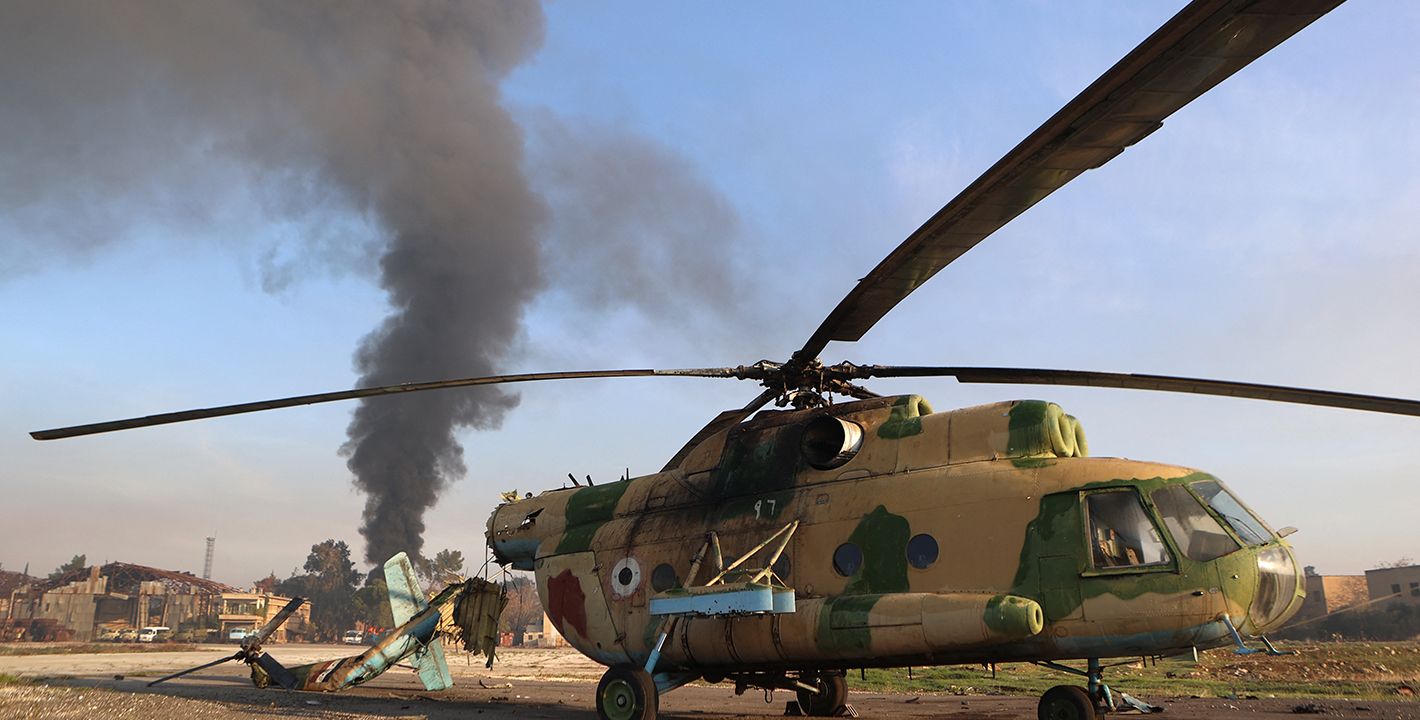
Why did Bashar al-Assad’s armed forces fail to act, unlike those in Egypt, Libya, Algeria, and Sudan?

Yezid Sayigh