

Article
Morocco and Algeria, each in its own way, are having to navigate the global economic fallout of the U.S.-Israeli military campaign against Iran.
Yasmine Zarhloule

Source: Washington, DC: Carnegie Endowment for International Peace, 2000
A report based on the Bangkok meeting of the Carnegie Economic Reform NetworkThe Politics of the Economic Crisis in Asia: Consensus and Controversies offers an assessment of the political economy factors that contributed to the Asian financial crisis and that will shape its recovery. It reports the findings of the Carnegie Economic Reform Network meeting in Bangkok in June 1999, which included former financial Ministers, high ranking regional officials and academics, and staff of the Carnegie Endowment for International Peace.
This publication was prepared by Lesley O'Connell under the direction of Nancy Birdsall. The Background paper on which it is based was prepared by Stephan Haggard, with input before the meeting and revision after by Daniel Morrow, Nancy Birdsall, and David Lipton. 62 pp.

Morocco and Algeria, each in its own way, are having to navigate the global economic fallout of the U.S.-Israeli military campaign against Iran.

Yasmine Zarhloule

China has aligned its cooperation model with Saudi Arabia’s own priorities, most notably since the kingdom unveiled its Vision 2030. Although China announced the Belt and Road Initiative in 2013, the big push in relations happened only after the ascendance of King Salman to the throne in 2015 and Riyadh’s push for Beijing to meet Saudi needs.

Hesham Alghannam

The Gulf Cooperation Council has shifted its energy export focus to Asia, particularly India and China. This is part of a broader shift as GCC members look to expand their geopolitical alliances away from the West.

Alexandre Kateb
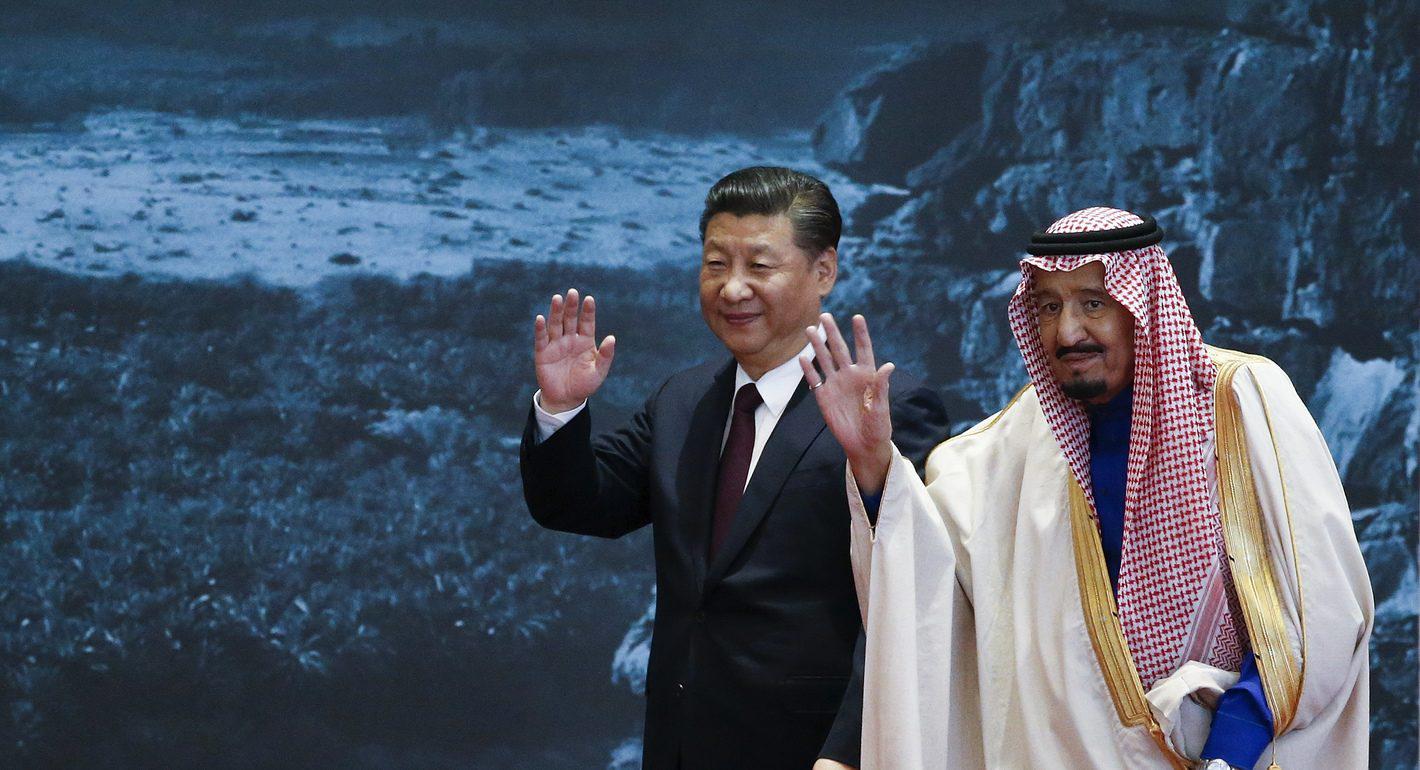
The advantage that China has over other global powers, especially America, is that its foreign policy is closely aligned with those of many of the Middle Eastern countries.


Jin Liangxiang, Maha Yahya, Hesham Alghannam
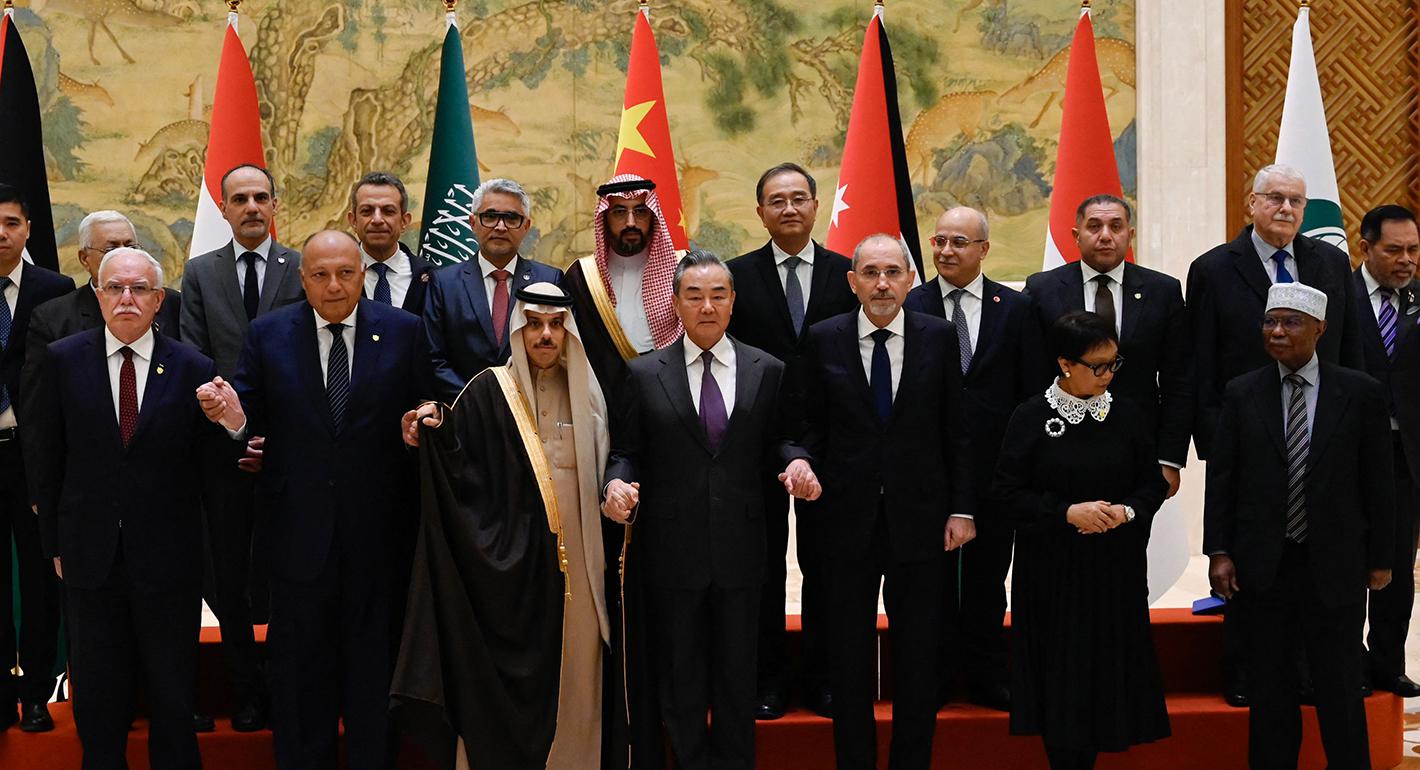
To create an environment more conducive to cooperation and development, U.S. and Chinese efforts should seek the endorsement of neighboring countries and regional organizations. Otherwise, regional and geopolitical rivalries will remain barriers.
Abdullah Baabood