

Paper
Mei Ying Gechlik (Veron Hung)

REQUIRED IMAGE
China's accession to the World Trade Organization thrusts formidable challenges on Chinese leadership to honor promises relating to the country's rule of law developments. The United States and the international community should seize this unprecedented opportunity by directing more resources toward such reform efforts.
Source: Carnegie Paper No. 32
Summary
China's accession to the World Trade Organization thrusts formidable challenges on Chinese leadership to honor promises relating to the country's rule of law developments. The United States and the international community should seize this unprecedented opportunity by directing more resources toward such reform efforts.
Realistic goals include assisting China in restructuring the court system to be more independent of local governments and the CCP; advising on fiscal reform; exploring the possibility of a circuit appeal court or separate administrative court system; and assisting in drafting and, later, enforcing laws that would limit the power of CCP organs. These small steps could produce larger scale reform in China.
Click on link above for full text of this Carnegie Paper.
About the Author
Veron Mei-Ying Hung is an associate in Carnegie's China Program. An expert in Chinese law, she has in-depth experience in administrative litigation and judicial reform in China, constitutional development in Hong Kong, human rights, and trade.
A limited number of print copies are available of this report.
Request a copy.

Former Non-Resident Associate
Recent Work
Mei Ying Gechlik (Veron Hung)
Mei Ying Gechlik (Veron Hung)
Carnegie does not take institutional positions on public policy issues; the views represented herein are those of the author(s) and do not necessarily reflect the views of Carnegie, its staff, or its trustees.

Huawei pushed hard to enter the Egyptian data centers market, until the Americans made a better offer.

Angie Omar

The armed forces champion a form of capitalism that is generating revenue, but its reliance on rent faces diminishing returns, leaving the country with massive sunk costs and deferred returns, deepening dependency on external borrowing.

Yezid Sayigh

Morocco and Algeria, each in its own way, are having to navigate the global economic fallout of the U.S.-Israeli military campaign against Iran.

Yasmine Zarhloule
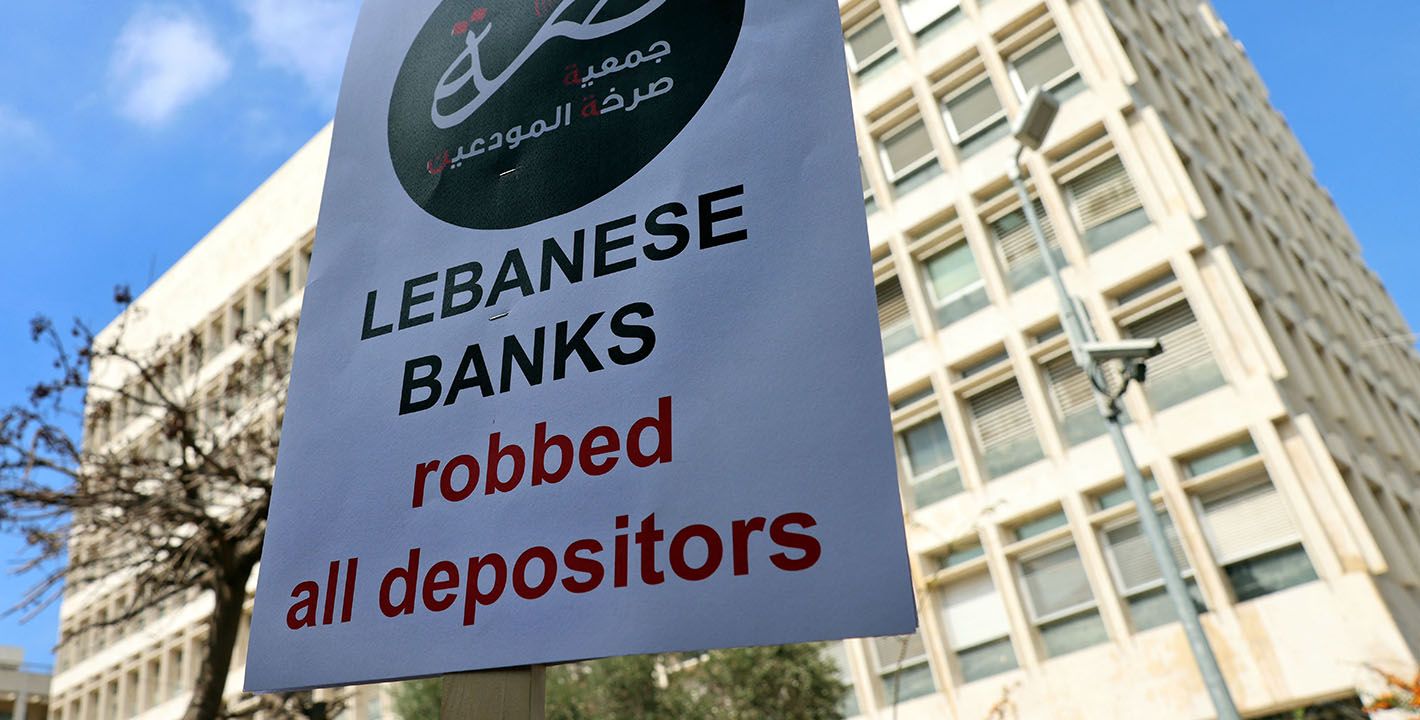
In an interview, Ishac Diwan looks at the merits and flaws in the draft legislation distributing losses from the financial collapse.

Michael Young
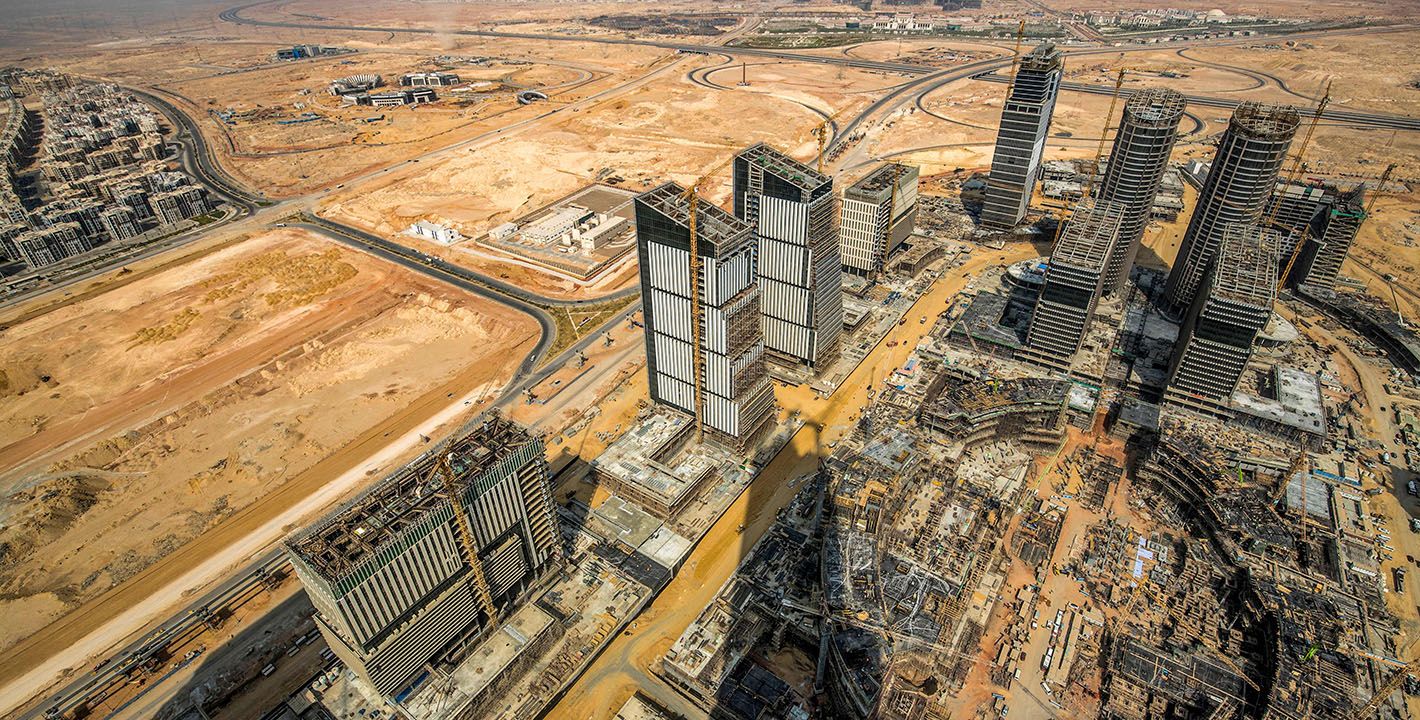
Mustaqbal Misr has expanded its portfolio with remarkable speed, but a lack of transparency remains.
Yezid Sayigh