

Commentary
In an interview, Rozina Ali discusses her new book on the rise and manifestations of Islamophobia in the United States.
Michael Young
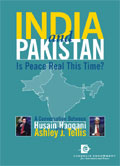
Will the latest diplomatic engagement between India and Pakistan lead to lasting peace, or simply be another in a long string of disappointments?

In the following discussion, Haqqani and Tellis highlight key issues they raised in their respective visits. Both were particularly interested in assessing whether this latest diplomatic engagement would lead to lasting peace, or simply be another in a long string of disappointments.
Click on the link above for full text of this report.
About the Authors
Husain Haqqani is a visiting scholar at the Carnegie Endowment. He is also a leading journalist and diplomat, and a former adviser to Pakistani prime ministers, as well as a syndicated columnist for the Indian Express, Gulf News, and The Nation (Pakistan). He is the author of Pakistan: Between Mosque and Military (Carnegie Endowment for International Peace, 2005).
Ashley J. Tellis is a senior associate at the Carnegie Endowment for International Peace in Washington, D.C. Previously, he served as senior adviser to the ambassador at the embassy of the United States in India. He also served on the National Security Council staff as special assistant to the president and senior director for strategic planning and Southwest Asia. Before his government service, he was for eight years a senior policy analyst at RAND and professor of policy analysis at the RAND graduate school. He is the author of India’s Emerging Nuclear Posture and co-author of Interpreting China’s Grand Strategy. He has co-edited Strategic Asia 2004-05: Confronting Terrorism in the Pursuit of Power and Strategic Asia 2005-06: Military Modernization in an Era of Uncertainty.
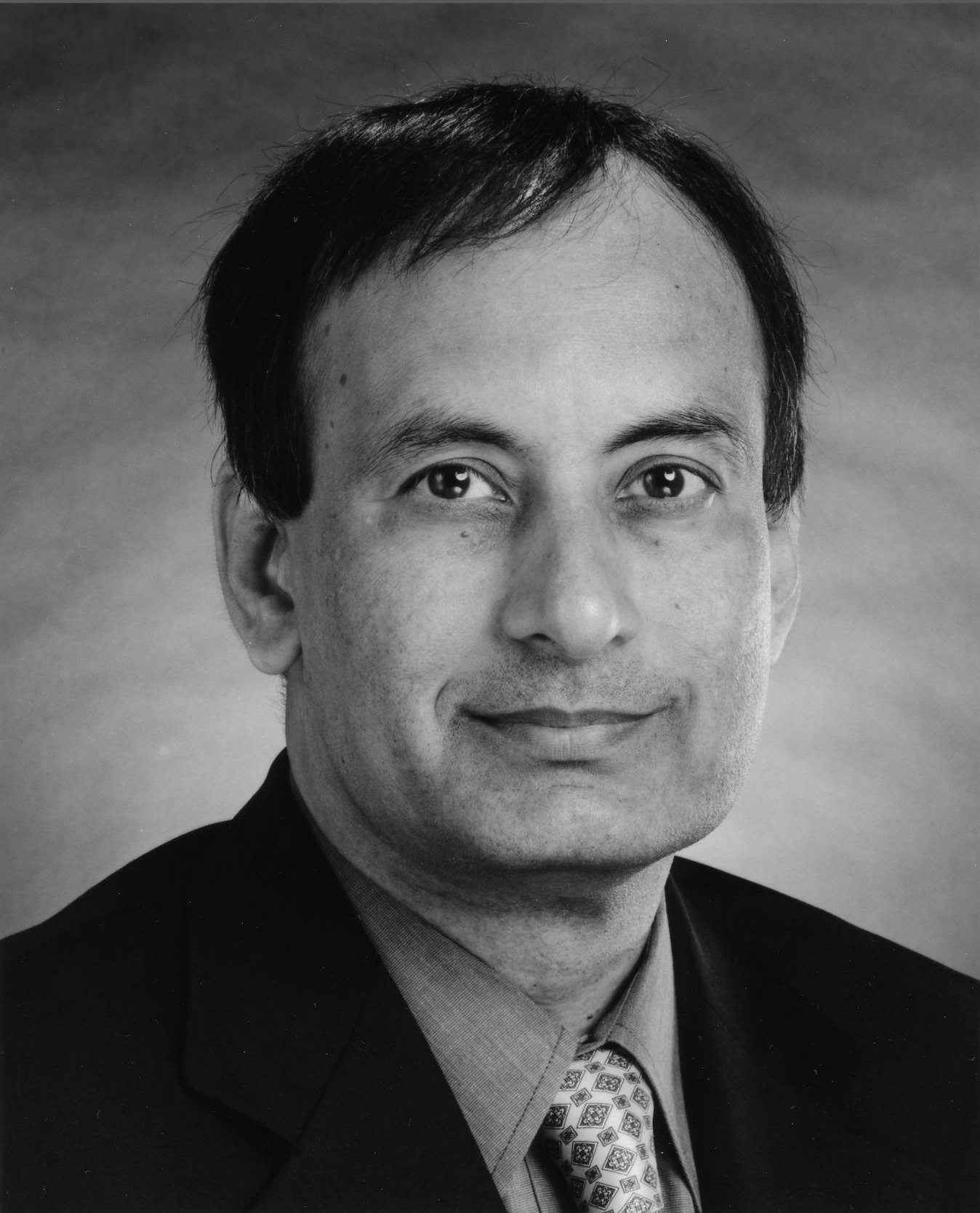
Former Visiting Scholar
Former Senior Fellow
Ashley J. Tellis was a senior fellow at the Carnegie Endowment for International Peace.
Carnegie does not take institutional positions on public policy issues; the views represented herein are those of the author(s) and do not necessarily reflect the views of Carnegie, its staff, or its trustees.

In an interview, Rozina Ali discusses her new book on the rise and manifestations of Islamophobia in the United States.

Michael Young

In an interview, Ian Lustick and Eli Clifton discuss their new book on why a prominent ally has so much influence in America.
Michael Young

As the U.S. stumbles in its war with Iran, we are likely to see an acceleration of its disengagement from the region.
Michael Young

Middle Eastern states should welcome an accelerated U.S. disengagement from their region.
Michael Young

In an interview, former ambassador Charles Freeman assesses the Trump administration’s war against Iran.
Michael Young