

Article
Marina Ottaway, Omar Hossino

REQUIRED IMAGE
Source: Carnegie Endowment
Summary
This short paper launches the second set of studies in the Carnegie Papers Middle East Series. The first set, now also published as a book under the title Uncharted Journey: Promoting Democracy in the Middle East, examined the most important issues concerning democracy promotion and democratic change in the Middle East.
One of the conclusions that emerged from those studies is that the Middle East still offers a rather discouraging political picture. There are some liberalized autocracies but no democratic countries in the region. The link between economic and political reform remains weak. Democratic reformers have failed to build strong constituencies, and the organizations with strong constituencies are Islamist rather than democratic.
The integration of Islamists in the reform process remains poor. And the United States, now championing democracy in the region, has little credibility in Arab eyes, and still has not consistently integrated democracy promotion in its policy toward the area. Yet, despite all these problems, it is becoming increasingly clear that there is a ferment of reform in the Middle East. But how signficant is it? The second set of papers will try to answer that question through case studies of individual countries.
Click on link above for the full text of this Carnegie Paper.
About the Author
Marina Ottaway is senior associate in the Democracy and Rule of Law Project at the Carnegie Endowment. She is the coeditor of Uncharted Journey: Promoting Democracy in the Middle East, and author of nine books, including Democracy Challenged: The Rise of Semi-Authoritarianism.
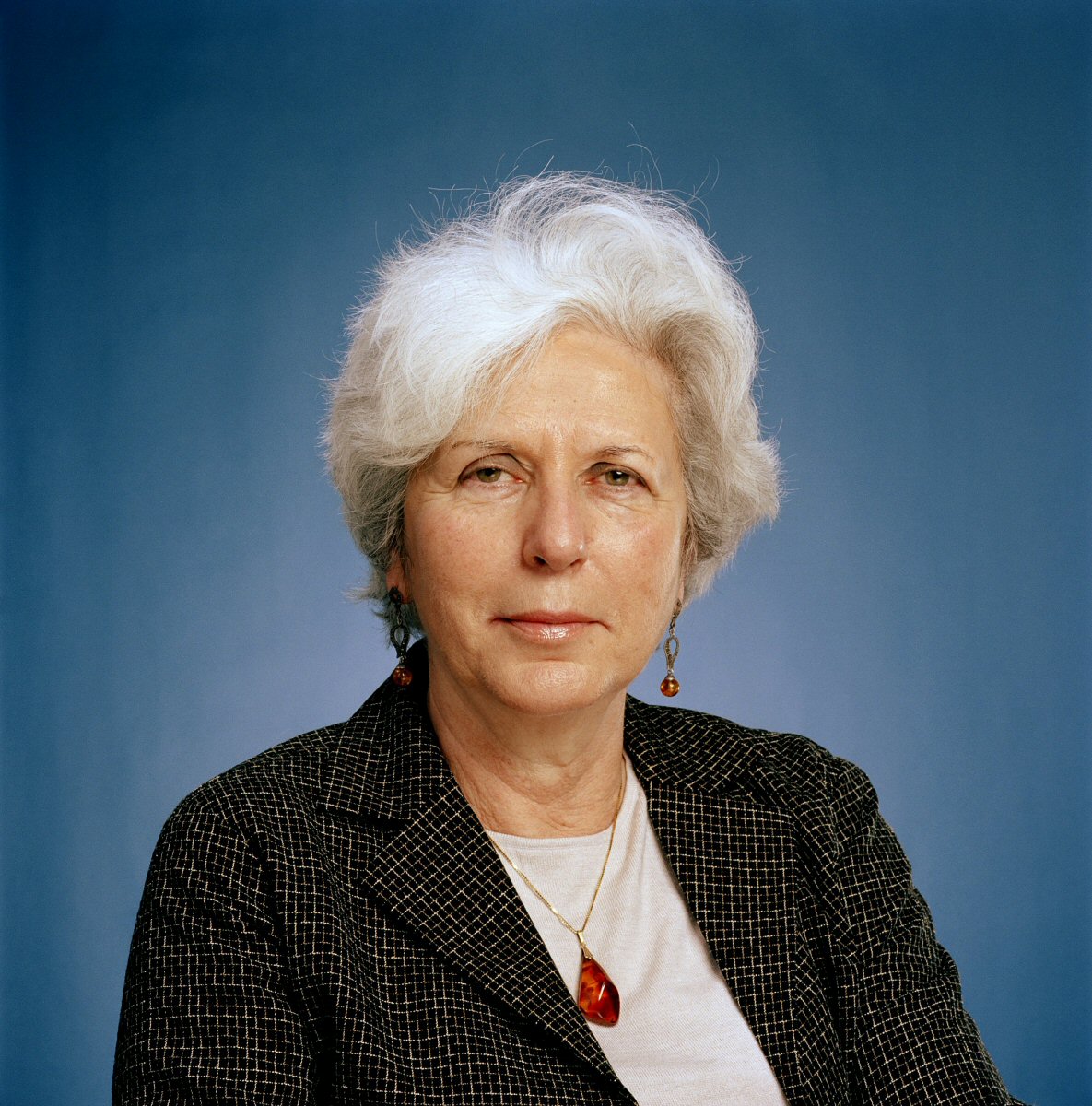
Former Senior Associate, Middle East Program
Before joining the Endowment, Ottaway carried out research in Africa and in the Middle East for many years and taught at the University of Addis Ababa, the University of Zambia, the American University in Cairo, and the University of the Witwatersrand in South Africa.
Recent Work
Marina Ottaway, Omar Hossino
Marina Ottaway
Carnegie does not take institutional positions on public policy issues; the views represented herein are those of the author(s) and do not necessarily reflect the views of Carnegie, its staff, or its trustees.
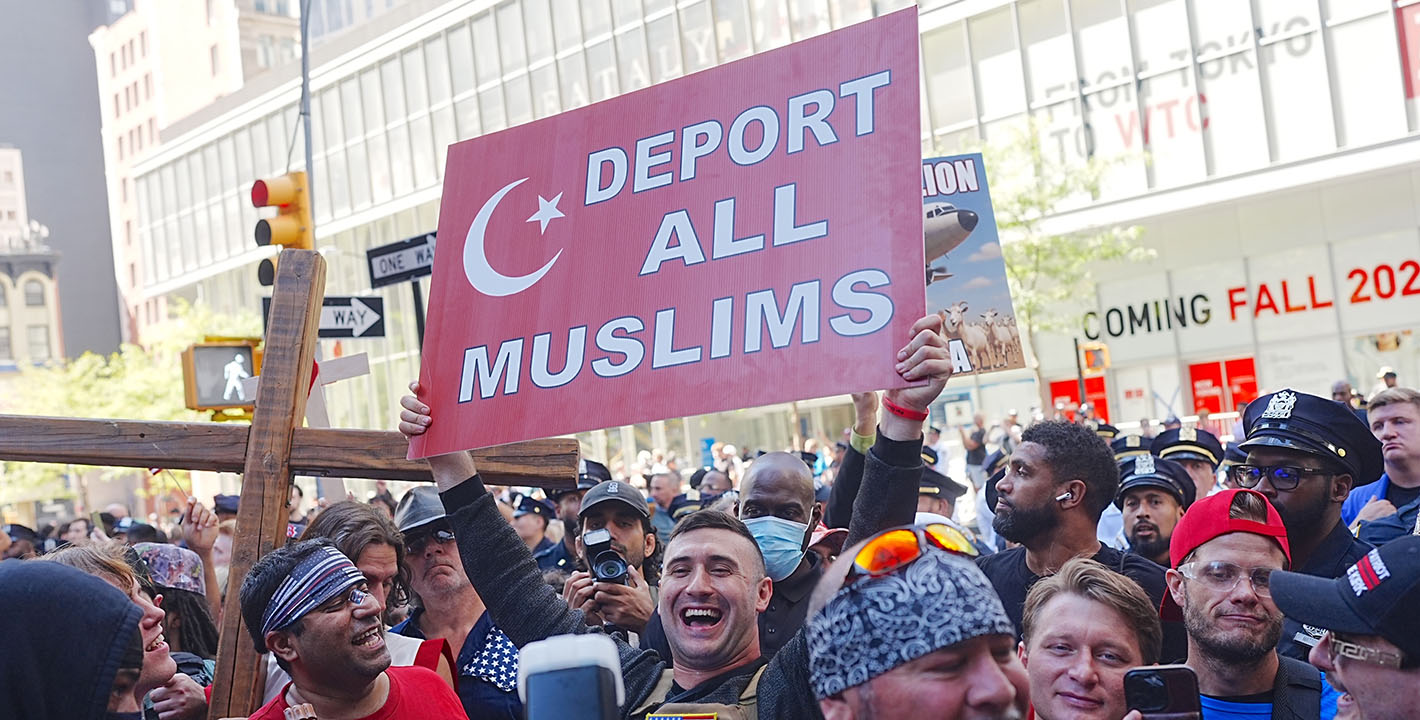
In an interview, Rozina Ali discusses her new book on the rise and manifestations of Islamophobia in the United States.

Michael Young
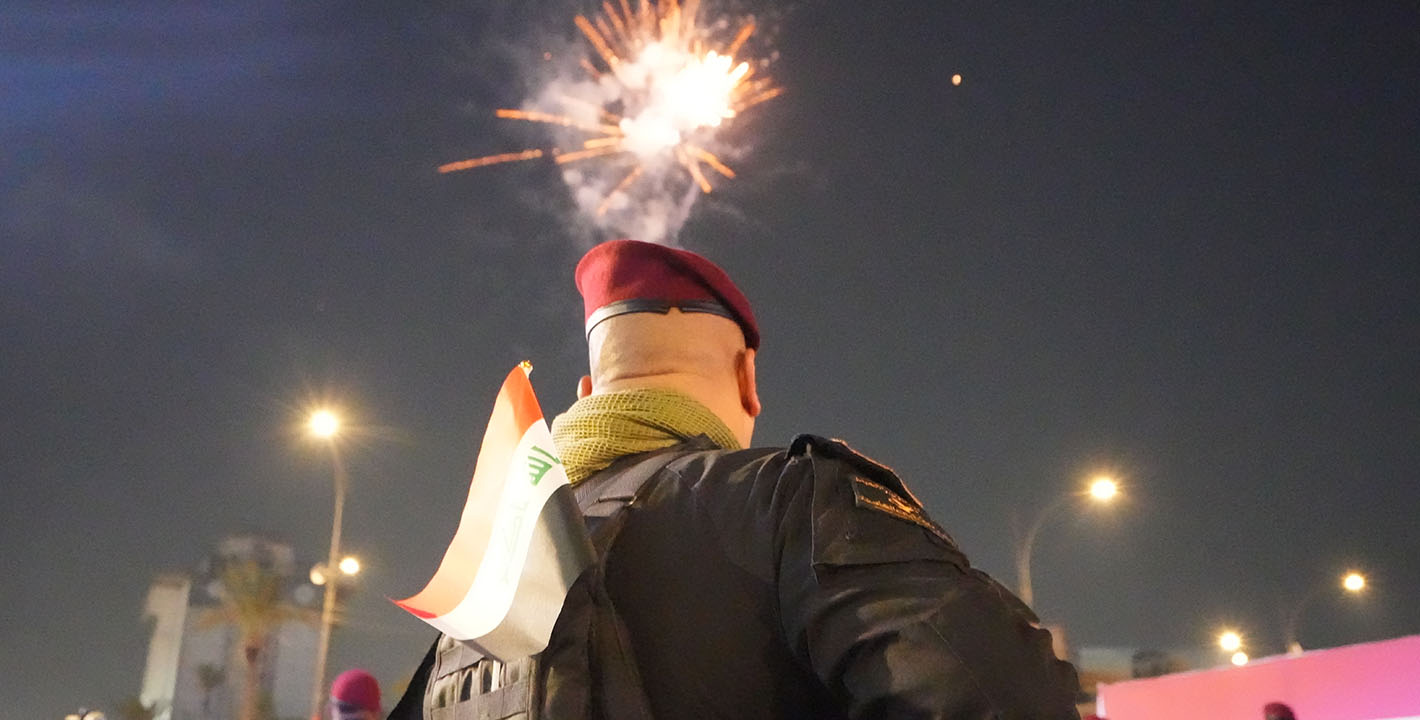
As the U.S.-led Coalition withdraws, the Kurds’ reliance on Baghdad, and on themselves, will only increase.
Wladimir van Wilgenburg

In an interview, Ian Lustick and Eli Clifton discuss their new book on why a prominent ally has so much influence in America.
Michael Young

As the U.S. stumbles in its war with Iran, we are likely to see an acceleration of its disengagement from the region.
Michael Young

The Zaidi government’s objective to collect weapons is constrained by regional conflict, but it can take certain measures at home.
Ali Al-Mawlawi