

Commentary
Nathan J. Brown

REQUIRED IMAGE
Criticism of the PA’s growing authoritarianism gave birth to a “paper Palestine,” in which citizens have rights of free speech and assembly; independent judiciary adjudicates disputes; leaders are selected in elections overseen by an independent electoral commission; and a representative assembly monitors the executive. Yet the institutions that would ensure democracy are missing or lagging.
Summary
Criticism of the PA’s growing authoritarianism gave birth to what Brown calls “paper Palestine,” in which citizens have rights of free speech and assembly; the Arab world’s most independent judiciary adjudicates disputes; leaders are selected in elections overseen by an independent electoral commission; and a representative assembly monitors the executive. Yet the institutions that would ensure democracy are either missing or lagging.
About the Author
Nathan J. Brown is a senior associate in the Democracy and Rule of Law Project at the Carnegie Endowment while on leave from his position as professor of political science and international affairs at George Washington University. Brown’s research interests include Egyptian and Palestinian politics, legal reform in the modern Middle East, as well as democratization. He is author of four books, including his most recent, Palestinian Politics after the Oslo Accords: Resuming Arab Palestine (University of California Press, 2003), which presents research on Palestinian society and governance after the establishment of the Palestinian Authority.
A limited number of print copies are available.
Request a copy

Nonresident Senior Fellow, Middle East Program
Nathan J. Brown, a professor of political science and international affairs at George Washington University, is a distinguished scholar and author of nine books on Arab politics and governance, as well as editor of five books.
Recent Work
Nathan J. Brown
Nathan J. Brown
Carnegie does not take institutional positions on public policy issues; the views represented herein are those of the author(s) and do not necessarily reflect the views of Carnegie, its staff, or its trustees.

By failing to address Palestinian representation, the current process is bound to lead to just another temporary arrangement.
Nathan J. Brown

Policy discussion is ignoring that the Palestinian national project is hollowed out and apartheid is a present danger.
Nathan J. Brown
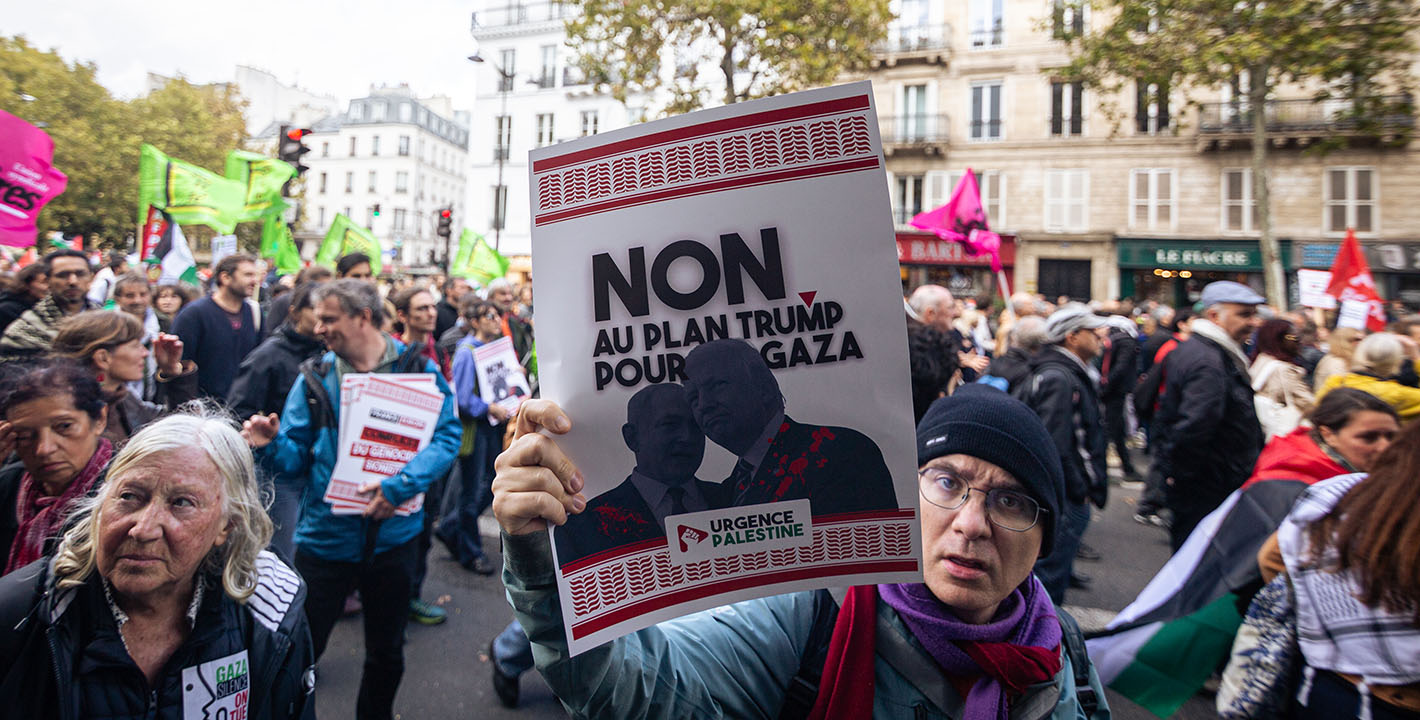
The simple conclusion is that the scheme will bring neither peace nor prosperity, but will institutionalize devastation.
Nathan J. Brown
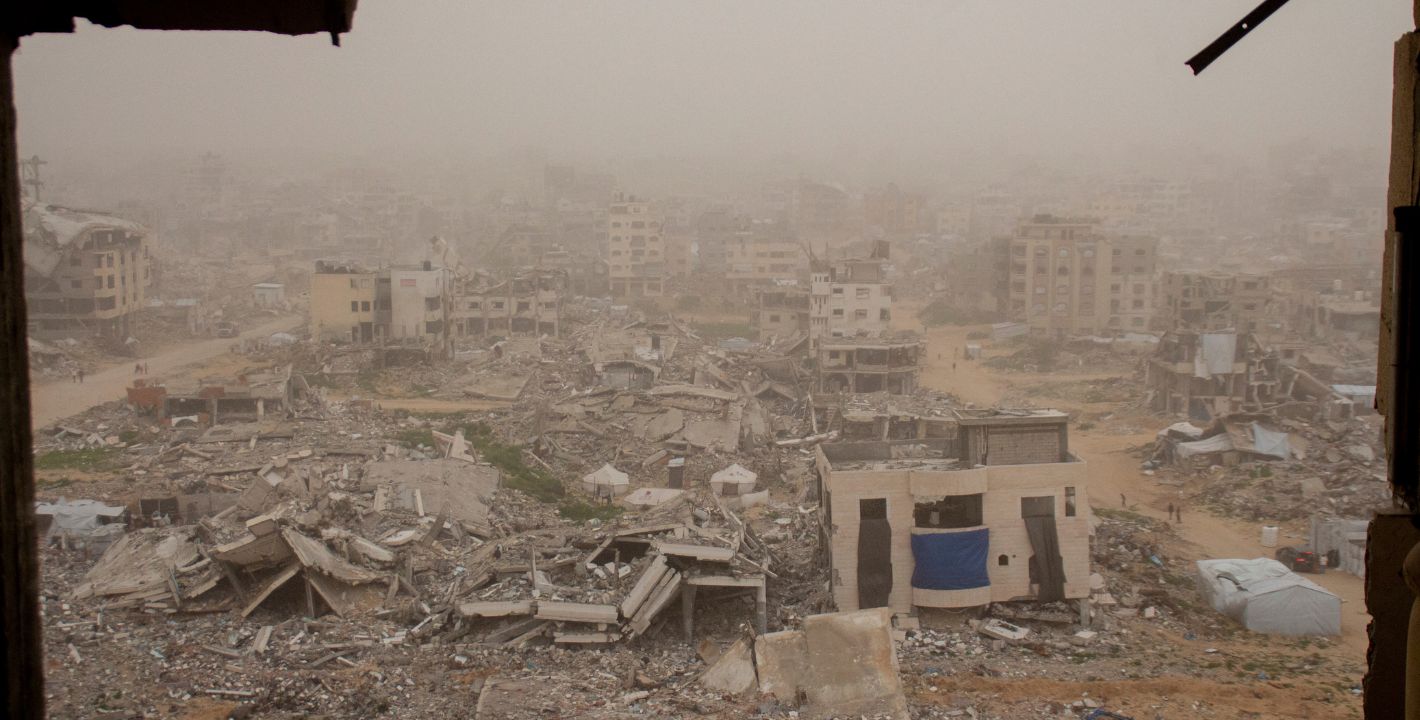
The conflict did not reshape Arab foreign policy; on the contrary it exposed its limits.

Angie Omar

Implementing Phase 2 of Trump’s plan for the territory only makes sense if all in Phase 1 is implemented.

Yezid Sayigh