

Report
- +2
George Perkovich, Jessica Tuchman Mathews, Joseph Cirincione, …

REQUIRED IMAGE
Despite reports that North Korea may be preparing to conduct a nuclear test and may soon have access to another four weapons worth of plutonium, North Korea’s nuclear capabilities and intentions remain unclear. The known facts, however, are disturbing enough to confirm that current efforts to stop North Korea’s nuclear program have failed.
Earlier this year, on February 10, North Korea declared definitively that it had nuclear weapons. While not supported by new evidence, the Foreign Ministry statement enhanced the perception that North Korea is a nuclear weapon state. While responsible leaders have to assume North Korea has enough nuclear material to make a weapon, there is no clear evidence that it has produced such weapons or can deliver them reliably. (Read More)
Despite reports that North Korea may be preparing to conduct a nuclear test and may soon have access to another four weapons worth of plutonium, North Korea’s nuclear capabilities and intentions remain unclear. The known facts, however, are disturbing enough to confirm that current efforts to stop North Korea’s nuclear program have failed.
Earlier this year, on February 10, North Korea declared definitively that it had nuclear weapons. While not supported by new evidence, the Foreign Ministry statement enhanced the perception that North Korea is a nuclear weapon state. While responsible leaders have to assume North Korea has enough nuclear material to make a weapon, there is no clear evidence that it has produced such weapons or can deliver them reliably.
Since then, two additional events have added to the perception that North Korea’s nuclear capabilities are increasing. In early April, North Korea reportedly shut down its 25 megawatt plutonium production reactor, a necessary first step to recovering the plutonium contained in the reactor’s spent nuclear fuel. That fuel could contain between 12-19 kilograms of plutonium – enough for up to 4 additional nuclear weapons. It is unclear if the fuel has been unloaded or reprocessed.
Then on April 28, Defense Intelligence Agency (DIA) Director Vice Admiral Lowell Jacoby indicated in congressional testimony that North Korea had the ability to miniaturize a warhead to the point that it could be put on a ballistic missile. This assessment appeared to be based on the belief that North Korea could now produce plutonium metal, but it was not linked to any direct evidence of a breakthrough in weapons design or production. Subsequent statements by government officials suggest the DIA director misspoke, and it is by no means clear that North Korea has advanced to the point where it can reliably deliver a nuclear device by long-range missile. CIA briefings in 1995 had previously assessed that North Korea could construct a nuclear device small enough to fit on a short-range Scud missile.
Thus, in the past three months, the perception of North Korea’s nuclear capabilities have greatly increased, yet there is little new evidence that its capabilities have actually advanced. Moreover, these claims seem to discount the incentive North Korea has to play up its nuclear sophistication. The evidence that North Korea is planning a nuclear test is circumstantial, including the construction of a reviewing stand, but it could easily be part of a calculated North Korean attempt to play to US satellites and give the perception that its nuclear program is nearing maturity.
The alarming official statements are even more curious, coming as they do after the failure to find unconventional weapons in Iraq and continued concern about US intelligence assessments in these areas. As one expert consulted by the president’s commission on American intelligence failures told The New York Times in March, "When it comes to the critical details, North Korea is a black hole, and Iran is not much better."
While the extent of North Korean nuclear capabilities remains unclear, the lack of results of current US policy toward North Korea is obvious. Not only has North Korea’s stock of weapon-usable plutonium increased from 4-6 kilograms to as much as 55 kilograms in three short years, but there are no signs that the current US policy will convince North Korea to alter its current nuclear trajectory. The idea that the invasion of Iraq would send a message to Iran and North Korea has backfired. The message they got was to speed up their respective programs. The current policy of "get China to do it" by cutting off oil supplies and economic aid has not worked. Neither China nor South Korea wants to risk a catastrophic collapse of the North Korean regime, preferring to talk it down into a "soft landing."
Washington must now move to engage North Korea directly (within the framework of the six-party talks) if it is to have any hope of convincing that nation to abandon its nuclear activities, or convincing its neighbors that tough, new actions are the only option. Failure to achieve either all but guarantees that North Korea will, sooner or later, become the ninth nuclear weapon state—pressuring others in the region to follow close behind.

Former Nonresident Scholar, Nuclear Policy Program
Jon Wolfsthal was a nonresident scholar with the Nuclear Policy Program.
Recent Work



George Perkovich, Jessica Tuchman Mathews, Joseph Cirincione, …
Jon Wolfsthal
Carnegie does not take institutional positions on public policy issues; the views represented herein are those of the author(s) and do not necessarily reflect the views of Carnegie, its staff, or its trustees.

By failing to address Palestinian representation, the current process is bound to lead to just another temporary arrangement.

Nathan J. Brown

The armed forces champion a form of capitalism that is generating revenue, but its reliance on rent faces diminishing returns, leaving the country with massive sunk costs and deferred returns, deepening dependency on external borrowing.

Yezid Sayigh

Morocco and Algeria, each in its own way, are having to navigate the global economic fallout of the U.S.-Israeli military campaign against Iran.

Yasmine Zarhloule
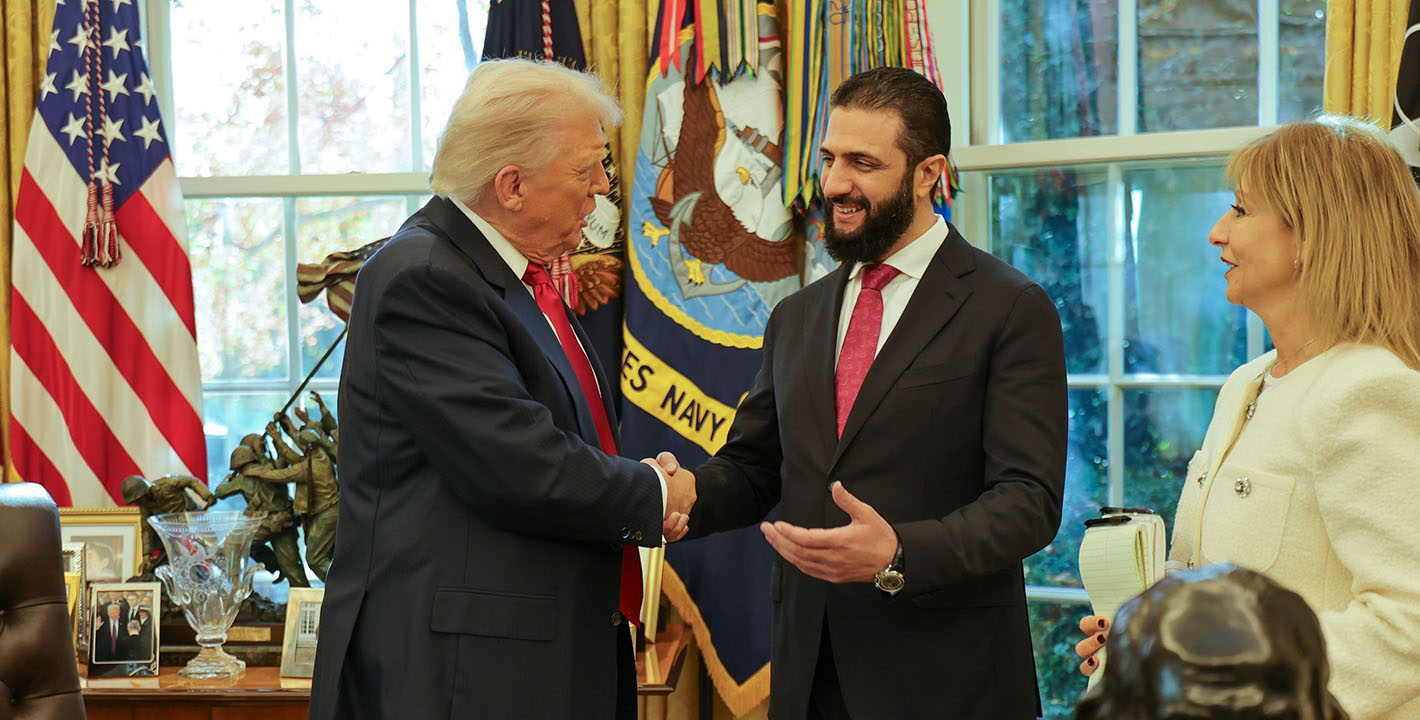
Any move by the United States to make good on Trump’s suggestion that Washington persuade Damascus to confront Hezbollah militarily would have catastrophic consequences.

Kheder Khaddour
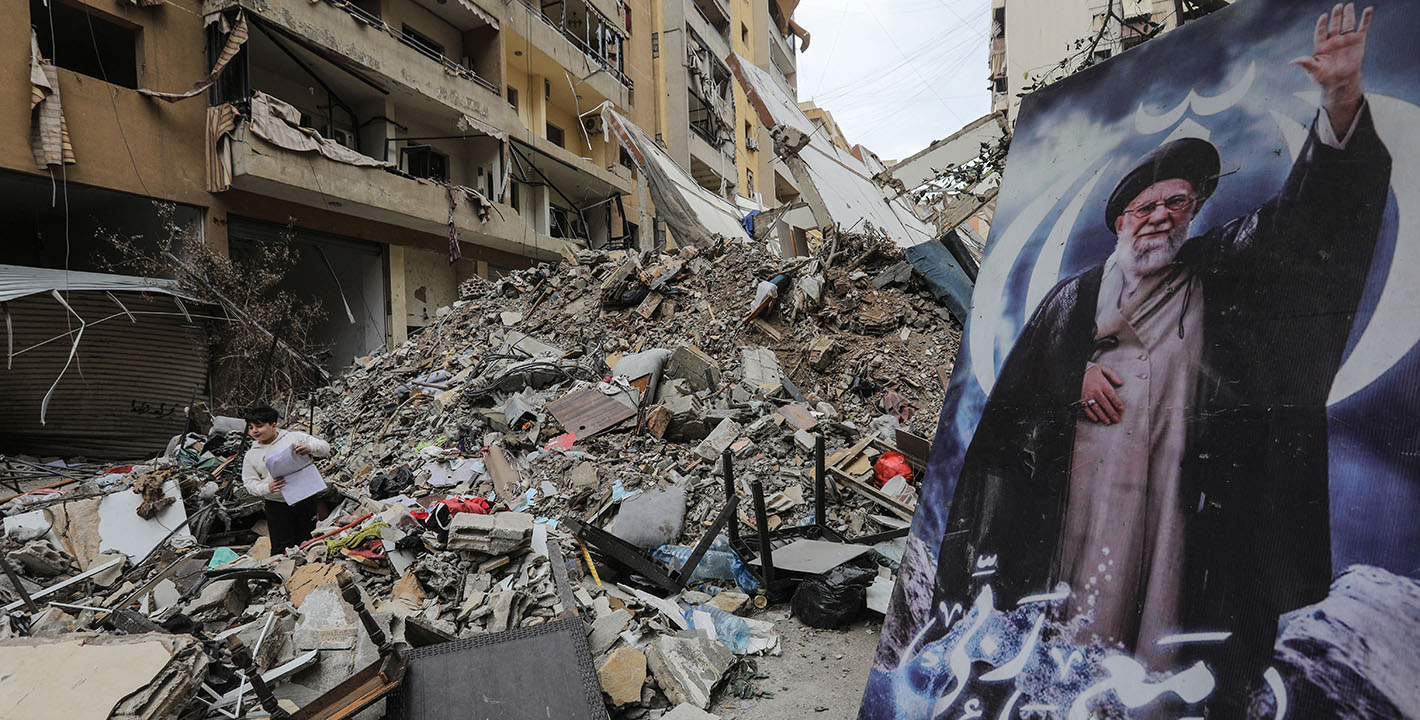
As talks begin between Washington and Tehran, Beirut has an opening to advance a regional plan for the party’s disarmament.

Michael Young