

Article
The civil war in Syria may have ended, but the country continues to serve as a source for the trafficking of illegal substances into and via Jordanian territory.
Armenak Tokmajyan, Laith Qerbaa

REQUIRED IMAGE
In view of the recent victory by Hamas in Palestine and the electoral success of the Muslim Brotherhood in Egypt, understanding the thinking of Islamist movements is more important than ever. Experts are trying to move beyond stark views of the Islamist challenge as either a democratizing force or an extreme threat to democracy, to present a nuanced view of the position of Islamist parties.
Source: Carnegie Endowment
In a new Carnegie Paper, Carnegie Endowment experts Brown, Hamzawy, and Ottaway discuss the continuing ambiguity amongst Islamists on fundamental democracy and human rights issues.
Islamist Movements and the Democratic Process in the Arab World: Exploring Gray Zones seeks to move beyond stark views of the Islamist challenge as either a democratizing force or an extreme threat to democracy and to present a nuanced view of the position of Islamist parties. The authors consider mainstream movements in Morocco, Egypt, Jordan, Kuwait, and Bahrain, analyzing not only where the movements stand but also where they have yet to develop clear positions. In view of the recent victory by Hamas in Palestine and the electoral success of the Muslim Brotherhood in the Egyptian elections, understanding the thinking of Islamist movements is more important than ever.
A limited number of print copies of this Carnegie Paper are available. Request a copy
Nathan J. Brown, Amr Hamzawy, and Marina Ottaway are senior associates at the Carnegie Endowment for International Peace. Combined, they have authored more than ten books on issues including democracy promotion in the Middle East and Arab politics.

Nonresident Senior Fellow, Middle East Program
Nathan J. Brown, a professor of political science and international affairs at George Washington University, is a distinguished scholar and author of nine books on Arab politics and governance, as well as editor of five books.

Director, Middle East Program
Amr Hamzawy is a senior fellow and the director of the Carnegie Middle East Program. His research and writings focus on Egypt’s and other middle powers’ involvement in regional security in the Middle East, particularly through collective diplomacy and multilateral conflict resolution
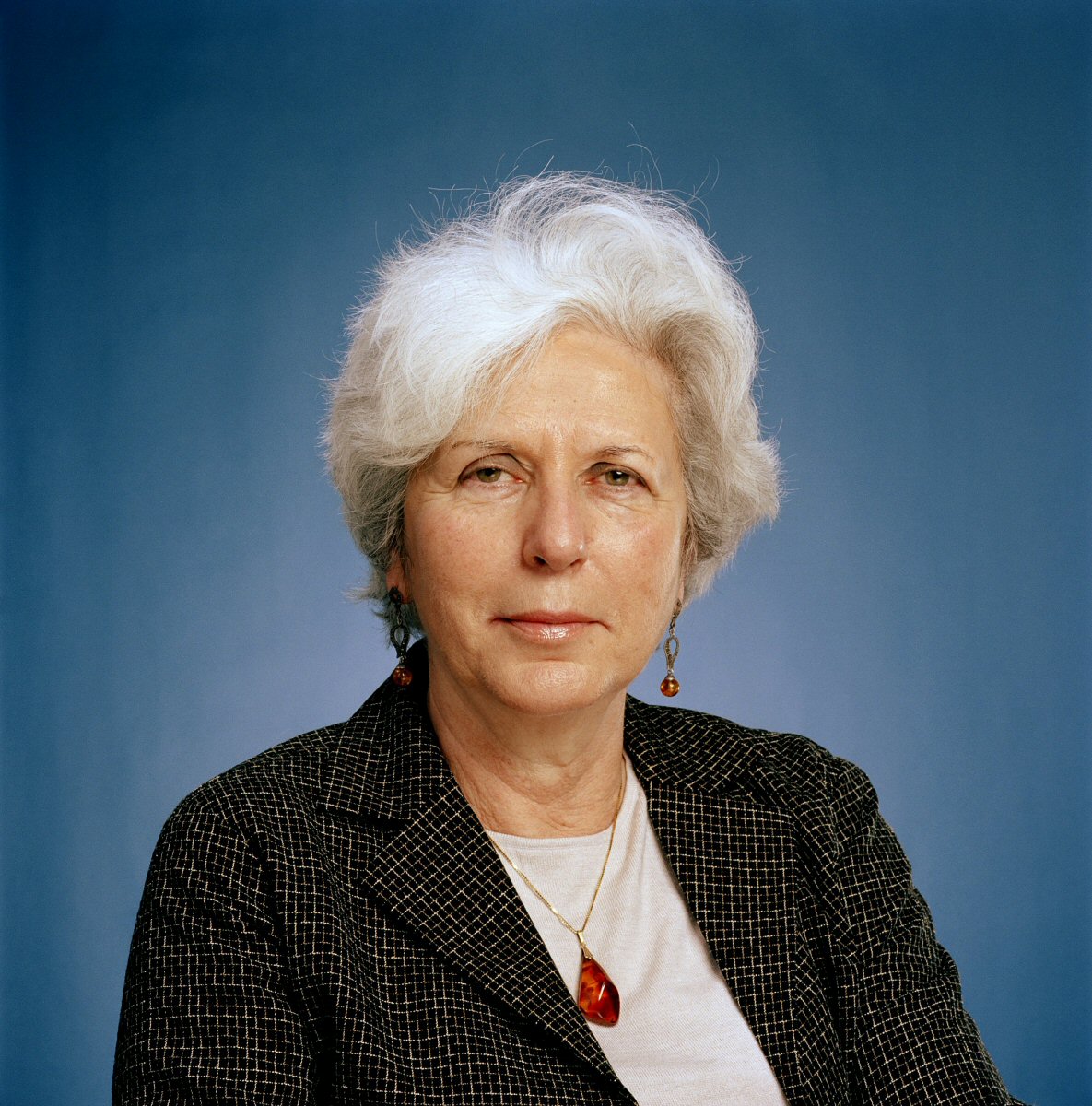
Former Senior Associate, Middle East Program
Before joining the Endowment, Ottaway carried out research in Africa and in the Middle East for many years and taught at the University of Addis Ababa, the University of Zambia, the American University in Cairo, and the University of the Witwatersrand in South Africa.
Carnegie does not take institutional positions on public policy issues; the views represented herein are those of the author(s) and do not necessarily reflect the views of Carnegie, its staff, or its trustees.
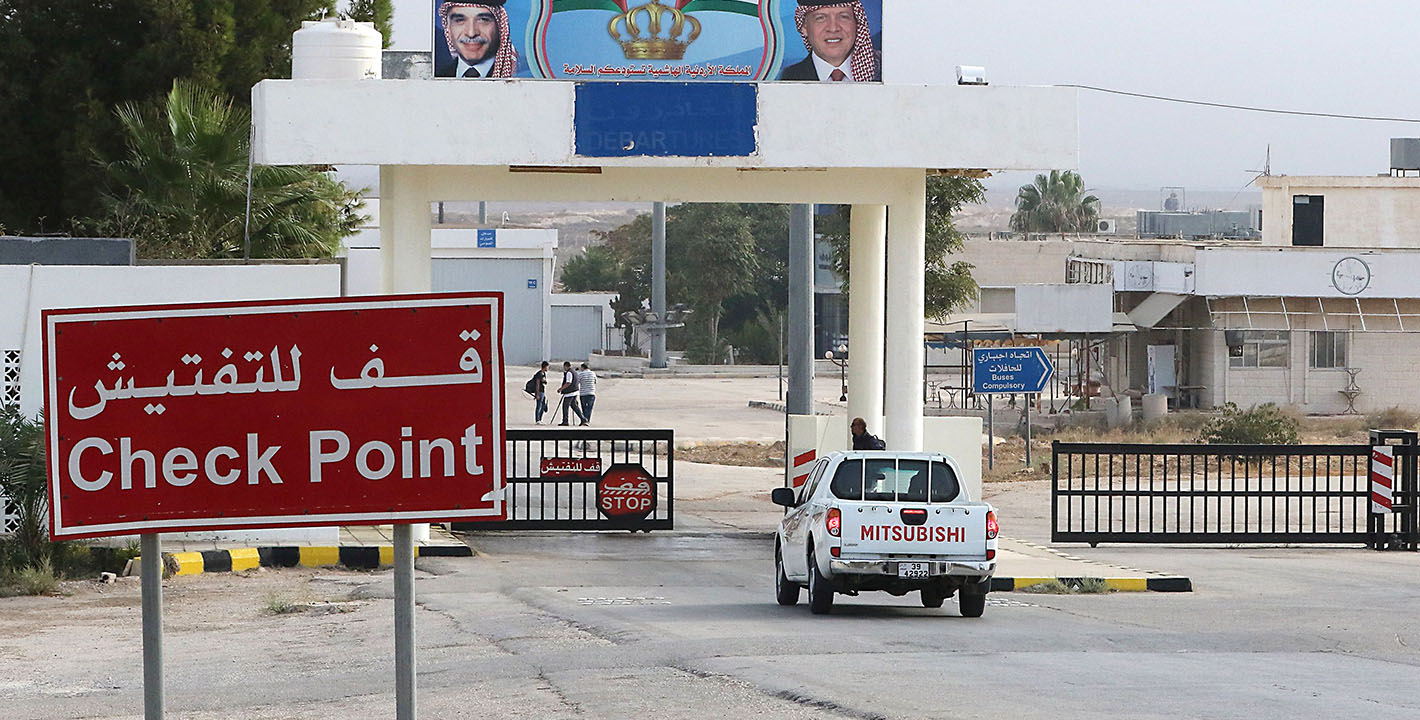
The civil war in Syria may have ended, but the country continues to serve as a source for the trafficking of illegal substances into and via Jordanian territory.

Armenak Tokmajyan, Laith Qerbaa

As the U.S. stumbles in its war with Iran, we are likely to see an acceleration of its disengagement from the region.

Michael Young

The accord represents a pivotal moment in the region to avert a security vacuum in the Gulf.


Azeema Cheema, Mohanad Hage Ali

In an interview, Jason Burke discusses his sweeping account of the “revolutionists” who so shaped the 1970s and early 1980s.
Michael Young

The armed forces champion a form of capitalism that is generating revenue, but its reliance on rent faces diminishing returns, leaving the country with massive sunk costs and deferred returns, deepening dependency on external borrowing.

Yezid Sayigh