

In The Media
Josh Kurlantzick

For the first time in nearly twenty years, Burma has burst into open protest against the military junta, captivating the world with its ‘saffron revolution.’
Source: London Review of Books

Perfect Hostage: A Life of Aung San Suu Kyi by Justin Wintle
For the first time in nearly twenty years, Burma has burst into open protest against the military junta, captivating the world with its ‘saffron revolution.’ Across the country, monks have led massive demonstrations, joined by civil servants, prominent cultural figures and tens of thousands of ordinary people. Throngs of red-robed monks have marched through the streets of Rangoon, waving banners and religious flags. When Burma’s military surrounded the city, the monks crouched in front of them, defiantly reciting odes to loving kindness, chanting prayers, and singing the national anthem. Their courage has rallied terrified citizens in the face of troops who have stormed monasteries, jailed thousands of protesters and killed at least ten and possibly hundreds more. The UN Security Council met on 26 September to consider the crisis, the day after President Bush had announced tougher US sanctions on the junta’s leaders.
This book review was orginally published at London Review of Books.

Former Visiting Scholar, China Program
A special correspondent for The New Republic, a columnist for Time, and a senior correspondent for The American Prospect, Kurlantzick assesses China’s relationship with the developing world, including Southeast Asia, Africa, and Latin America.
Recent Work
Josh Kurlantzick
Carnegie does not take institutional positions on public policy issues; the views represented herein are those of the author(s) and do not necessarily reflect the views of Carnegie, its staff, or its trustees.
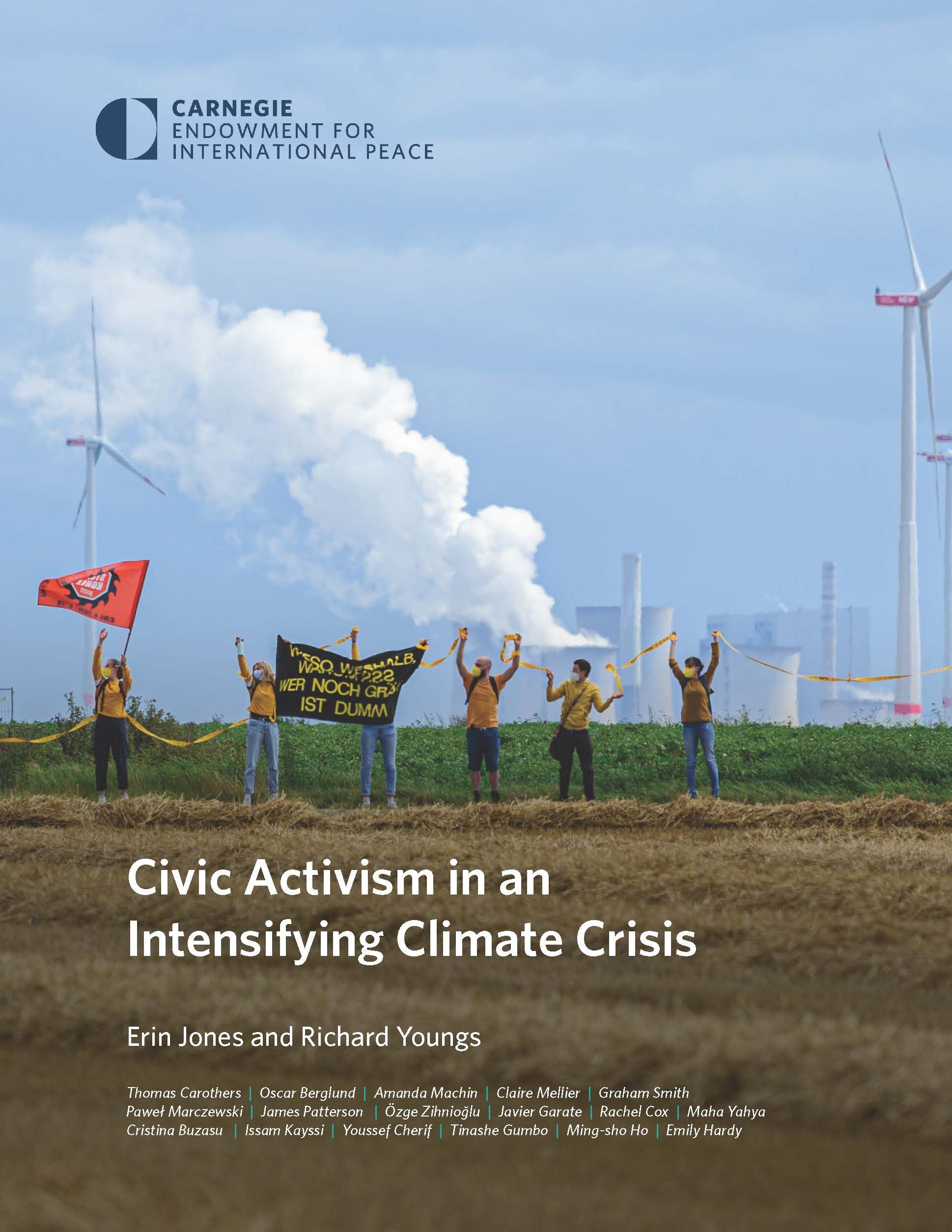
To address the deepening climate crisis, climate activism is employing a wider variety of tactics and aiming at a broader set of goals. In response, the movement faces stronger repression and civic backlash against climate action.

Erin Jones, Richard Youngs
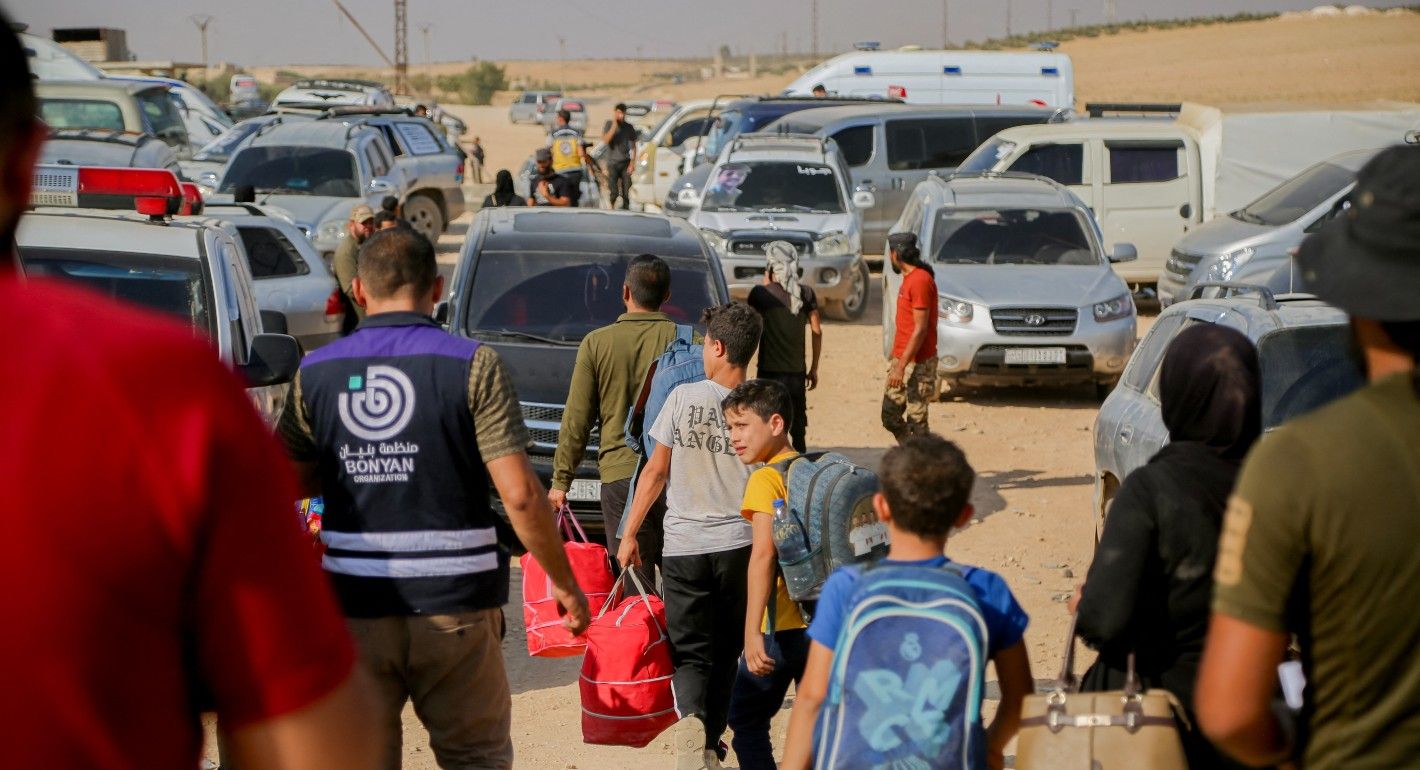
A humanitarian crisis in Lebanon deepens, and Syrian refugees face a perilous choice: remain in a war-torn environment or return to Syria where they risk encountering significant dangers and discrimination. There are significant challenges and risks to their search for safety in Syria.
Haid Haid
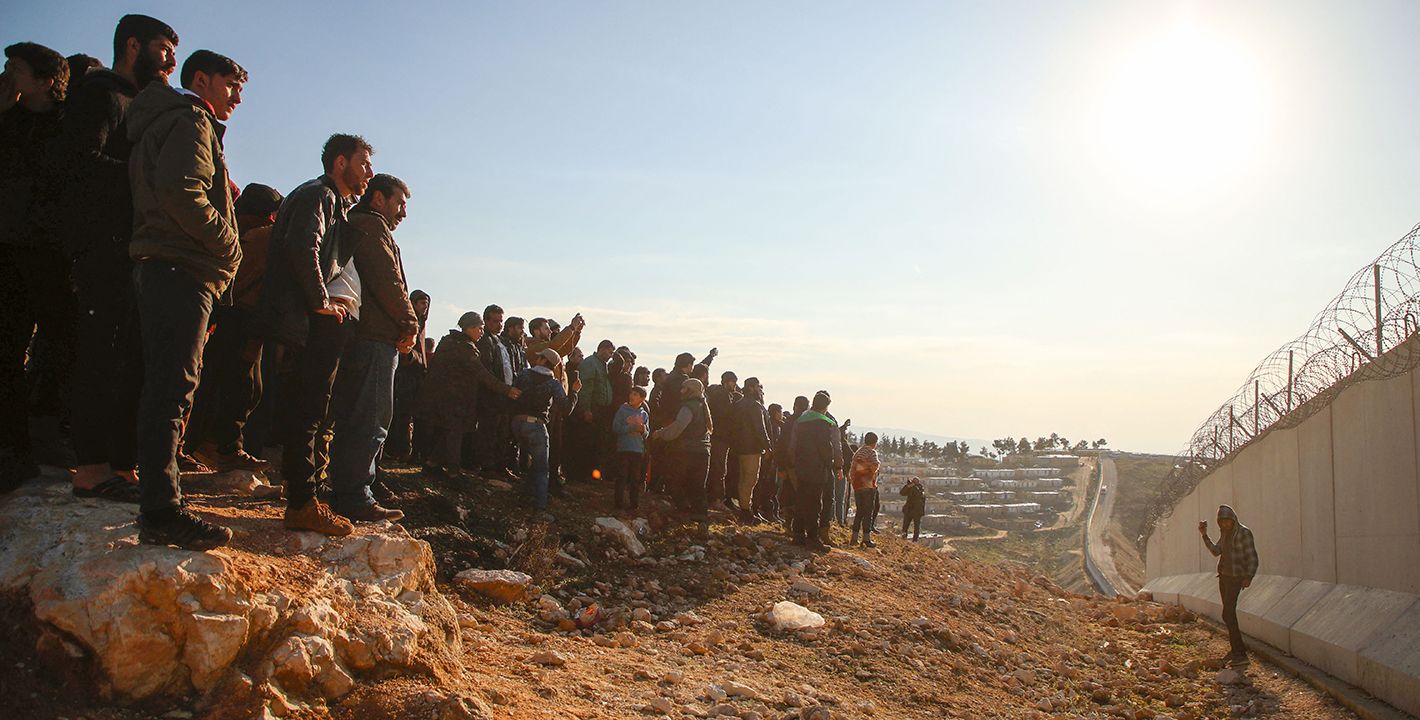
In Syria’s border regions, changes in demographics, economics, and security mean that an inter-Syrian peace process will require consensus among main regional powers that Syria must remain united, that no one side can be victorious, and that perennial instability threatens the region.


Kheder Khaddour, Armenak Tokmajyan
The interaction of national armed forces and private business sectors offers a useful lens for viewing the politics of numerous countries of the so-called Global South. A rising trend of military political activism—often accompanied by military commercial activity—underlines the importance of drivers and outcomes in these relationships.

Yezid Sayigh, Hamza Meddeb
For many in the society, the post-Ben Ali years were mainly about successive economic crises and political instability.
Jasmine Khelil