

In The Media
Minxin Pei

China’s capitalist revolution presents two divergent political paths for the country: autocracy or democracy. While the current strength of the CCP might suggest China is traveling down the first path, there are signs that citizen resistance on issues like growing economic disparities and environmental degradation may be on the rise and become more potent in the future.
Source: Book Review

The party has done well since 1989, but the legitimacy of outright repression is declining. The party may incarcerate those trying to set up an opposition party, but it cannot deploy brute force against ordinary citizens demanding clean air, drinkable water, and affordable health care. The Chinese citizenry today is becoming sophisticated enough to probe the soft spots (such as corruption, inequality, and incompetence) of the autocratic system and challenge it without taking excessive risks.
Former Adjunct Senior Associate, Asia Program
Pei is Tom and Margot Pritzker ‘72 Professor of Government and the director of the Keck Center for International and Strategic Studies at Claremont McKenna College.
Recent Work
Minxin Pei
Minxin Pei
Carnegie does not take institutional positions on public policy issues; the views represented herein are those of the author(s) and do not necessarily reflect the views of Carnegie, its staff, or its trustees.

Huawei pushed hard to enter the Egyptian data centers market, until the Americans made a better offer.

Angie Omar

China has aligned its cooperation model with Saudi Arabia’s own priorities, most notably since the kingdom unveiled its Vision 2030. Although China announced the Belt and Road Initiative in 2013, the big push in relations happened only after the ascendance of King Salman to the throne in 2015 and Riyadh’s push for Beijing to meet Saudi needs.

Hesham Alghannam
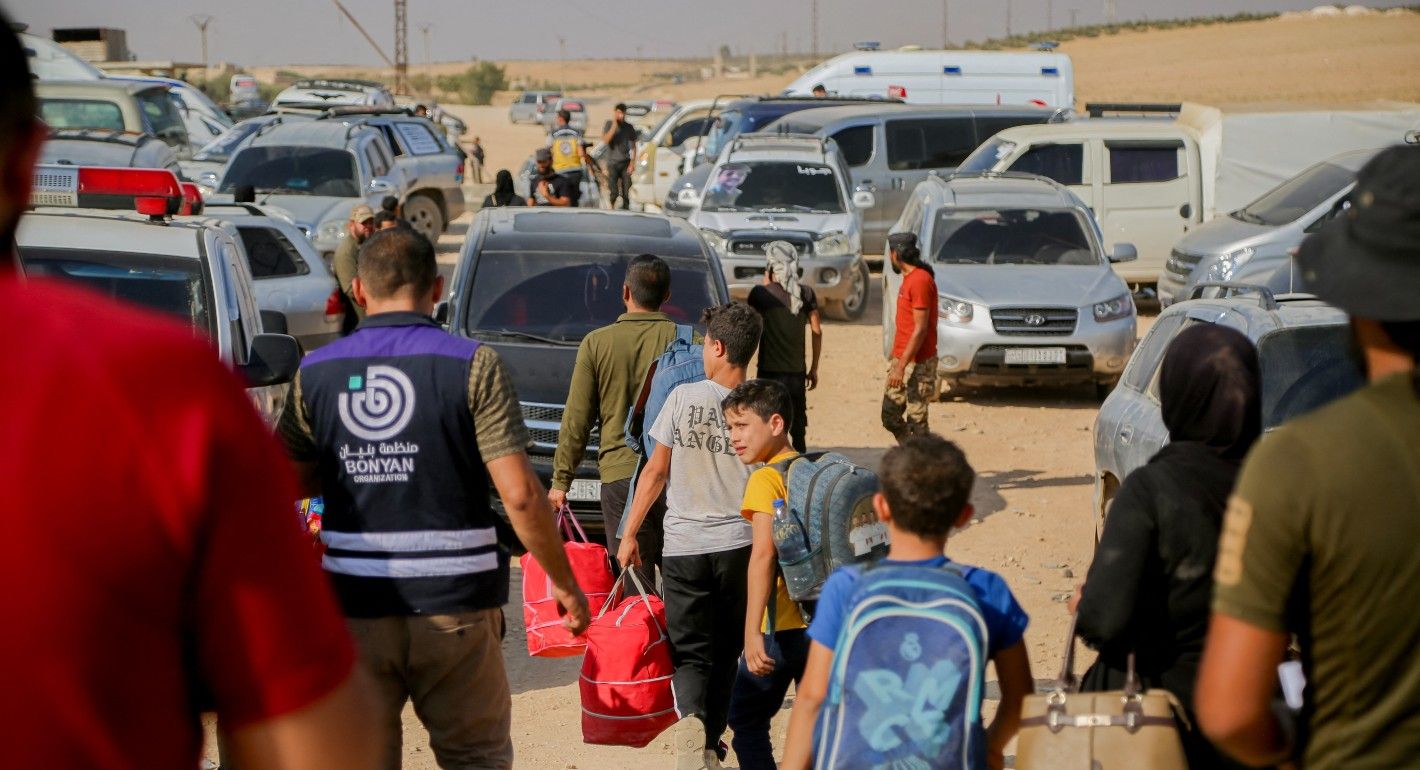
A humanitarian crisis in Lebanon deepens, and Syrian refugees face a perilous choice: remain in a war-torn environment or return to Syria where they risk encountering significant dangers and discrimination. There are significant challenges and risks to their search for safety in Syria.
Haid Haid
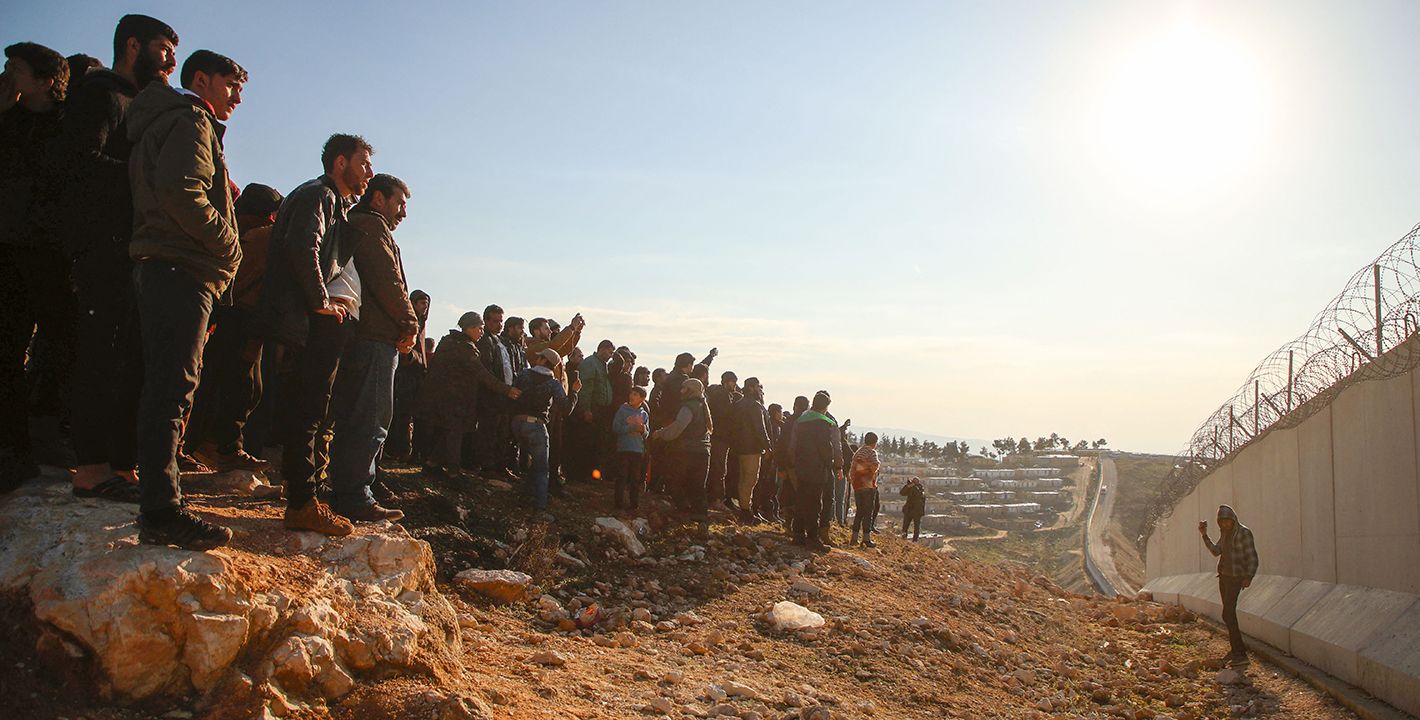
In Syria’s border regions, changes in demographics, economics, and security mean that an inter-Syrian peace process will require consensus among main regional powers that Syria must remain united, that no one side can be victorious, and that perennial instability threatens the region.


Kheder Khaddour, Armenak Tokmajyan
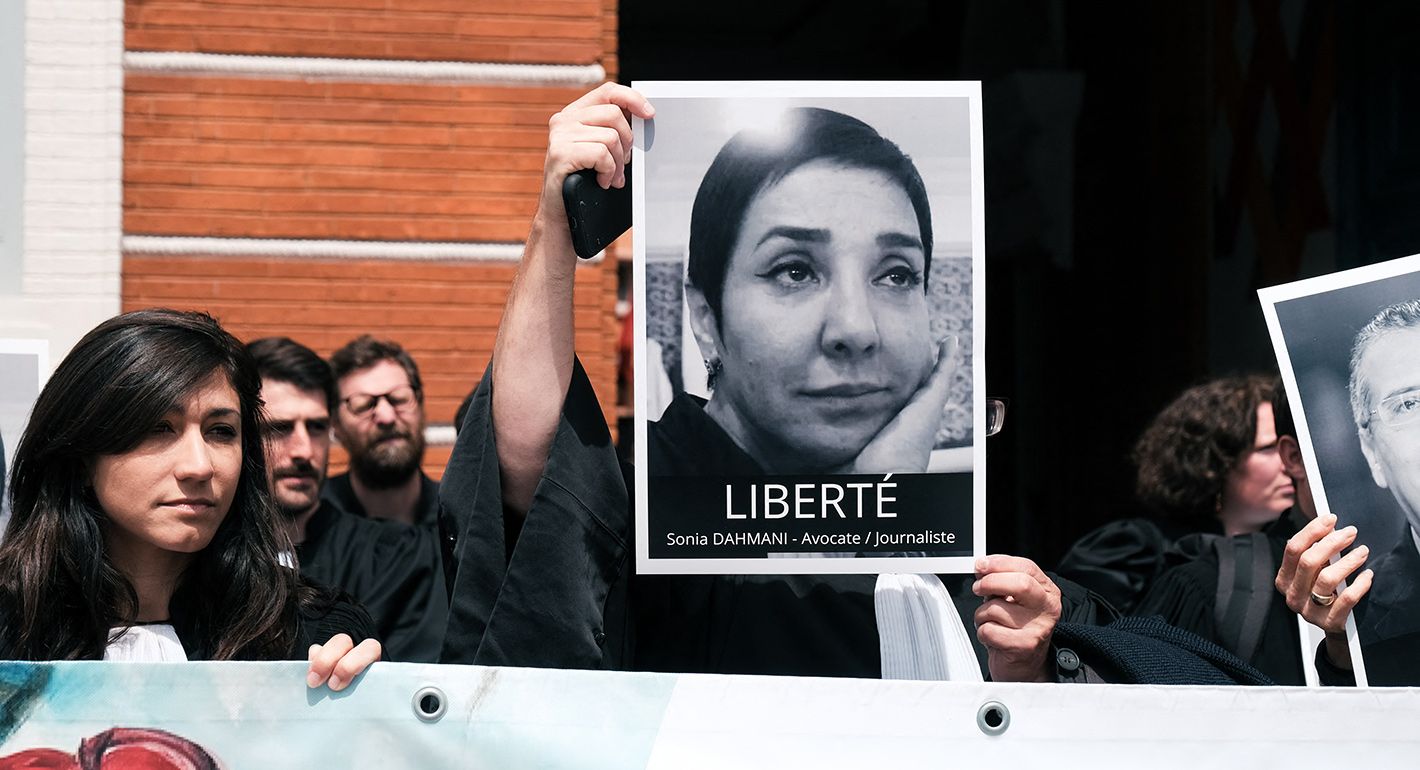
For many in the society, the post-Ben Ali years were mainly about successive economic crises and political instability.
Jasmine Khelil