

Article
Thomas Carothers
Source: Getty
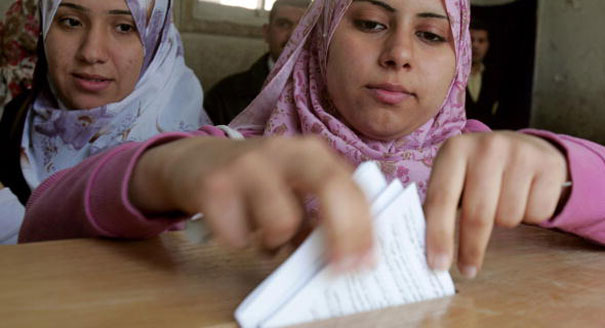
Good news on democratization, though often less visible, has occurred in roughly equal proportion to bad news. By taking on this more balanced perspective, the Obama administration can ensure that unnecessary pessimism does not hinder important U.S. support for democracy around the world.
The Obama administration faces pressure to pull back U.S. democracy promotion efforts, given the Bush administration’s legacy and increasing talk of a global “democratic recession.” The United States can and should remain an active supporter of democracy abroad. By building a new approach to democracy promotion around the new president’s cardinal values—non-confrontational, measured, cooperative, and empowering—the United States can regain its place as a respected, trusted, and influential ally of democracy around the world.
Thomas Carothers offers a wide-ranging assessment of the state of democracy in the world, finding that despite set backs in the troubled regions of the Middle East and former Soviet Union, democracy has not experienced a global retreat this decade. Good news on democratization, though often less visible, has occurred in roughly equal proportion to bad news, and considerable continuity exists in many places. By taking on this more balanced perspective, the Obama administration can ensure that unnecessary pessimism does not hinder important U.S. support for democracy.
Understanding Democracy Development in Key Regions

Harvey V. Fineberg Chair for Democracy Studies; Senior Fellow, Democracy, Conflict, and Governance Program
Thomas Carothers, a senior fellow in the Carnegie Endowment for International Peace’s Democracy, Conflict, and Governance Program, is a leading expert on comparative democratization and international support for democracy.
Recent Work
Thomas Carothers
Thomas Carothers
Carnegie does not take institutional positions on public policy issues; the views represented herein are those of the author(s) and do not necessarily reflect the views of Carnegie, its staff, or its trustees.
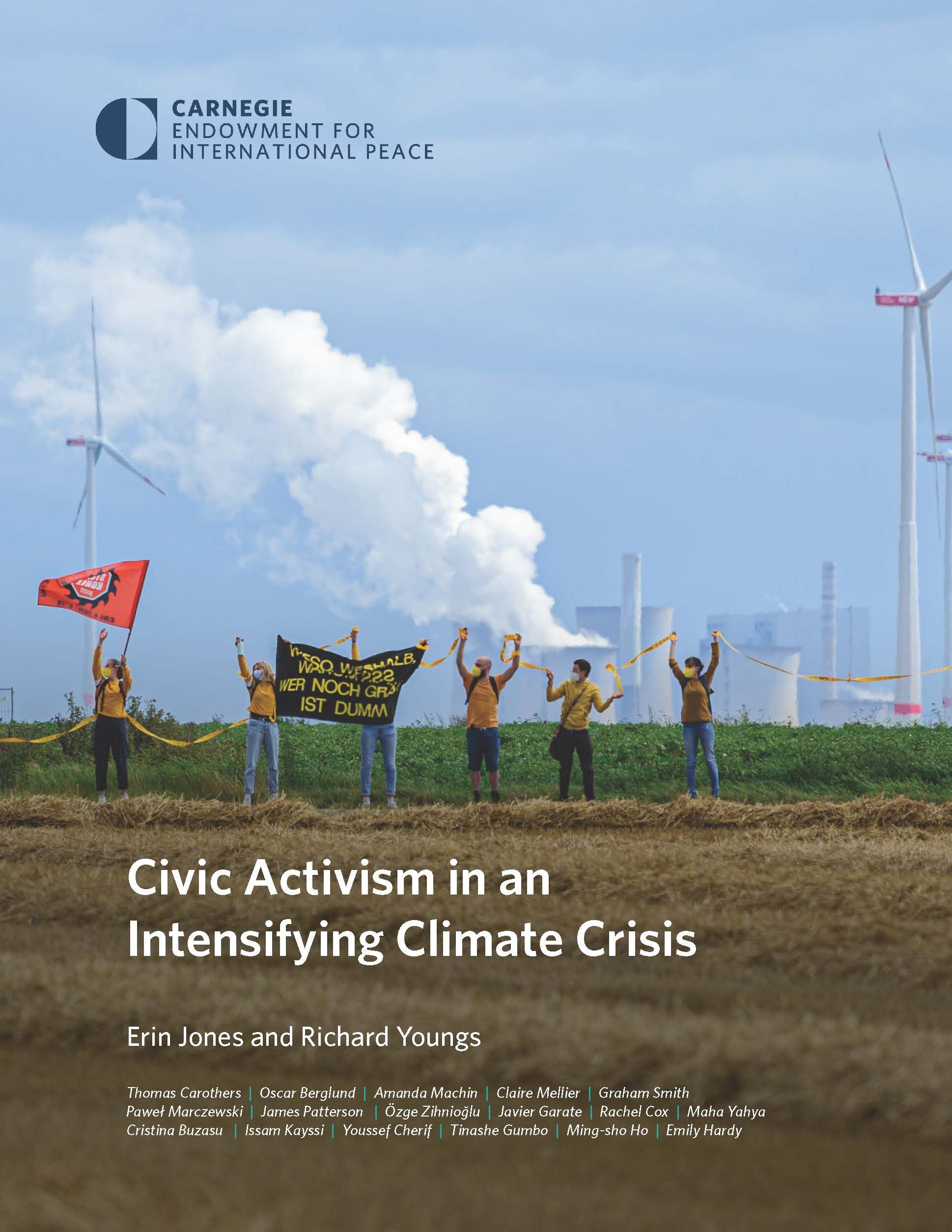
To address the deepening climate crisis, climate activism is employing a wider variety of tactics and aiming at a broader set of goals. In response, the movement faces stronger repression and civic backlash against climate action.

Erin Jones, Richard Youngs
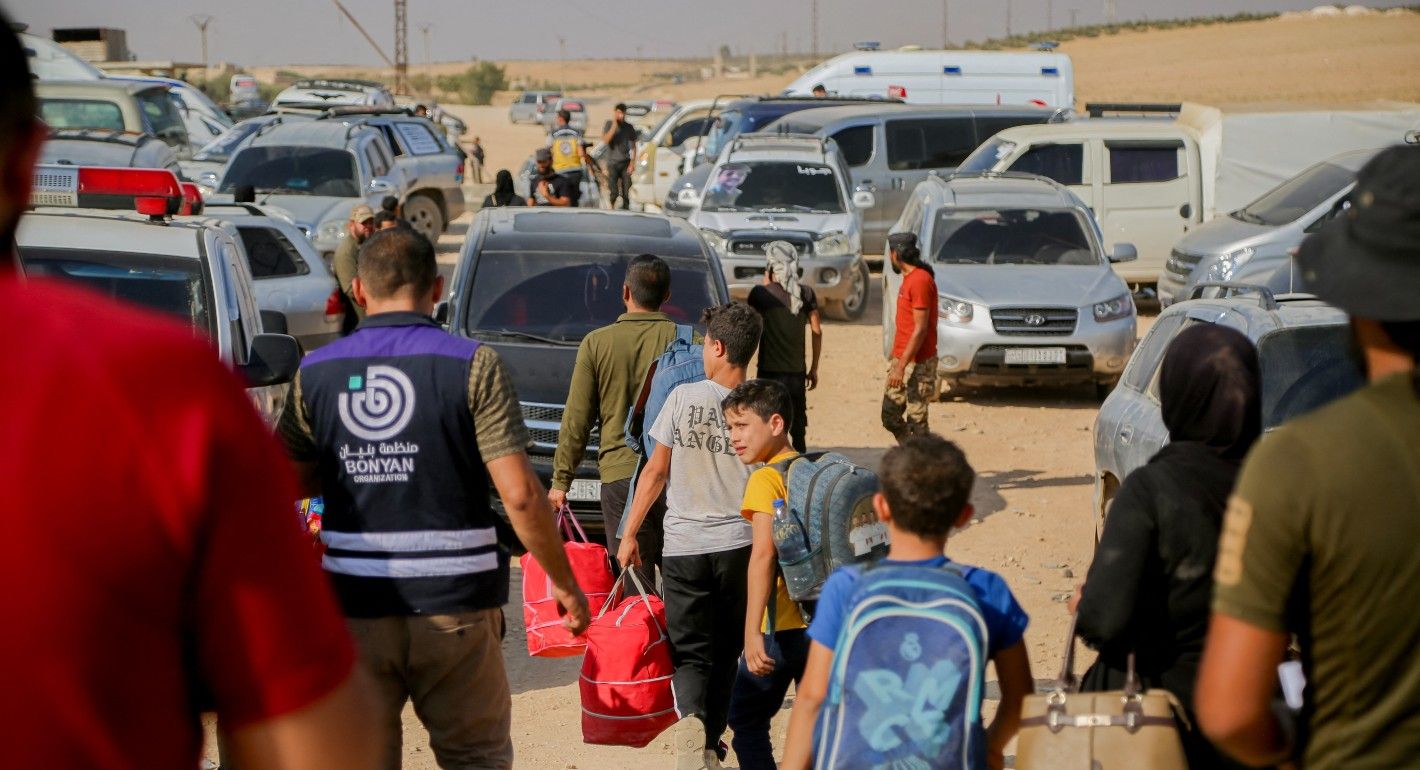
A humanitarian crisis in Lebanon deepens, and Syrian refugees face a perilous choice: remain in a war-torn environment or return to Syria where they risk encountering significant dangers and discrimination. There are significant challenges and risks to their search for safety in Syria.
Haid Haid
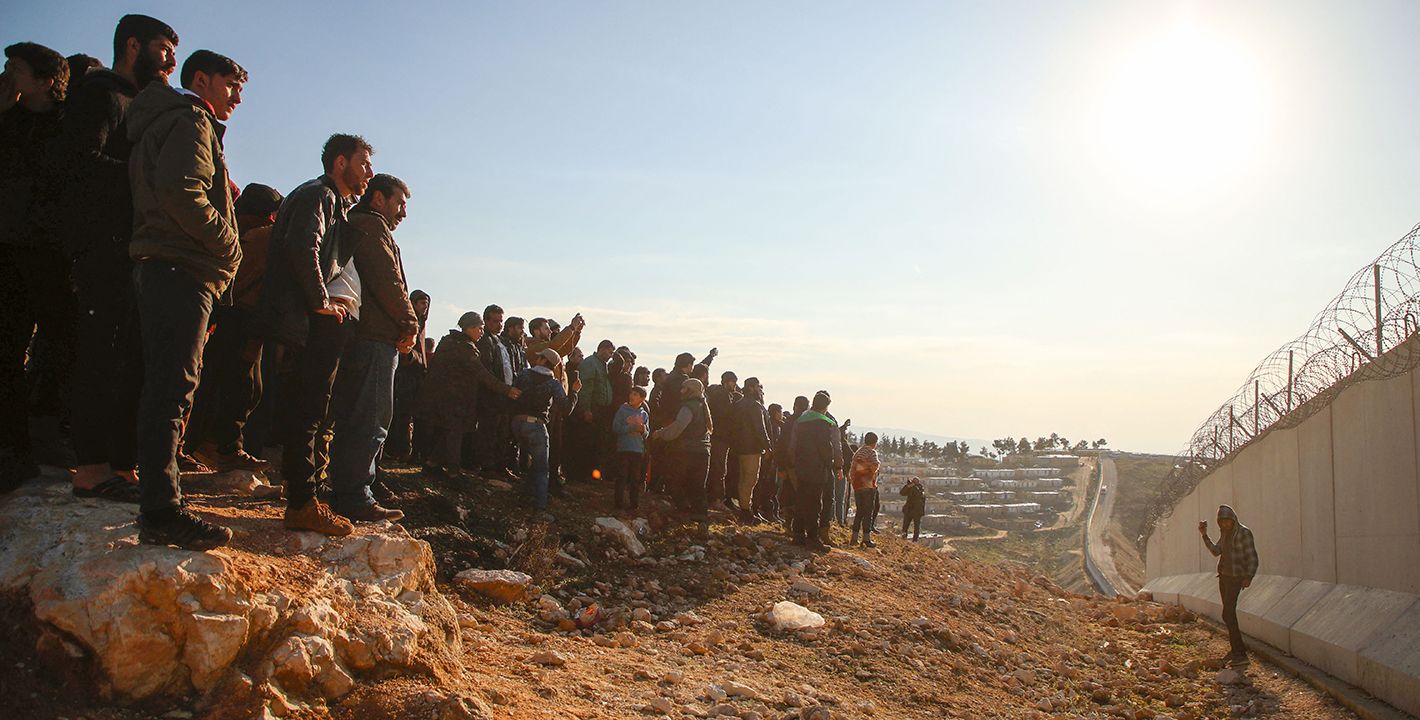
In Syria’s border regions, changes in demographics, economics, and security mean that an inter-Syrian peace process will require consensus among main regional powers that Syria must remain united, that no one side can be victorious, and that perennial instability threatens the region.


Kheder Khaddour, Armenak Tokmajyan
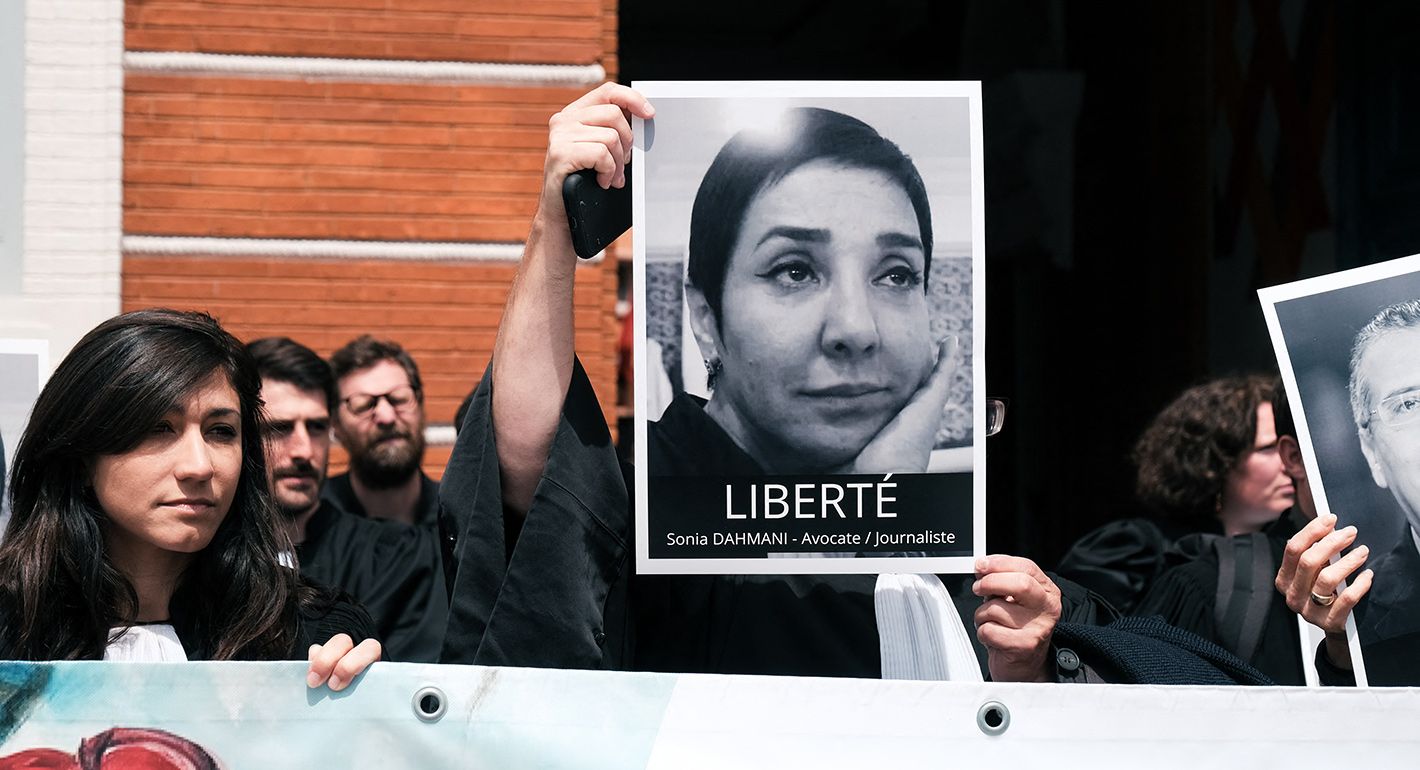
For many in the society, the post-Ben Ali years were mainly about successive economic crises and political instability.
Jasmine Khelil
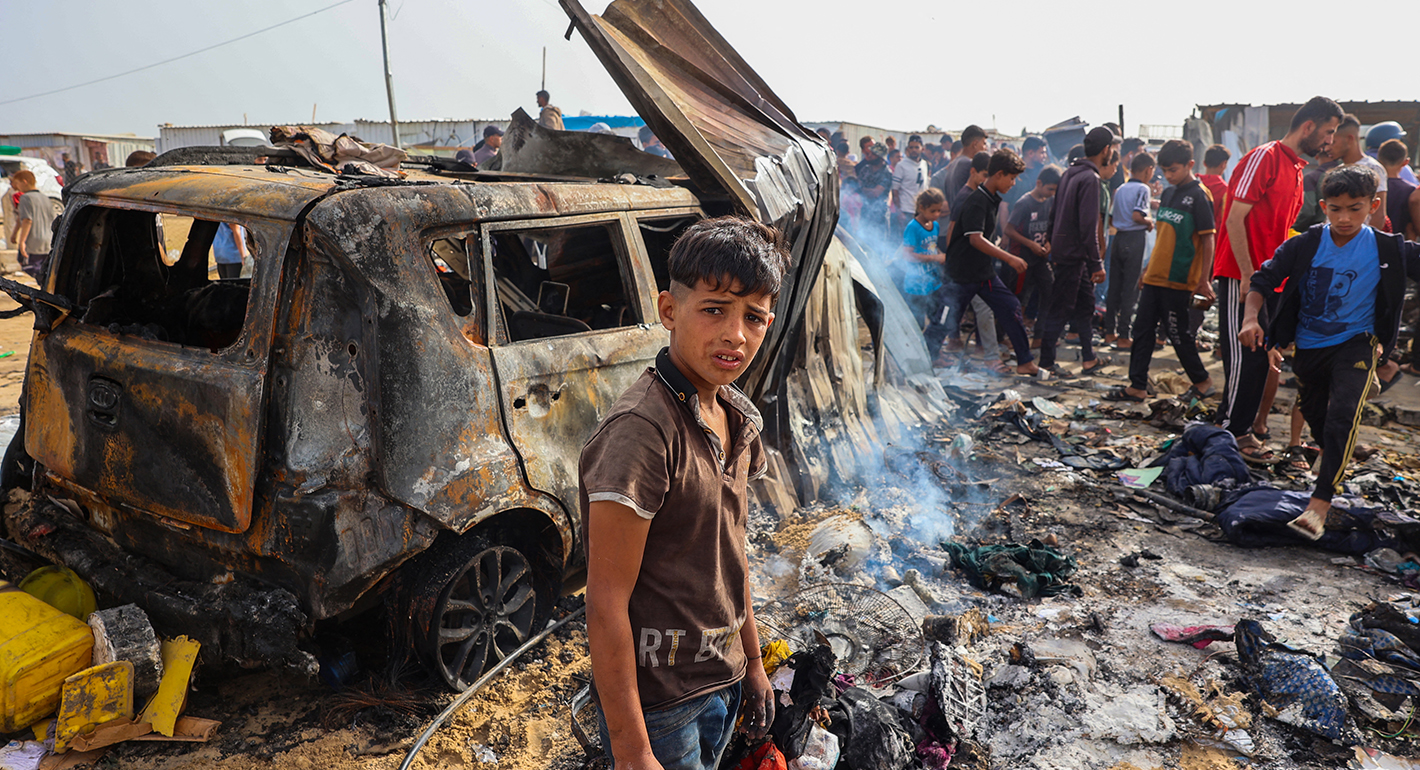
The Biden administration’s plan for the “day after” in Gaza would be disastrous without the promise of Palestinian statehood.

Yezid Sayigh