

Commentary
Middle Eastern states should welcome an accelerated U.S. disengagement from their region.
Michael Young
Source: Getty
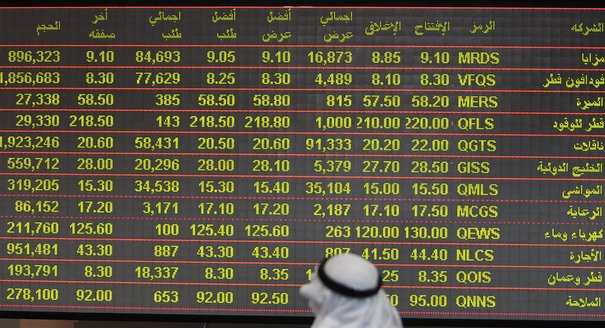
Rethinking the wisdom of relying on unstable Western economies for growth, the Arab world is increasingly focused on the diversification of its own economies.
Western political and economic leaders, seeking desperately needed capital for their faltering economies, have put aside many of their concerns over Arab sovereign wealth funds (SWFs). But the Arab world is questioning the wisdom of building its financial future on the shaky foundations of Western economies, and increasingly focusing on the development and diversification of its own economies.
In this Carnegie Paper, produced in cooperation with the Arab Reform Initiative, editors Sven Behrendt and Bassma Kodmani, and a group of Arab economists, discuss the economic, political, and social influences that will determine Arab funds’ investment behavior in the years to come.
Key points:
Behrendt concludes:
“Moving forward, the investment strategies of Arab SWFs will most likely be based on a more holistic approach. Ideally, this would include taking into account the long-term financial needs of their societies, the long-term development and diversification strategies of their economies, as well as the long-term opportunities of select industries to serve in global markets in transition.”

Former Visiting Scholar, Middle East Center
Behrendt is an expert in global issues, international negotiations, conflict resolution, and corporate strategy. He previously served at the World Economic Forum in various management positions.
Bassma Kodmani
Carnegie does not take institutional positions on public policy issues; the views represented herein are those of the author(s) and do not necessarily reflect the views of Carnegie, its staff, or its trustees.

Middle Eastern states should welcome an accelerated U.S. disengagement from their region.

Michael Young

The armed forces champion a form of capitalism that is generating revenue, but its reliance on rent faces diminishing returns, leaving the country with massive sunk costs and deferred returns, deepening dependency on external borrowing.

Yezid Sayigh

Morocco and Algeria, each in its own way, are having to navigate the global economic fallout of the U.S.-Israeli military campaign against Iran.

Yasmine Zarhloule
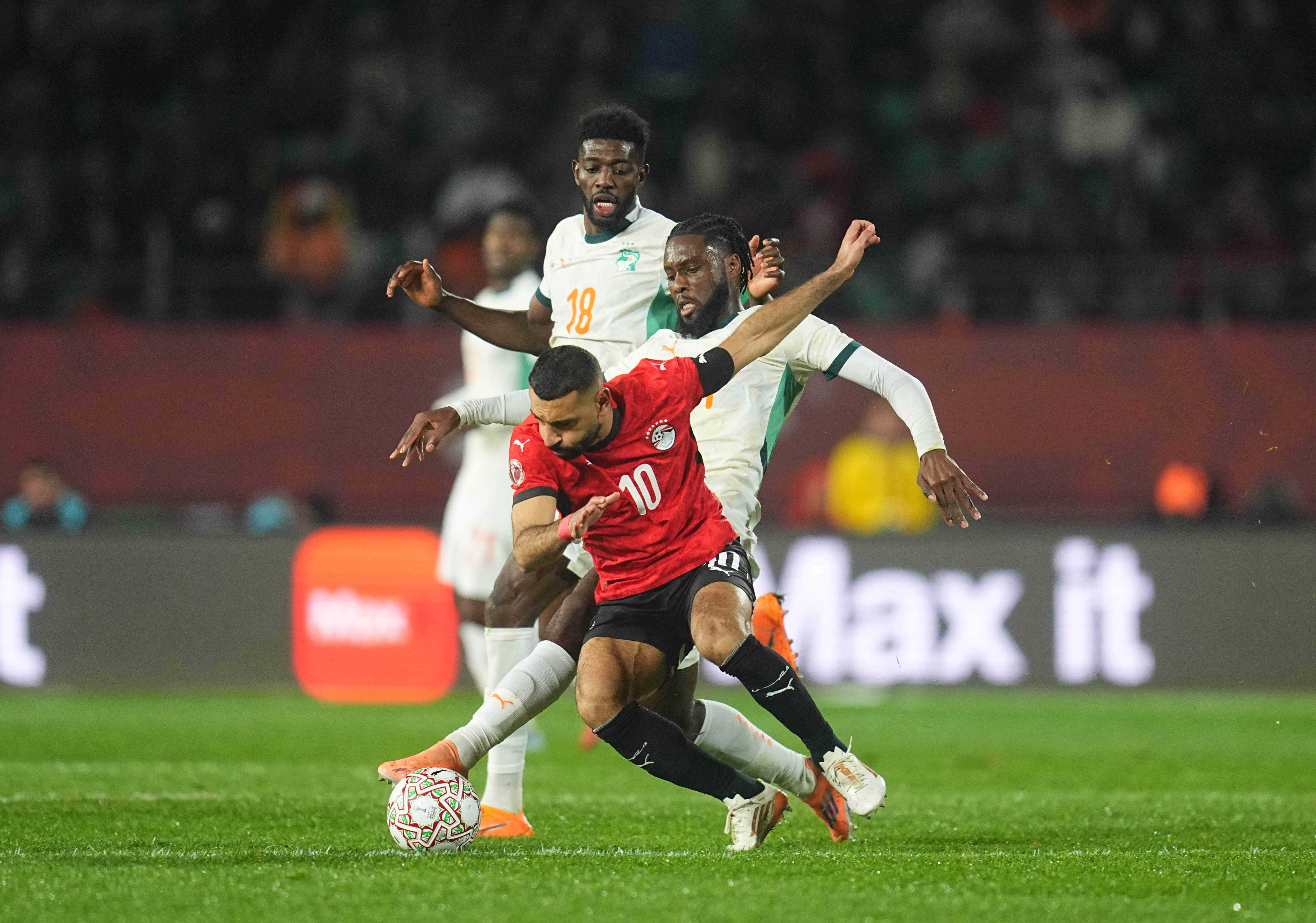
This will be the region’s most representative tournament, amid broad changes in its footballing landscape.

Issam Kayssi
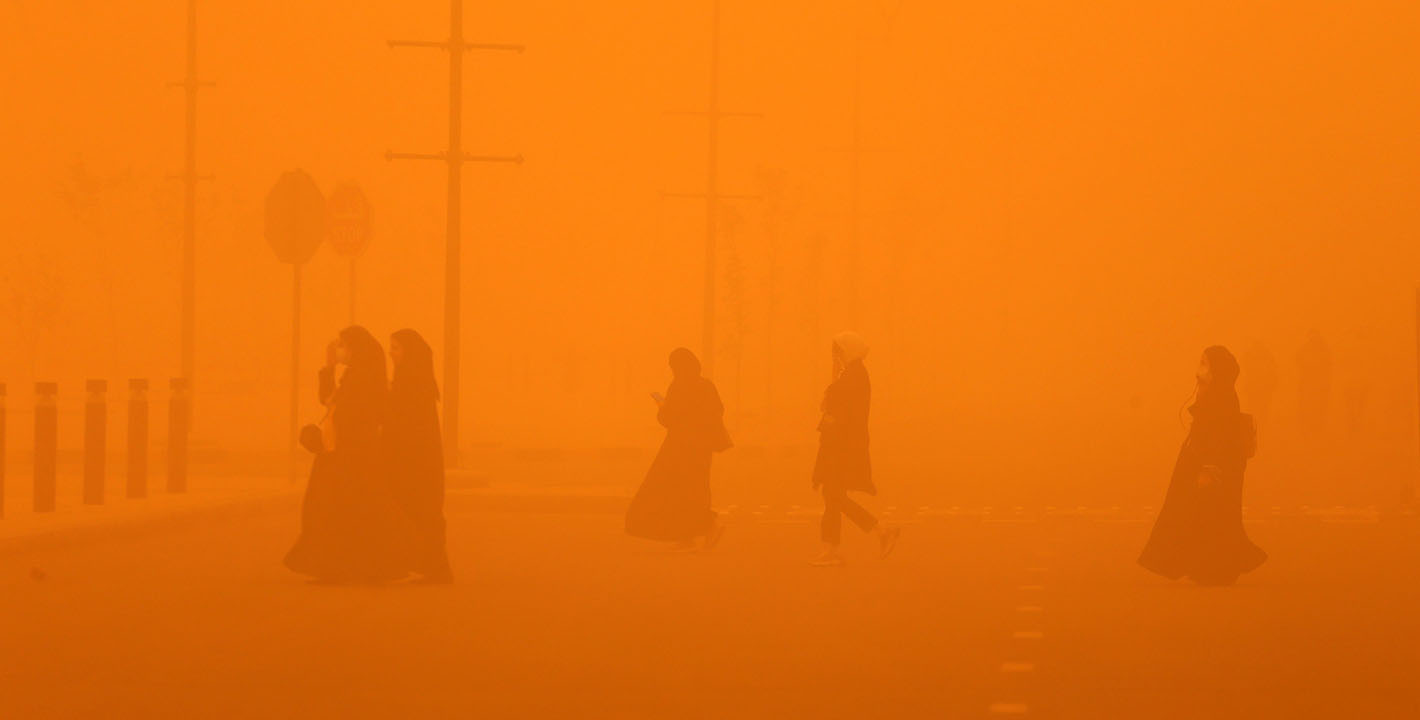
Mitigating the repercussions of climate change in Kuwait is crucial for lessening economic disparities and achieving social justice.

Courtney Freer