

Paper
Alejandro Foxley, Fernando Sossdorf
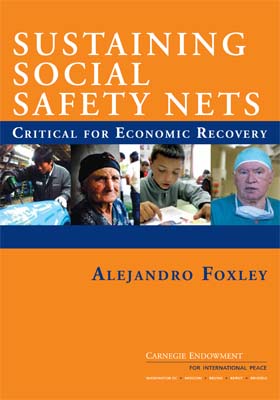
As middle-income countries recovering from the global financial crisis face high unemployment and growing government deficits, existing social services will become stressed. Maintaining these safety nets is a vital part of recovery.
The coverage and quality of basic social services—from unemployment insurance to health care and social security—will likely suffer as middle-income countries recover from the global financial crisis. Faced with high unemployment and growing government deficits, existing social services will become stressed. Yet maintaining these safety nets is a vital part of recovery without which significant segments of the middle class may slip into poverty, concludes a paper by Alejandro Foxley, former foreign and finance minister of Chile.
Foxley analyzes the provision of social services in Eastern Europe, East Asia, and Latin America and makes recommendations for how safety nets need to be restructured to protect vulnerable groups.
“The aftermath of the current global financial crisis will make it obvious that an active role for the state is unavoidable to cover the most vulnerable groups of the population and to mend existing social safety nets in terms of cost and accessibility,” writes Foxley.
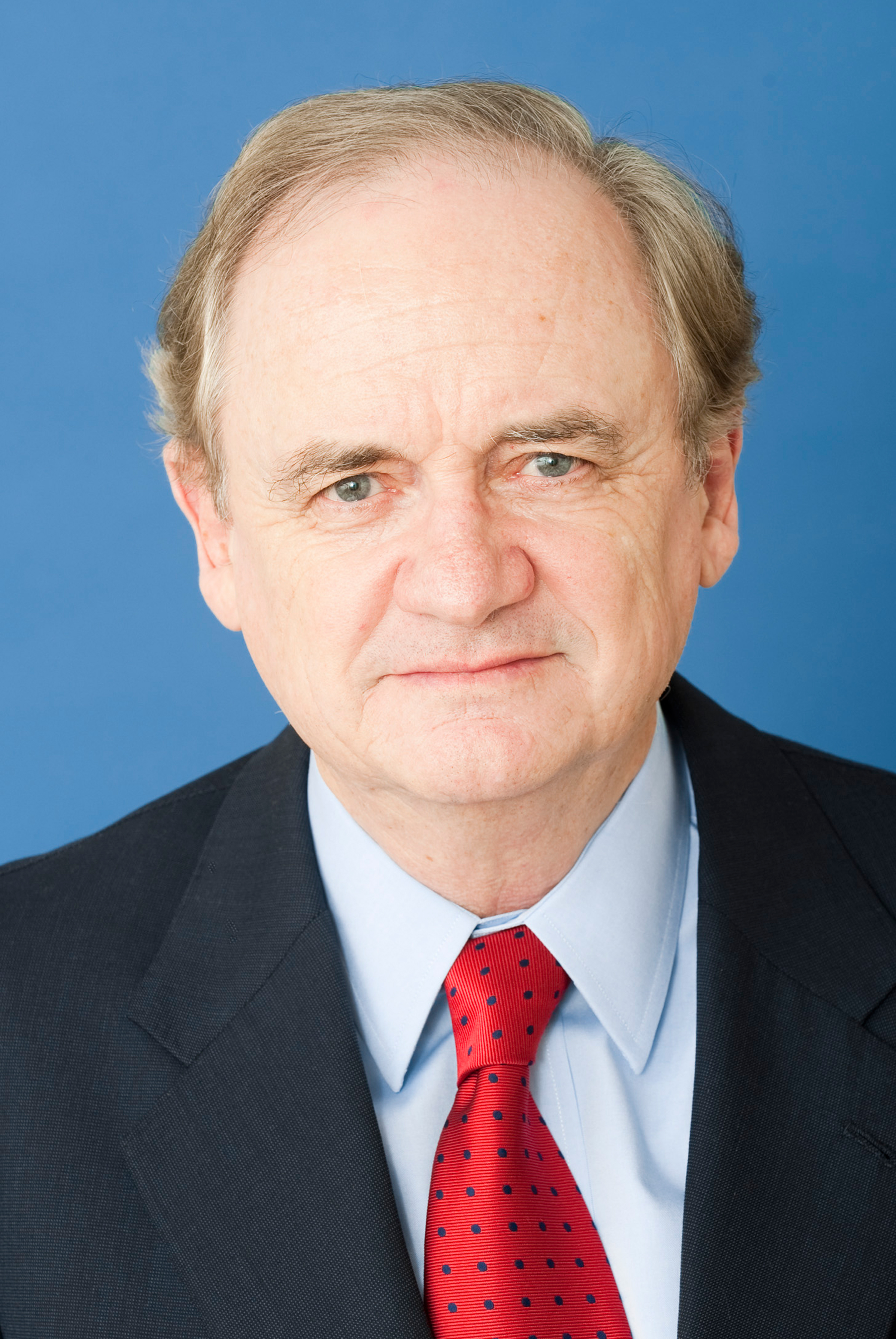
Former Senior Associate, International Economics Program
Foxley was previously minister of foreign affairs, senator, and minister of finance of the Republic of Chile. While minister of finance he concurrently served as a governor of the Inter-American Development Bank and the World Bank.
Recent Work
Alejandro Foxley, Fernando Sossdorf
Alejandro Foxley
Carnegie does not take institutional positions on public policy issues; the views represented herein are those of the author(s) and do not necessarily reflect the views of Carnegie, its staff, or its trustees.

The armed forces champion a form of capitalism that is generating revenue, but its reliance on rent faces diminishing returns, leaving the country with massive sunk costs and deferred returns, deepening dependency on external borrowing.

Yezid Sayigh
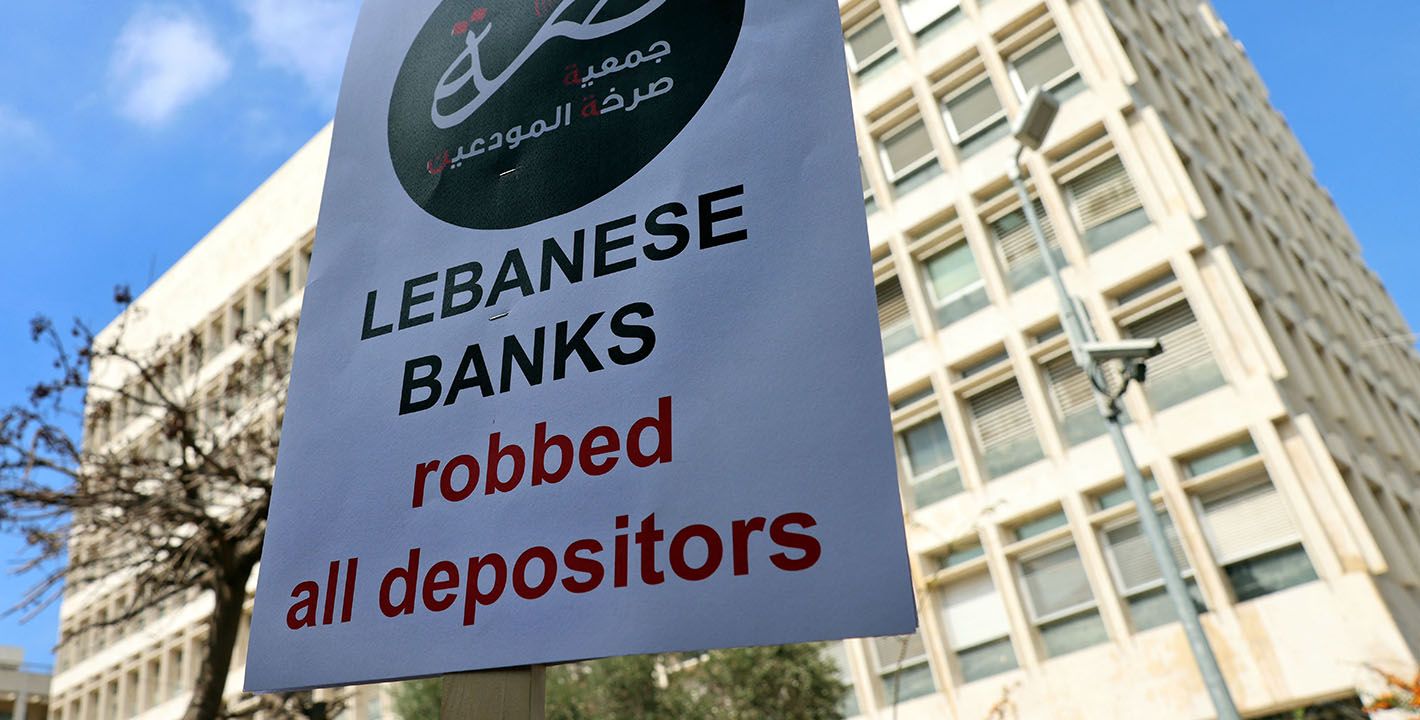
In an interview, Ishac Diwan looks at the merits and flaws in the draft legislation distributing losses from the financial collapse.

Michael Young
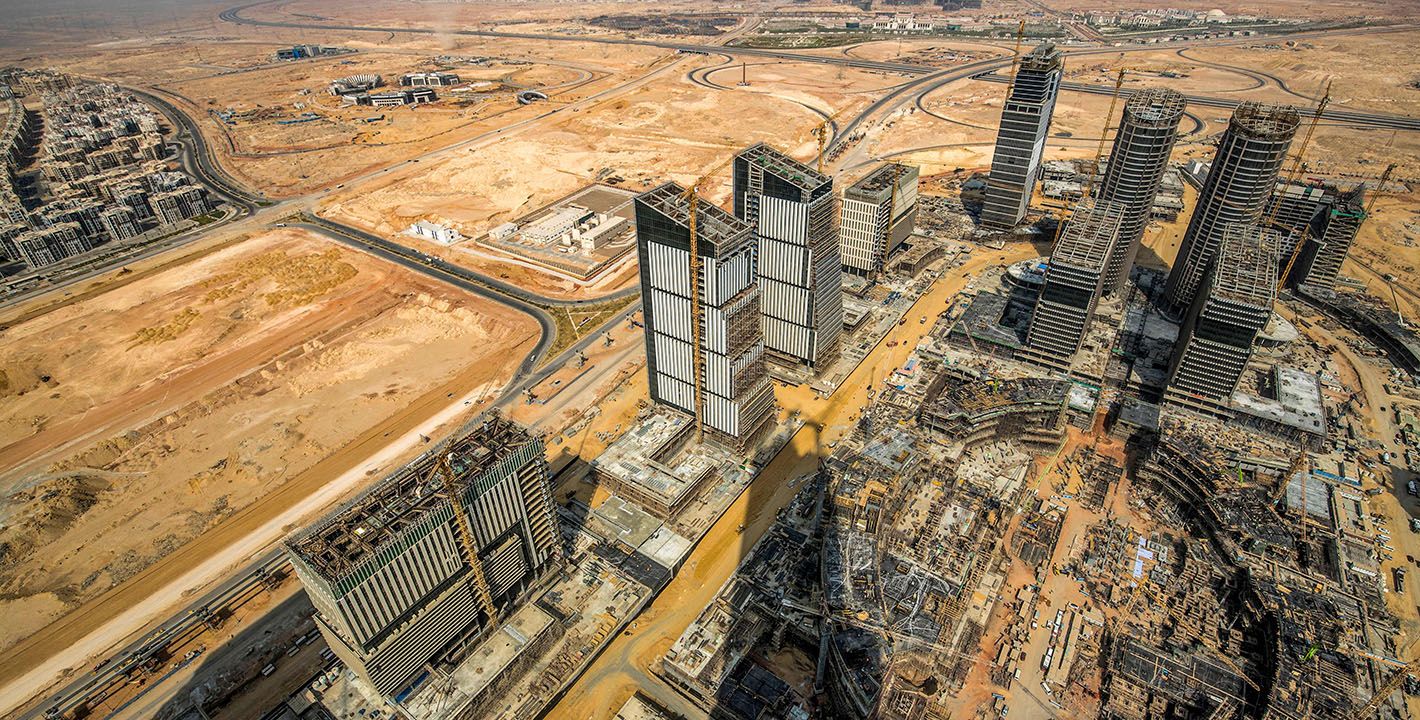
Mustaqbal Misr has expanded its portfolio with remarkable speed, but a lack of transparency remains.
Yezid Sayigh
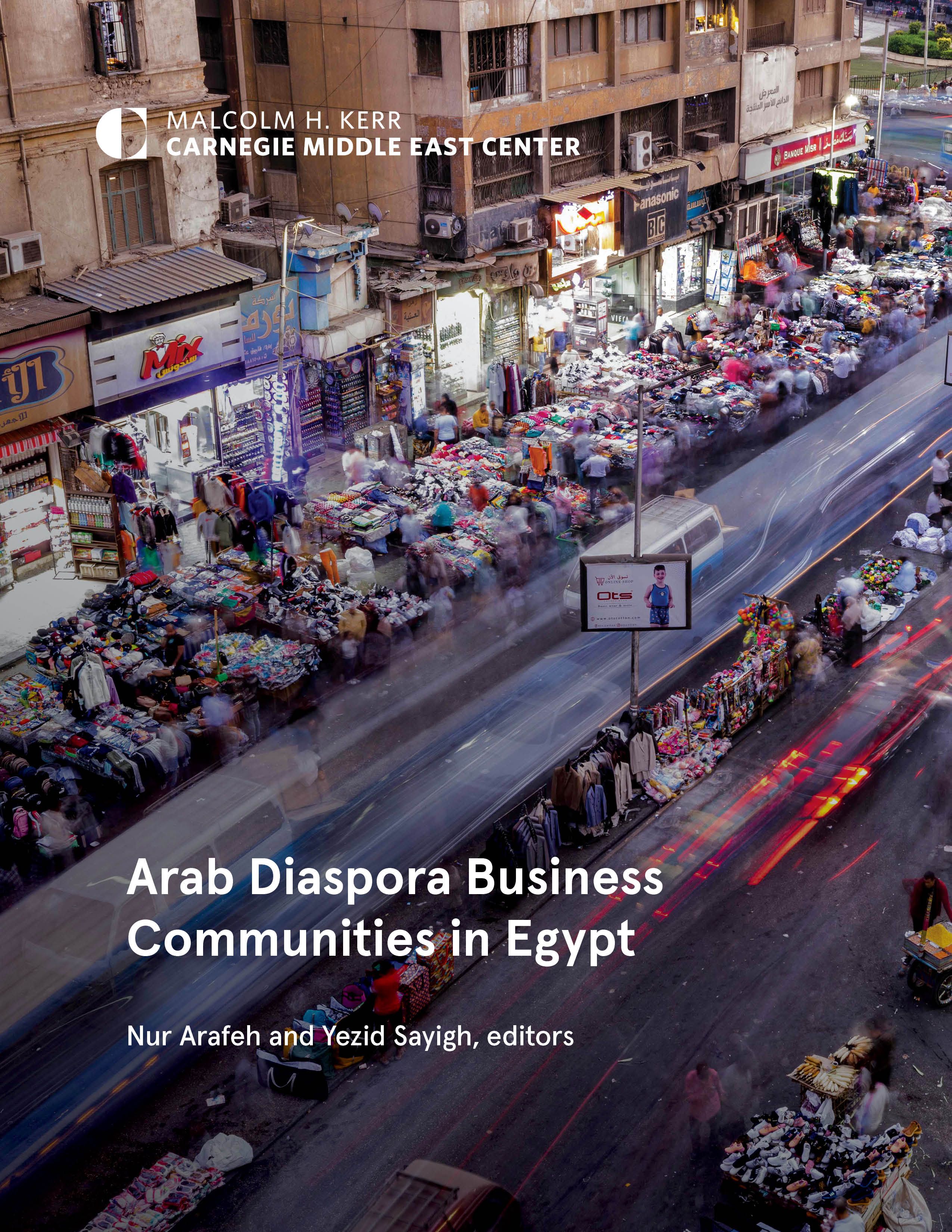
Arab diaspora business communities in Egypt often mirror the same systemic challenges facing Egyptian businesses.
Nur Arafeh, Yezid Sayigh, Qaboul al-Absi, …
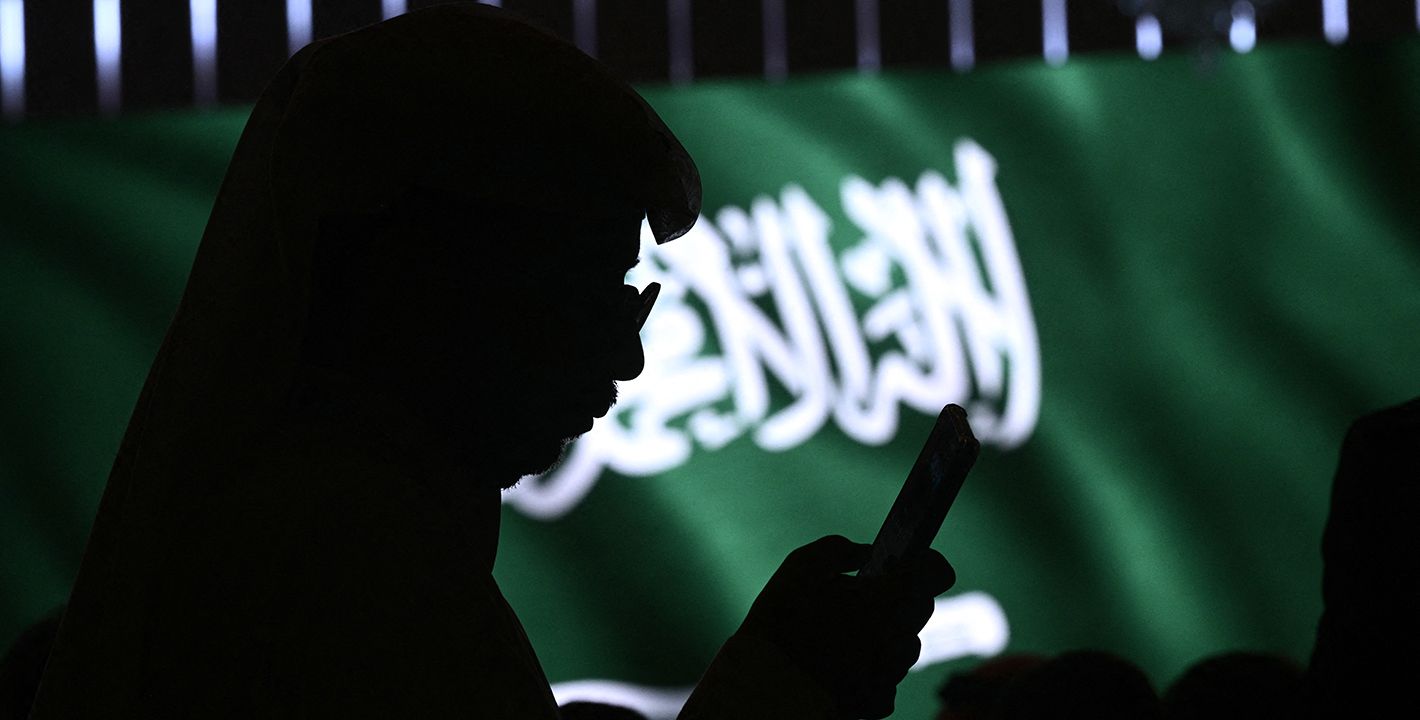
Largely characterized thus far by a single-minded focus on extractivism, Riyadh must commit to greater equitability in its approach to investment and development deals with Sudan, Ethiopia, and Eritrea.

Hesham Alghannam