

• Research
  • Diwan
  • About
  • Experts
Carnegie Middle East logoCarnegie lettermark logo
PalestineSyria
From Violence to Moderation: Al-Jama'a al-Islamiya and al-Jihad

Source: Getty

Paper
Malcolm H. Kerr Carnegie Middle East Center

From Violence to Moderation: Al-Jama'a al-Islamiya and al-Jihad

Recognition by Egypt's leading Jihadists that violence has failed to achieve political change and in fact has been counterproductive has led them to a remarkable change of course.

Link Copied
By Amr Hamzawy and Sarah Grebowski
Published on Apr 29, 2010

Additional Links

Full Text
Recognition by Egypt’s leading Jihadists that violence has failed to achieve political change and in fact has been counterproductive has led them to a remarkable change of course, concludes a paper by Amr Hamzawy and Sarah Grebowski.
 
After years of violent confrontation with the Egyptian government and society, and defeat by the country’s security forces, al-Jama‘a al-Islamiya and, later, segments of al-Jihad have accepted their failure to radically change society and politics, and to recognize the harm that their violent activities—formerly justified using religious concepts—have inflicted on Muslims and non-Muslims alike. These developments have given rise to a Jihadi revisionism that renounces violence and redefines attitudes toward the state, politics, and society.
 
The same Islamic concepts that once were used to justify violence have been redefined to sanction and urge nonviolent social and political activism. Revisionist documents outline a careful cost-benefit analysis that effectively rules out the use of violence to achieve the groups’ goals. A variety of factors prevent al-Jama‘a and al-Jihad from fully implementing these reformed views, such as the Egyptian regime’s refusal to allow members of either group to reintegrate into the country’s political and social fabric and al-Jihad’s specific challenge of disseminating revisionist ideas throughout its fragmented movement that still largely condones violence. However, Jihadi revisionism has led both groups to forego violence and shifted Egypt’s Islamist spectrum toward moderation.
 

About the Authors

Amr Hamzawy

Director, Middle East Program

Amr Hamzawy is a senior fellow and the director of the Carnegie Middle East Program. His research and writings focus on governance in the Middle East and North Africa, social vulnerability, and the different roles of governments and civil societies in the region.

Sarah Grebowski

Carnegie Middle East Center

Authors

Amr Hamzawy
Director, Middle East Program
Amr Hamzawy
Sarah Grebowski
Carnegie Middle East Center
North AfricaEgyptPolitical Reform

Carnegie does not take institutional positions on public policy issues; the views represented herein are those of the author(s) and do not necessarily reflect the views of Carnegie, its staff, or its trustees.

More Work from Malcolm H. Kerr Carnegie Middle East Center

  • Commentary
    Diwan
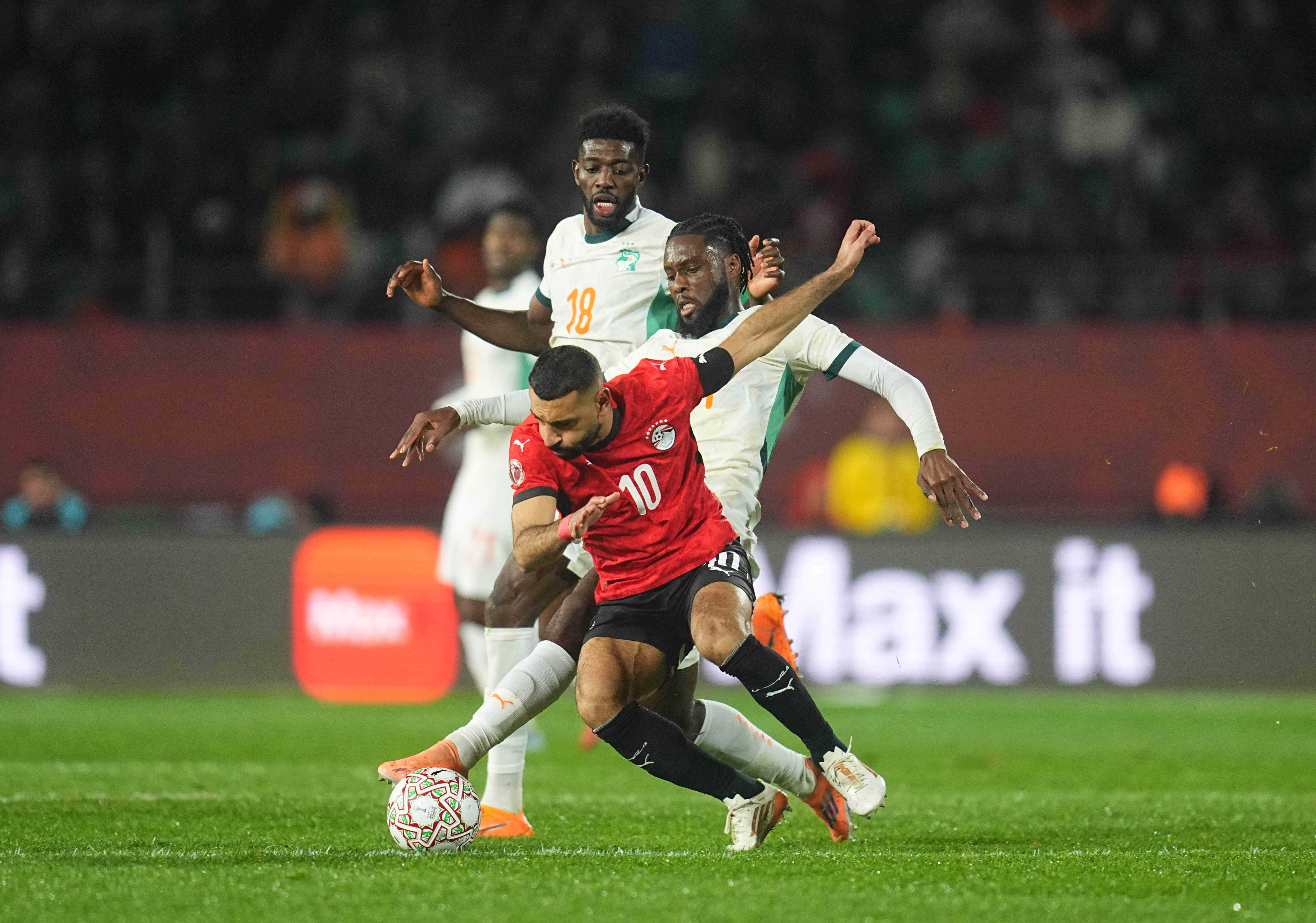
    When Football Is More Than Football

    The recent African Cup of Nations tournament in Morocco touched on issues that largely transcended the sport.

      Issam Kayssi, Yasmine Zarhloule

  • Article
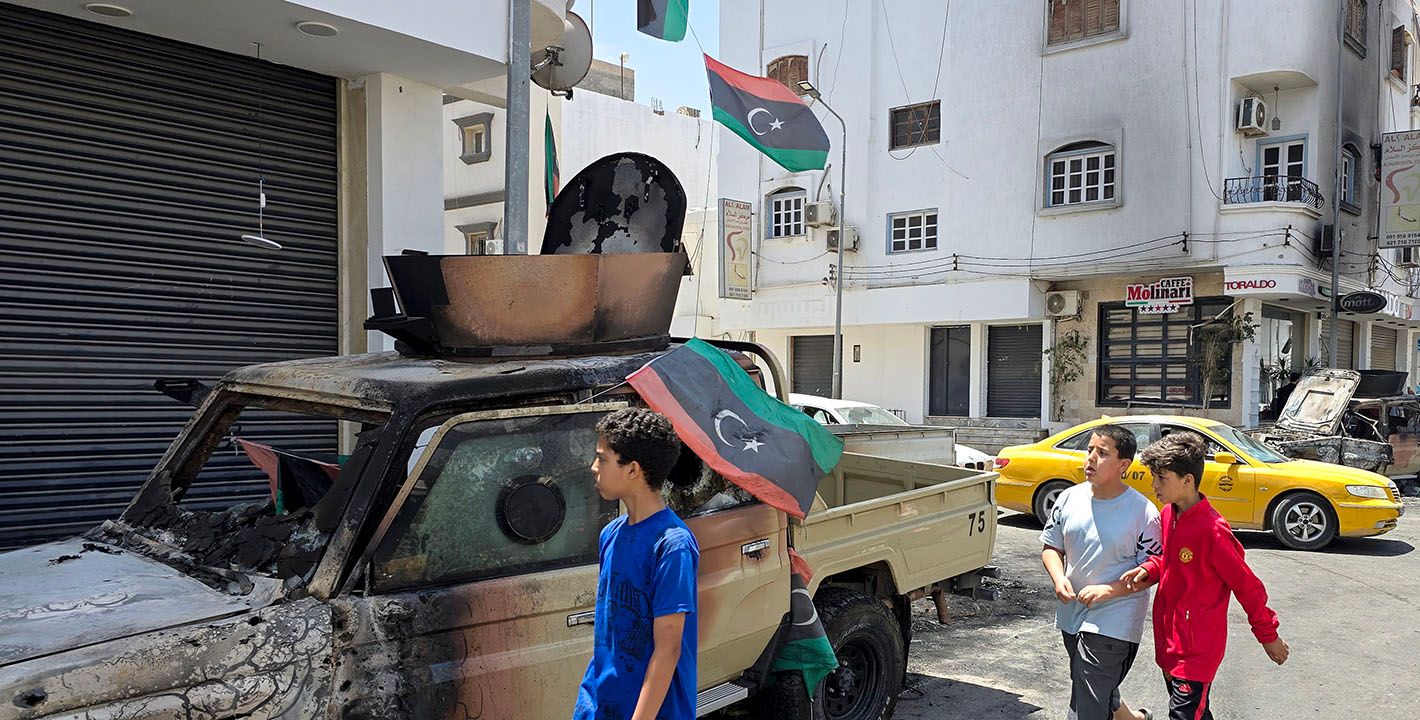
    Rethinking Power-Sharing Agreements in Libya

    The UN Support Mission in the country should reassess its approach so that consensus between the warring parties becomes the eventual goal, rather than a procedural matter that dogs the negotiating process at every turn.

      Soraya Rahem

  • Commentary
    Diwan
    Has Sisi Found a Competent Military Entrepreneur?

    Mustaqbal Misr has expanded its portfolio with remarkable speed, but a lack of transparency remains.

      Yezid Sayigh

  • Commentary
    Diwan
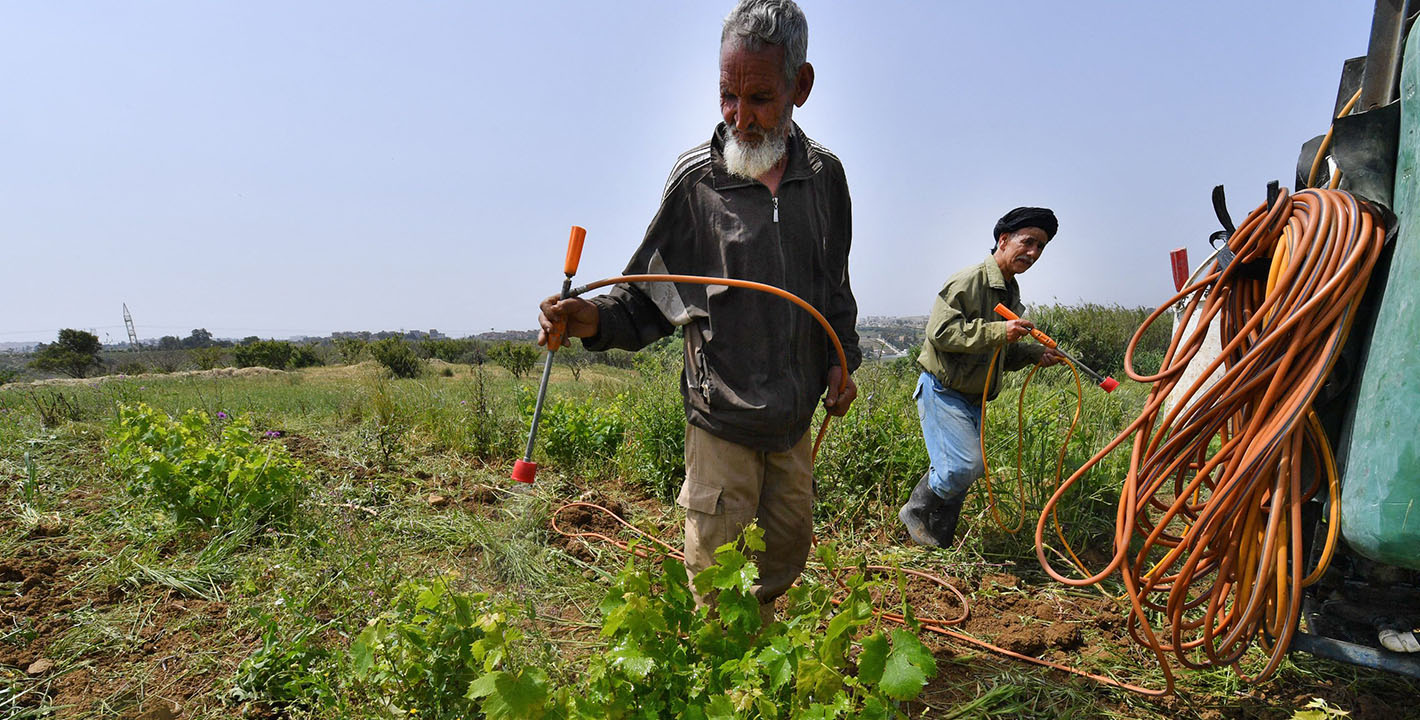
    Women, Water, and Adaptation in Ait Khabbash

    The burden of environmental degradation is felt not only through physical labor but also emotional and social loss.

      Yasmine Zarhloule, Ella Williams

  • Article
    Between Marginalization and Climate Change: The Resilience of Morocco’s Ait Khabbash

    For the traditionally nomadic Amazigh pastoralists in the Draa-Tafilalet region, environmental change has exacerbated long-standing inequities, forcing the community to adapt, which has laid bare the blind spots of state-centered climate policy frameworks.

      Yasmine Zarhloule, Ella Williams

Get more news and analysis from
Malcolm H. Kerr Carnegie Middle East Center
Carnegie Middle East logo, white
  • Research
  • Diwan
  • About
  • Experts
  • Projects
  • Events
  • Contact
  • Careers
  • Privacy
  • For Media
Get more news and analysis from
Malcolm H. Kerr Carnegie Middle East Center
© 2026 Carnegie Endowment for International Peace. All rights reserved.