• Research
  • Diwan
  • About
  • Experts
Carnegie Middle East logoCarnegie lettermark logo
LebanonIran
Reinterpreting China’s Success Through the New Economic Geography

Source: Getty

Paper
Carnegie China

Reinterpreting China’s Success Through the New Economic Geography

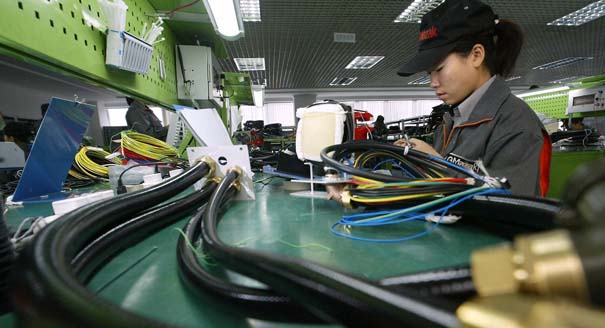
China has capitalized on its huge population and geographic size to become the world’s most efficient assembler and exporter of manufactured goods, but China’s transformation is now reaching a critical turning point.

Link Copied
By Yukon Huang
Published on Nov 10, 2010

Additional Links

Full Text

China has capitalized on its huge population and geographic size to become the world’s most efficient assembler and exporter of manufactured goods, but China’s transformation is now reaching a critical turning point.

In a paper, Yukon Huang explains how China relied on lower transportation costs and a concentration of economic activities to foster rapid—albeit unbalanced—growth. If China builds on its recent success and adopts a more flexible exchange rate system, the four major policy questions that are now dominating the debate over China’s economic future can be answered as follows:

  • Will China’s economic growth slow down in the coming years? Lower investment rates and reduced trade surpluses point to slower GDP growth, but if China can increase productivity and consumption, the decline will be modest. Such an outcome would be more sustainable and beneficial to workers.

  • Is an appreciation of the yuan in the interest of the United States or China? A major one-time revaluation of the yuan would not be in the interests of the United States or China, but greater flexibility—in both directions—is in the interests of China and indirectly of America and the rest of the world.

  • Will China’s growth be driven by exports, investment, or consumption? A healthier balance between all three will be restored. Wages and consumption rise as a share of income, with investment declining to more sustainable levels. Trade surpluses will moderate but remain positive.

  • Can China continue to grow quickly while also reducing income inequalities? As growth centers shift gradually inland, poorer rural inhabitants move to the cities, and wages rise, income disparities will decline.

“Forces are now coming into play that will reshape China’s economic landscape during the coming years in ways that should help harmonize the impact on the global economy of China’s growth, which currently is rattling global trade and commodity markets,” writes Huang.    

About the Author

Yukon Huang

Senior Fellow, Asia Program

Huang is a senior fellow in the Carnegie Asia Program where his research focuses on China’s economy and its regional and global impact.

    Recent Work

  • Commentary
    Three Takeaways From the Biden-Xi Meeting

      Yukon Huang, Isaac B. Kardon, Matt Sheehan
  • Commentary
    Europe Narrowly Navigates De-risking Between Washington and Beijing

      Yukon Huang, Genevieve Slosberg

Yukon Huang
Senior Fellow, Asia Program
Yukon Huang
East AsiaChinaNorth AmericaEconomyTrade

Carnegie does not take institutional positions on public policy issues; the views represented herein are those of the author(s) and do not necessarily reflect the views of Carnegie, its staff, or its trustees.

More Work from Malcolm H. Kerr Carnegie Middle East Center

  • Commentary
    Diwan
    Unpacking Lebanon’s Gap Law

    In an interview, Ishac Diwan looks at the merits and flaws in the draft legislation distributing losses from the financial collapse.

      Michael Young
  • Commentary
    Diwan
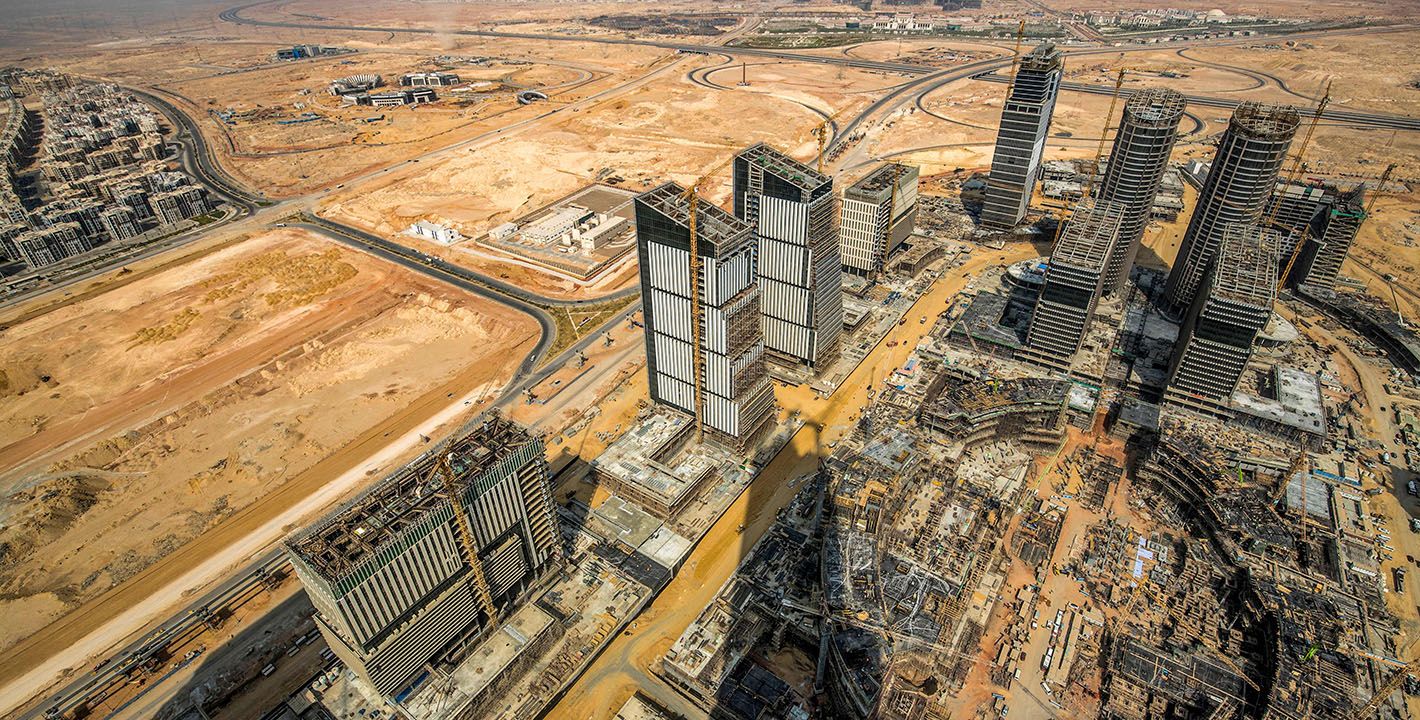
    Has Sisi Found a Competent Military Entrepreneur?

    Mustaqbal Misr has expanded its portfolio with remarkable speed, but a lack of transparency remains.

      Yezid Sayigh

  • Research
    Arab Diaspora Business Communities in Egypt

    Arab diaspora business communities in Egypt often mirror the same systemic challenges facing Egyptian businesses.

      • +4

      Nur Arafeh, Yezid Sayigh, Qaboul al-Absi, …

  • Article
    Saudi Arabia in Africa: Sound Economic and Geopolitical Strategy, or Resource Exploitation?

    Largely characterized thus far by a single-minded focus on extractivism, Riyadh must commit to greater equitability in its approach to investment and development deals with Sudan, Ethiopia, and Eritrea.

      Hesham Alghannam

  • A picture taken from a position at the Israeli border with the Gaza Strip shows the destruction due to Israeli bombardment in the besieged Palestinian territory on May 18, 2025
    Article
    Destruction, Disempowerment, and Dispossession: Disaster Capitalism and the Postwar Plans for Gaza

    Once Israel’s war in the territory is brought to an end, the foundational principles guiding reconstruction should be Palestinian self-determination, local agency, and sovereignty.

      Nur Arafeh, Mandy Turner

Get more news and analysis from
Malcolm H. Kerr Carnegie Middle East Center
Carnegie Middle East logo, white
  • Research
  • Diwan
  • About
  • Experts
  • Projects
  • Events
  • Contact
  • Careers
  • Privacy
  • For Media
Get more news and analysis from
Malcolm H. Kerr Carnegie Middle East Center
© 2026 Carnegie Endowment for International Peace. All rights reserved.