

• Research
  • Diwan
  • About
  • Experts
Carnegie Middle East logoCarnegie lettermark logo
LebanonIran
Looking for Help: Will Rising Democracies Become International Democracy Supporters?

Source: Getty

Paper

Looking for Help: Will Rising Democracies Become International Democracy Supporters?

Rising democracies from the developing world have the potential to assist and revitalize international democracy support. Encouraging these countries to do more to support democracy abroad should be a priority, but it will not be easy.

Link Copied
By Thomas Carothers and Richard Youngs
Published on Jul 12, 2011

Additional Links

Full Text
Project hero Image

Project

Rising Democracies Network

The Carnegie Rising Democracies Network is a research network of leading experts on democracy and foreign policy, dedicated to examining the growing role of non-Western democracies in international democracy support and conflict issues. The Rising Democracies Network is carried out in partnership with the Robert Bosch Stiftung, and with additional support from the Ford Foundation and the UK Foreign, Commonwealth and Development Office.

Learn More

The emergence of a multipolar world gives Western democracy advocates cause for both optimism and anxiety. China’s success sparks fears of the spread of an autocratic development model. Yet democratic states such as Brazil, Indonesia, India, South Africa, and Turkey are also gaining ground. These countries serve as powerful examples of the universal appeal of democracy and possess unique experiences with democratization. The United States and Europe understandably hope that rising democracies will use their growing prominence to defend democratic values abroad, potentially revitalizing international democracy support. 

Rising democracies, however, are often reluctant to publicly embrace a democracy and human rights agenda. Most of them are exponents of the pro-sovereignty, anti-interventionist approach to international politics. They emphasize inclusive cooperation among developing countries and are disinclined to confront autocratic leaders. They are also habitually wary of Western, especially U.S., intentions in the developing world and thus frequently suspicious of Western democracy promotion.

Western powers should not dismiss the potential contribution that rising democracies can make to democracy support, but they should moderate their expectations and proceed with caution. They should start building cooperation with rising democracies through low-visibility, sustained endeavors rather than high-visibility, short-term gestures. Western actors must also be flexible in considering rising democracies’ differing conceptions of how best to support democracy. Support for partnerships between nongovernmental actors in established and rising democracies may offer the best way forward.

An engaged but balanced Western approach is the best option for encouraging rising democracies to play a productive role in the challenge of responding to the serious backlash against international democracy support that emerged over the last decade.

About the Authors

Thomas Carothers

Harvey V. Fineberg Chair for Democracy Studies; Director, Democracy, Conflict, and Governance Program

Thomas Carothers, director of the Carnegie Endowment for International Peace’s Democracy, Conflict, and Governance Program, is a leading expert on comparative democratization and international support for democracy.

Richard Youngs

Senior Fellow, Democracy, Conflict, and Governance Program

Richard Youngs is a senior fellow in the Democracy, Conflict, and Governance Program, based at Carnegie Europe. He works on EU foreign policy and on issues of international democracy.

Authors

Thomas Carothers
Harvey V. Fineberg Chair for Democracy Studies; Director, Democracy, Conflict, and Governance Program
Thomas Carothers
Richard Youngs
Senior Fellow, Democracy, Conflict, and Governance Program
Richard Youngs
Political ReformDemocracy

Carnegie does not take institutional positions on public policy issues; the views represented herein are those of the author(s) and do not necessarily reflect the views of Carnegie, its staff, or its trustees.

More Work from Malcolm H. Kerr Carnegie Middle East Center

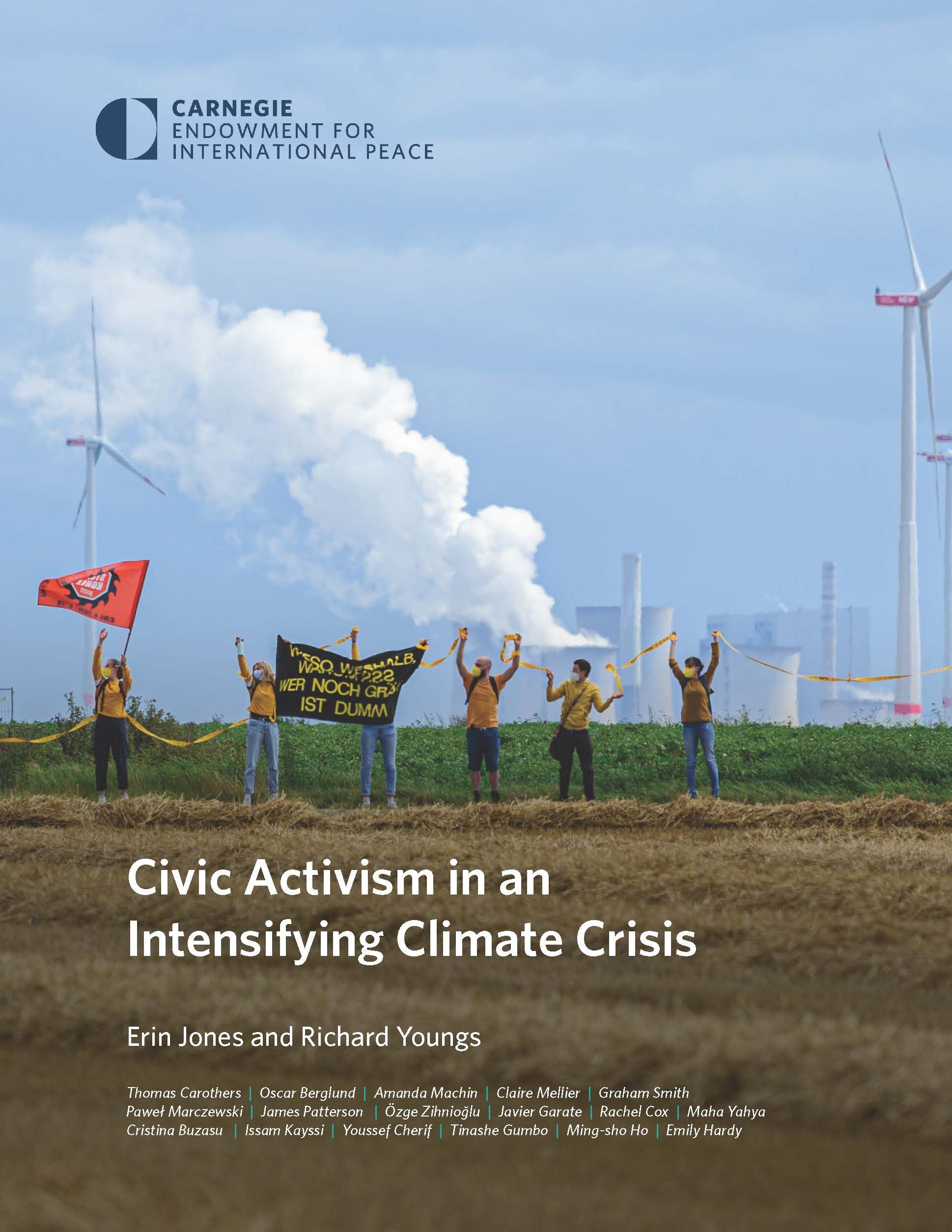
  • Civic Activisim in an Intensifying Climate Crisis
    Research
    Civic Activism in an Intensifying Climate Crisis

    To address the deepening climate crisis, climate activism is employing a wider variety of tactics and aiming at a broader set of goals. In response, the movement faces stronger repression and civic backlash against climate action.

      Erin Jones, Richard Youngs
  • Commentary
    Sada
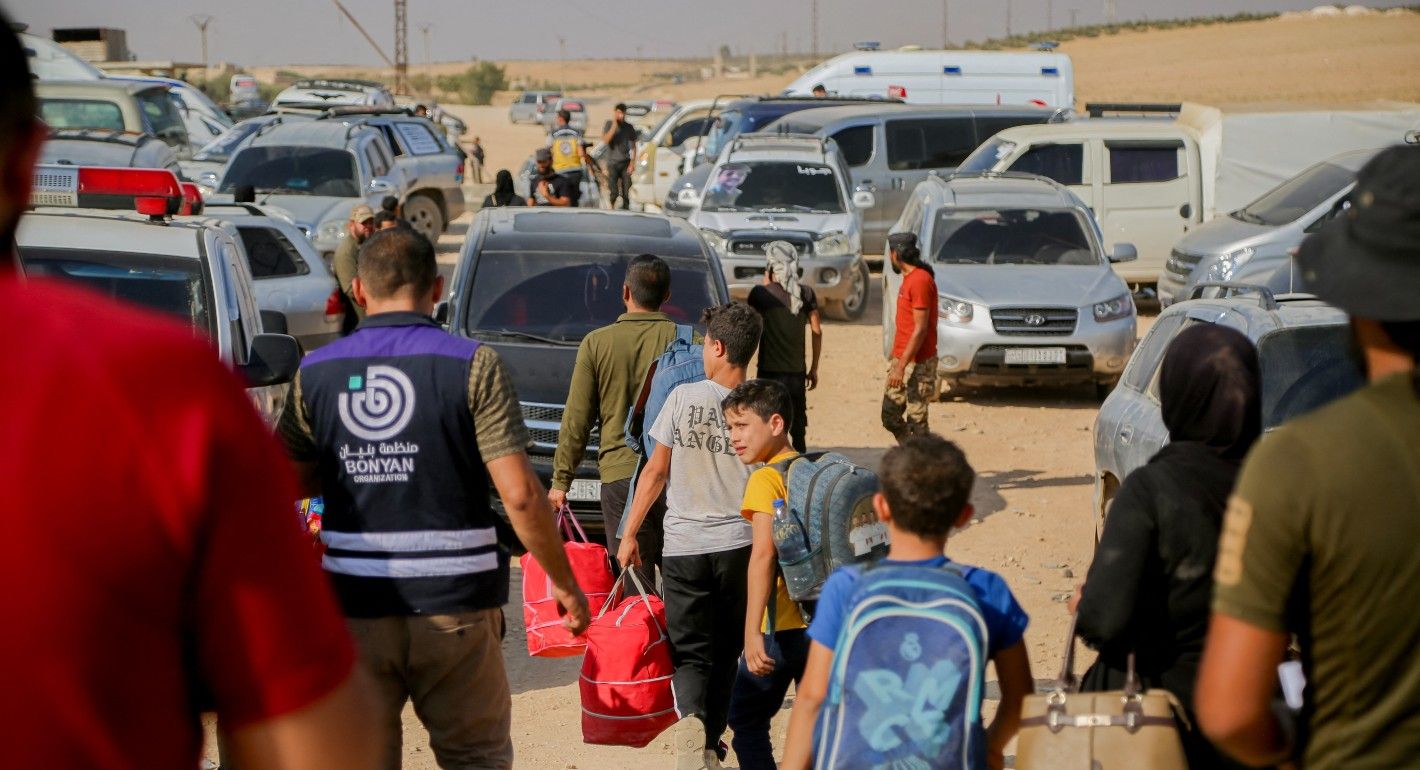
    Navigating Danger: Syrian Refugees in Lebanon Risk Returning

    A humanitarian crisis in Lebanon deepens, and Syrian refugees face a perilous choice: remain in a war-torn environment or return to Syria where they risk encountering significant dangers and discrimination. There are significant challenges and risks to their search for safety in Syria.

      Haid Haid

  • Paper
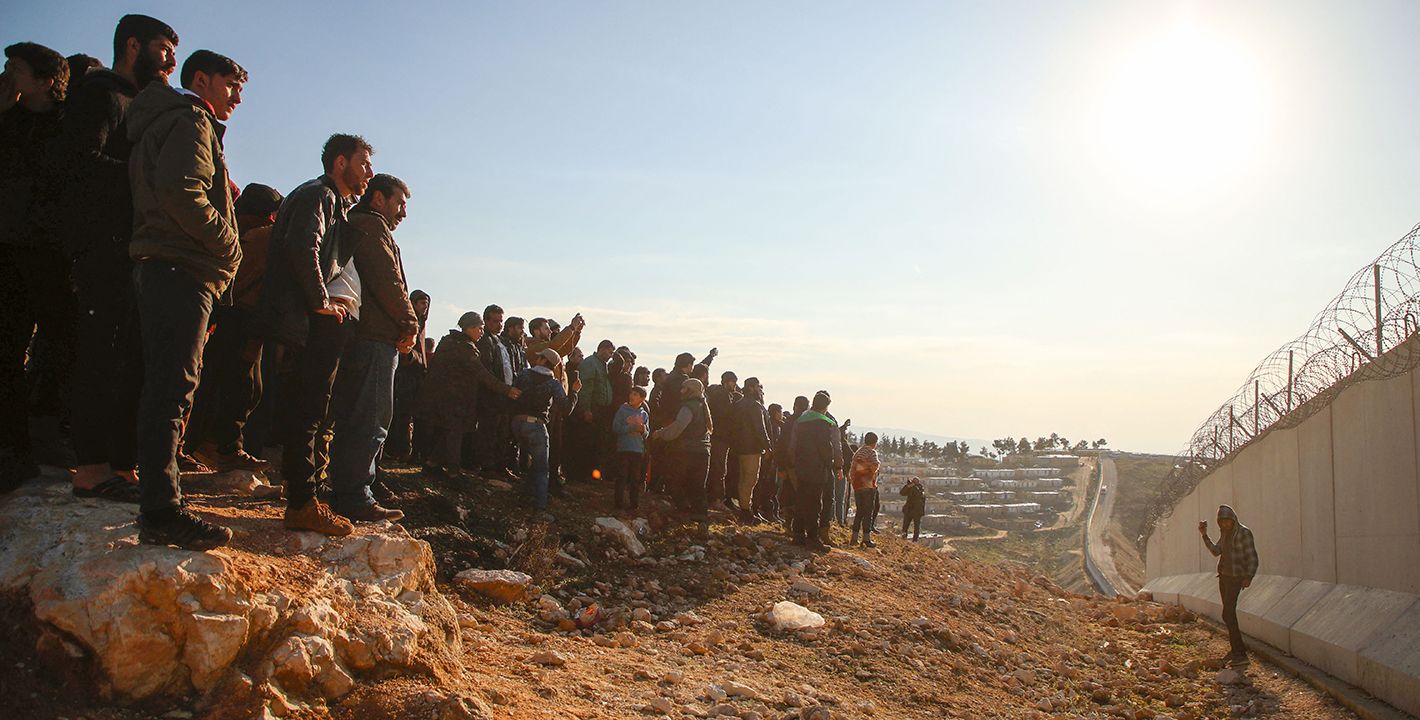
    Borders Without a Nation: Syria, Outside Powers, and Open-Ended Instability

    In Syria’s border regions, changes in demographics, economics, and security mean that an inter-Syrian peace process will require consensus among main regional powers that Syria must remain united, that no one side can be victorious, and that perennial instability threatens the region.

      Kheder Khaddour, Armenak Tokmajyan

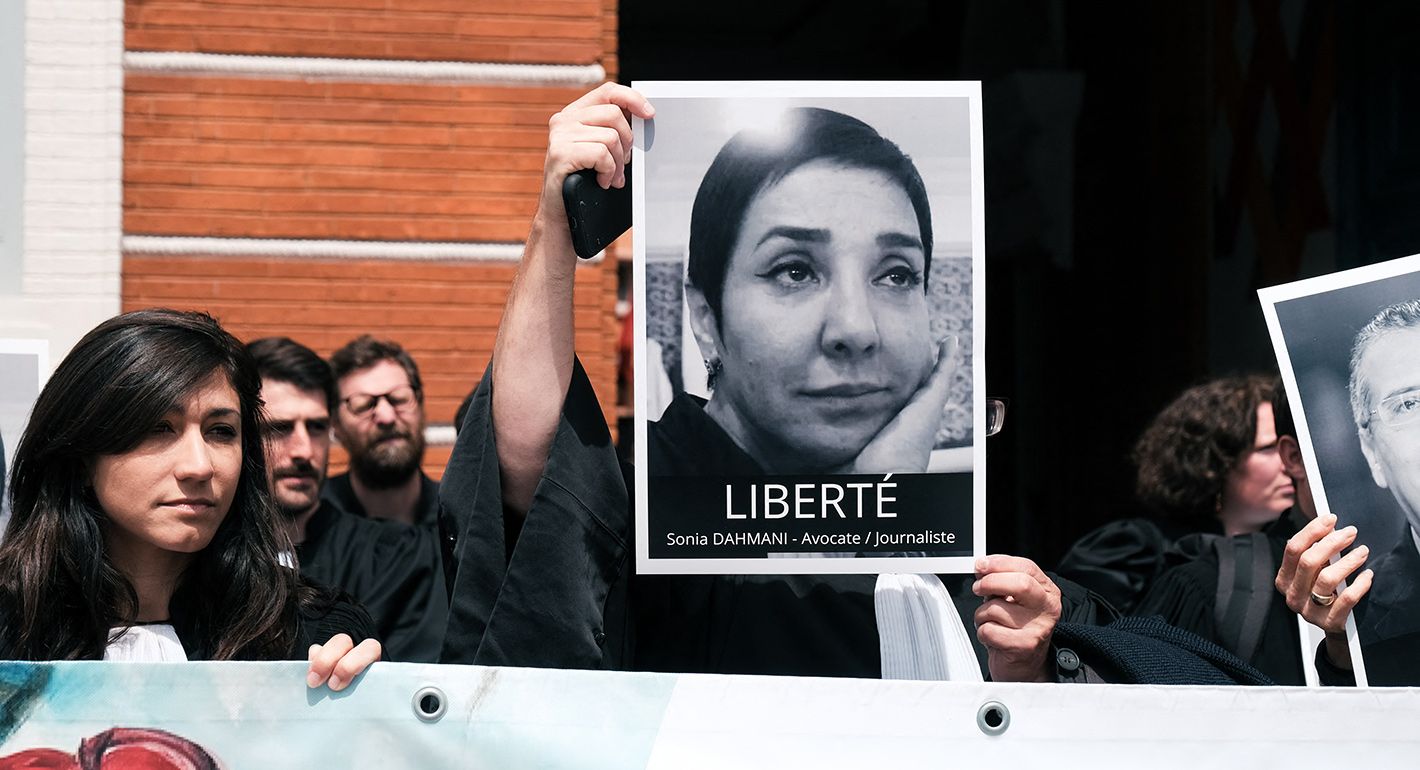
  • Rally organized by lawyers from the Toulouse Bar to protest against the arrest of their Tunisian colleague Sonia Dahmani and journalists, in front of the consulate in Toulouse, southwest of France, on May 16, 2024
    Commentary
    Diwan
    Why Tunisia Lost Faith in Democracy

    For many in the society, the post-Ben Ali years were mainly about successive economic crises and political instability.

      Jasmine Khelil

  • Commentary
    Sada
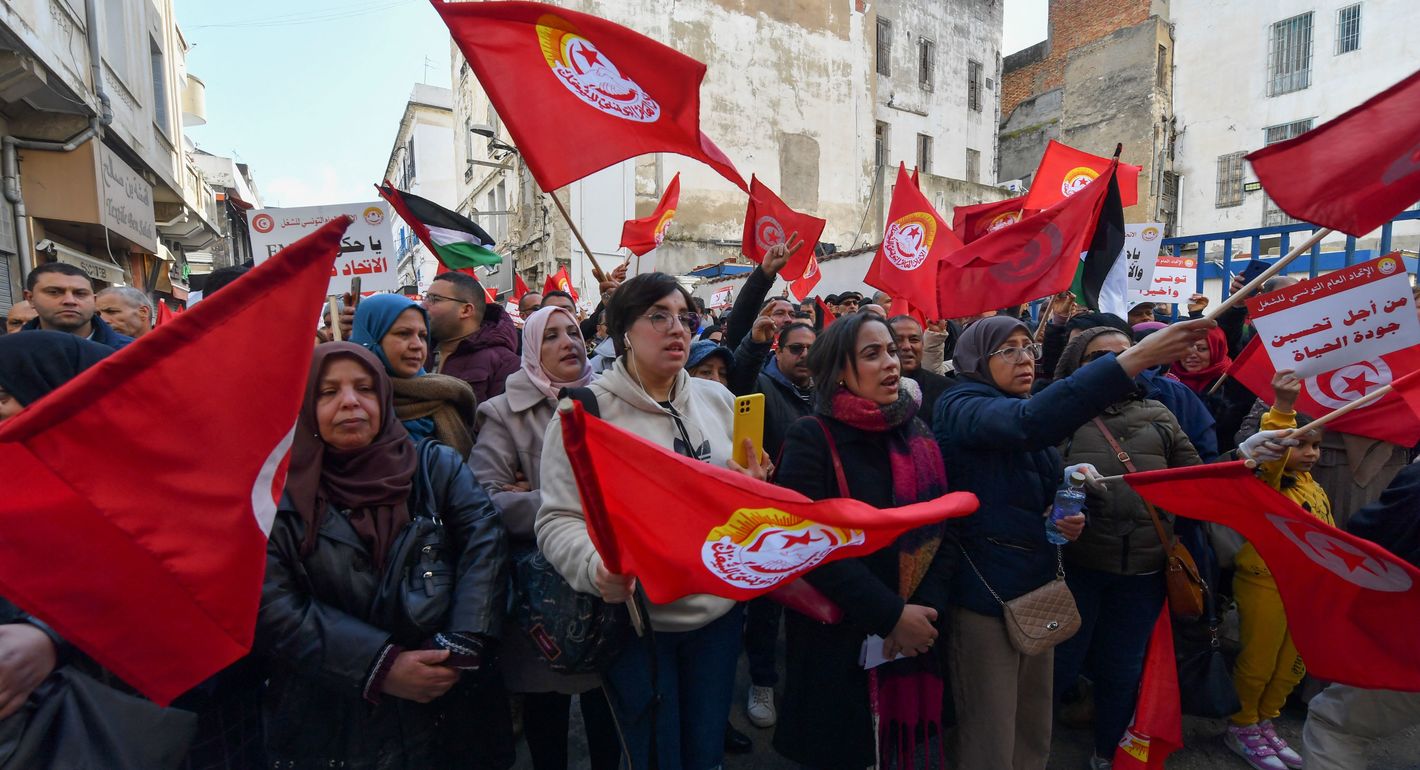
    Tunisian Trade Union Women: Agents of Change

    As members, organizers, and leaders, women continue to play an important role in the General Union of Tunisian Workers and advance its political advocacy.


      Heba F El-Shazli

Get more news and analysis from
Malcolm H. Kerr Carnegie Middle East Center
Carnegie Middle East logo, white
  • Research
  • Diwan
  • About
  • Experts
  • Projects
  • Events
  • Contact
  • Careers
  • Privacy
  • For Media
Get more news and analysis from
Malcolm H. Kerr Carnegie Middle East Center
© 2026 Carnegie Endowment for International Peace. All rights reserved.