

Paper
Ibrahim Saif, Ahmed Ghoneim
Source: Getty
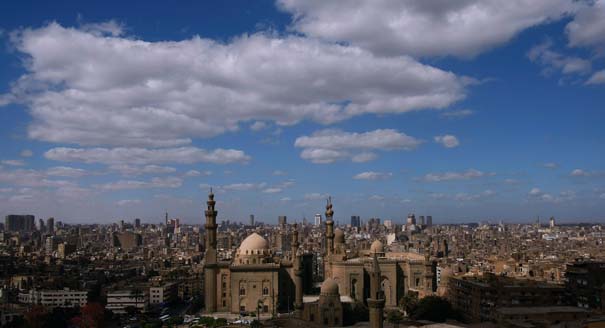
The Egyptian transitional government's reactive economic measures are placing added pressure on an already unsustainable budget deficit. Combined with the maintenance of economically inefficient subsidies, the long-term implications of continued poor economic policymaking could be severe.
The Egyptian economy is going through a critical period as the country transitions to democracy. While the shift from authoritarianism is certainly welcome, it has inevitably incited instability unknown to Egypt for the past thirty years. The implementation of economic reform amid this uncertainty is particularly challenging as political demands take precedence. The state attempted several times to revive the Egyptian economy since the Infitah, or “open door,” policy initiated by President Anwar Sadat in the mid-1970s. Successive, though unsuccessful, reform programs during the 1990s contributed to the pervasive poverty that served as a central driver of the 2011 Egyptian revolution and persists today. Past experiences can provide useful lessons for what to avoid in the future, even if they are unable to impart what exactly should be done.
A successful transition to democracy can be facilitated by a sound economy and the economic well-being of citizens. Indeed, the transitional government led by the Supreme Council of the Armed Forces (SCAF) that is managing the country until the parliamentary and presidential elections are held is facing tremendous challenges. Yet it has unwisely rushed to fulfill the populist demands of the revolution with little consideration of their long-term effects. While perhaps politically expedient, reactive measures—such as the government’s recent increase in the public-sector minimum wage and the extension of fixed contracts to 450,000 public employees—are nonetheless placing added pressure on an already unsustainable budget deficit. Combined with the maintenance of economically inefficient subsidies, the long-term implications of continued poor economic policymaking will be severe.
The Egyptian economy has been in decline since Hosni Mubarak stepped down in February 2011, in part because of the instability inherent in transitioning states, which in this case was amplified by the global downturn. The effects of the current slowdown are most visible in terms of domestic consumption, direct private investment, and tourism. To reverse these recent trends and to move the economy forward as a whole, the transitional government must prioritize the following in the short term:
In the medium term after the parliamentary and presidential elections, the government needs to:
Addressing these problems and implementing the short- and medium-term measures outlined above will help put the economy back on track and avert the expansion of public expenditure to even further unsustainable levels. Until now, the transitional government has failed to take bold steps in the right direction and has not paid adequate attention to the economic aspects of the transition. Egypt has historically fared poorly in governance indicators such as rule of law, quality of business regulations, and corruption associated with ineffective social spending. The result of the poor ratings is misallocation of resources. Consequently, the government could face the worst-case scenario of continued economic decline and a reversion to authoritarianism.
Former Senior Associate, Middle East Center
Saif is an economist specializing in the political economy of the Middle East. His research focuses on international trade and structural adjustment programs in developing countries, with emphasis on Jordan and the Middle East.
Recent Work
Ibrahim Saif, Ahmed Ghoneim
Ibrahim Saif, Muhammad Abu Rumman
Carnegie does not take institutional positions on public policy issues; the views represented herein are those of the author(s) and do not necessarily reflect the views of Carnegie, its staff, or its trustees.
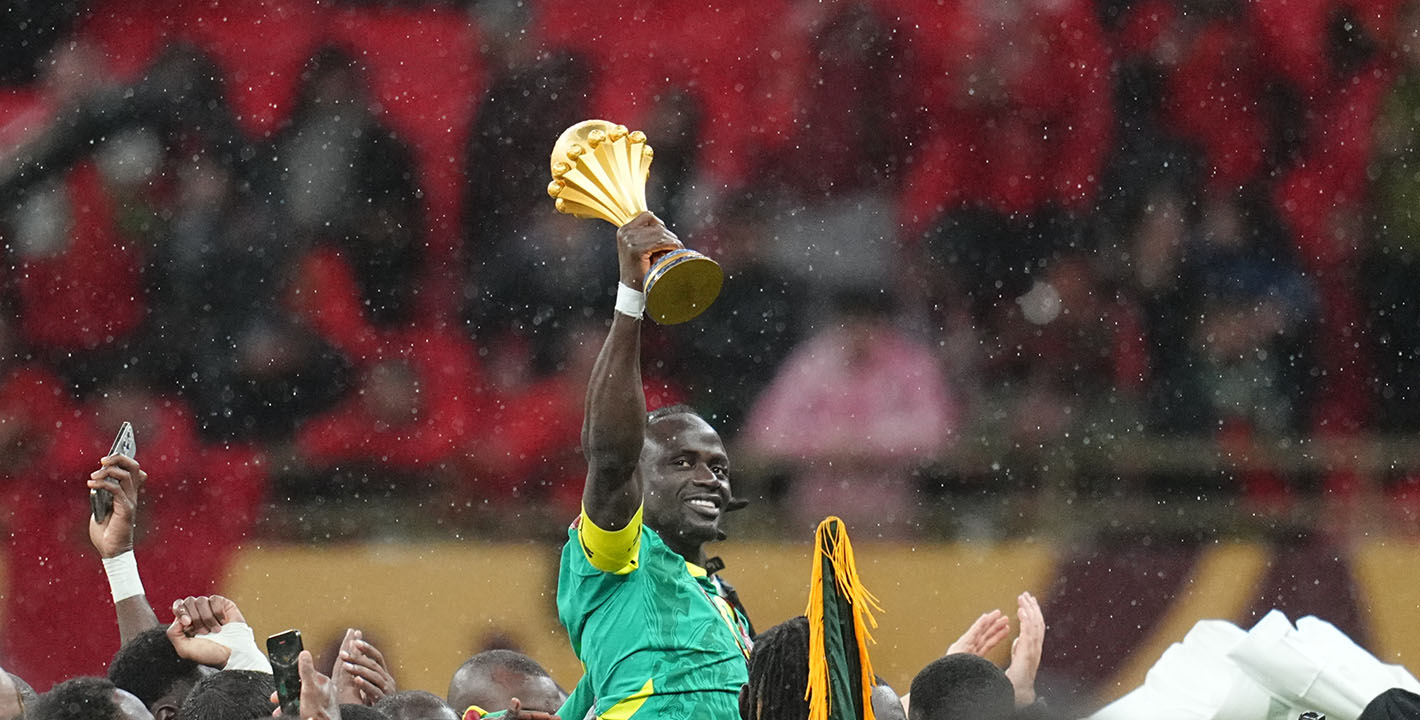
The recent African Cup of Nations tournament in Morocco touched on issues that largely transcended the sport.


Issam Kayssi, Yasmine Zarhloule
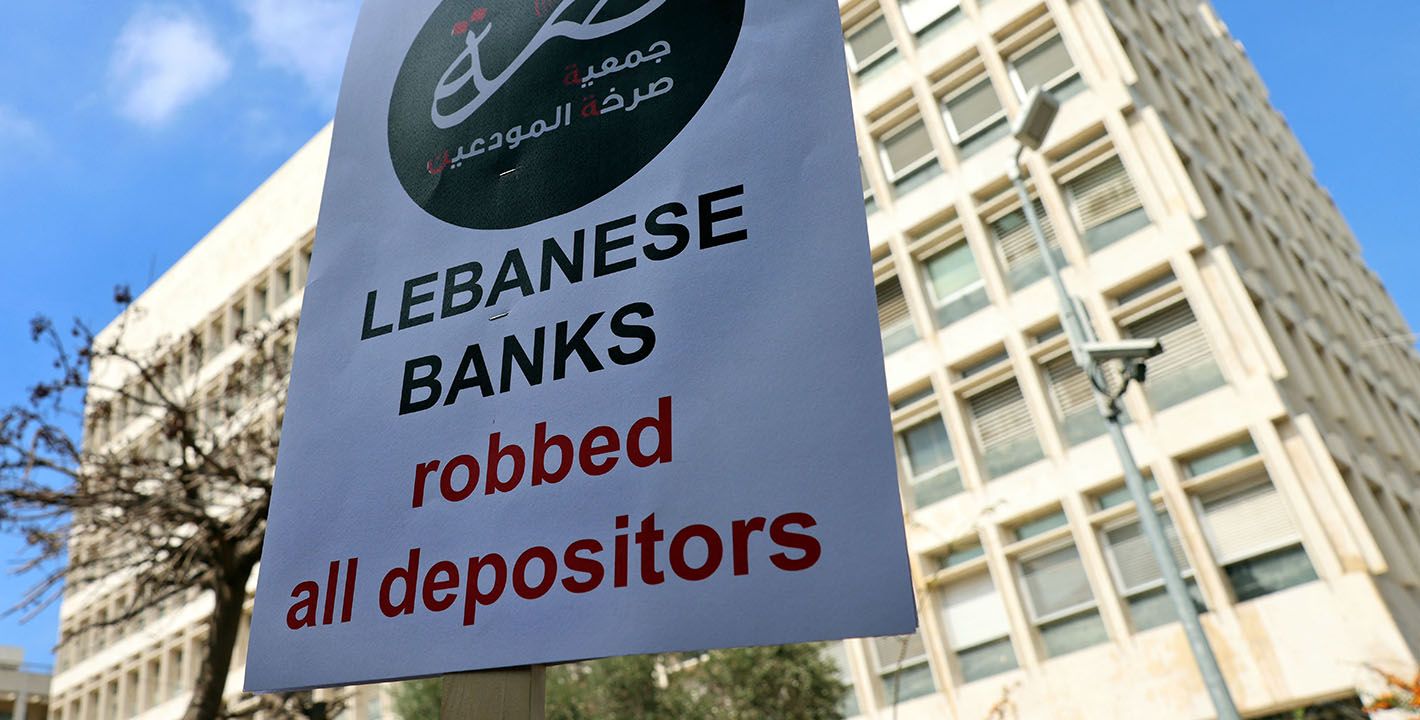
In an interview, Ishac Diwan looks at the merits and flaws in the draft legislation distributing losses from the financial collapse.

Michael Young
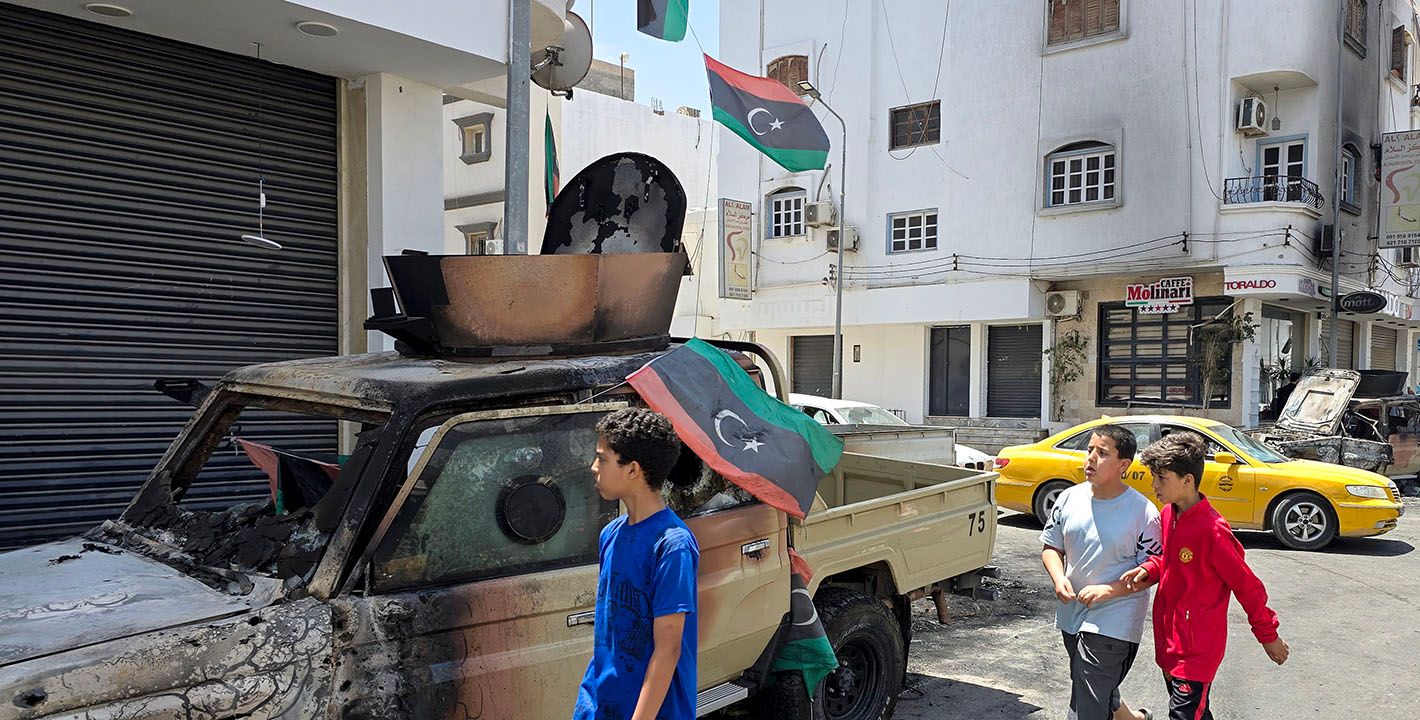
The UN Support Mission in the country should reassess its approach so that consensus between the warring parties becomes the eventual goal, rather than a procedural matter that dogs the negotiating process at every turn.
Soraya Rahem

Mustaqbal Misr has expanded its portfolio with remarkable speed, but a lack of transparency remains.

Yezid Sayigh
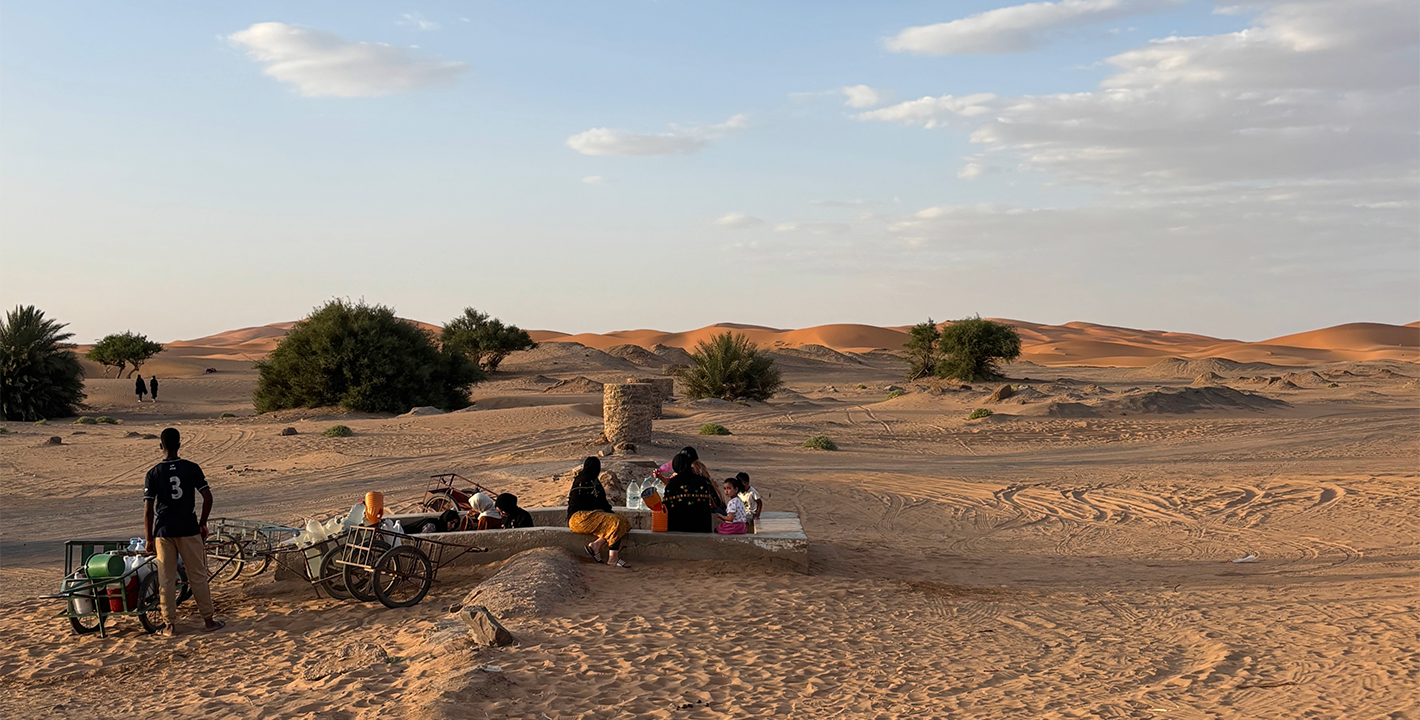
The burden of environmental degradation is felt not only through physical labor but also emotional and social loss.
Yasmine Zarhloule, Ella Williams