

Commentary
Alexey Malashenko

Source: Getty
The ruling class emerged victorious from the recent parliamentary elections in Kazakhstan. But the overconfidence of Kazakh leaders means that all economic, social, and political issues, including the question of power transition, remain unresolved. The leadership may soon face a political storm.
The president of Kazakhstan, Nursultan Nazarbayev, elegantly defined the parliamentary elections that took place in his country on January 15 as “a test” for the republic. It seems he is almost right, since the ruling class was examined according to its performance in “controlling the society.” The exam, though, was not as easy this time around.
During the previous elections, ruling Nur Otan was the only party to get into the lower house of parliament (the Mazhilis), and certainly that did not look elegant. Thus, in January 2012, Nazarbayev and his team decided to make the Mazhilis more diverse by letting two additional parties in: Ak Zhol and the Communist People’s Party of Kazakhstan. The former is regarded as Nur Otan’s peripheral unit, rather than its sparring partner, while the Communist People’s Party is a toothless political force branded as “moderate opposition” only for the sake of decorum. Regardless, Nur Otan obtained 80 percent of votes.
However, for the Kazakh “kingdom,” last year was not as “splendid” as previous ones. It saw the bloody events in Zhanaozen (where at least sixteen people were killed after an oil workers’ strike turned deadly) that are often compared to the 2005 crackdown on the revolt in Andijan, Uzbekistan, which was likewise bloodily suppressed by the Uzbek government. Last year saw an unprecedented rise in radical Islamists’ activities within the country. And the regime also began to be perceived more critically by the population of Kazakhstan.
News from abroad—both “far” and “near”—became an additional source of concern. In the far abroad—Egypt, Tunisia, Libya, and Yemen—regimes that once seemed eternal suddenly crumbled. Analogies were quick to emerge: some post-Soviet leaders have been in power longer than their Arab counterparts. Speculations about why some people can overthrow dictators and others cannot seem only natural in this context.
In the near abroad—Russia—nobody has yet been overthrown, but society is increasingly demanding more change, including the replacement of key political figures. Russian leaders “snarl” at their people but, at the same time, are afraid to ban and disperse opposition rallies. Ultimately, Russia’s ruling regime is facing a question of legitimacy.
In contrast, the Kazakh authorities feel rather confident. They knew before the elections that they would win and that there was no threat of an uprising similar to those in Moscow’s Bolotnaya Square or Sakharov Prospect. The Zhanaozen crisis was an isolated episode that did not trigger a chain reaction but rather boosted the authorities’ confidence. Paradoxically, this tragic event demonstrated that the ruling class was strong enough to retain its power by any means.
The parliamentary elections added a thin facade of respectability to the government. Most important, it became more difficult to challenge the regime’s legitimacy. Thus, the ruling class passed the exam.
But unlike in Russia, Kazakh society did not in fact put its leaders to the test. Despite some criticisms, the people of Kazakhstan still value “stability and peace,” as Nazarbayev put it, more than anything. As a result, all economic, social, and political issues remain unresolved, as well as the important question of power transition.
The current context of stability and peace largely depends on one man—the president himself. However, there is a feeling that today’s political calm might soon turn into a storm. If that happens, it will be much more difficult for the ruling class to emerge victorious.
Former Scholar in Residence, Religion, Society, and Security Program
Malashenko is a former chair of the Carnegie Moscow Center’s Religion, Society, and Security Program.
Recent Work
Alexey Malashenko
Alexey Malashenko
Carnegie does not take institutional positions on public policy issues; the views represented herein are those of the author(s) and do not necessarily reflect the views of Carnegie, its staff, or its trustees.
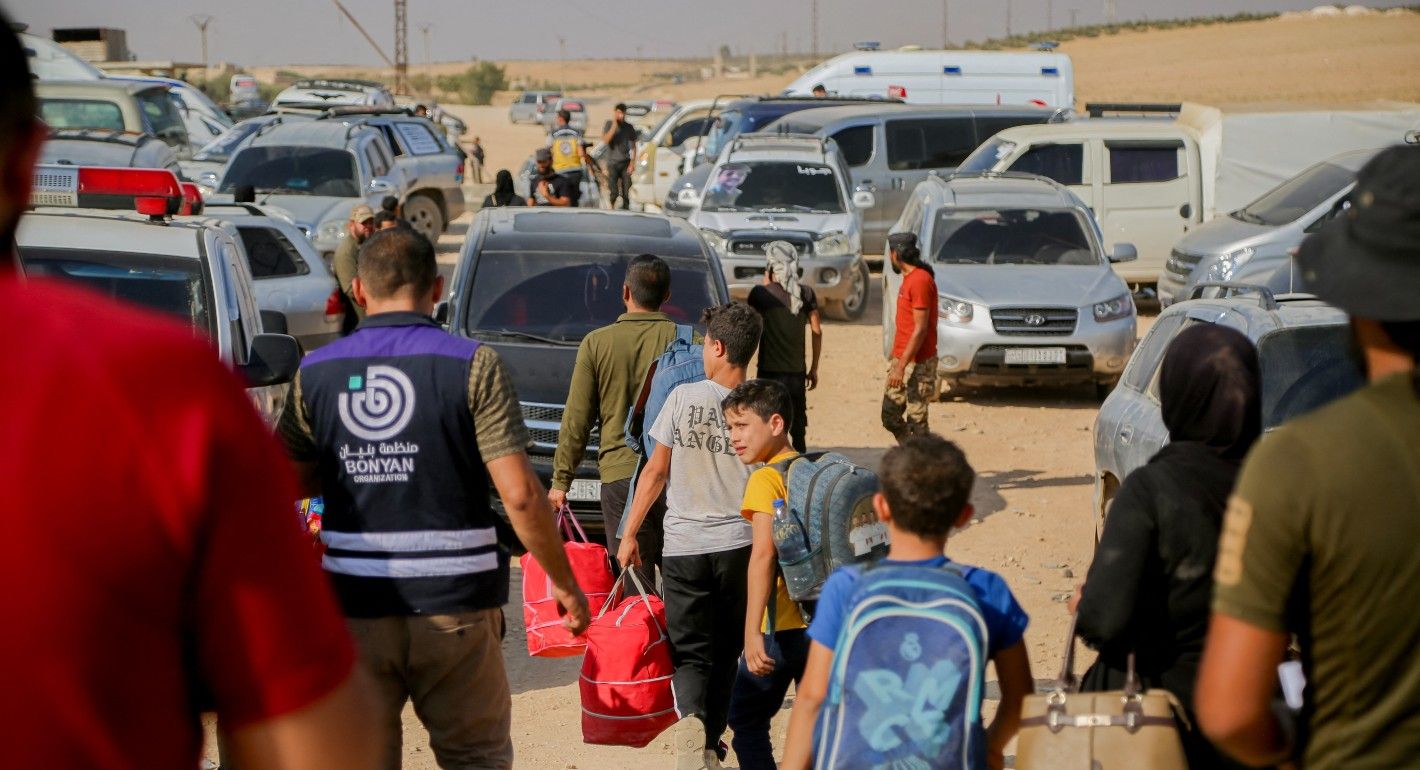
A humanitarian crisis in Lebanon deepens, and Syrian refugees face a perilous choice: remain in a war-torn environment or return to Syria where they risk encountering significant dangers and discrimination. There are significant challenges and risks to their search for safety in Syria.
Haid Haid
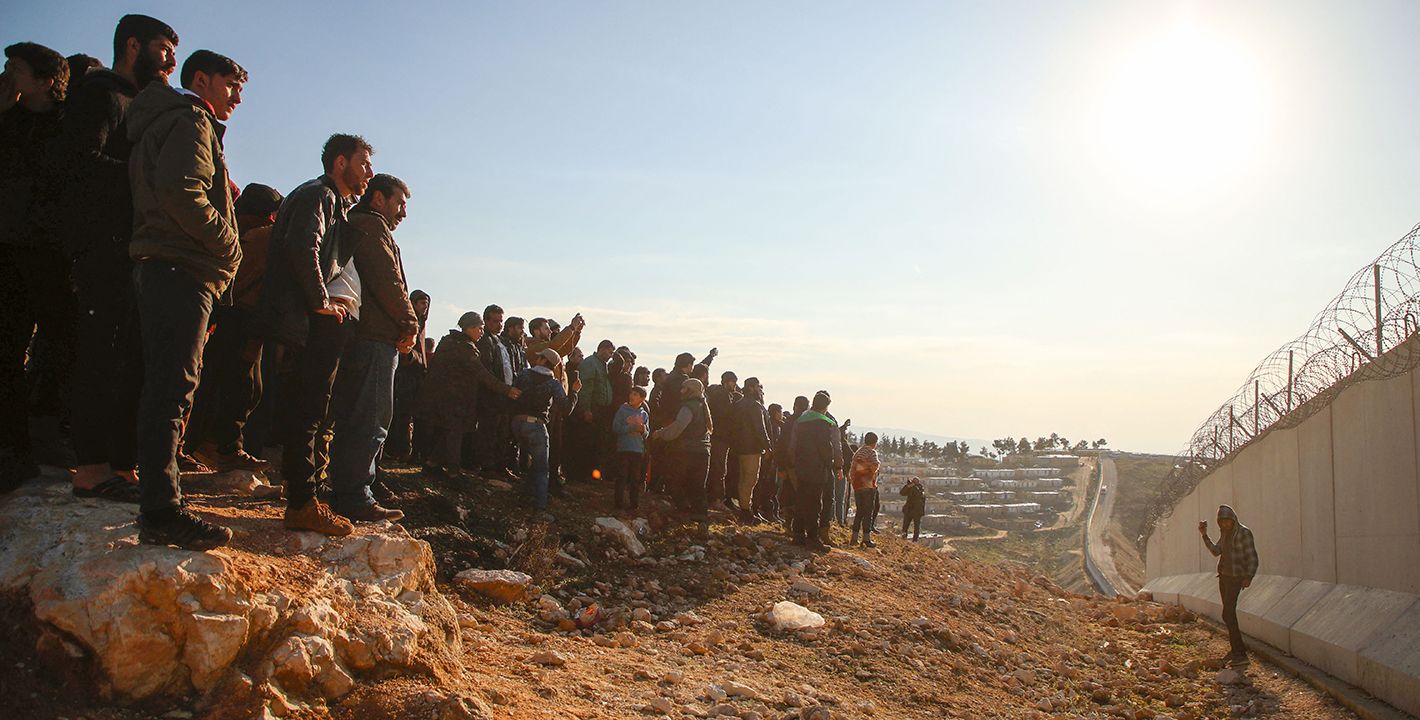
In Syria’s border regions, changes in demographics, economics, and security mean that an inter-Syrian peace process will require consensus among main regional powers that Syria must remain united, that no one side can be victorious, and that perennial instability threatens the region.

Kheder Khaddour, Armenak Tokmajyan
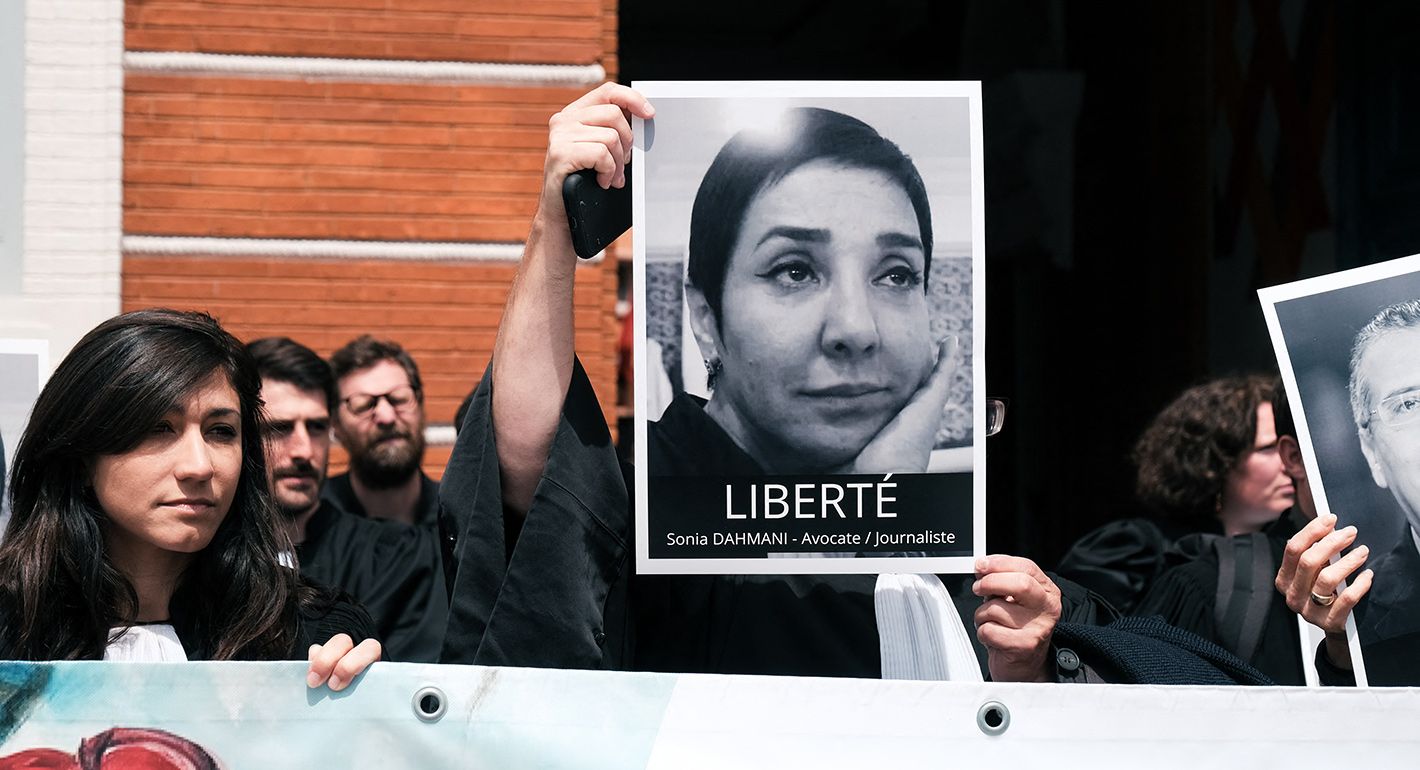
For many in the society, the post-Ben Ali years were mainly about successive economic crises and political instability.
Jasmine Khelil
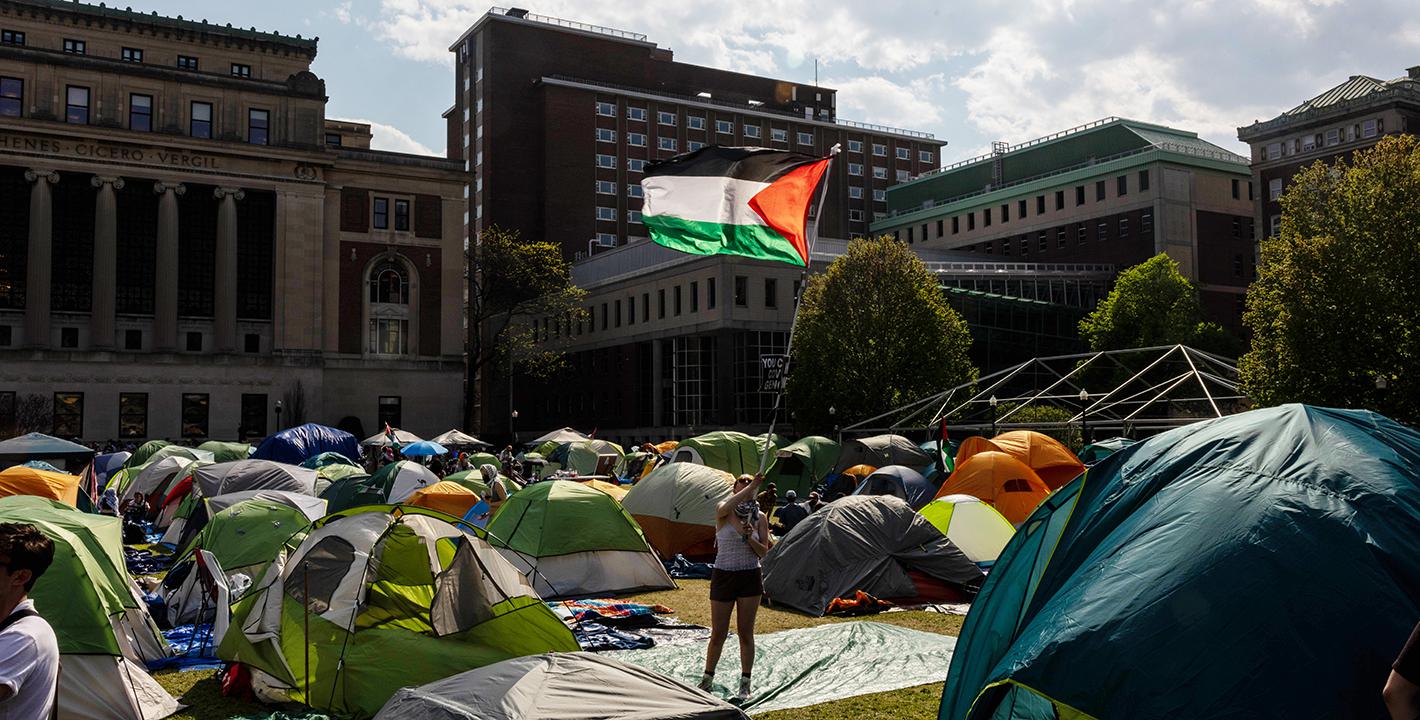
As students around the United States and Europe protest, the relationship of Western elites with Israel is being redefined.

Michael Young
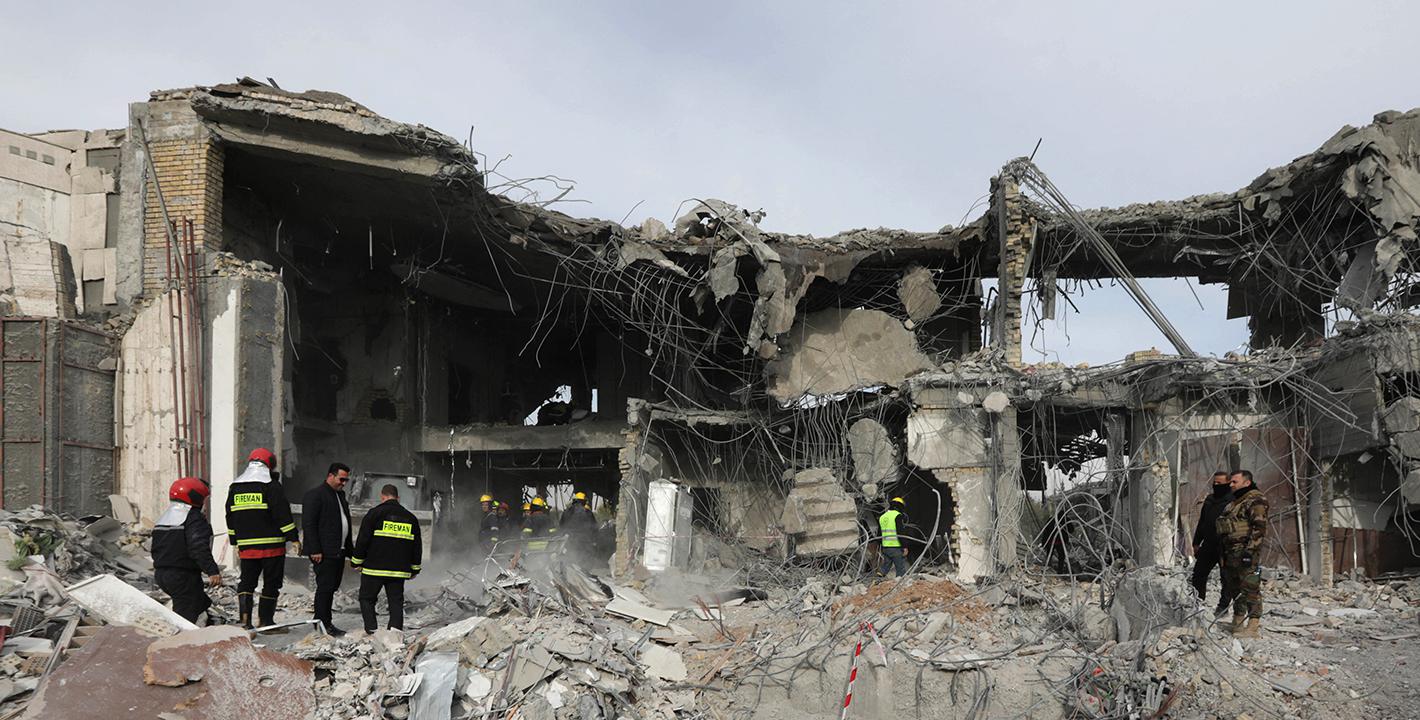
When U.S. Patriots shot down an Iranian missile over Erbil on April 15, Kurds wondered why such defenses weren’t activated when they were attacked.
Wladimir van Wilgenburg