

Commentary
By failing to address Palestinian representation, the current process is bound to lead to just another temporary arrangement.
Nathan J. Brown
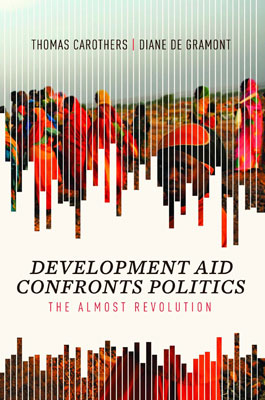
The overdue recognition that development in all sectors is an inherently political process is driving international aid providers to try to learn how to think and act politically.
Source: Carnegie Endowment for International Peace
A new lens on development is changing the world of international aid. The overdue recognition that development in all sectors is an inherently political process is driving aid providers to try to learn how to think and act politically.
Major donors are pursuing explicitly political goals alongside their traditional socioeconomic aims and introducing more politically informed methods throughout their work. Yet these changes face an array of external and internal obstacles, from heightened sensitivity on the part of many aid-receiving governments about foreign political interventionism to inflexible aid delivery mechanisms and entrenched technocratic preferences within many aid organizations.
This pathbreaking book assesses the progress and pitfalls of the attempted politics revolution in development aid and charts a constructive way forward.
“A hugely insightful book on how the international development community has failed to take politics into account in its efforts to help poor countries, with sometimes disastrous results. Carothers and de Gramont incisively chronicle the evolution of thinking on this critical topic and set out a practical agenda for how aid practitioners can do better.”
—Francis Fukuyama, author, The Origins of Political Order
“The assertion that development aid is, or should be, political, sparks widely diverging reactions, from outrage at crude Western interference to recognition that aid must understand domestic politics. The authors have done us all a service by rigorously dissecting the different meanings of politics in aid and providing a clear understanding of what smarter aid practice requires.”
—Mark Malloch-Brown, former minister of state, UK Foreign and Commonwealth Office
“The story of how aid agencies have finally accepted that ‘politics matter’ in shaping development outcomes and what it means in practice is brilliantly told in this penetrating book. The sweep of the authors’ research and the power of their insights will stir scholars and practitioners alike.”
—Adrian Leftwich, research director, Developmental Leadership Program
“The authors bring a great amount of experience, common sense, and clarity to explain what ‘taking politics into account’ means in foreign aid, encompassing goals such as democracy promotion as well as addressing the political economy of economic reform.”
—Dani Rodrik, professor, Kennedy School of Government, Harvard University

Harvey V. Fineberg Chair for Democracy Studies; Director, Democracy, Conflict, and Governance Program
Thomas Carothers, director of the Carnegie Endowment for International Peace’s Democracy, Conflict, and Governance Program, is a leading expert on comparative democratization and international support for democracy.
Diane de Gramont
Former Nonresident Research Analyst, Democracy and Rule of Law Program
Diane de Gramont was a nonresident research analyst in Carnegie’s Democracy and Rule of Law Program.
Carnegie does not take institutional positions on public policy issues; the views represented herein are those of the author(s) and do not necessarily reflect the views of Carnegie, its staff, or its trustees.

By failing to address Palestinian representation, the current process is bound to lead to just another temporary arrangement.

Nathan J. Brown

Morocco and Algeria, each in its own way, are having to navigate the global economic fallout of the U.S.-Israeli military campaign against Iran.

Yasmine Zarhloule
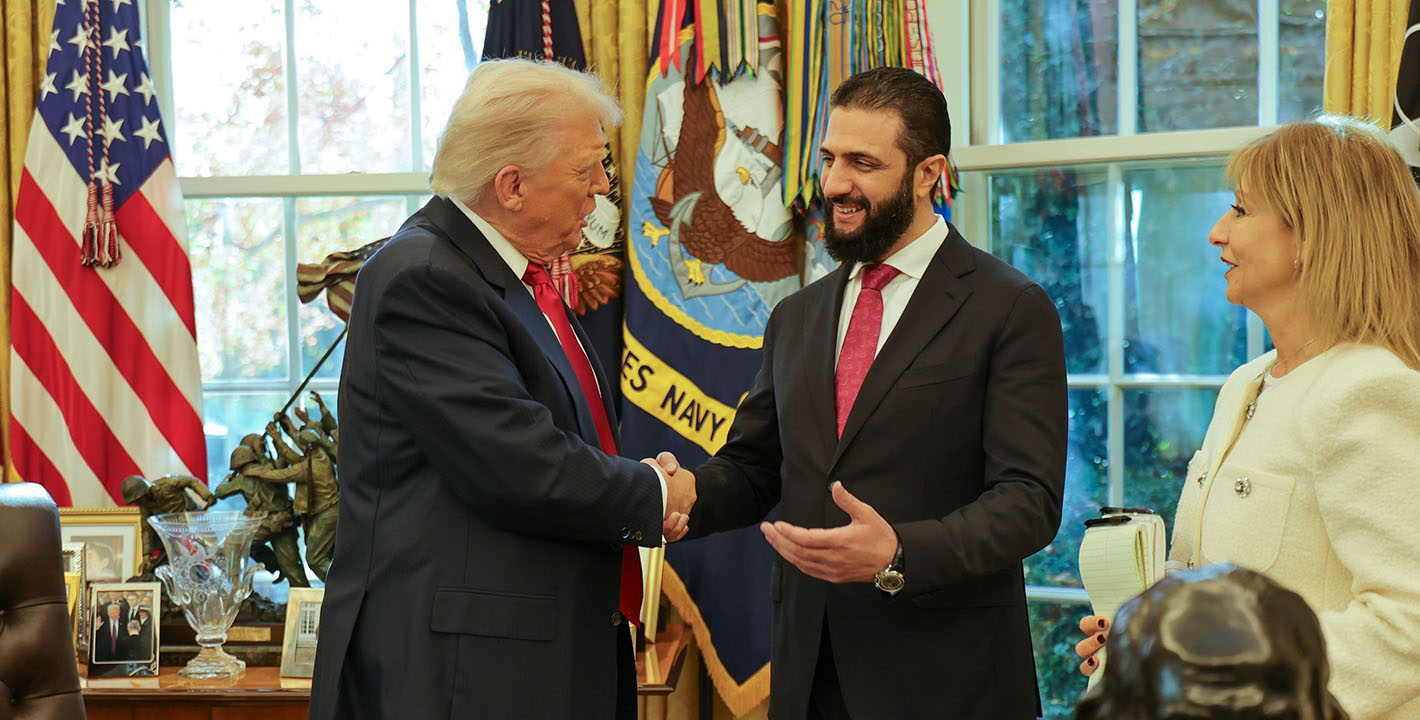
Any move by the United States to make good on Trump’s suggestion that Washington persuade Damascus to confront Hezbollah militarily would have catastrophic consequences.
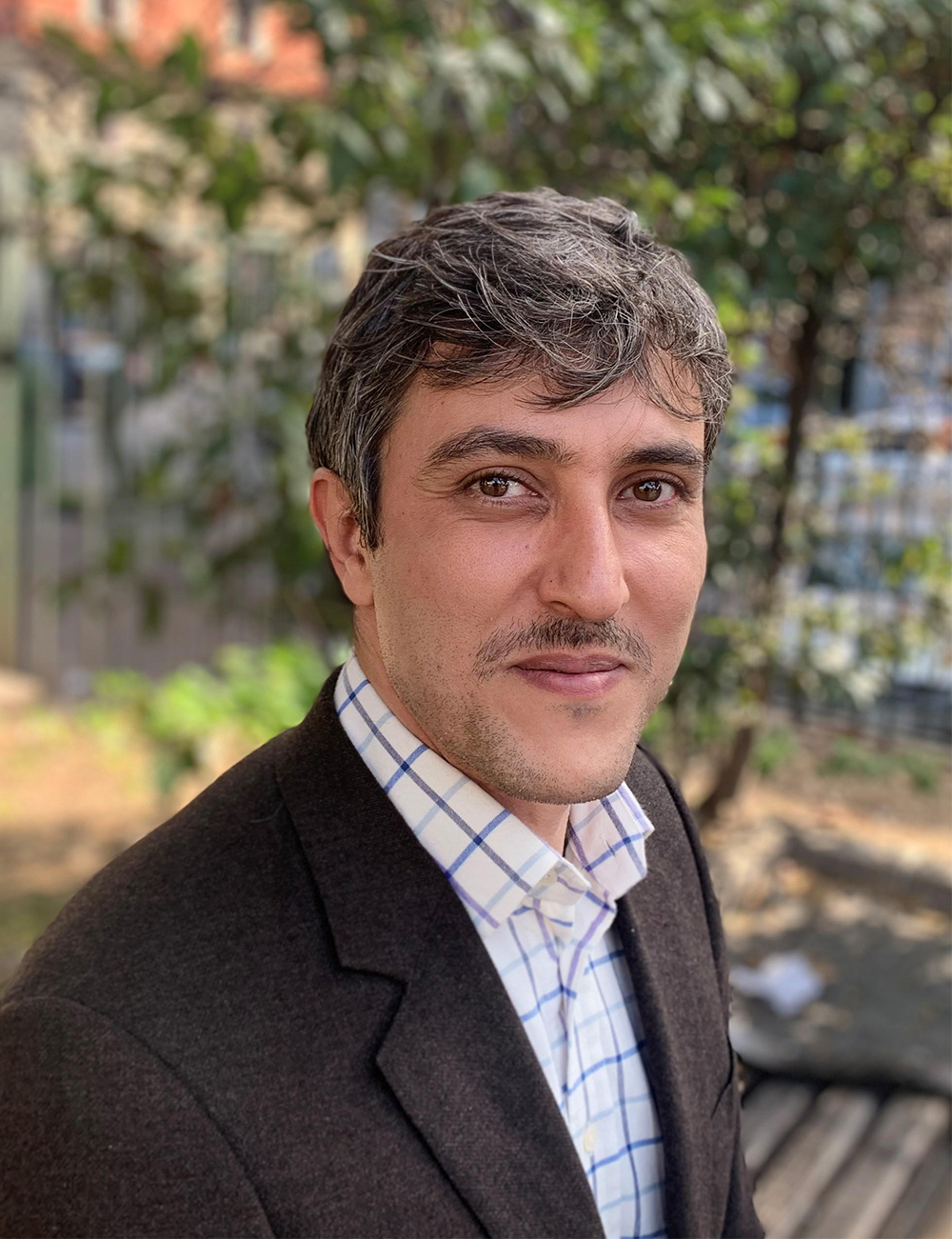
Kheder Khaddour
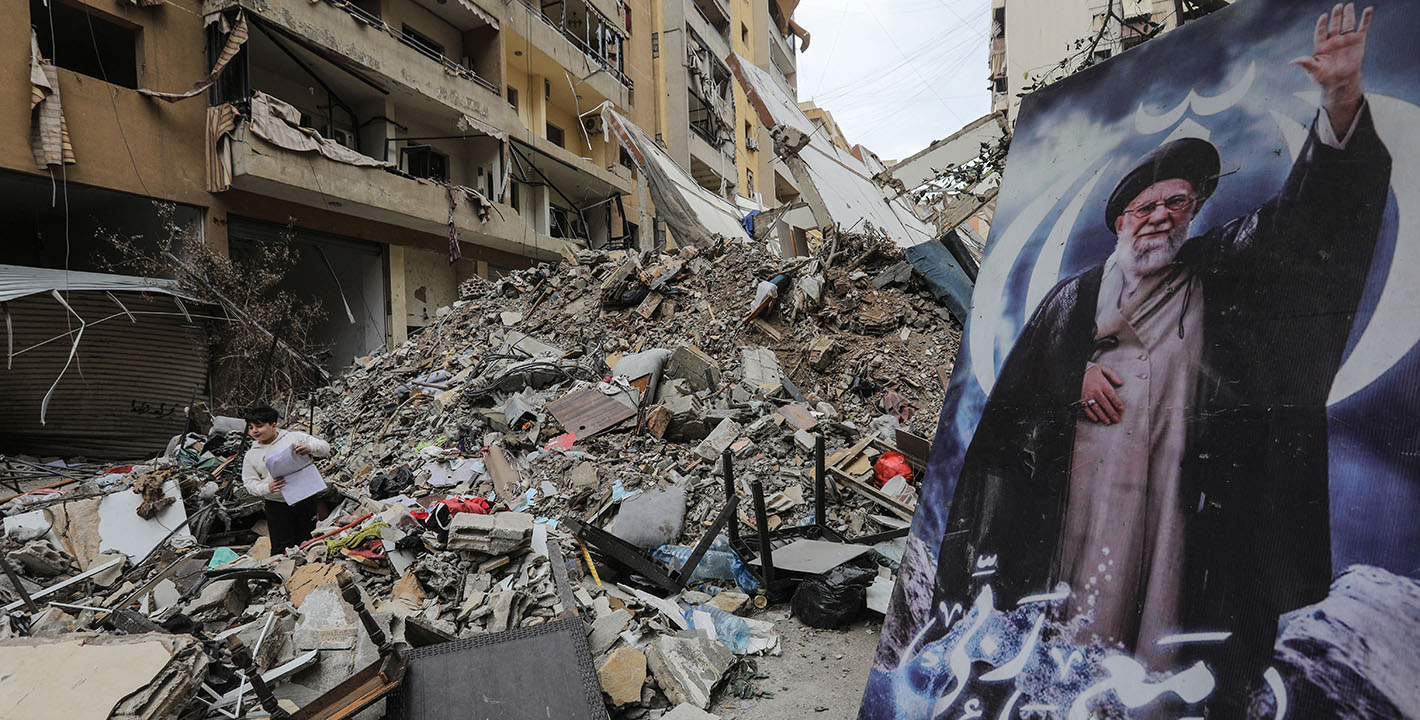
As talks begin between Washington and Tehran, Beirut has an opening to advance a regional plan for the party’s disarmament.

Michael Young
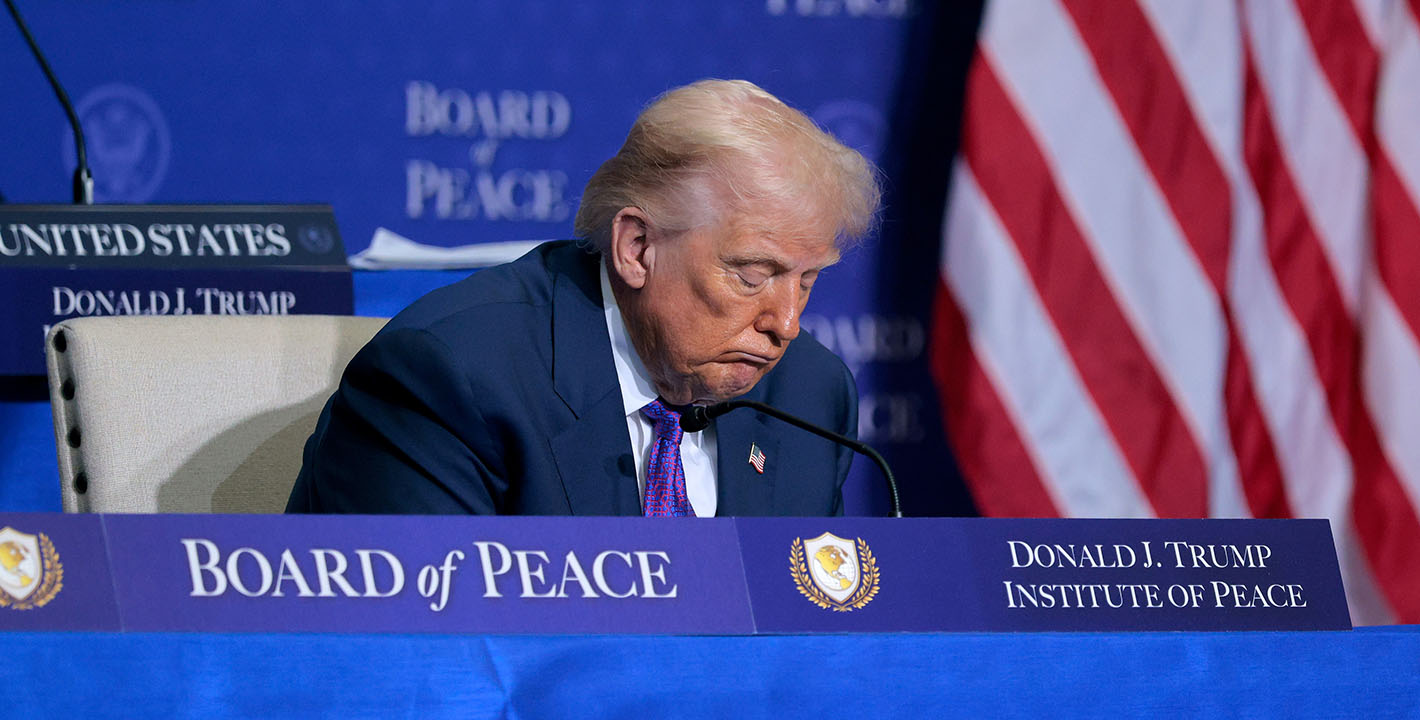
What is behind Marco Rubio’s announcement that the body is now an international nongovernmental organization?
Zaha Hassan