

In The Media
Lilia Shevtsova
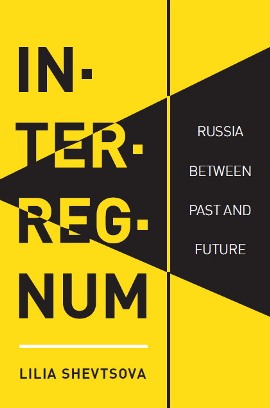
After the end of the political protests of 2011–2012, Russia has found itself in a troubled break between two eras. This is a time of conservatism, which, in its Russian incarnation, has morphed into a gloomy, almost medieval archaism.
Source: Carnegie Moscow Center
Lilia Shevtsova’s new book is a collection of essays about modern Russia and the processes that are related to it.After the end of the political protests of 2011–2012, Russia has found itself in the troubled time. This time can be described as “time out of time,” a break between two eras. One era has already ended, while the other has not yet begun. Living during this time is hard, and it is also hard to reflect on it and to find any signs of renewal. This is a time of conservatism; in its Russian incarnation that conservatism has morphed into a gloomy, almost medieval archaism.
In her new book, Shevtsova gives the reader some sense of this time without a trajectory, describing the major trends of Russian reality, its hot-button issues, as well as the challenges Russian society is facing.
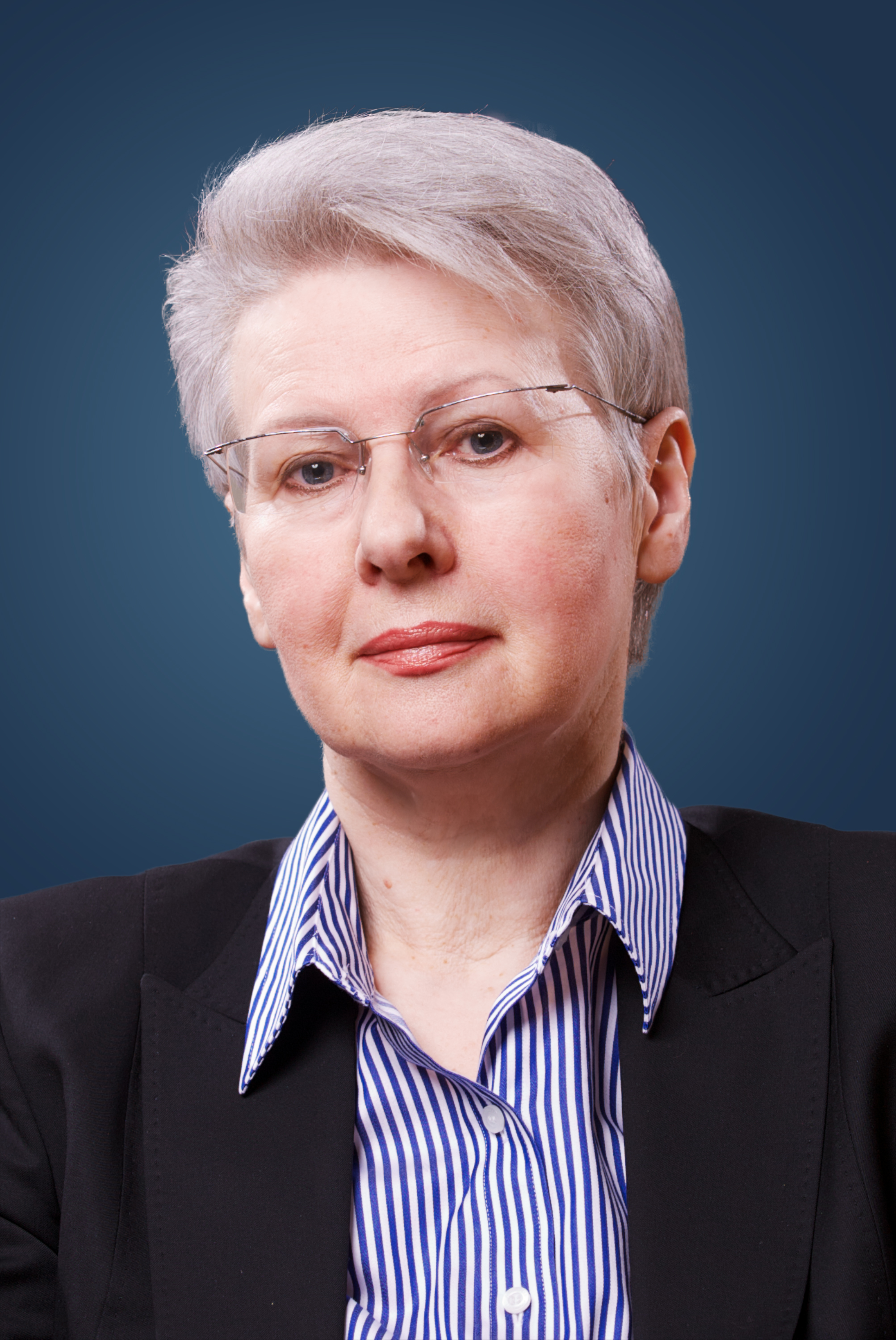
Former Senior Associate, Russian Domestic Politics and Political Institutions Program, Moscow Center
Shevtsova chaired the Russian Domestic Politics and Political Institutions Program at the Carnegie Moscow Center, dividing her time between Carnegie’s offices in Washington, DC, and Moscow. She had been with Carnegie since 1995.
Recent Work
Lilia Shevtsova
Lilia Shevtsova
Carnegie does not take institutional positions on public policy issues; the views represented herein are those of the author(s) and do not necessarily reflect the views of Carnegie, its staff, or its trustees.
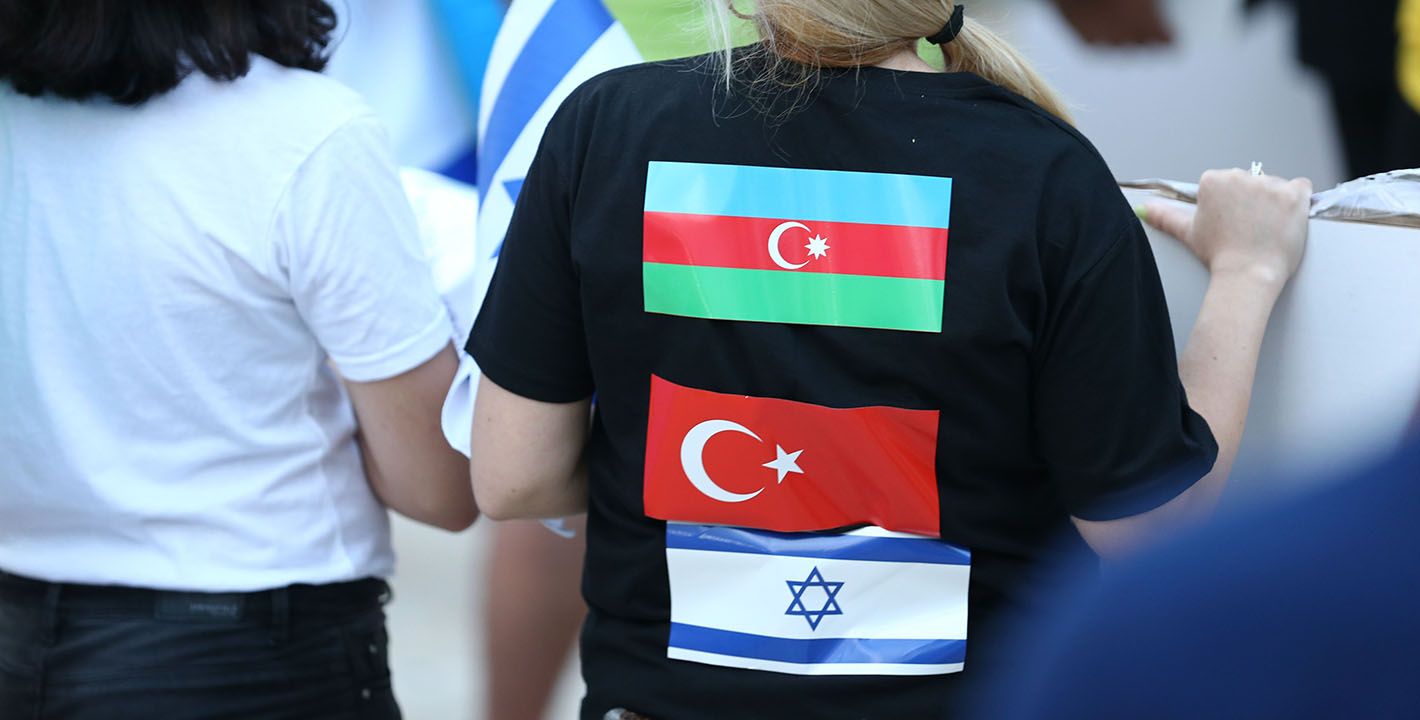
The country’s leadership is increasingly uneasy about multiple challenges from the Levant to the South Caucasus.

Armenak Tokmajyan
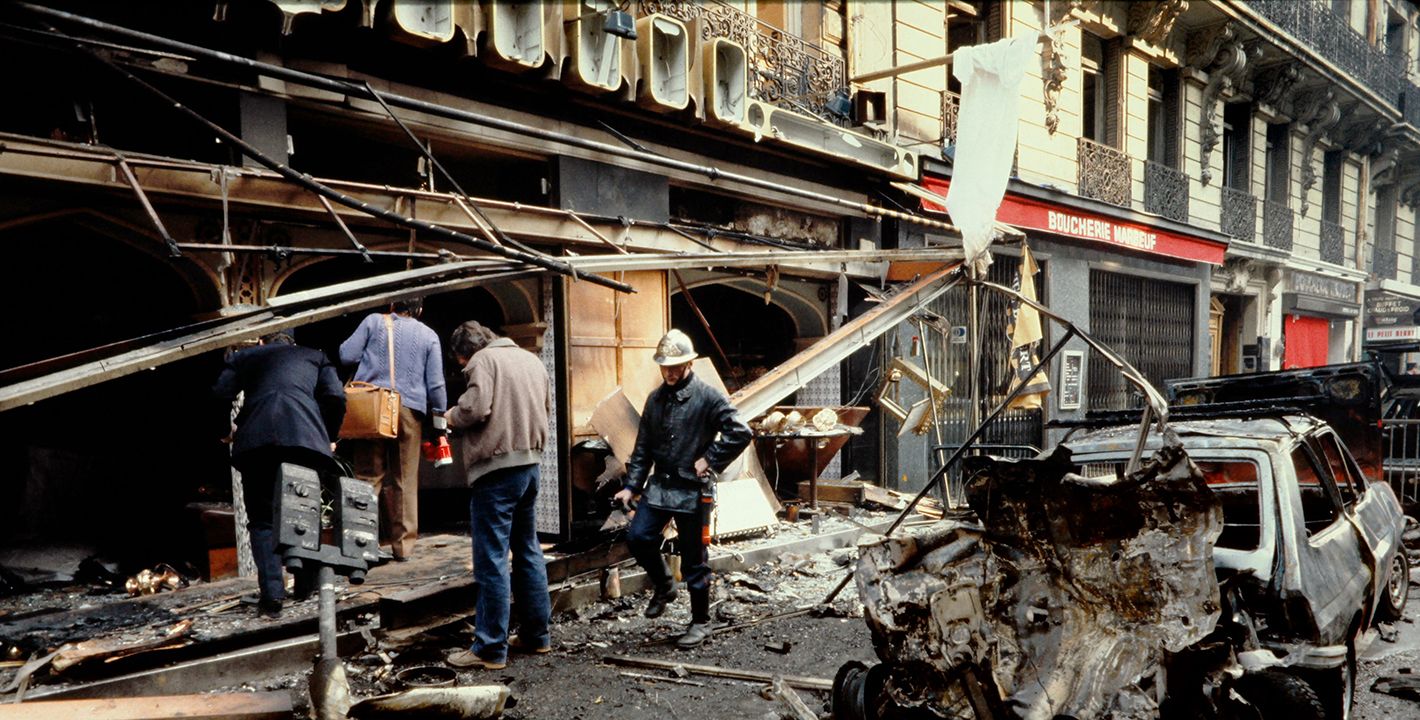
In an interview, Daniela Richterova speaks about her book on Czechoslovakia’s Cold War ties to Palestinian groups and others.

Michael Young
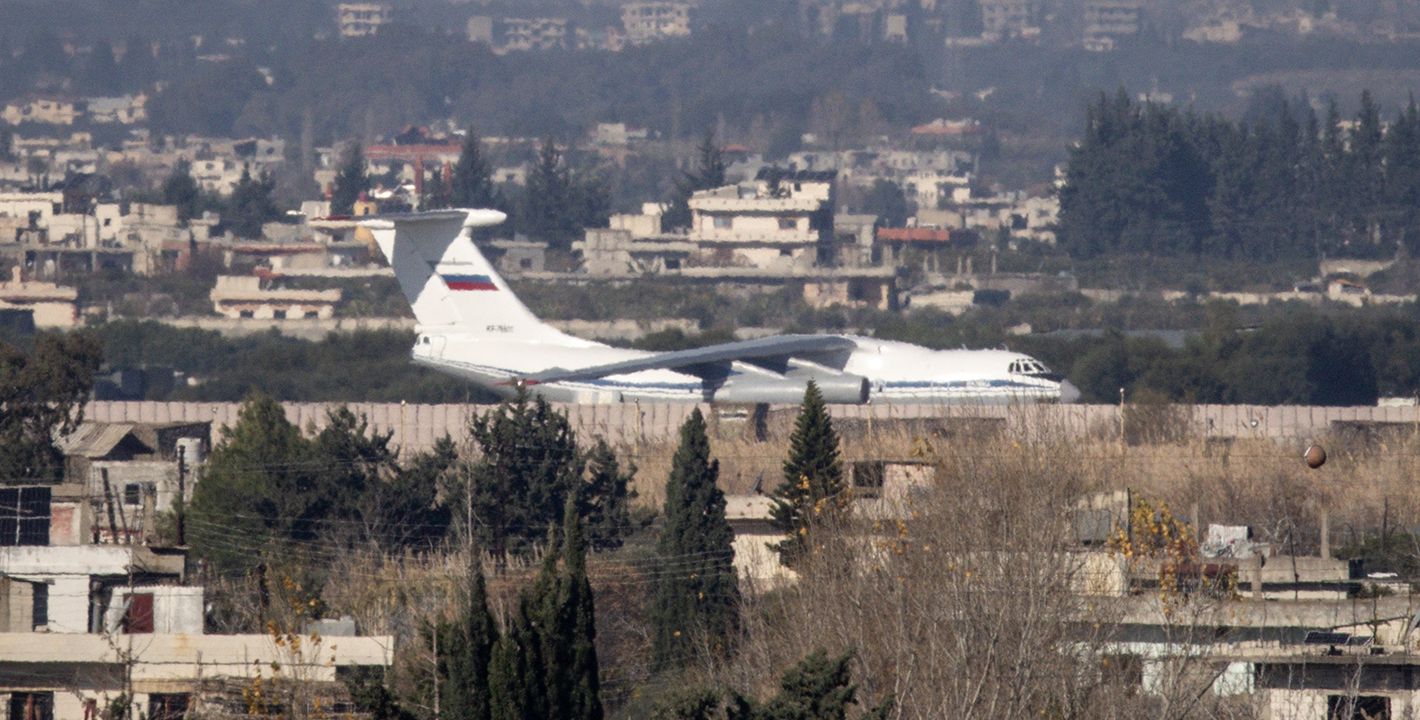
The downfall of the Assad regime represented a setback, but Russia’s primary focus remains Ukraine.
Sergei Melkonian
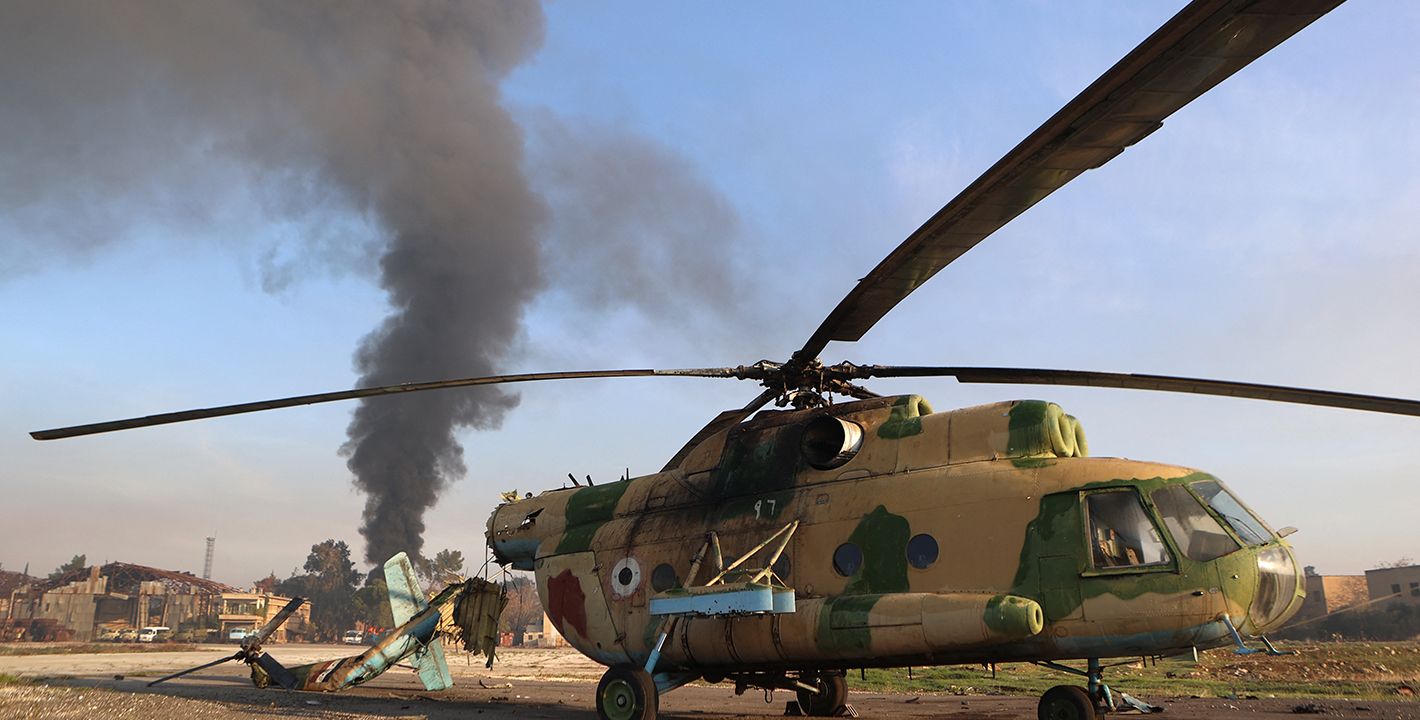
Why did Bashar al-Assad’s armed forces fail to act, unlike those in Egypt, Libya, Algeria, and Sudan?

Yezid Sayigh
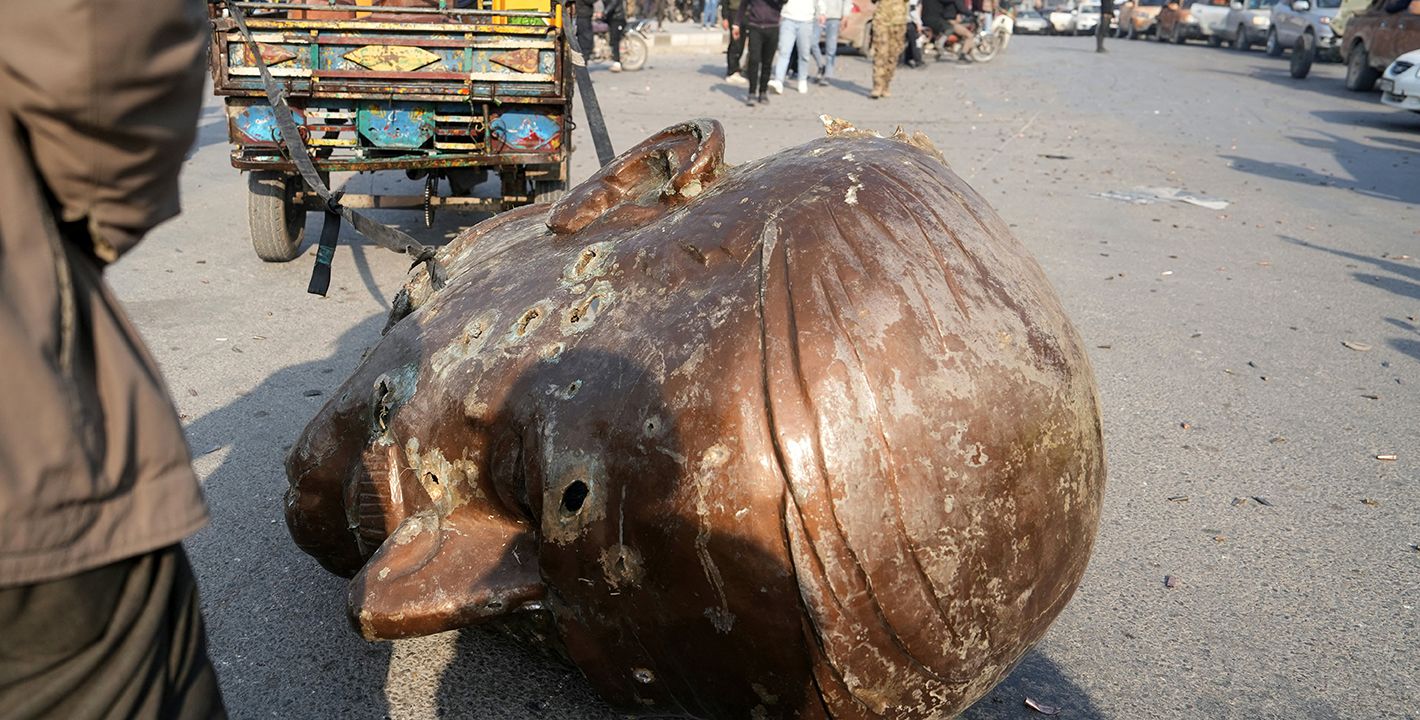
Spot analysis from Carnegie scholars on events relating to the Middle East and North Africa.
Armenak Tokmajyan