

Commentary
The GCC states’ use of Artificial Intelligence will generate much leverage over the global digital infrastructure and climate talks.
Camille Ammoun

Effectively steering outcomes for and through AI will require thoughtful, evidence-based policy development. Though it may seem self-evident that evidence should inform policy, this is far from inevitable in the inherently messy policy process.
Rishi Bommasani
Sanjeev Arora
Jennifer Chayes
Yejin Choi
Distinguished Fellow
Mariano-Florentino (Tino) Cuéllar is a distinguished fellow at the Carnegie Endowment for International Peace. He was previously the tenth president of the Carnegie Endowment for International Peace. A former justice of the Supreme Court of California, he has served three U.S. presidential administrations at the White House and in federal agencies, and was the Stanley Morrison Professor at Stanford University, where he held appointments in law, political science, and international affairs and led the university’s Freeman Spogli Institute for International Studies.
Li Fei-Fei
Daniel E. Ho
Dan Jurafsky
Sanmi Koyejo
Hima Lakkaraju
Arvind Narayanan
Alondra Nelson
Emma Pierson
Joelle Pineau

Fellow, Technology and International Affairs
Scott Singer is a fellow in the Technology and International Affairs Program at the Carnegie Endowment for International Peace, where he works on global AI development and governance with a focus on China.
Gaël Varoquaux
Suresh Venkatasubramanian
Ion Stoica
Professor in the EECS Department at the University of California at Berkeley and the Director of Sky Computing Lab
Ion Stoica is a professor in the EECS Department at the University of California at Berkeley, and the Director of Sky Computing Lab. He is currently doing research on cloud computing and AI systems. Current and past work includes ChatBot Arena, vLLM, Ray, Apache Spark, Apache Mesos, Tachyon, Chord DHT, and Dynamic Packet State (DPS). He is a Member of NAE, an Honorary Member of the Romanian Academy, an ACM Fellow and has received numerous awards, including the Mark Weiser Award (2019), SIGOPS Hall of Fame Award (2015), and several "Test of Time" awards. He also co-founded three companies, Anyscale (2019), Databricks (2013) and Conviva (2006).
Percy Liang
Dawn Song
Carnegie does not take institutional positions on public policy issues; the views represented herein are those of the author(s) and do not necessarily reflect the views of Carnegie, its staff, or its trustees.
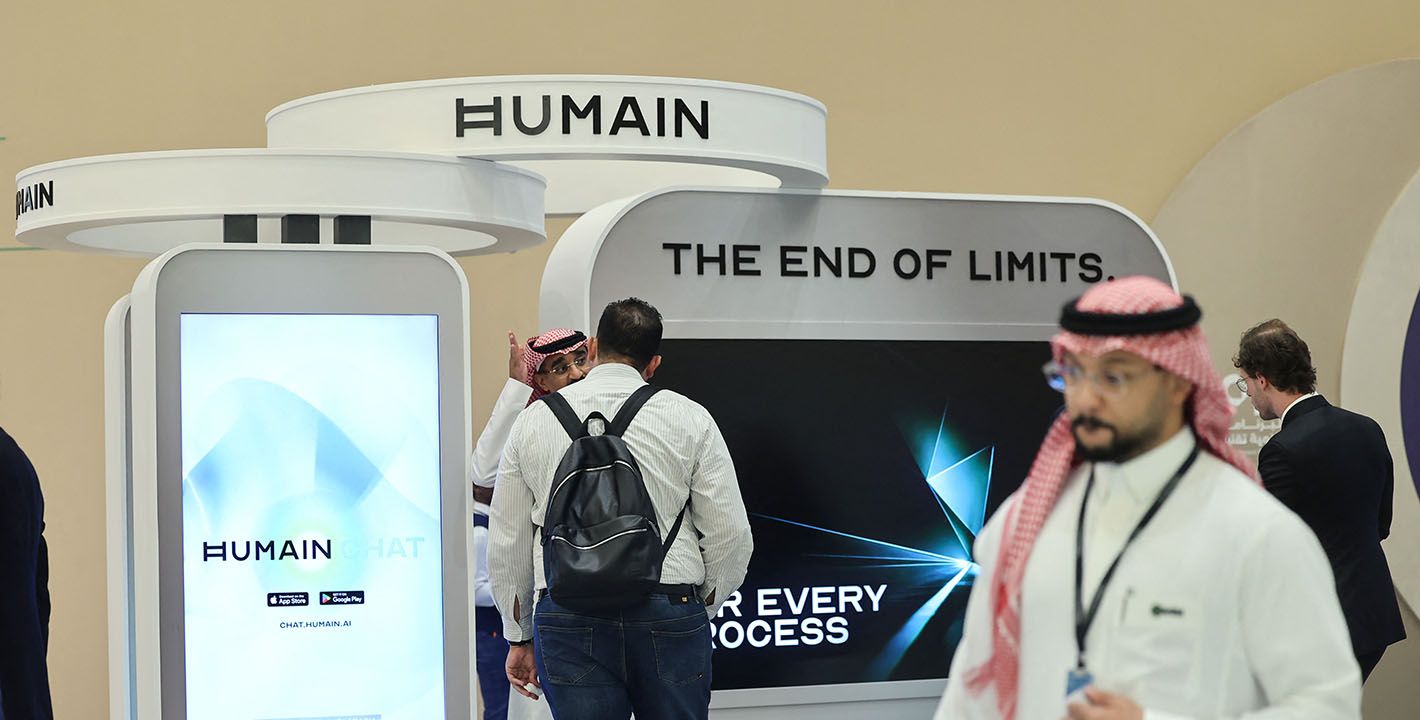
The GCC states’ use of Artificial Intelligence will generate much leverage over the global digital infrastructure and climate talks.
Camille Ammoun
Uneven investment in the technology will widen regional inequalities in the Middle East and North Africa.
Nur Arafeh
The GCC states are, to varying degrees, opening up to digital finance. This is part of an effort to diversify their economies and wean themselves off U.S.-dominated monetary systems.
Ala’a Kolkaila

Algeria and Egypt pressed China’s telecom national champion Huawei for more value-added manufacturing and technology transfers. The company responded, but it ultimately improved its brand image without engaging in meaningful capacity building.
Tin Hinane El Kadi
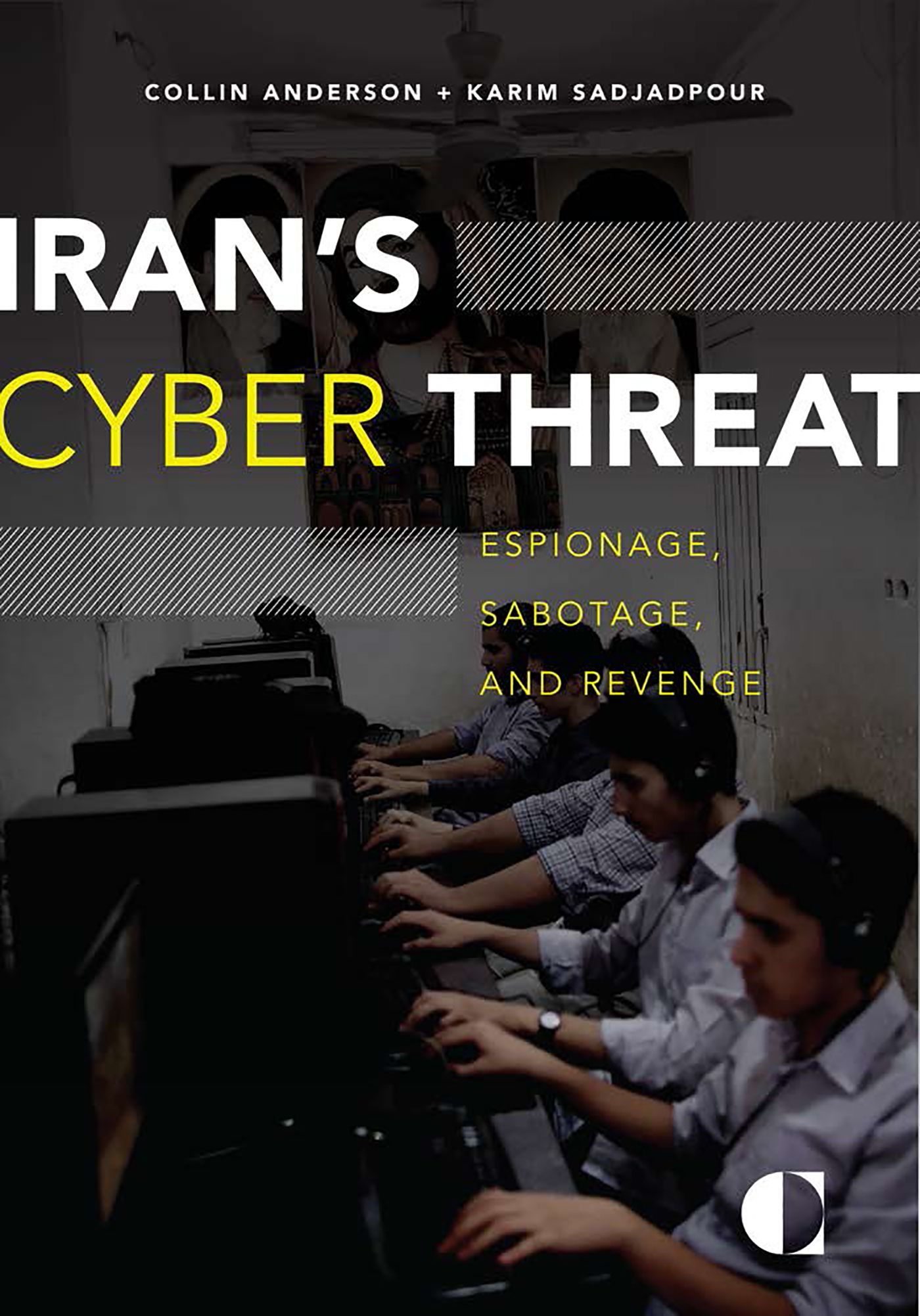
Incidents involving Iran have been among the most sophisticated, costly, and consequential attacks in the history of the internet.

Collin Anderson, Karim Sadjadpour