

Commentary
Municipal elections in the city may be a harbinger of developments in the Sunni community.
Issam Kayssi
Source: Getty
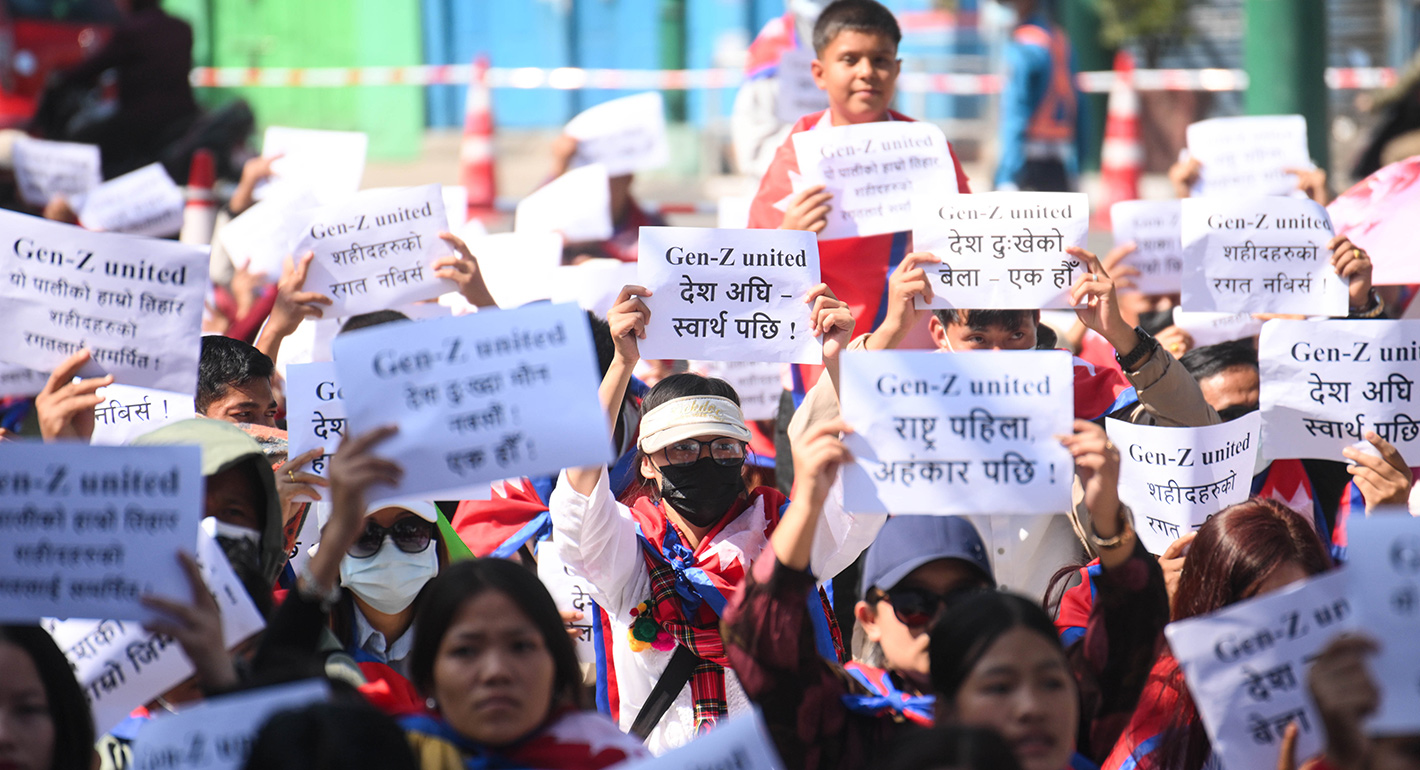
A disconnect between Gen Z citizenry and older rulers has fueled massive demonstrations. What are the key issues and how is protest energy translating into electoral change?
This essay is part of a series from Carnegie’s digital democracy network, a diverse group of thinkers and activists engaged in work on technology and politics. The series is produced by Carnegie’s Democracy, Conflict, and Governance Program. The full set of essays is scheduled for publication in summer 2026.
Known for its high mountain peaks and beautiful ancient temples, Nepal recently made headlines for a different reason: Young protesters angry about corruption, nepotism, and the blocking of social media platforms overthrew their democratically elected government.
What the youthful activists managed to achieve in a few days is striking, but not without a heavy cost: nineteen dead on the initial day of protests on September 8, with seventy-two dead in total. After police forces shocked the country by shooting protesters on the first day of demonstrations, even more people went out onto the streets the next day. The country’s seventy-three-year-old, four-time prime minister, KP Sharma Oli, saw the writing on the wall and resigned a few days later. Unfortunately, his exit wasn’t enough to forestall angry mobs from joining the relatively peaceful young protesters, who burned down the Singha Durbar palace that houses government ministries and the Supreme Court, and the parliament bulding.
What caused so much anger? While the government’s blocking of social media instigated the mass protests, the backdrop was more complicated. Deteriorating economic conditions had made life difficult for the average Nepali, with large numbers leaving the country as migrant workers in East Asia and the Gulf states—reportedly 1,700 people were departing the country each day to search for work. At the same time, Nepal’s Gen Z population had become increasingly frustrated with politicians and their children flaunting their wealth on social media amid rising inflation and unemployment. In the weeks prior to the demonstrations, #NepoBaby and #NepoKid had trended on social media, highlighting the luxurious lifestyles of politicians’ children amid accusations of corruption. On September 4, Nepal’s government officially suspended twenty-six social media platforms, including Meta, Instagram, YouTube, WhatsApp, X, and even China’s WeChat and Russia’s VK, citing noncompliance with new registration rules issued by the Ministry of Communication and Information Technology. (The registration requirement had not been ratified by Nepal’s parliament—one of the reasons tech companies refused to register.) For many Nepalis, the government’s social media ban was a cynical attempt to suppress criticism and challenges to the state.
Nepal’s experience isn’t unique to the region. Protests in 2022 in Sri Lanka and in 2024 in Bangladesh also led to the overthrow of democratically elected governments. In 2025, anti-corruption protests arose in Indonesia and Philippines. Authorities in Indonesia arrested more than 4,194 people and Amnesty International reported more than one thousand cases of violence, primarily perpetrated by police. In the Phillipines, Amnesty International reported 216 protesters having been detained, with several facing violence from police that could amount to torture. What do these demonstrations have in common? Building on the research of scholars such as Janjira Sombatpoonsiri and Erica Chenoweth and Matthew Cebul, three factors come to mind: frustration with inequality, authoritarian tendencies of elected governments, and the exclusion of young people from policymaking.
Global inequality has been rising sharply. Oxfam’s 2026 report on wealth inequality noted that while global poverty levels have not reduced much since the 1990s, 204 new billionaires were created in 2024 alone. In countries like Nepal, Bangladesh, and Indonesia—places with high poverty but growing internet access—social media exposed the vast wealth gap between political elites’ children and ordinary citizens. While ordinary people struggled to make ends meet and relied on remittances to stay afloat, social media abounded with videos of elite influencers flaunting their extreme wealth in front of gated mansions and pristine pools. Eventually, this proved too much, igniting mass protests throughout Southeast Asia and in other regions.
Rather than confront these problems, governments responded to public outrage with brutal repression. In Bangladesh, authorities used the Cyber Security Act, described as draconian, to quell protests that had erupted in 2024 over a job reservation system that allocated 30 percent of lucrative positions to descendants of those who fought for Bangladesh’s independence in 1971. As demonstrations escalated, security forces launched a violent crackdown that killed up to 1,400 demonstrators and left thousands more injured. Instead of stabilizing the situation, the repression accelerated the regime’s political collapse, culminating in prime minister Sheikh Hasina’s resignation and flight to India after fifteen years in office.
In Indonesia, youth protests opposing parliamentary housing allowances—set at ten times the minimum wage during a period of government austerity—were met with violent pushback from the police, leading to eight people being killed and hundreds injured. A jarring video showing a food delivery driver being run over by an armored vehicle sparked further outrage, prompting more protesters to take to the streets and to even set fire to parliamentary buildings. In response, the government arrested more than three thousand demonstrators. After six days of escalating demonstrations, President Prabowo Subianto backed down. Flanked by the heads of eight Indonesian political parties, he held a televised news conference where he agreed to cut the housing allowance and even suspend overseas trips for members of parliament. Prabowo, in a rare concession to public anger, said that “leaders in parliament have conveyed that they will revoke a number of parliament policies, including the size of allowances for members of parliament and a moratorium on overseas work trips.”
Finally, rather than opening pathways for younger generations to participate in policymaking, these governments chose the opposite approach: deliberately excluding them from decisionmaking processes and enacting constraining digital policies that further silenced their voices and sparked frustration. In country after country, states passed severe company registration requirements, blocked entire platforms, imposed censorship restrictions, and wielded internet shutdowns—undermining the interests, well-being, and rights of young people. It was no surprise that when young people were blocked from accessing official avenues of power, they took to the streets in large numbers. To some degree, their efforts have borne fruit. In Bangladesh, student protest leaders were part of the advisory group of the interim leader Muhammad Yunus. In Nepal, young people used the chatting app Discord to discuss and ultimately vote for former Supreme Court chief justice Sushila Karki as the country’s first woman prime minister for the interim.
But can these young voices secure real gains against entrenched incumbents? This tension was first put to the test in Bangladesh’s national elections held in February.
Hasina’s Awami League was banned from participating in the elections. Instead, the Bangladesh Nationalist Party (BNP), which had governed Bangladesh in the past (but whose leadership was jailed under Hasina), fielded the most candidates (290). The National Citizens Party (NCP), founded by the student leaders of the 2024 uprising, contested 30 seats and joined an electoral alliance with the Bangladesh Jamaat-e-Islami (BJI), a religious party also persecuted during Hasina’s rule, which fielded 223 candidates. The BNP was the big victor, winning 209 seats to form a majority government in coalition with a few left-leaning parties. Disappointingly for the student activists, the NCP managed to win only six of the thirty seats they contested. Together with the BJI, which won sixty-eight seats, they have formed the main opposition bloc in the parliament. Tarique Rahman, the sixty-year-old son of former prime minister Khalida Zia and former president Ziaur Rahman, has been elected and sworn in as Bangladesh’s new prime minister.
So where does that leave the objectives of the student movement? The movement was successful in toppling Hasina’s authoritarian regime, a major short-term goal, though it came at a huge cost. The banning of the Awami League raised concerns about political freedoms, and the fact that only seven female candidates were elected into parliament underscores persistent barriers to gender equality in the country. The NCP likely did not help its cause by allying with the religiously conservative BJI party, a move that prompted several student leaders to resign from the NCP amid criticism of the BJI’s religious platform and policies seen as unfavorable to women.
However, the election wasn’t a complete washout for the student movement either. Tarique Rahman appointed two prominent student leaders to his cabinet: thirty-four-year-old Nurul Haque Nur, a key organizer of the July 2024 demonstrations and the 2018 protests against Hasina, and fifty-two-year-old Zonayed Saki, a leftist politician and former progressive student leader. Bangladesh’s youth population, among the largest in the world, is cautiously optimistic about what the new government can deliver and will be watching closely. Progress on climate justice, freedom of expression and association, and other constitutional reforms voted on in the referendum will be key tests of the new administration’s credibility.
On March 5, Nepal held its own general elections. Balendra Shah (popularly known as Balen), a thirty-five-year-old former rapper who was elected as mayor of Kathmandu in 2022, became the youngest prime minister in Nepal’s history, leading the centrist Rastriya Swatantra Party (RSP) to a sweeping victory in national elections—a rare occurrence in a country ruled by multiple weak coalitions. Across the board, voters resoundingly rejected the ruling elites. Balen even directly challenged former prime minister KP Sharma Oli—who presided over Nepal’s fatal crackdown and whom Balen labeled a “terrorist”—for the parliamentary seat in southeastern Nepal that he has long held. Balen won Oli’s seat, capturing nearly four times as many votes.
How Balen governs will be watched closely. His party, the RSP, promised to maintain balanced foreign relations between India and China—the two regional powers that border Nepal. The pledge carries weight because Nepal’s two main parties are viewed as aligned with different neighbors: Oli’s Communist Party is perceived as pro-China, while the Nepali Congress keeps close ties to India. Balen has previously lambasted China, India, the United States, and Nepal’s major political parties on social media, writing “Go to hell, you guys all combined can do nothing.” The results indicate this attitude resonated with voters. Geopolitics aside, Nepal’s youth view Balen as an agent of change and point to his record as Kathmandu’s mayor, where he cleared mountains of garbage and improved schools, as a break from the past. But they will pay close attention to whether Balen’s government takes seriously economic reforms and fighting corruption, core demands of the student protests.
In contrast to Bangladesh, where a traditional party that had held power previously returned to office, Nepali voters overwhelmingly opted for a new direction. It is also notable that Nepal’s former prime minister, who resigned after the September 2025 protests, could still contest the elections, whereas authorities in Bangladesh sentenced to death their former prime minister in absentia. Nepal has shown a softer political transition, which could prove more durable than Bangladesh’s polarizing rupture with its past.
Gen Z activists are making increasingly bold demands for change. Armed with digital technologies that can mobilize massive numbers of young people, they have catalyzed unprecedented levels of public discontent. Yet instead of addressing the underlying issues driving these movements, many governments have remained under the impression that they can survive by doubling down on digital repression and keeping youth excluded from power. As Nepal and Bangladesh’s experiences have shown, these assumptions are wrong. Political leaders would be wise to think carefully about the rise of Gen Z movements, which are swelling in influence and are no longer willing to abide by the status quo. The 2026 elections in Bangladesh and Nepal are reshaping the state’s relationship with a vigilant young populace. How far the new governments will succeed will hinge on their readiness to learn from the disconnect of previous governments and their young citizenry.

Usama Khilji
Cofounder and Director, Bolo Bhi; Columnist, Dawn; Vice Chair, Global Network Initiative; Host, DigiPod, Dawn News English
Usama Khilji is an activist, researcher, and columnist from Pakistan. He is the cofounder and director of Bolo Bhi, an advocacy, policy, and research citizens group focused on digital rights and internet policy. He is a columnist at Dawn and Vice Chair of the Global Network Initiative. He also hosts DigiPod on Dawn News English.
Carnegie does not take institutional positions on public policy issues; the views represented herein are those of the author(s) and do not necessarily reflect the views of Carnegie, its staff, or its trustees.
Municipal elections in the city may be a harbinger of developments in the Sunni community.

Issam Kayssi
To address the deepening climate crisis, climate activism is employing a wider variety of tactics and aiming at a broader set of goals. In response, the movement faces stronger repression and civic backlash against climate action.

Erin Jones, Richard Youngs
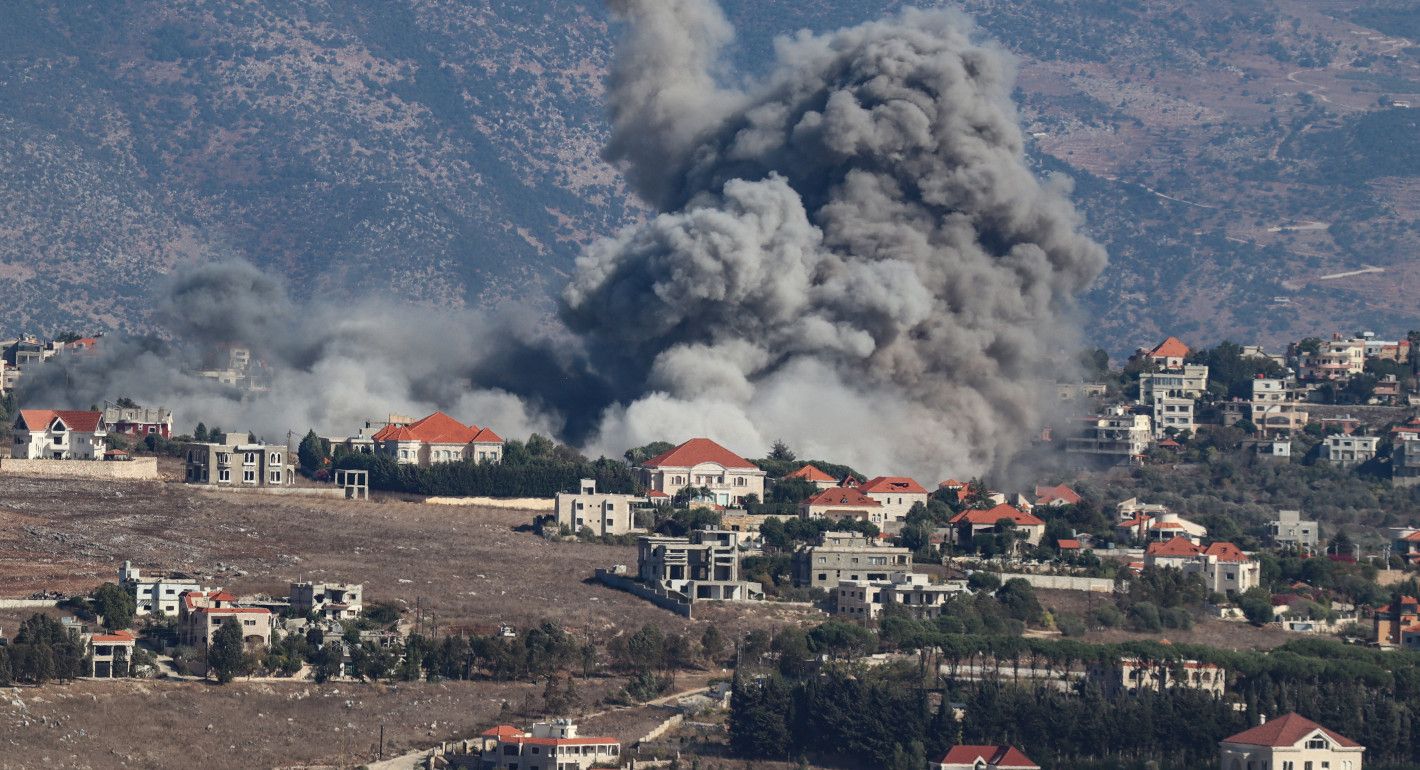
Political calculations on both sides make a ceasefire unlikely.

Yezid Sayigh
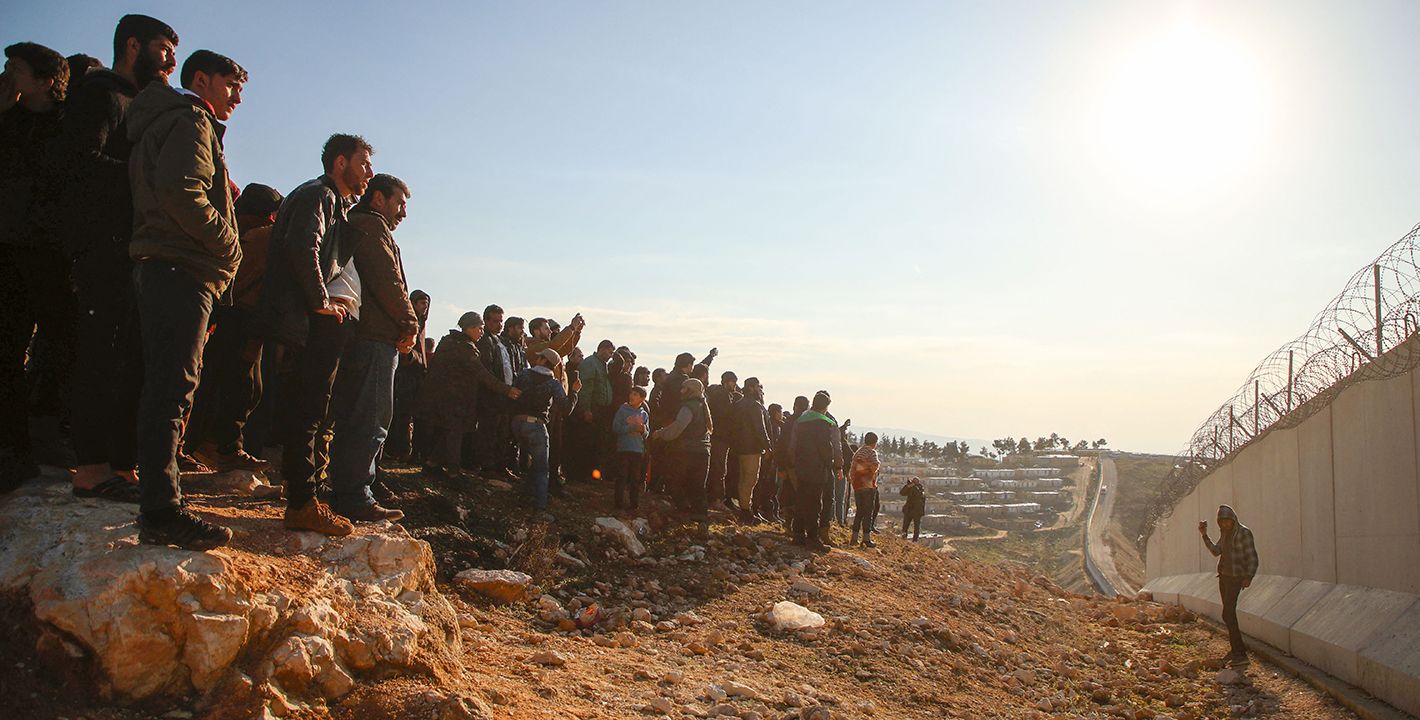
In Syria’s border regions, changes in demographics, economics, and security mean that an inter-Syrian peace process will require consensus among main regional powers that Syria must remain united, that no one side can be victorious, and that perennial instability threatens the region.

Kheder Khaddour, Armenak Tokmajyan
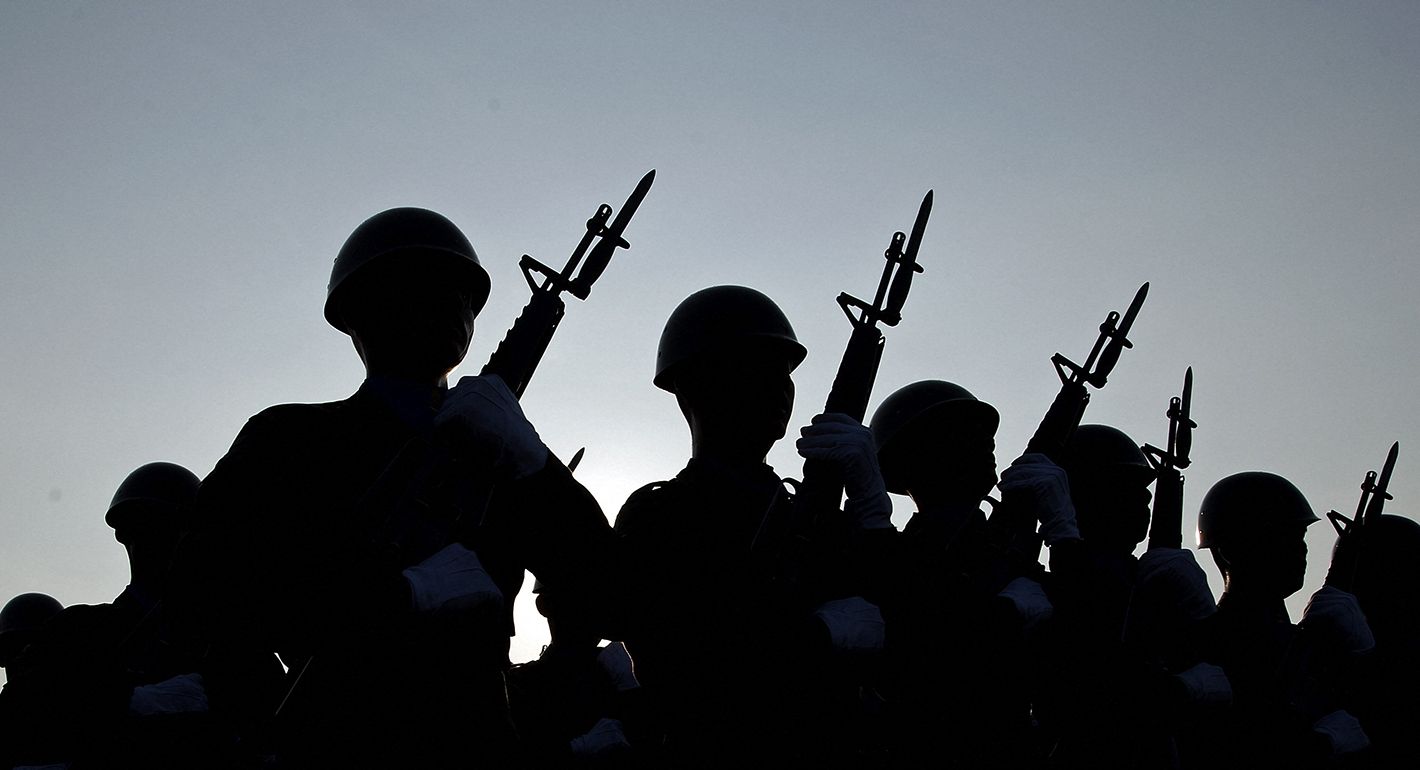
The interaction of national armed forces and private business sectors offers a useful lens for viewing the politics of numerous countries of the so-called Global South. A rising trend of military political activism—often accompanied by military commercial activity—underlines the importance of drivers and outcomes in these relationships.
Yezid Sayigh, Hamza Meddeb