

Commentary
It should address the shortcomings of previous crisis communication efforts and adapt to the demands of frontier AI.
Lucy Luo
{
  "authors": [
    "Richard Sokolsky",
    "Jeremy Shapiro"
  ],
  "type": "legacyinthemedia",
  "centerAffiliationAll": "",
  "centers": [
    "Carnegie Endowment for International Peace"
  ],
  "collections": [],
  "englishNewsletterAll": "",
  "nonEnglishNewsletterAll": "",
  "primaryCenter": "Carnegie Endowment for International Peace",
  "programAffiliation": "",
  "programs": [],
  "projects": [],
  "regions": [
    "North America",
    "United States",
    "Middle East",
    "Saudi Arabia",
    "Yemen"
  ],
  "topics": [
    "Security",
    "Foreign Policy"
  ]
}
Source: Getty
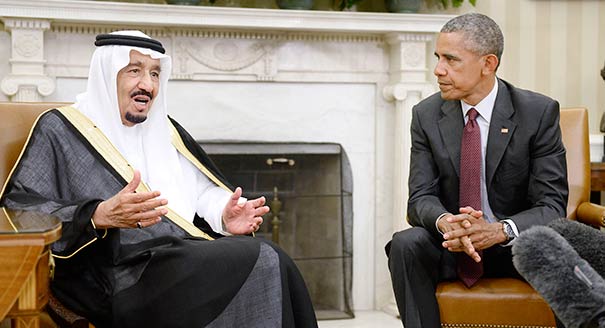
The United States should understand that it holds most of the cards and that it can use military assistance, among other tools, to push Saudi policy in a direction that favorable to U.S. interests.
Source: War on the Rocks
Americans have not paid much attention to the war In Yemen. With all eyes on Syria and the neo-Cold War rivalry there with Russia, Yemen did not come up at all in the presidential debates. Yet according to UN figures, the war has left 10,000 dead and 900,000 civilians displaced — and it arguably implicates the United States even more than the Syrian conflict.
The Saudi Arabian intervention in Yemen, which began in March 2015, has been aided and abetted from the beginning by the United States. U.S.-supplied military aircraft, refueled by U.S. tanker planes and directed by U.S. intelligence assets, are bombing Yemen almost daily with U.S.-made weapons....

Nonresident Senior Fellow, Russia and Eurasia Program
Richard Sokolsky is a nonresident senior fellow in Carnegie’s Russia and Eurasia Program. His work focuses on U.S. policy toward Russia in the wake of the Ukraine crisis.

Jeremy Shapiro
Brookings Institution
Jeremy Shapiro is the research director and U.S. program director of ECFR. His areas of focus include U.S. foreign policy and transatlantic relations. Shapiro was previously a fellow with the Project on International Order and Strategy and the Center on the United States and Europe at Brookings, where he edited the Foreign Policy program’s blog Order from Chaos. Prior to Brookings, he was a member of the U.S. State Department’s policy planning staff, where he advised the secretary of state on U.S. policy in North Africa and the Levant. He was also the senior adviser to then assistant secretary of state for European and Eurasian affairs Philip Gordon, providing strategic guidance on a wide variety of U.S.-European foreign policy issues.
Carnegie does not take institutional positions on public policy issues; the views represented herein are those of the author(s) and do not necessarily reflect the views of Carnegie, its staff, or its trustees.

It should address the shortcomings of previous crisis communication efforts and adapt to the demands of frontier AI.

Lucy Luo
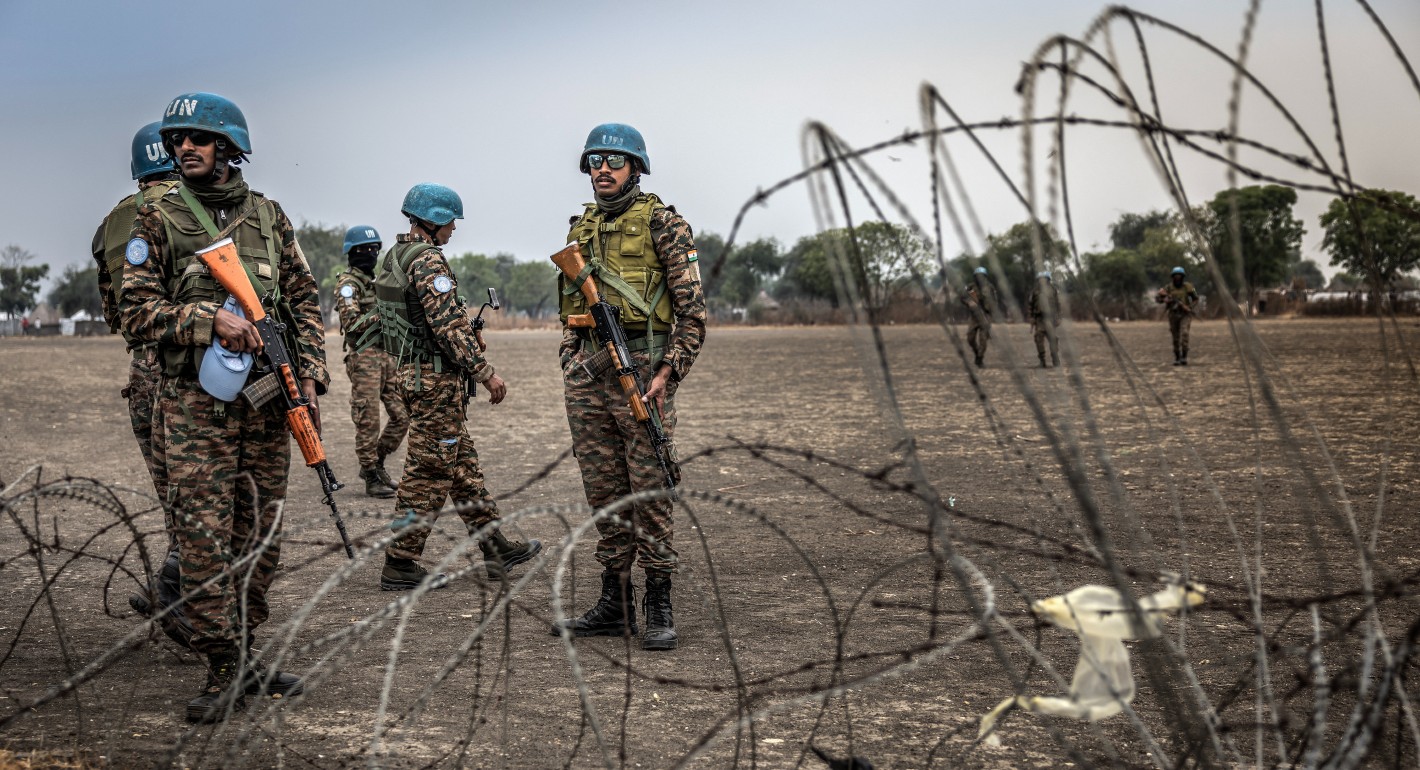
Washington’s decision to support some UN functions while letting others wither is pulling the organization apart at the seams.

Stewart Patrick, Theodore Zaritsky

While there are notable demographic, economic, and geographic divides over AI, there is also substantial alignment between Republicans and Democrats.


Ian Klaus, Mark Baldassare, Rachel George, …

Are Germany’s economic, industrial, and political struggles becoming a liability for the EU’s ability to rise to the geopolitical moment?

Rym Momtaz, ed.

China’s police training infrastructure construction projects provide benefits to recipient countries, promote China’s image as a major global security provider, and are likely to reinforce alignment between Beijing’s security priorities and those of countries in the Global South.


Cameron Waltz, Sheena Chestnut Greitens, Kim Nguyen, …