

Commentary
An analysis of traffic accident data suggests that Ukrainian drone attacks caused a material but not disastrous fall in Russian gasoline consumption over the summer.
Sergey Vakulenko
{
  "authors": [
    "Suyash Rai",
    "Anirudh Burman"
  ],
  "type": "legacyinthemedia",
  "centerAffiliationAll": "",
  "centers": [
    "Carnegie Endowment for International Peace",
    "Carnegie India"
  ],
  "collections": [],
  "englishNewsletterAll": "",
  "nonEnglishNewsletterAll": "",
  "primaryCenter": "Carnegie India",
  "programAffiliation": "",
  "programs": [],
  "projects": [
    "Political Economy"
  ],
  "regions": [
    "India",
    "South Asia"
  ],
  "topics": [
    "Domestic Politics",
    "Democracy"
  ]
}
Source: Getty
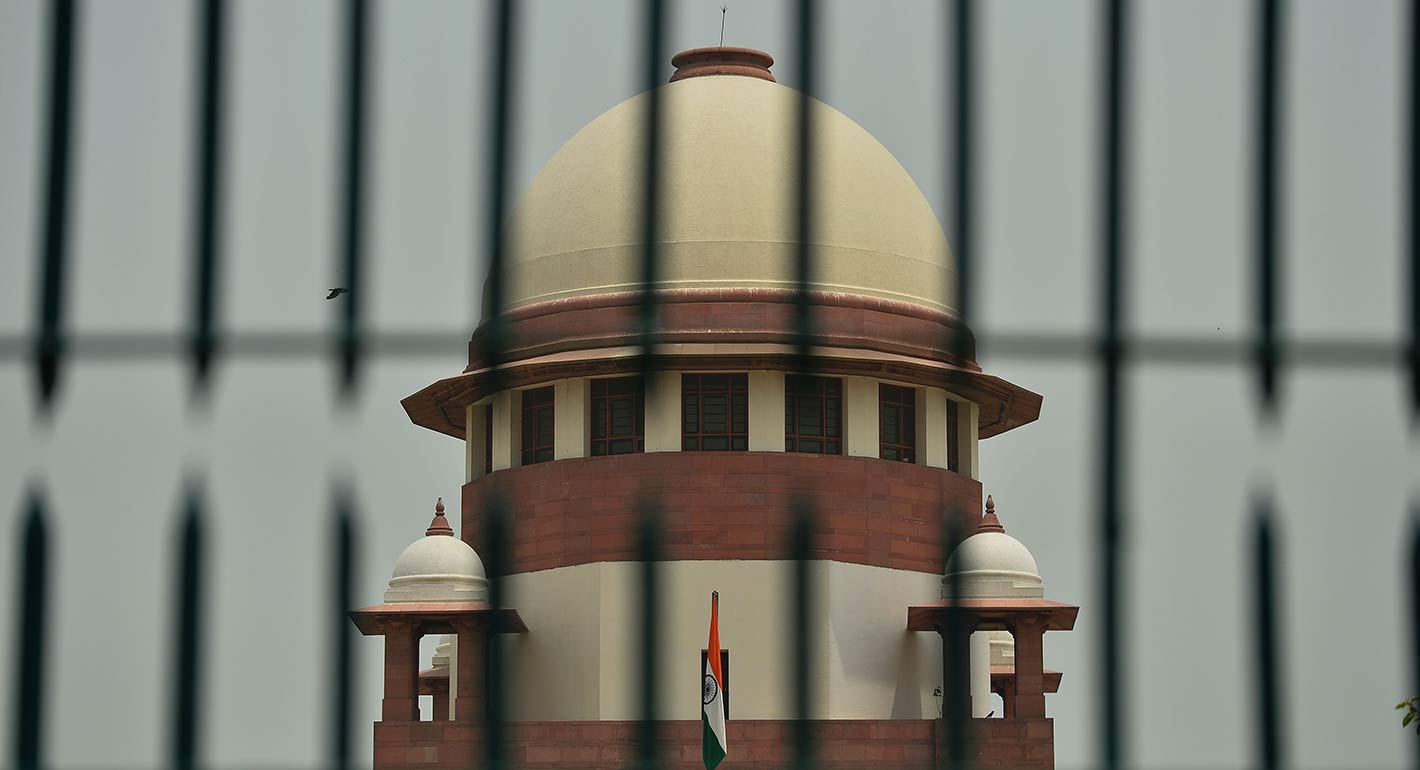
In recent years, some of the most dramatic situations in Indian public life have arisen in the higher judiciary—an arm of the state ideally characterized by collegiality, scholarship, predictability, and remoteness from raucous politics.
Source: Print
In recent years, some of the most dramatic situations in Indian public life have arisen in the higher judiciary – an arm of the state ideally characterised by collegiality, scholarship, predictability, and remoteness from raucous politics.
From the disregard of principles of natural justice and public squabbling among the judges to the politically consequential activism around the National Register of Citizens (NRC) and unpredictable reasoning in judgments (treatment of money bill argument in the Aadhaar case, and ignoring of evidence of low fatalities in the liquor ban case), the reality of the higher judiciary is increasingly divergent from the ideal conception. These situations also remind us how difficult it is to hold the higher judiciary accountable.
Former Fellow, Carnegie India
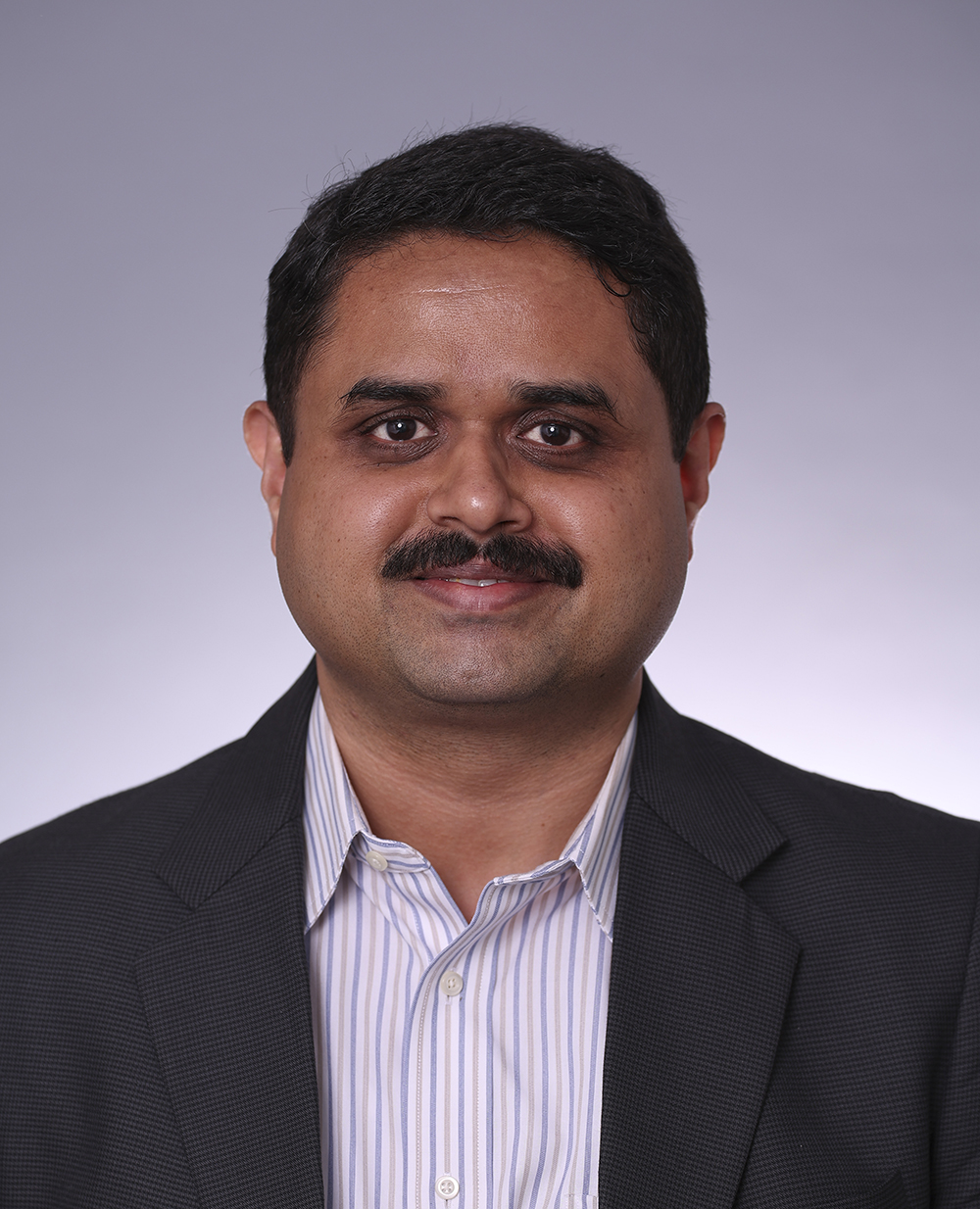
Suyash Rai was a fellow at Carnegie India. His research focuses on the political economy of economic reforms, and the performance of public institutions in India.

Former Associate Research Director and Fellow, Carnegie India
Anirudh Burman was an associate research director and fellow at Carnegie India. He works on key issues relating to public institutions, public administration, the administrative and regulatory state, and state capacity.
Carnegie does not take institutional positions on public policy issues; the views represented herein are those of the author(s) and do not necessarily reflect the views of Carnegie, its staff, or its trustees.
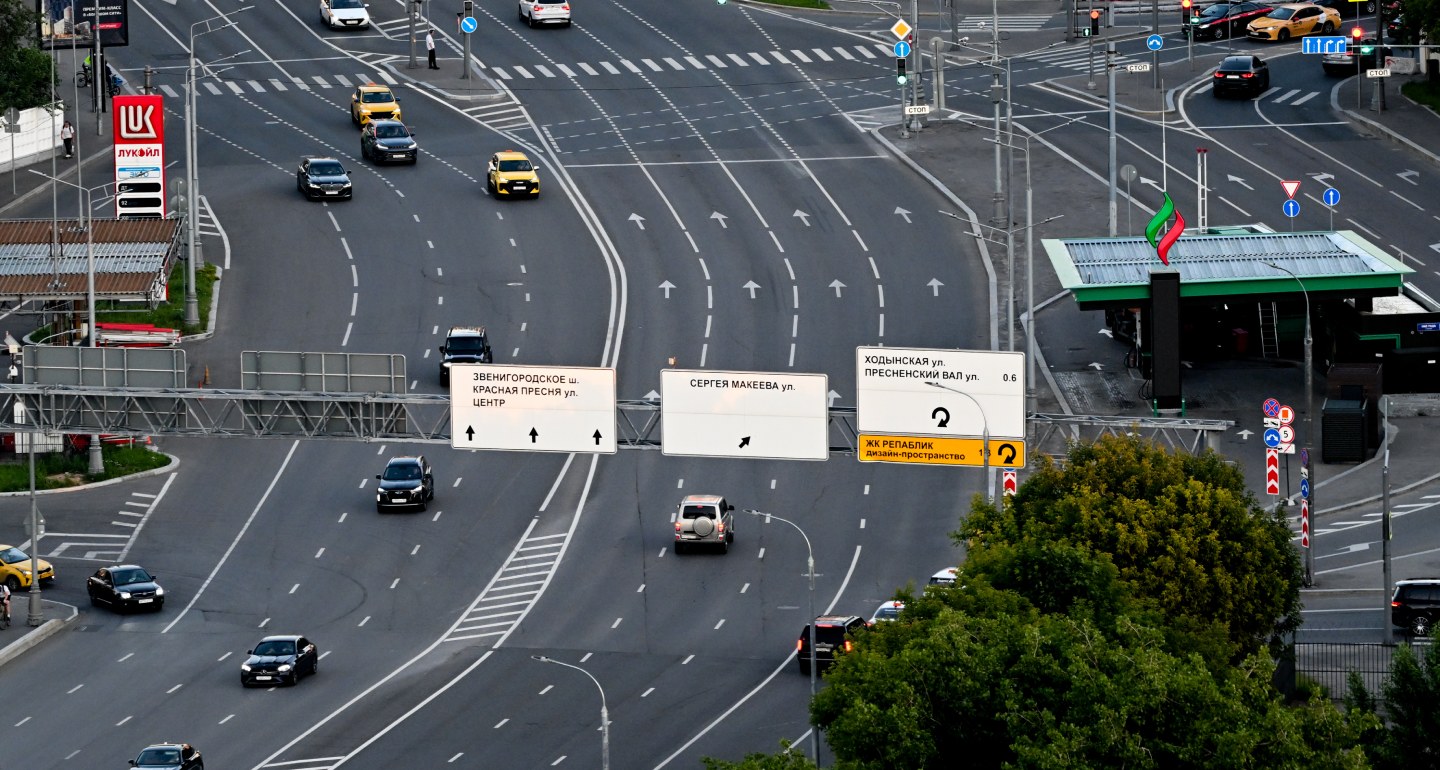
An analysis of traffic accident data suggests that Ukrainian drone attacks caused a material but not disastrous fall in Russian gasoline consumption over the summer.

Sergey Vakulenko

The domestic impacts of how long it is taking to end the war in Ukraine have pushed the French electorate to the political extremes and compromised the country’s diplomatic capacity.

Rym Momtaz

A deep dive into the policy ecosystems behind battery development in China, South Korea, Japan, the European Union (including some of its member states), the United States, Canada, and India.


Milo McBride, Herbert Crowther, Darcie Draudt-Véjares, …

Sergei Kiriyenko used Russia’s parliamentary vote to further hone his strategy of corporate mobilization that is designed to maximize votes for United Russia.

Andrey Pertsev

Before the next wave of EU enlargement takes place, the union needs to grapple with thorny questions of how power is distributed among its members.


Emil Sondaj Hansen, Ditte Brasso Sørensen